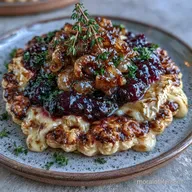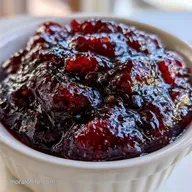
Homemade Fig Jam Recipe with Fresh Figs
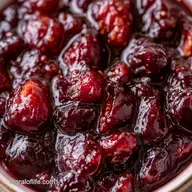
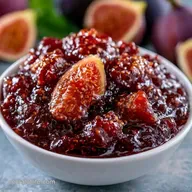
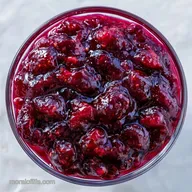
This version uses seasonal fruit to create a glossy spread without adding commercial pectin for a natural taste.
fresh fig base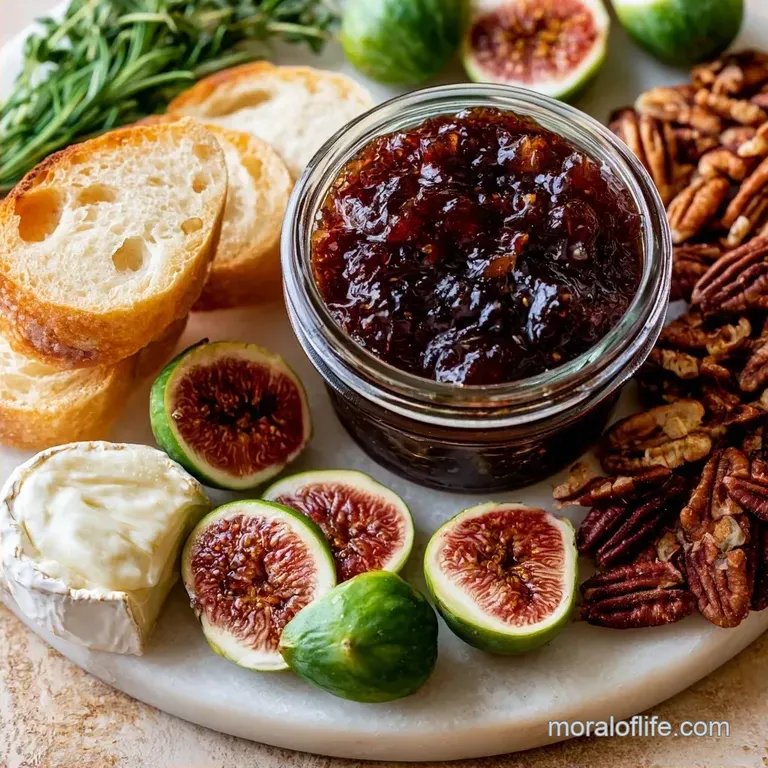
Figs offer a unique balance of honey-like sweetness and subtle earthiness that makes them a standout choice for preserves. Whether you have a harvest of fresh fruit or a bag of dried figs in the pantry, these recipes turn that depth of flavor into versatile spreads.
This collection is designed for home cooks who want a reliable way to preserve the season or create an impressive appetizer board. You'll find everything from traditional long-term canning methods to fast, no-pectin versions that come together in under an hour.
Fig jam is a thick, sweet-savory preserve made by cooking down figs with sugar and an acid, typically lemon juice or balsamic vinegar. Unlike jellies, which use only strained fruit juice, jam retains some of the fruit's natural pulp and seeds, providing a characteristic texture.
Variations range from smooth, spreadable gels to chunky preserves where whole fruit pieces remain intact. Because figs are naturally rich in pectin, many versions don't require commercial additives to set, making them a straightforward choice for beginners.
These preserves pair equally well with morning toast as they do with sharp cheeses and roasted meats.
The right recipe depends on your available ingredients and how you plan to use the final product. For a bright, seasonal taste, a fresh fig jam recipe is the way to go. If you're cooking out of season, dried figs provide a concentrated, deeper flavor profile that works well in smaller batches.
For those looking to stock a pantry, choose a water bath canning method to ensure shelf stability. If you need a quick topping for a cheese board, look for pectin-free options that set quickly on the stove, or a fast-prep appetizer that incorporates pre-made jam with brie or goat cheese.
These recipes focus on the core essence of the fruit with minimal additives. They are designed for those who want a reliable spread for breakfast or a simple ingredient for baking without complex equipment.
This version uses seasonal fruit to create a glossy spread without adding commercial pectin for a natural taste.
fresh fig baseA streamlined approach to jam making that relies on the fruit's natural properties to achieve a thick set.
pectin-free methodFrom regional French styles to long-term canning methods, these recipes offer different textures and storage options. These versions are ideal for gifting or preparing large batches for the winter months.
A reliable method for those wanting to stock their pantry with multiple jars using a safe water bath technique.
water bath canningThis preserve keeps the fruit in larger pieces, providing a substantial texture that's great for pairing with crackers.
whole fig jamA slower-cooked version that results in a rich mahogany color and a deeper, more traditional European flavor profile.
French-style preservesPerfect for winter months, this recipe uses pantry staples and balsamic vinegar to mimic the taste of fresh figs.
dried fig baseFigs and cheese are a classic pairing due to the contrast between sweet fruit and salty dairy. This group showcases how to use jam as a component in party-ready bites and desserts.
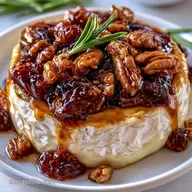
Warm, melted brie topped with sweet jam and crunchy nuts makes this a standout choice for holiday gatherings.
honey and pecansPiled on crisp crostini, this tangy and sweet combination comes together in just a few minutes for quick entertaining.
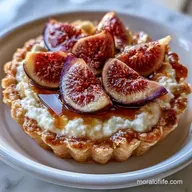
7-minute prepLight puff pastry topped with honey-kissed figs creates an elegant dessert that's surprisingly simple to assemble.
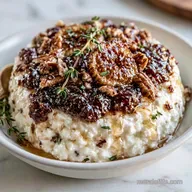
puff pastry baseSavory caramelized onions meet sweet fig jam in these crisp pastry bites, offering a complex flavor for party platters.
savory onion pairingFreshly made jam without canning should be kept in airtight containers and stored in the refrigerator, where it typically lasts for two to three weeks. To reduce risk, always use clean, sterilized jars. For shelf-stable preserves, following a verified water bath canning process is the best practice to prevent spoilage.
If you notice any off-smells, mold on the surface, or a broken vacuum seal on a canned jar, it's a good idea to discard the contents. When using jam in warm appetizers, like baked brie, serve the dish immediately after heating to maintain quality and safety.
| # | Recipes | Best For | Time | Difficulty | Method |
|---|---|---|---|---|---|
| 1 | Fig Jam Recipe with Fresh Figs | classic breakfast spread | 40 min | Easy | Stovetop |
| 2 | Fig Jam in 40 Minutes | pectin-free cooking | 40 min | Easy | Stovetop |
| 3 | Canned Fig Jam Recipe for 5 Jars | pantry stocking | 50 min | Medium | Canning |
| 4 | Whole Fig Jam Recipe in 40 Minutes | chunky fruit texture | 40 min | Easy | Stovetop |
| 5 | French Fig Jam Recipe in 80 Minutes | deep, rich flavor | 80 min | Medium | Stovetop |
| 6 | Dried Fig Jam Recipe in 25 Minutes | off-season cooking | 25 min | Easy | Stovetop |
| 7 | Baked Brie with Fig Jam and Pecans | holiday appetizers | Time varies | Easy | Baked |
| 8 | Goat Cheese Fig Appetizer in 7 Minutes | last-minute guests | 7 min | Easy | No-Bake |
| 9 | Fig Tart in 40 Minutes | dinner party dessert | 40 min | Medium | Baked |
| 10 | French Onion Brie Puffs: Party-Ready | savory party platter | Time varies | Medium | Baked |
Discover more curated recipe collections
Explore more recipe collections →