Brunswick Stew: Authentic Southern Recipe
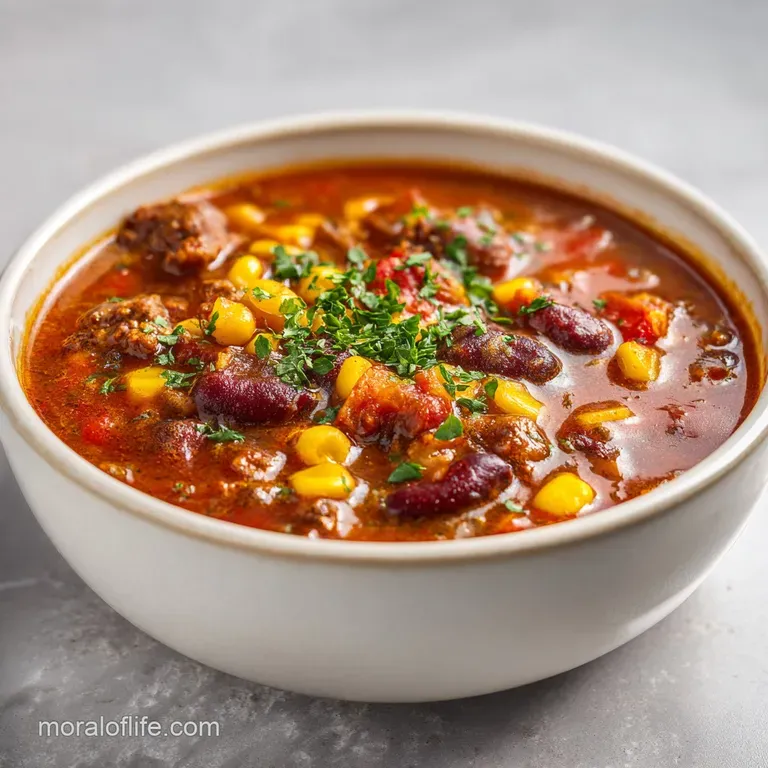
- Time: Active 20 minutes, Passive 120 minutes, Total 140 minutes
- Flavor/Texture Hook: Smoky, tangy, and thick enough to stand a spoon in
- Perfect for: Game day crowds, Sunday family dinners, or budget-friendly meal prep
- Crafting a Smoky and Authentic Brunswick Stew
- The Secret to Smoky Depth
- Analyzing the Ingredient Components
- Selecting Your Budget Friendly Elements
- Essential Tools for the Kitchen
- Step by Step Stew Construction
- Solving Common Cooking Hurdles
- Adjusting the Recipe Volume
- Debunking Traditional Kitchen Myths
- Storage and Zero Waste
- The Best Serving Partners
- Recipe FAQs
- 📝 Recipe Card
Crafting a Smoky and Authentic Brunswick Stew
The air in the kitchen completely changes the second those fire roasted tomatoes hit the pot. There is this specific, heavy aroma that combines hickory smoke with the sharp tang of apple cider vinegar, and it smells exactly like a humid Saturday afternoon in Georgia.
I remember the first time I tried making this on a normal Tuesday; I was worried that using pre smoked chicken wouldn't have that "hallowed" BBQ pit depth. But as the stew simmered and the liquid reduced into a thick, velvety coating for the lima beans, I realized the secret isn't just the smoke, it's the patience of the simmer.
You want this stew to be so thick that it’s almost a sin to call it a soup. It’s a dependable, hearty meal that fills the house with warmth. We aren't looking for a thin broth here; we want a cohesive, rib sticking consistency where every spoonful has a bit of everything.
It’s the kind of recipe that makes you want to grab a piece of buttered cornbread and just disappear into a bowl for twenty minutes.
Trust me, this version is the ultimate budget win because it uses smart shortcuts like frozen vegetables and leftover style meats to create a high end result. You don't need the fanciest equipment or a dedicated smokehouse in the backyard to get this right.
We are going to use a heavy pot and a few pantry staples to build layers of flavor that taste like they’ve been developing for generations. Let's get into what actually makes this dish work so well.
The Secret to Smoky Depth
Starch Suspension: The combination of cream style corn and baby lima beans releases natural starches that thicken the liquid without needing a flour based roux.
Acidic Brightness: Apple cider vinegar and the citric acid in tomatoes break down the heavy fats from the pork and chicken, preventing the stew from feeling greasy.
Smoky Infusion: Using smoked paprika alongside actually smoked meats creates a "double layer" of wood fire flavor that permeates the vegetables.
Evaporative Concentration: Simmering uncovered for 120 minutes allows water to escape, intensifying the sugars in the BBQ sauce and the savory notes of the bone broth.
| Cook Method | Time | Texture Result | Best For |
|---|---|---|---|
| Stovetop | 140 minutes | Thick, caramelized edges | Maximum flavor development |
| Slow Cooker | 8 hours (Low) | Very tender, softer veggies | Set it and forget it days |
| Instant Pot | 35 minutes | Thinner broth, intact corn | Quick weeknight hunger |
When choosing your method, remember that the stovetop version allows for the most reduction. If you decide to go the slow cooker route, you might want to use slightly less broth at the start because you won't lose as much moisture to evaporation. For another comforting bowl that relies on a similar velvety base, you might enjoy my Chicken and Dumplings recipe which uses a similar thickening technique.
Analyzing the Ingredient Components
| Ingredient | Science Role | Pro Secret |
|---|---|---|
| Chicken Bone Broth | Provides gelatin for body | Use low sodium to control the salt concentration as it reduces |
| Fire Roasted Tomatoes | Adds charred flavor and acidity | Don't drain the cans; the liquid contains concentrated tomato essence |
| Cream Style Corn | Acts as a primary thickener | This provides the "silky" mouthfeel that whole kernels can't achieve |
| Apple Cider Vinegar | Cleanses the palate | Add a tiny splash at the very end to "wake up" the smoky notes |
Selecting the right components is what separates a mediocre stew from a legendary one. For example, using smoked chicken thighs rather than breasts is a huge win for your budget and the final texture.
Thighs have more connective tissue (collagen) which melts during that 2 hour simmer, adding a rich, lip smacking quality to the sauce.
Selecting Your Budget Friendly Elements
- 1 lb Smoked chicken thighs, shredded, skin removed: Why this? Provides moisture and deep smoke flavor that white meat lacks.
- Substitute: Rotisserie chicken with an extra teaspoon of smoked paprika.
- 1 lb Lean pulled pork, unpoured and shredded: Why this? Adds bulk and a different protein texture to the mix.
- Substitute: Shredded pork tenderloin or even extra smoked chicken.
- 4 cups Low sodium chicken bone broth: Why this? Offers more protein and a richer mouthfeel than standard stock.
- Substitute: 4 cups water plus 2 tablespoons of chicken bouillon base.
- 29 oz Fire roasted diced tomatoes: Why this? The char on the tomatoes mimics a backyard grill flavor.
- Substitute: Regular diced tomatoes with a pinch of charred onion powder.
- 2 cups Frozen baby lima beans: Why this? Essential for authentic texture and starch release.
- Substitute: Butter beans or edamame (though the flavor will shift slightly).
- 2 cups Sweet corn, frozen or fresh: Why this? Adds pops of sweetness and a crunchy contrast.
- Substitute: Canned whole kernel corn, drained and rinsed.
- 14.75 oz Cream style corn: Why this? The "glue" that holds the stew together.
- Substitute: 1 cup pureed corn kernels mixed with a splash of milk.
- 1 Large yellow onion, finely diced: Why this? Creates a savory aromatic base for all other flavors.
- Substitute: 2 teaspoons of onion powder (but fresh is much better).
- 1 cup Low sugar hickory BBQ sauce: Why this? Provides sweetness and spice without being cloying.
- Substitute: Any smoky BBQ sauce you have on hand.
- 2 tbsp Worcestershire sauce: Why this? Adds "umami" or a deep savory backbone.
- Substitute: Soy sauce or balsamic vinegar in a pinch.
- 2 tbsp Apple cider vinegar: Why this? Provides the necessary tang to balance the sugar.
- Substitute: White wine vinegar or lemon juice.
- 1 tsp Smoked paprika: Why this? Enhances the "pit cooked" aroma of the meats.
- Substitute: Regular paprika plus a drop of liquid smoke.
- 0.5 tsp Cayenne pepper: Why this? Adds a subtle back of-the throat warmth.
- Substitute: Red pepper flakes or a dash of hot sauce.
- 0.5 tsp Salt: Why this? Enhances all other ingredient flavors.
- Substitute: Sea salt or kosher salt.
- 0.5 tsp Black pepper: Why this? Adds a slight earthy bite.
- Substitute: White pepper for a milder heat.
Essential Tools for the Kitchen
To get that perfect reduction, you really need a heavy bottomed vessel. A 6 quart Dutch oven (like those made by Lodge) is the gold standard because it distributes heat evenly, preventing the bottom of the stew from scorching during the long simmer.
If you use a thin stainless steel pot, you'll find yourself having to stir every five minutes to keep the corn from sticking.
You will also want a sturdy wooden spoon. As the stew thickens, it gets heavy, and a flimsy plastic spatula just won't cut it. A good wooden spoon allows you to scrape the "fond" (those little browned bits) off the bottom of the pot, which is where a lot of the flavor lives.
Finally,, a sharp set of forks or a dedicated meat shredder will make quick work of the chicken and pork.
step-by-step Stew Construction
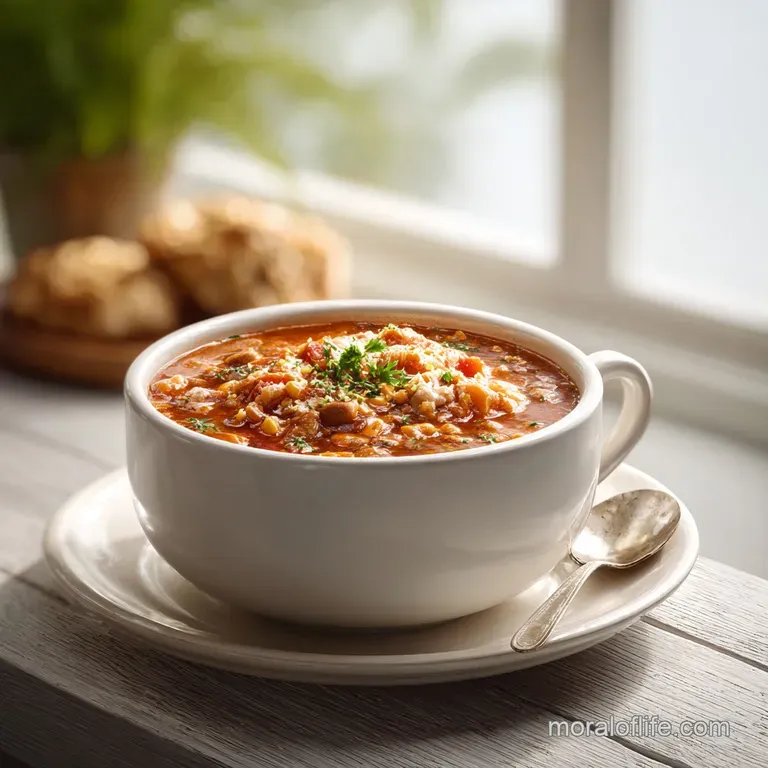
- Sauté the Aromatics. Set your 6 quart Dutch oven over medium heat. Add a splash of broth and sauté the finely diced yellow onions until they are translucent and fragrant, which usually takes about 5-7 minutes. Note: Using broth instead of oil keeps the fat content lower while still softening the onions.
- Layer the Flavors. Incorporate the 1 lb of shredded smoked chicken and 1 lb of pulled pork into the onions, stirring for 2 minutes until the smoky oils are released.
- Add the Base Liquids. Pour in the 29 oz of fire roasted tomatoes (with their juices), 4 cups of chicken bone broth, 1 cup of BBQ sauce, 2 tbsp of Worcestershire sauce, and 2 tbsp of apple cider vinegar.
- Integrate the Vegetables. Stir in the 2 cups of frozen baby lima beans, 2 cups of sweet corn, and 14.75 oz of cream style corn. Stir until the mixture looks uniform.
- Apply the Spices. Add 1 tsp of smoked paprika and 0.5 tsp of cayenne pepper.
- Begin the Simmer. Bring the mixture to a gentle boil, then immediately reduce the heat to low.
- The Reduction Phase. Let the stew simmer uncovered for 2 hours, stirring occasionally with a wooden spoon until the liquid has reduced and the stew is thick and velvety.
- Final Quality Check. Taste the stew and add the 0.5 tsp of salt and 0.5 tsp of black pepper as needed before serving.
Solving Common Cooking Hurdles
Why Your Stew Stays Thin
Sometimes, if your heat is too low or your pot is too narrow, the liquid won't evaporate properly. This leaves you with a soup rather than a thick stew. The secret is the surface area and the "uncovered" rule. If you cover the pot, the steam hits the lid, turns back into water, and drops right back into your stew.
Fixing a Salt Overload
Since we are simmering this for 120 minutes, the flavors concentrate. If your BBQ sauce or broth was higher in sodium than expected, it might taste too salty at the end.
Don't panic; a small potato peeled and dropped into the pot for the last 20 minutes can absorb some of that excess salt, or you can add a pinch of brown sugar to counter the sharp notes.
| Problem | Root Cause | Solution |
|---|---|---|
| Scorched Bottom | Heat too high or not enough stirring | Move to a clean pot immediately; do NOT scrape the burnt bits |
| Too Sweet | BBQ sauce had high sugar content | Add an extra teaspoon of apple cider vinegar to balance |
| Tough Lima Beans | Beans weren't cooked long enough | Simmer for an additional 15 minutes with the lid on to trap heat |
As you work through the process, keep an eye on the consistency. If it's getting too thick too fast, just splash in a little more bone broth. If you’re looking for a different kind of hearty texture, you might want to see how I handle the meat to liquid ratio in this velvety short rib stew, which uses a similar reduction method.
Common Mistakes Checklist
- ✓ Don't cover the pot during the 2 hour simmer; evaporation is key to the texture.
- ✓ Never skip the cream style corn; it provides the essential "body" of the dish.
- ✓ Avoid using extra lean chicken breast; the fat in the thighs prevents the meat from becoming stringy.
- ✓ Don't add all the salt at the beginning; wait until the end when the liquid has fully reduced.
- ✓ Resist the urge to use "liquid smoke" if you already have smoked meats; it can become overwhelming.
Adjusting the Recipe Volume
When you're scaling this recipe down for a smaller household, you can easily halve all the ingredients. However, be aware that a smaller volume of liquid will evaporate faster. I recommend checking the consistency at the 90 minute mark rather than waiting the full 2 hours.
Use a smaller pot, like a 3 or 4 quart saucepan, to maintain the right depth.
Scaling up for a big crowd is where this recipe really shines. If you are doubling it to 18 servings, use a large stockpot. You won't need to double the salt or the cayenne pepper immediately; start with 1.5 times the amount and adjust at the end.
The cooking time will likely remain the same, but you’ll need to stir more frequently because a larger mass of corn is more prone to sticking to the bottom of a big pot.
| Servings | Meat Total | Broth Amount | Pot Size |
|---|---|---|---|
| 4-5 people | 1 lb total | 2 cups | 3 quart pot |
| 9 people | 2 lbs total | 4 cups | 6 quart Dutch oven |
| 18 people | 4 lbs total | 7 cups | 12 quart stockpot |
Debunking Traditional Kitchen Myths
One major myth is that you must use a hog's head or "scraps" to make an authentic Brunswick stew. While the history of the dish involves using whatever game was available (like squirrel or rabbit), modern chicken and pork actually produce a much more consistent and cleaner flavor that most people prefer.
You aren't "faking it" by using high-quality smoked thighs; you're just making it more accessible for a dependable weeknight meal.
Another common misconception is that the vegetables should be mushy. While the stew is cooked for a long time, the corn should still have a slight "pop" to it, and the lima beans should be creamy but intact. If your vegetables are turning into a literal paste, you’ve likely had the heat too high.
Keep it at a "lazy bubble" rather than a rolling boil.
Storage and Zero Waste
This stew is actually better on the second day. The flavors continue to meld in the fridge, and the smoke becomes even more integrated. You can store it in an airtight container in the refrigerator for up to 4 days.
When reheating, you might need to add a splash of water or broth, as it will thicken significantly when cold.
For long term storage, this recipe freezes beautifully. I like to freeze it in individual portions in freezer safe bags. It will stay fresh for up to 3 months. To reheat from frozen, let it thaw in the fridge overnight and then warm it up slowly on the stovetop.
Zero Waste Tip: If you have leftover pulled pork or chicken from a weekend BBQ, this is the perfect way to use it up. Even the "scraps" that are too small for sandwiches are perfect for this stew.
Also, if you have corn cobs from fresh corn, you can throw them into the pot while it simmers to extract even more "milky" corn flavor, just remember to fish them out before serving.
The Best Serving Partners
You can't have a bowl of this without a side of cornbread. Whether you like it sweet or savory, that crumbly texture is the perfect vehicle for soaking up the last bits of the thick sauce. A simple side of coleslaw also works wonders; the cold, crunchy cabbage provides a sharp contrast to the warm, heavy stew.
If you want to keep things light, a simple green salad with a tart vinaigrette helps cut through the richness of the smoked meats. Honestly, though, most days I just serve it in a big mug with a few saltine crackers on top. It’s simple, dependable, and exactly what you need after a long day.
If you find yourself with extra corn or lima beans, consider tossing them into a quick succotash the next night to keep the southern theme going!

Recipe FAQs
What was Brunswick stew originally made from?
Small game meat. Originally, this dish relied on squirrel or rabbit, but modern versions prioritize smoked chicken and pulled pork for consistent flavor and accessibility.
What is the difference between Brunswick stew and regular stew?
The presence of BBQ sauce and cream style corn. Brunswick stew is distinguished by its smoky, tangy base and a thick, almost porridge like texture created by the addition of cream style corn.
What is the difference between Virginia and Georgia Brunswick stew?
The use of tomatoes and thickness. Virginia versions often lean toward a thinner, tomato based consistency, while Georgia recipes are typically thicker and heavily emphasize the use of corn and lima beans.
What do you eat with Brunswick stew?
Serve with crusty bread or cornbread. These sides are ideal for soaking up the thick, velvety broth left at the bottom of the bowl after the meat and vegetables are eaten.
How to achieve the perfect thick, velvety consistency?
Simmer uncovered for 2 hours on low heat. This duration allows the liquid to reduce while the starches from the corn and lima beans naturally thicken the stew.
Is it true I must brown the meat in oil first?
No, this is a common misconception. You should sauté the onions in a splash of chicken bone broth instead, which keeps the dish lean while softening the aromatics.
How to store leftovers for the best flavor?
Keep it in an airtight container in the refrigerator for up to 4 days. The flavors actually improve on the second day as the smoke integrates further into the broth.
Authentic Southern Brunswick Stew

Ingredients:
Instructions:
Nutrition Facts:
| Calories | 368 kcal |
|---|---|
| Protein | 34.6 g |
| Fat | 9.7 g |
| Carbs | 33.8 g |
| Fiber | 4.2 g |
| Sugar | 12.4 g |
| Sodium | 640 mg |
