Beef and Broccoli Stir Fry Recipe
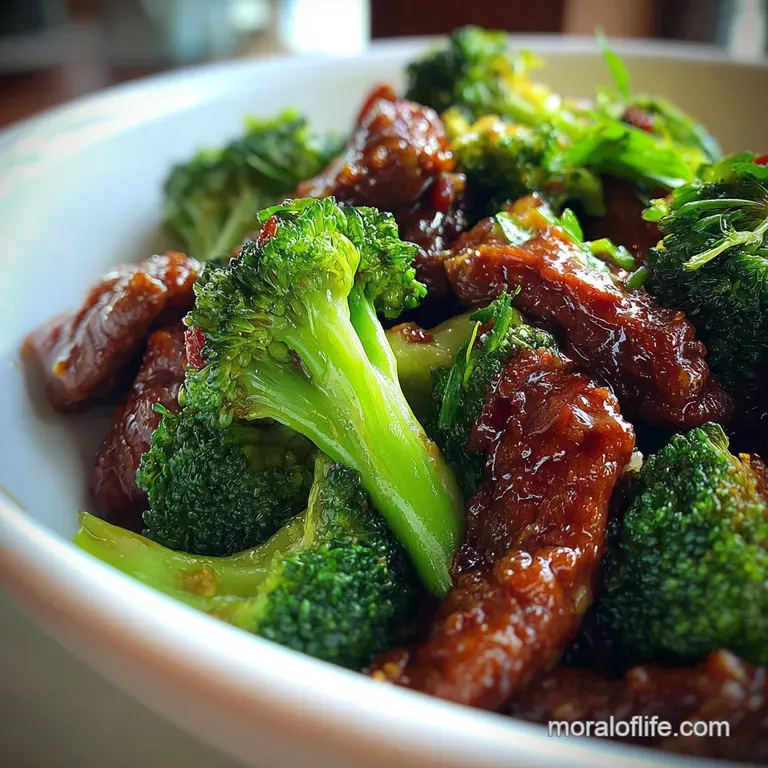
- Time: Active 15 minutes, Passive 10 minutes, Total 25 minutes
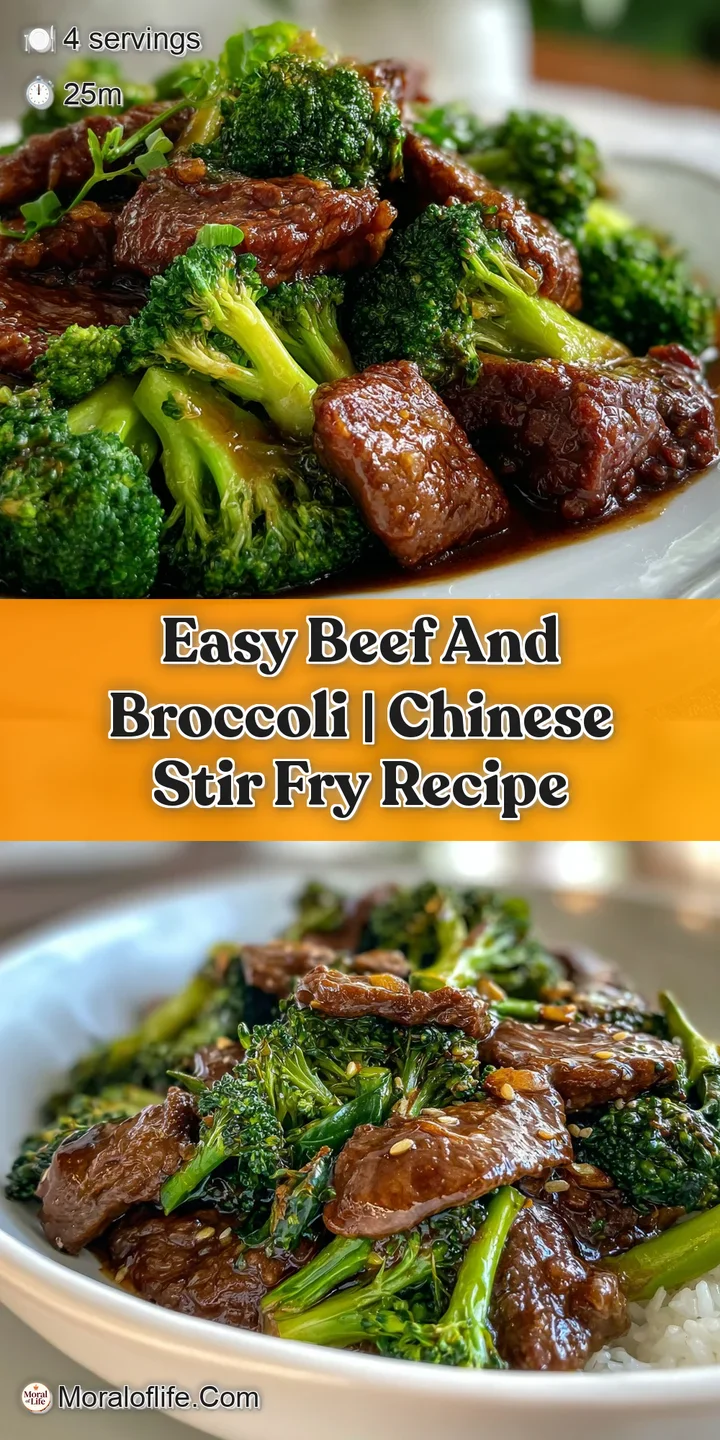
- Flavor/Texture Hook: Savory, velvety beef paired with snappy, vibrant broccoli
- Perfect for: A normal Tuesday night when you need a reliable, 30 minute meal
- A Better Homemade Beef and Broccoli Stir Fry
- Essential Specs for This Recipe
- Why This Beef and Broccoli Works
- Analyzing Every Key Ingredient Used
- Selecting the Best Ingredients
- Tools for the Perfect Sear
- Mastering the Cooking Process
- Solving Common Cooking Errors
- Easy Ways to Mix Flavors
- Smart Storage and Keeping Fresh
- Perfect Sides for This Dish
- Debunking Stir Fry Misconceptions
- Very High in Sodium
- Recipe FAQs
- 📝 Recipe Card
A Better Homemade Beef and Broccoli Stir Fry
The hiss of a hot pan always takes me back to my first apartment, where I spent far too much money on soggy takeout because I was afraid of my own stove. I remember the exact moment that changed, though.
It was a drizzly Tuesday, and I was staring at a head of broccoli and some flank steak, wondering why mine always turned out grey and rubbery while the restaurant version was always so glossy and tender.
I realized that the secret wasn't a fancy stove or a million ingredients, but a few simple tricks that make even a Budget Friendly cut of meat feel like a luxury.
We've all been there, right? You want that deep, umami rich sauce and beef that practically melts, but you end up with something that feels more like a chore to chew. This recipe is the result of years of trial and error in my own kitchen, figuring out how to get that "Wok Hei" flavor in a standard skillet without making a mess.
It's dependable, it's fast, and honestly, we've started preferring it over the local spot because we can control the salt and the crunch.
You're going to love how the sauce clings to every tiny crevice of the broccoli. It's not just a meal; it's a reliable win for those busy days when you need something comforting but don't want to spend an hour prepping.
Let's look at how a little bit of science and some smart shopping can turn basic ingredients into something you'll repeat with confidence every single week.
Essential Specs for This Recipe
Getting the timing right is the difference between a soggy mess and a vibrant stir fry. I like to keep these numbers in my head so I don't have to constantly check the clock while the pan is sizzling. It's all about high heat and fast movement.
| Beef Thickness | Searing Time | Rest Time | Visual Cue |
|---|---|---|---|
| 3 mm (1/8 inch) | 2 minutes | 3 minutes | Browned edges, slightly pink center |
| 6 mm (1/4 inch) | 3 minutes | 4 minutes | Deep mahogany crust |
| 12 mm (1/2 inch) | 5 minutes | 5 minutes | Fully opaque throughout |
If you're cooking for a crowd, it's tempting to throw everything in at once, but trust me, that's how you end up steaming your meat instead of searing it. For this recipe, we're looking at 4 servings, which fits perfectly in a 12 inch skillet or a standard wok.
If you need more, just work in two batches to keep that heat high.
Why This Beef and Broccoli Works
The pH Shift: Adding a tiny bit of baking soda to the marinade raises the pH levels on the surface of the beef, which prevents the proteins from bonding too tightly when they hit the heat.
This keeps the muscle fibers from squeezing out their juices, resulting in a velvety texture that stays tender even if you overcook it by a minute.
Starch Gelatinization: The cornstarch in the sauce acts as a thickener that only activates when it hits the boiling point, creating a glossy, translucent glaze that binds the beef broth and soy sauce together.
This ensures the sauce doesn't just pool at the bottom of the bowl but actually coats every piece of broccoli.
The Moisture Shield: By searing the meat quickly at high temperatures, we trigger the Maillard reaction, creating hundreds of new flavor compounds. The cornstarch coating on the beef acts as a physical barrier, trapping the internal moisture while the outside develops that beautiful mahogany finish.
Analyzing Every Key Ingredient Used
When we're talking about a budget smart kitchen, every component needs to earn its keep. You don't need the most expensive soy sauce on the shelf, but you do need to understand what each part of the sauce is doing for the final dish.
| Component | Science Role | Pro Secret |
|---|---|---|
| Flank Steak | Long muscle fibers | Slice at a 45 degree angle against the grain to shorten fibers for maximum tenderness. |
| Cornstarch | Thickener and barrier | Use half in the marinade to "velvet" the meat and half in the sauce to create that signature gloss. |
| Baking Soda | Protein tenderizer | A little goes a long way; never use more than 1/4 teaspoon per pound or the meat will taste metallic. |
| Oyster Sauce | Flavor foundation | This provides the "body" and thickness of the sauce; it's the secret to that restaurant style depth. |
For a slightly different texture, you could try using this technique with a Shredded Beef recipe if you have leftovers, though fresh flank steak is the gold standard here for a quick sear.
Selecting the Best Ingredients
- 1 lb flank steak: Look for a piece with even thickness. If it's too expensive, top round or London broil works too, just slice it extra thin. Why this? It has a bold beefy flavor that stands up to the strong sauce.
- 1 lb broccoli florets: Fresh is best for that "shatter" crunch. Why this? The florets act like sponges for the savory umami sauce.
- 3 cloves garlic, minced: Freshly minced is non negotiable for the best aroma.
- 1 tablespoon fresh ginger, grated: Adds a sharp, bright heat that balances the salty soy sauce.
- 1/4 cup soy sauce: A mix of light and dark soy gives you both salt and a deep, rich color.
- 3 tablespoons oyster sauce: This is the "secret sauce" that provides the savory sweet backbone.
- 1 tablespoon brown sugar: Just enough to balance the salt and help with caramelization.
- 1/2 cup low sodium beef broth: This provides the volume for the sauce without making it overly salty.
- 1 tablespoon Shaoxing wine: Traditional Chinese cooking wine that adds a fermented depth. Dry sherry is a great swap.
- 1/4 teaspoon baking soda: The key to the "velveting" process.
- 2 tablespoons vegetable oil: You need an oil with a high smoke point for this.
| Original Ingredient | Substitute | Why It Works |
|---|---|---|
| Shaoxing wine | Dry Sherry | Similar acidity and fermented profile. Note: Avoid "cooking sherry" which has added salt. |
| Flank Steak | Top Sirloin | Tender and leaner, but slightly more expensive. Note: Slices very cleanly. |
| Oyster Sauce | Vegetarian Mushroom Sauce | Provides the same umami and viscosity without the shellfish. |
Tools for the Perfect Sear
1. The Heat Conductor
A heavy bottomed stainless steel skillet or a carbon steel wok is your best friend here. You want something that can hold onto heat when the cold meat hits the pan. If you use a thin, cheap pan, the temperature will drop instantly, and your beef will boil in its own juices instead of searing.
2. The Precision Slicer
A sharp chef's knife is essential for those thin slices. If your knife is dull, you'll struggle to cut against the grain, and you might end up with chunky pieces that stay tough.
Chef's Tip: Pop your beef in the freezer for 15 to 20 minutes before slicing. It firms up the fat and muscle, making it much easier to get those paper thin, restaurant quality strips.
Mastering the Cooking Process
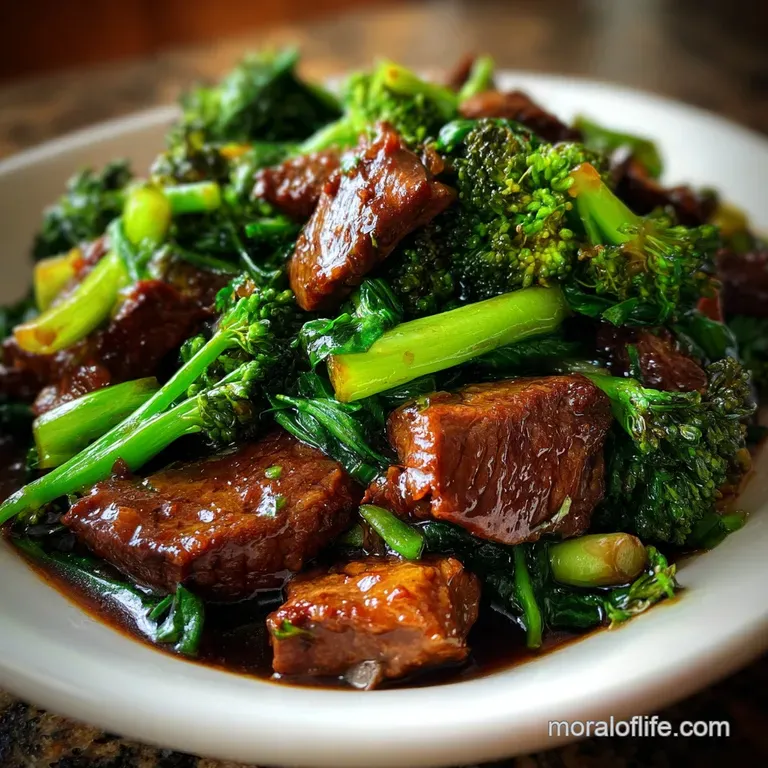
- Slice the beef. Cut your 1 lb flank steak into thin strips against the grain at a 45 degree angle. Note: This breaks up the tough fibers for a tender bite.
- Marinate the meat. Toss the beef with 1 tablespoon cornstarch, 1 tablespoon Shaoxing wine, and 1/4 teaspoon baking soda. Let it sit for 15 minutes.
- Whisk the sauce. In a small bowl, combine 1/4 cup soy sauce, 3 tablespoons oyster sauce, 1 tablespoon brown sugar, 1 teaspoon toasted sesame oil, 1/2 cup beef broth, and the remaining 1 tablespoon cornstarch.
- Blanch the broccoli. Heat a splash of water in a pan and steam the 1 lb of broccoli for 2 minutes until vibrant green but still snappy. Drain and set aside.
- Sear the beef. Heat 1 tablespoon vegetable oil in your skillet over high heat until it just starts to smoke.
- Cook in batches. Add half the beef and spread it out. Let it sit for 60 seconds until a dark crust forms, then flip and cook for another 60 seconds. Remove and repeat with the rest of the oil and beef.
- Sauté aromatics. Lower heat slightly and add the 3 minced garlic cloves and 1 tablespoon grated ginger. Stir for 30 seconds until the kitchen smells fragrant.
- Combine everything. Add the beef and broccoli back into the pan.
- Thicken the sauce. Give your sauce mixture a quick stir (cornstarch settles!) and pour it over the beef and broccoli.
- Glaze and finish. Toss everything constantly for 1 to 2 minutes until the sauce bubbles and turns glossy. Garnish with the sliced green onions and serve immediately.
Solving Common Cooking Errors
One of the biggest frustrations with this dish is ending up with a sauce that's either too thin or way too salty. Most of the time, it's just a matter of heat control or ingredient selection. If you find your sauce is looking a bit dull, a tiny splash of water or more broth can usually fix the consistency.
Soggy Broccoli Problems
If your broccoli turns mushy, you've likely over steamed it before the stir fry even began. Remember that it will continue to cook for another two minutes once it's tossed with the hot sauce. Always aim for "underdone" during the initial blanching phase.
| Problem | Root Cause | Solution |
|---|---|---|
| Tough Beef | Slicing with the grain | Always slice perpendicular to the muscle fibers. |
| Cloudy Sauce | Cornstarch not cooked | Ensure the sauce reaches a full boil to activate the starch. |
| Burnt Garlic | Heat too high | Add aromatics only after the meat is removed or the pan has cooled slightly. |
- ✓ Pat the beef dry with a paper towel before marinating to help the starch stick.
- ✓ Don't crowd the pan - if the meat is touching, it's steaming, not searing.
- ✓ Use low sodium beef broth to keep the salt levels under your control.
- ✓ Have all your ingredients prepped and within reach; the actual cooking happens in under 10 minutes.
Easy Ways to Mix Flavors
If you want to stretch your budget even further, you can easily swap out half the broccoli for other vegetables. I often throw in sliced carrots or bell peppers if they're on sale. If you're looking for a slower, more hands off version of a beef meal, you might find our Crockpot Recipe with beef and potatoes to be a great alternative for those truly busy days.
For those watching their carbs, you can skip the rice and serve this over cauliflower rice. If you love the combination of beef and greens but want something cheesier, my Keto Broccoli Casserole recipe is a fantastic way to use up any extra broccoli you might have bought.
Budget Friendly Shortcuts
Sometimes fresh ginger and garlic feel like too much work. You can use the tubes of ginger paste and jarred minced garlic in a pinch. While the flavor isn't quite as sharp, it still beats ordering out on a tired Monday night.
- Extra Spicy: Add 1 teaspoon of red pepper flakes or a dollop of Sambal Oelek to the sauce.
- Nutty Crunch: Top with toasted cashews or peanuts just before serving.
- Citrus Zest: Add a teaspoon of orange zest to the sauce for a bright, floral note.
Smart Storage and Keeping Fresh
Storage: This keeps beautifully in the fridge for up to 3 days. The broccoli will lose some of its vibrant green color and snap, but the flavors of the sauce actually deepen overnight. It's one of my favorite things to find in my lunchbox the next day.
Reheating: Avoid the microwave if you can; it turns the beef rubbery. Instead, toss it back into a skillet with a tablespoon of water or broth over medium heat. Cover it for 2 minutes to let the steam revive the broccoli, then toss until the sauce is glossy again.
Zero Waste: Don't throw away those broccoli stems! Peel off the tough outer skin with a vegetable peeler, slice the tender inner core into matchsticks, and throw them right into the stir fry with the florets. They have a lovely, mild sweetness that's too good to waste.
If you have leftover sauce, it's incredible drizzled over a simple bowl of plain noodles the next day.
Perfect Sides for This Dish
While a simple bowl of steamed white rice is the classic choice, I love serving this with brown rice or quinoa for a bit more fiber. The sauce is so flavorful that it carries whatever grain you put underneath it.
If you're feeling a bit more ambitious, a side of simple veggie lo mein or even some smashed cucumber salad provides a cooling contrast to the warm, savory beef.
If you have a large family, consider making a double batch of the sauce. You can use it to stir fry a big bag of frozen mixed vegetables on the side to make the meal go further without much extra effort. It's these little tricks that make a "normal Tuesday" feel a lot more special without breaking the bank.
Debunking Stir Fry Misconceptions
One major myth is that you need a specialized high BTU burner to get good results. While "Wok Hei" (the breath of the wok) is amazing, you can get a very similar charred flavor in a standard cast iron or stainless steel skillet by just being patient and letting the meat sear undisturbed for a full minute.
Another misconception is that the marinade needs hours to work. Because the beef is sliced so thin, 15 minutes is actually the sweet spot. Anything longer and the baking soda can start to break down the proteins too much, giving the meat a mushy, almost "processed" texture that loses the satisfying chew we want in a good stir fry.
Very High in Sodium
1685 mg mg of sodium per serving (73% of daily value)
The American Heart Association recommends limiting sodium intake to no more than 2,300mg per day for most adults. Ideally, they recommend 1,500mg per day for most adults.
Sodium Reduction Tips for This Recipe
-
Low-Sodium Broth-30%
Switch to a low-sodium or no-salt added beef broth. This can significantly cut down on the sodium content without sacrificing flavor.
-
Reduce Oyster Sauce-20%
Oyster sauce is a major sodium contributor. Reduce the amount used to 1 tablespoon, or substitute with a low-sodium alternative like a mushroom based sauce.
-
Lighten Up on Soy Sauce-20%
Opt for low-sodium soy sauce and reduce the quantity by half. Consider adding a splash of dark soy sauce for color, but primarily use the low-sodium version.
-
Spice It Up!
Enhance flavor with fresh herbs and spices like garlic powder, onion powder, black pepper, or red pepper flakes. Experiment to find your favorite combination and add depth without sodium.
-
Skip Baking Soda-5%
While baking soda tenderizes meat, it contains sodium. Omit the baking soda and instead tenderize the flank steak by marinating it longer or using a meat mallet before slicing.
Recipe FAQs
What is Chinese beef and broccoli sauce made of?
The core components are soy sauce, oyster sauce, beef broth, and cornstarch. The soy sauce and oyster sauce provide the deep umami and color, while the cornstarch, mixed with the liquid, thickens the sauce into that signature glossy glaze.
How do Chinese get beef so tender in stir fry dishes?
They use a technique called "velveting" involving baking soda. A small amount of baking soda in the marinade raises the pH, preventing the meat proteins from seizing up when they hit high heat, keeping the beef impossibly silky.
What kind of beef do Chinese restaurants use for beef and broccoli?
Flank steak is the professional standard for this dish due to its flavor profile. Top round or London broil are excellent, cost effective substitutes, provided you slice them thinly against the grain.
What makes beef and broccoli so tender?
Two factors guarantee tenderness: the baking soda marinade and precise slicing technique. Slicing the meat thinly against the muscle grain drastically shortens the tough fibers, and if you want to master texture control in other recipes, see how this principle applies in our Vegan Lasagna Recipe.
How do I prevent my beef from becoming tough and gray when stir frying?
Sear the beef quickly in small batches over extremely high heat. Crowding the pan drops the temperature, causing the meat to steam rather than sear, resulting in a gray, rubbery texture.
Is it true that you must use Shaoxing wine for an authentic flavor?
No, it is not strictly necessary, but it adds depth. Dry sherry is the most common and effective substitute, lending a similar fermented, slightly nutty base note to the sauce.
How long should the broccoli be cooked before adding it to the stir fry?
Blanch or steam the broccoli for about two minutes until it is bright green but still very crisp. It will finish cooking in the residual heat of the wok when you add the sauce, preventing it from becoming limp.
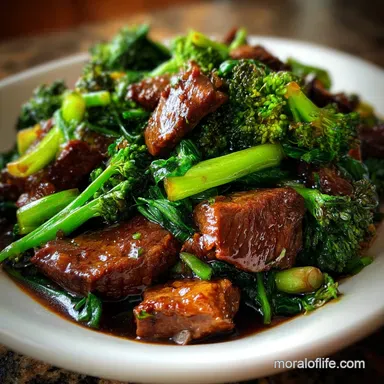
Beef And Broccoli Stir Fry
Ingredients:
Instructions:
Nutrition Facts:
| Calories | 378 kcal |
|---|---|
| Protein | 29.4 g |
| Fat | 21.4 g |
| Carbs | 18.2 g |
| Fiber | 3.8 g |
| Sugar | 6.1 g |
| Sodium | 1685 mg |
