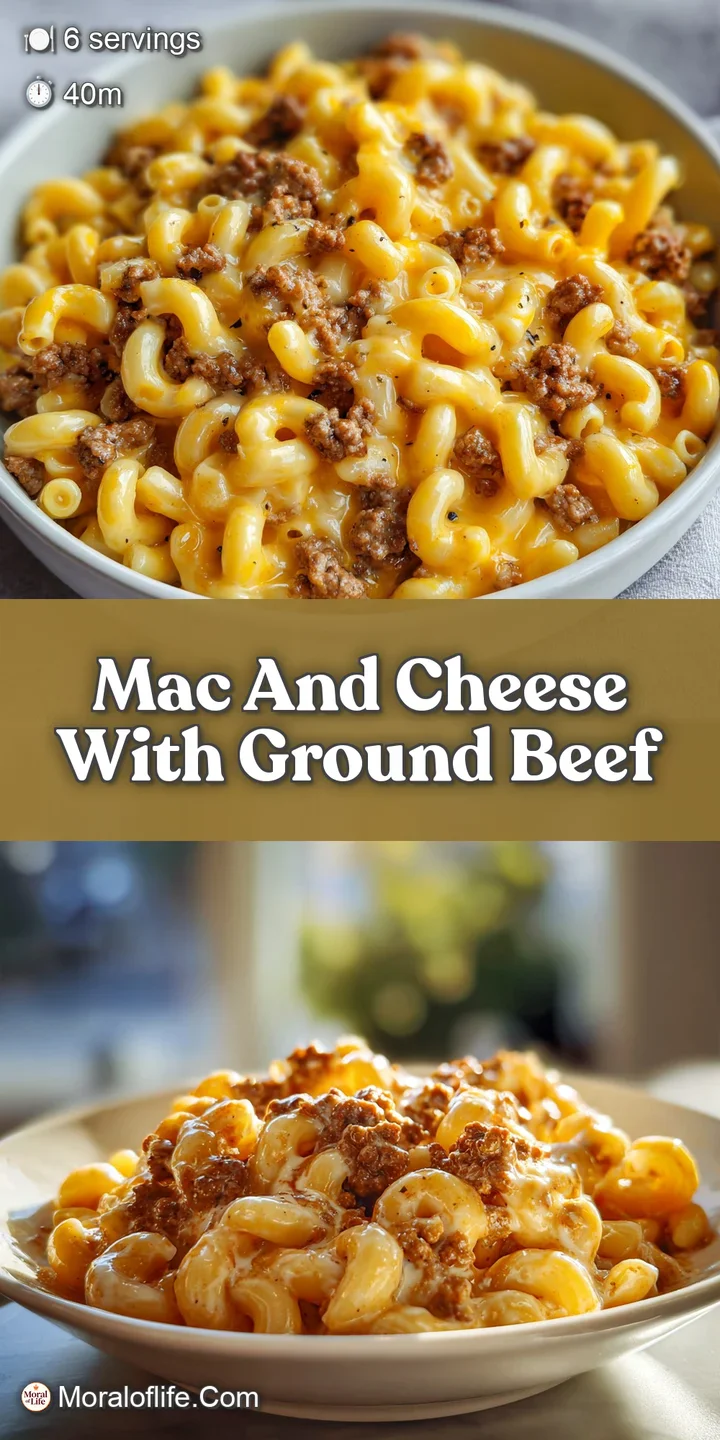
Mac and Cheese with Ground Beef
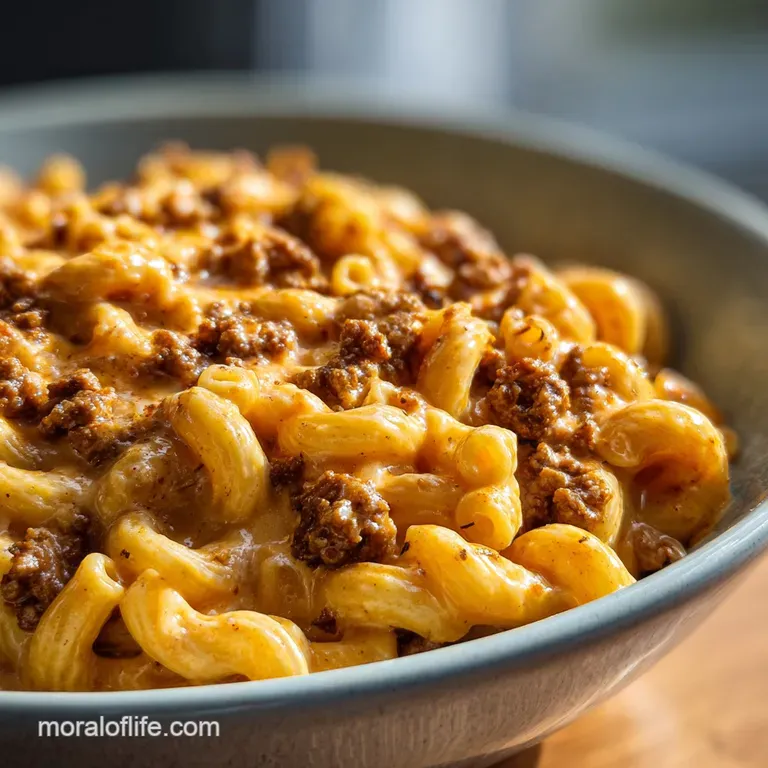
- Time: Active 15 minutes, Passive 25 minutes, Total 40 minutes
- Flavor/Texture Hook: Silky cheddar sauce meeting a shattering panko crunch
- Perfect for: A normal Tuesday or a dependable weekend family dinner
- Technique Secrets for Creamy Beef Mac
- Essential Cooking Specifications
- Component Analysis and Substitutions
- Tools for a Better Meal
- Execution and Cooking Stages
- Common Pitfalls and Solutions
- Flavor Variations and Tweaks
- Storing and Using Scraps
- Side Dishes for Balancing
- Debunking Common Kitchen Myths
- Mac and Cheese with Ground Beef FAQs
- 📝 Recipe Card
The sizzle of lean ground beef hitting a hot cast iron skillet is the soundtrack to my favorite kind of weeknight. There’s something deeply grounding about the aroma of onions softening in beef fat, mingling with the earthy punch of smoked paprika.
I remember a Tuesday not too long ago when everything seemed to go sideways the car wouldn't start, the rain was relentless and I just needed a win. This mac and cheese with ground beef was that win.
We’ve all had those boxed versions that end up tasting like salt and orange dust, but this is different. It’s about the contrast between the springy cavatappi and the savory, seasoned meat. It isn't a fancy dish, and it doesn't try to be.
It’s just honest, filling food that makes the house smell like a home. Trust me, once you see that cheese sauce start to bubble and coat the back of your spoon, you’ll know you’re in for a treat.
We're aiming for a result that’s far better than the standard casserole. Instead of a dry, baked to death brick, we are creating a creamy beef mac and cheese that maintains its moisture. You’ll get that golden crust from the panko, but underneath, it remains incredibly lush.
If you’ve ever struggled with a broken, oily sauce, this method is going to be your new best friend.
Technique Secrets for Creamy Beef Mac
- Starch Suspension: Using pasta water creates a bridge between the fats in the cheese and the liquid in the milk, preventing the sauce from splitting.
- Casein Stabilization: The addition of cream cheese introduces extra proteins that act as stabilizers, ensuring a velvety texture even at high heat.
- Maillard Mastery: Browning the beef until a dark crust forms creates complex flavors that a simple gray sear just cannot provide.
- Carryover Prevention: Boiling the pasta for two minutes less than the package instructions allows it to finish cooking in the sauce without turning mushy.
| Thickness | Internal Temp | Rest Time | Visual Cue |
|---|---|---|---|
| 1/2 inch crumble | 160°F | 2 minutes | No pink remains |
| 1 inch patty | 160°F | 5 minutes | Juices run clear |
| Large chunks | 165°F | 3 minutes | Deep mahogany crust |
The table above helps you gauge the beef doneness before you ever add the pasta. Achieving that deep mahogany crust on your ground beef is the difference between a flat flavor and a rich, savory experience. It's similar to the technique used for a deep, seasoned Taco Meat Recipe where the sear is everything.
Essential Cooking Specifications
| Ingredient | Science Role | Pro Secret |
|---|---|---|
| Sharp Cheddar | Flavor/Fat | Grate it yourself to avoid anti caking starches that cause graininess. |
| Cream Cheese | Emulsifier | Use full fat for the most stable, silky sauce structure. |
| Pasta Water | Binder | This "liquid gold" keeps the sauce from separating during the bake. |
| Smoked Paprika | Flavor Depth | Adds a subtle wood fired note that cuts through the heavy fat. |
A successful mac and cheese with ground beef recipe relies on these specific components to work in harmony. While it is tempting to use pre shredded cheese for speed, those cellulose coatings will ruin the texture of your easy mac and cheese with ground beef.
Take the extra five minutes to grate the block; your sauce will thank you.
Component Analysis and Substitutions
To make this baked mac and cheese with ground beef, you will need a few pantry staples and some fresh dairy.
- 1 lb lean ground beef (90/10): Substitutable with ground turkey. Why this? Higher fat beef makes the dish overly greasy when combined with cheese.
- 1 medium yellow onion: Substitutable with 1 tbsp onion powder. Why this? Fresh onion provides essential moisture and a natural sweetness when sautéed.
- 3 cloves garlic: Substitutable with 1 tsp garlic powder.
- 1 tsp Worcestershire sauce: Substitutable with soy sauce.
- 1 tsp smoked paprika: Substitutable with chili powder.
- 1/2 tsp dry mustard powder: Substitutable with 1 tsp Dijon mustard.
- 12 oz elbow macaroni or cavatappi: Substitutable with penne.
- 2 cups 2% milk: Substitutable with whole milk. Why this? Milk provides the base for the sauce without being as heavy as cream.
- 8 oz sharp cheddar cheese: Substitutable with Monterey Jack.
- 4 oz low-fat cream cheese: Substitutable with full fat cream cheese.
- 1/2 cup reserved pasta water: Mandatory. No substitute.
- 1/2 cup panko breadcrumbs: Substitutable with crushed crackers.
- 1 tbsp melted butter: Substitutable with olive oil.
- 1/4 cup grated parmesan cheese: Substitutable with Pecorino Romano.
If you find yourself missing the sharp cheddar, don't worry. This recipe is quite forgiving, much like the flexible nature of a Mac n Cheese recipe where the base technique matters more than the specific cheese variety.
Tools for a Better Meal
You don't need a professional kitchen, but a large, deep skillet or a Dutch oven is best here. You want enough surface area to brown the beef properly without steaming it. A box grater is also non negotiable for that fresh cheddar.
Right then, let's talk about the pasta pot. Make sure it's large enough for the macaroni to move freely. If the pasta is crowded, it releases too much starch at once and can become gummy. A simple whisk will also help you incorporate the milk into the cheese for that signature creamy beef mac and cheese finish.
Execution and Cooking Stages
1. Searing the Beef
Brown 1 lb lean ground beef in a large skillet over medium high heat until no pink remains and edges are crispy. Note: This creates the flavor base for the entire dish.
2. Building the Flavor Base
Add 1 diced yellow onion to the beef. Sauté for 5 minutes until translucent and soft. Stir in 3 cloves minced garlic, 1 tsp Worcestershire sauce, 1 tsp smoked paprika, and 1/2 tsp mustard powder.
3. Boiling the Pasta
Cook 12 oz elbow macaroni in salted water for 2 minutes less than the box instructions. Reserve 1/2 cup pasta water before draining.
4. Creating the Cheese Sauce
Lower the skillet heat to medium. Pour in 2 cups milk and 4 oz cream cheese. Whisk until the cream cheese has completely melted into the liquid.
5. Emulsifying the Cheese
Add 8 oz shredded sharp cheddar one handful at a time. Whisk constantly until the sauce is glossy and coats a spoon.
6. Combining the Elements
Fold the cooked macaroni and the reserved pasta water into the beef and cheese mixture. Stir gently until every noodle is tucked into a blanket of sauce.
7. Preparing the Crunch
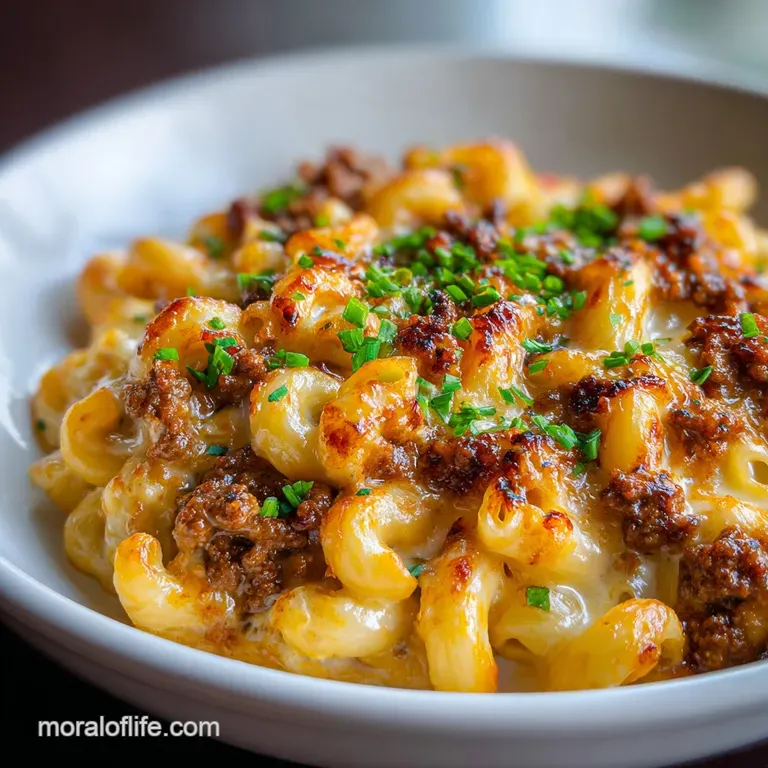
Mix 1/2 cup panko, 1 tbsp melted butter, and 1/4 cup parmesan in a small bowl. Sprinkle this evenly over the macaroni.
8. Final Golden Bake
Place the skillet under the broiler for 3-4 minutes until the topping is golden brown and crackling. Watch it closely as panko burns quickly!
Common Pitfalls and Solutions
Fixing a Grainy Sauce
If your homemade mac and cheese ground beef feels gritty on the tongue, it’s usually because the heat was too high. High heat causes the proteins in the cheese to clump together and squeeze out the fat.
To fix this, remove from heat and whisk in a splash of cold milk or a bit more pasta water to lower the temperature and re emulsify the fats.
Preventing Dry Leftovers
Pasta is like a sponge; it will continue to soak up liquid as it sits. If your ground beef mac and cheese casserole looks dry after mixing, don't be afraid to add a little more milk before you put it under the broiler. It should look slightly "too wet" before it hits the oven.
| Problem | Root Cause | Solution |
|---|---|---|
| Greasy surface | Beef wasn't drained well | Drain fat thoroughly before adding milk. |
| Bland flavor | Not enough salt in pasta water | Salt your water like the sea before boiling. |
| Mushy noodles | Pasta was overcooked | Boil 2-3 minutes less than package directions. |
- ✓ Grate your own cheese from a block for a smoother melt.
- ✓ Save more pasta water than you think you need.
- ✓ Let the beef get a real crust before breaking it up.
- ✓ Use a heavy bottomed pan to prevent the milk from scorching.
- ✓ Don't skip the dry mustard; it provides a necessary sharp counterpoint to the fat.
Flavor Variations and Tweaks
For a quick change, try making a ground beef mac and cheese with tomatoes. Just add a 14 oz can of diced tomatoes (drained) when you add the garlic. It adds a lovely acidity that cuts through the richness. If you want something with a bit more kick, use pepper jack cheese instead of cheddar.
If you are looking for a lower carb option, you might consider the flavor profile of a Keto Broccoli Casserole recipe, where you can swap some of the pasta for steamed broccoli florets. It still feels indulgent but adds a punch of nutrition.
- Halving the recipe: Use a smaller skillet and reduce the bake time by 5 minutes. Use half an egg to bind the panko if needed.
- Doubling for a crowd: Increase spices by only 1.5x to avoid overpowering the dish. Use a large 9x13 baking dish instead of a skillet.
- Baking adjustment: If doubling, lower the oven temp to 350°F and bake for 20 minutes before broiling.
| Premium | Budget | Flavor Impact | Savings |
|---|---|---|---|
| Gruyère cheese | Extra Sharp Cheddar | Slightly less nutty | Save $5-7 |
| Ground Wagyu | 90/10 Lean Beef | Less rich mouthfeel | Save $10-15 |
| Fresh Brioche crumbs | Panko breadcrumbs | Less buttery | Save $3 |
Storing and Using Scraps
Store leftovers in an airtight container in the fridge for up to 4 days. When reheating, add a tablespoon of milk to the bowl before microwaving to restore the creamy texture. This dish also freezes surprisingly well for up to 3 months.
Thaw it overnight in the fridge before reheating in a covered dish at 325°F.
Don't toss those leftover bits! If you have a small amount of beef and sauce left, it makes an incredible filling for a grilled cheese sandwich the next day. You can also thin out leftovers with a bit of beef broth to create a "Cheeseburger Soup" that is absolutely fantastic on a cold afternoon.
Side Dishes for Balancing
Since this dish is quite heavy, I usually pair it with something bright and crisp. A simple green salad with a lemon vinaigrette works wonders. If you want something heartier, roasted green beans with a bit of garlic and red pepper flakes provide a nice snap that clears the palate between bites of the rich pasta.
You could also serve this alongside some steamed peas or a simple slaw. The goal is to provide a textural contrast to the soft macaroni and the velvety sauce. Honestly, don't even bother with a heavy dessert you likely won't have room!
It's the kind of meal that leaves everyone at the table quiet, focused, and ultimately, very satisfied.
Debunking Common Kitchen Myths
A common misconception is that you must rinse your pasta to stop the cooking process. In reality, rinsing washes away the surface starch that helps the cheese sauce cling to the noodles. Just drain it and move straight to the sauce.
Another myth is that you need to sear the beef to "seal in the juices." Searing is actually for the Maillard reaction creating those brown, flavorful compounds. The juices will still move, but the flavor will be vastly superior if you let that crust develop.
Trust the process and let the beef sit undisturbed in the pan for a few minutes before you start breaking it up.
Mac and Cheese with Ground Beef FAQs
Can I put ground beef in mac and cheese?
Yes, absolutely. Adding browned ground beef to macaroni and cheese creates a hearty, savory dish that’s a step above the classic. It transforms simple mac and cheese into a complete, satisfying meal by incorporating protein and a rich, meaty flavor.
What meat goes well with mac and cheese?
Ground beef is a fantastic choice. Other meats that pair well include shredded chicken, pulled pork, or even crumbled bacon. The key is to choose a meat that offers a savory flavor profile that complements the creamy, cheesy sauce without overpowering it.
What does Gordon Ramsay put in his mac and cheese?
Gordon Ramsay’s mac and cheese often features a blend of high-quality cheeses like Gruyère and sharp cheddar, along with heavy cream for richness. He emphasizes a perfectly smooth, emulsified sauce and a crisp topping, sometimes using panko breadcrumbs.
His focus is on achieving luxurious texture and deep flavor.
What can I add to macaroni and cheese to make it better?
Consider adding browned ground beef or caramelized onions for depth. Other popular additions include crispy bacon, sautéed mushrooms, or a dash of smoked paprika for a smoky kick.
For a touch of acidity that cuts through the richness, a squeeze of lemon juice or a tablespoon of Dijon mustard works wonders.
How do I ensure my ground beef mac and cheese sauce is creamy and not oily?
Use a stabilizer like cream cheese and reserve pasta water. Cream cheese adds extra proteins that help emulsify the sauce, preventing the fats from separating and creating an oily sheen. Starchy pasta water acts as a binder, creating a smoother, more cohesive sauce.
Should I brown the ground beef until it's very dark?
Yes, aim for a deep mahogany crust on the beef. This browning, known as the Maillard reaction, develops complex, savory flavors that are crucial for a well rounded mac and cheese dish. Achieving this deep sear is similar to the technique used for a deep, seasoned taco meat where the crust is everything.
How can I prevent my pasta from becoming mushy in baked mac and cheese?
Cook the pasta two minutes less than the package directions. This allows the pasta to finish cooking in the oven while absorbing the sauce, preventing it from becoming overly soft or gummy. It’s a technique that helps maintain a pleasant chewiness.
Beef Mac Cheese
Ingredients:
Instructions:
Nutrition Facts:
| Calories | 642 kcal |
|---|---|
| Protein | 38g |
| Fat | 28g |
| Carbs | 56g |
| Fiber | 3g |
| Sugar | 6g |
| Sodium | 710mg |
