Blueberry Coffee Syrup
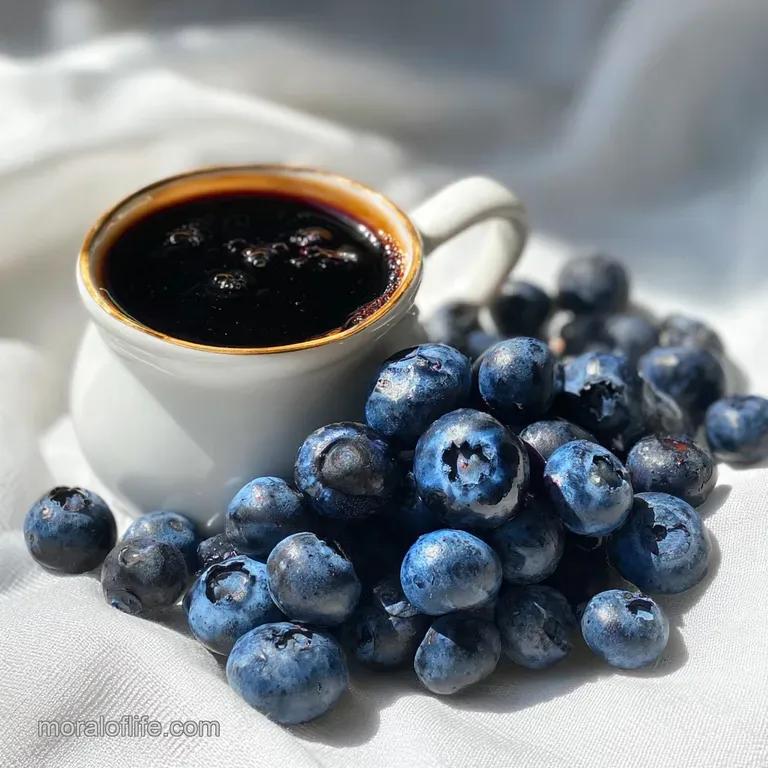
- Time: Active 5 mins, Passive 10 mins, Total 15 minutes
- Flavor/Texture Hook: Silky indigo syrup with a bright, zingy finish
- Perfect for: Morning lattes, weekend brunch, or gifts for coffee loving neighbors
- Crafting the Most Vibrant Homemade Blueberry Coffee Syrup at Home
- Key Metrics for a Dependable Kitchen Success
- The Science of Extracting Deep Indigo Berry Essence
- Curating Your Minimalist Pantry for Bold Berry Flavor
- Essential Tools for a Smooth No Stress Cooking Process
- Step-by-Step Guide to Achieving a Silky Indigo Texture
- Navigating Common Texture and Flavor Balance Hurdles
- Clever Adaptations for Every Diet and Flavor Profile
- Best Practices for Preserving and Reheating Your Batch
- Inspiring Ways to Utilize Your Fresh Syrup Every Morning
- Recipe FAQs
- 📝 Recipe Card
Crafting the Most Vibrant Homemade Blueberry Coffee Syrup at Home
The aroma of blueberries bursting against a warm saucepan is one of those kitchen smells that makes a house feel like a home. For a long time, I thought getting that deep, coffee shop indigo color required some kind of lab made extract or weird dyes. I was wrong.
It turns out, all you need is a bit of heat, a splash of water, and a pinch of patience to make a Blueberry Coffee Syrup that actually tastes like the fruit it came from.
If you have ever stared at a dull, brownish syrup and wondered where you went wrong, you are not alone. I’ve had my fair share of "blueberry jams" that were too thick to pour and "sugar waters" that lacked any real berry punch.
We are going for something in between a fluid, pourable essence that swirls into your milk like a watercolor painting. This is the kind of recipe you can repeat with confidence every single week.
I’ve found that using this syrup is the easiest way to feel a little fancy without the effort. Whether you are stirring it into a cold brew or drizzling it over a stack of pancakes on a slow morning, the results are always consistent.
It is a dependable staple that makes your daily caffeine routine feel like a treat rather than just a necessity.
Key Metrics for a Dependable Kitchen Success
The magic of this recipe lies in the balance between the fruit and the sweetener. We aren't making a preserve here; we are making a syrup for coffee, which means it needs to be thin enough to dissolve instantly but concentrated enough to stand up to the bold bitterness of your favorite roast.
Osmotic pressure: The sugar crystals pull moisture out of the berry cells, creating a natural juice base without needing to dilute the flavor with too much extra water. This ensures the fruit essence is the star of the show.
Pectin activation: Blueberries naturally contain pectin, which thickens the liquid slightly as it simmers, providing that velvety mouthfeel we love in a high-quality latte.
| Method | Time | Texture | Best For |
|---|---|---|---|
| Fresh Berry Simmer | 15 minutes | Silky and bright | Iced lattes and cold foam |
| Frozen Berry Infusion | 18 minutes | Deep and jammy | Hot coffee or stirred drinks |
| Quick Mash Technique | 12 minutes | Rustic and textured | Topping waffles or yogurt |
Using frozen berries is a total lifesaver on a busy Tuesday, but they do release a bit more water. If you choose that route, just give it an extra minute or two on the stove to reach that signature "clinging to the spoon" consistency.
The Science of Extracting Deep Indigo Berry Essence
When we cook fruit with sugar, we are doing more than just heating things up. We are managing the structure of the berry itself. To get that clear, vibrant syrup, we want to avoid over boiling, which can turn the color from a bright purple to a muddy grey.
| Component | Science Role | Pro Secret |
|---|---|---|
| Granulated Sugar | Humectant/Preservative | Keeps the syrup fluid and prevents mold growth over time. |
| Lemon Zest | pH Balancer | The acidity brightens the color and balances the sugar's sweetness. |
| Fine Sea Salt | Flavor Enhancer | Suppresses bitterness in coffee while making the berry taste "more like itself." |
By keeping the heat at a steady simmer rather than a rolling boil, we preserve the volatile aromatic compounds that make blueberries smell so floral. If you go too high, you lose those delicate notes and end up with a syrup that just tastes "purple" and sugary.
Curating Your Minimalist Pantry for Bold Berry Flavor
You don't need a pantry full of specialty extracts to make a world class syrup. In fact, keeping it simple is usually better. I always reach for filtered water because tap water with high mineral content can sometimes dull the vibrant acidity of the berries.
- 1 cup (150g) blueberries: Fresh or frozen work perfectly here. Why this? They provide the base flavor, natural color, and essential pectin for body.
- 1/2 cup (100g) granulated sugar: Standard white sugar allows the fruit flavor to shine. Why this? It creates a clean sweetness without the molasses notes of brown sugar.
- 1/2 cup (120ml) filtered water: This is our solvent to dissolve the sugar. Why this? Ensures a clear, pourable consistency that won't seize up in cold drinks.
- 1/2 tsp (2.1g) pure vanilla extract: Added at the very end. Why this? It adds a creamy, floral depth that bridges the gap between fruit and coffee.
- 1 pinch (0.1g) fine sea salt: Just a tiny bit. Why this? Salt is the secret to making fruit flavors pop and cutting through milk fat.
- 1/2 tsp (1g) lemon zest: Freshly grated is best. Why this? The oils in the zest provide a bright top note that mimics "freshness."
If you're out of white sugar, you can use honey, but keep in mind it will change the flavor profile significantly. Honey brings a floral, earthy note that can sometimes clash with the more delicate blueberry aromas.
Essential Tools for a Smooth No Stress Cooking Process
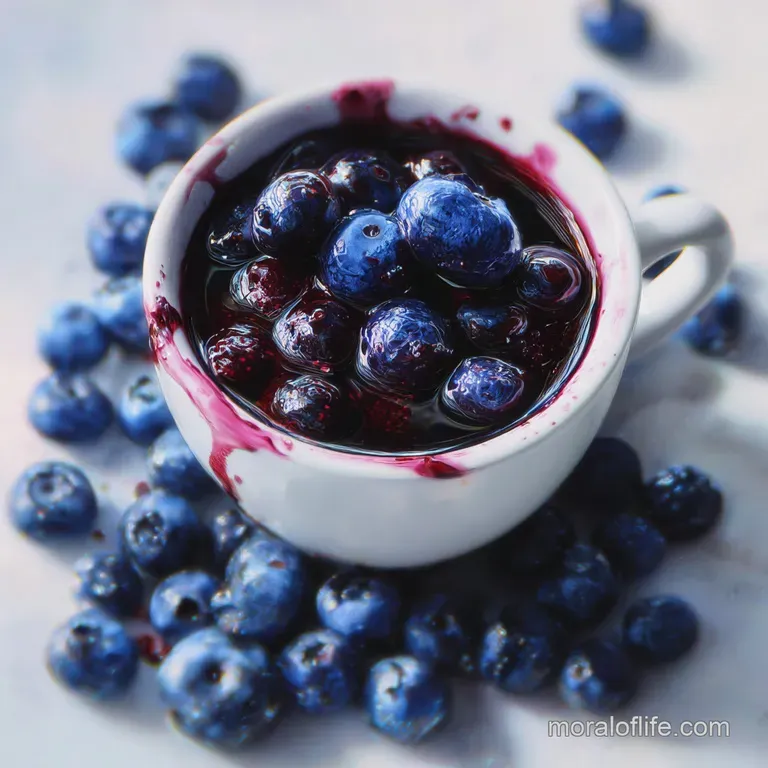
I’m a big believer in the "minimal tools" philosophy. You don't need a fancy syrup kit. A simple small saucepan is your best friend here. I prefer stainless steel or enamel coated pans because they allow you to see the color of the syrup changing as it cooks, which is your best visual cue for doneness.
You will also want a fine mesh strainer. If you like a "rustic" syrup with bits of fruit, you can skip this, but for coffee, a smooth liquid is much better. It prevents your straw from getting clogged and looks much cleaner in the glass. A simple glass jar for storage is the final piece of the puzzle.
I usually just reuse an old jelly jar that’s been thoroughly cleaned.
One trick I’ve learned is to use a potato masher right in the pot. It’s way faster than trying to use a fork and ensures every single berry is popped to release its juice. It’s one of those little shortcuts that makes the "weeknight" prep go so much faster.
step-by-step Guide to Achieving a Silky Indigo Texture
- Combine ingredients. Place the blueberries, sugar, water, and lemon zest in a small saucepan. Note: Mixing them cold helps the sugar dissolve more evenly as it heats.
- Apply medium heat. Bring the mixture to a gentle simmer until the sugar is completely dissolved and the water is tinted light blue.
- Burst the berries. Use a spoon or potato masher to press down on the fruit until the liquid turns a deep, dark indigo.
- Simmer steadily. Let the mixture bubble softly for about 8 to 10 minutes until the liquid reduces slightly and coats the back of a spoon.
- Remove from heat. Take the pan off the burner immediately. Note: Overcooking at this stage can lead to a jam like consistency.
- Add finishers. Stir in the vanilla extract and the pinch of sea salt until well combined and fragrant.
- Strain the solids. Pour the hot liquid through a fine mesh sieve into a heat proof bowl until only the skins and seeds remain in the strainer.
- Press the pulp. Use the back of a spoon to push on the solids in the strainer until you’ve extracted every last drop of flavorful syrup.
- Cool completely. Let the syrup sit at room temperature for at least 20 minutes until it is no longer steaming.
- Transfer and store. Pour the finished syrup into a clean glass jar and seal tightly.
Chef's Tip: If you want an even deeper flavor, let the berries sit in the sugar and lemon zest for 10 minutes before adding the water. This "macerating" process draws out the pigment more effectively, resulting in a much darker indigo color.
Navigating Common Texture and Flavor Balance Hurdles
Even the simplest recipes can go sideways if you aren't paying attention. The most common issue I see is people being afraid to boil the mixture. If it doesn't simmer, the flavors won't meld and the syrup will taste like watery sugar.
On the flip side, if you boil it like a madman, you'll end up with a sticky mess that's hard to pour.
Why Your Syrup Is Too Thin
If your syrup feels more like flavored water than a true syrup, it usually means it didn't reduce enough. The water needs time to evaporate so the sugar and fruit juices can concentrate. It might look thin when it's hot, but remember that it will thicken significantly as it cools in the fridge.
Eliminating Bitter Aftertastes
If you notice a slight bitterness, it could be from the lemon zest. Make sure you are only grating the yellow part of the skin; that white part underneath (the pith) is incredibly bitter and can ruin a delicate syrup. Also, ensure your blueberries are ripe.
Underripe berries have a tannic quality that coffee only amplifies.
| Problem | Root Cause | Solution |
|---|---|---|
| Syrup turned to jelly | Over simmered/too much pectin | Stir in 1 tbsp of hot water to thin it out while warm. |
| Cloudy appearance | Pressed too hard on solids | Strain a second time through cheesecloth or a coffee filter. |
| Weak berry flavor | Berries weren't crushed enough | Use a masher to ensure every berry is fully obliterated during simmer. |
- ✓ Always use a clean spoon when scooping from the jar to prevent spoilage.
- ✓ Don't skip the salt - it acts as a bridge between the fruit and the coffee bean.
- ✓ If using frozen berries, don't thaw them first; just throw them straight in the pot.
- ✓ Keep the simmer "lazy" - small bubbles around the edges are better than a rolling boil.
Clever Adaptations for Every Diet and Flavor Profile
Sometimes you want to switch things up. This base recipe is incredibly forgiving. If you’re looking to cut back on sugar, you can experiment with alternatives, but be aware that the texture will change.
I’ve tried this with allulose, and while the flavor was great, it didn't have that same syrupy "cling" that real sugar provides.
For those who love a bit of a twist, adding a sprig of fresh basil or thyme during the simmering process can create a sophisticated, botanical version of this blueberry coffee syrup. Just remember to fish the herbs out before you bottle it up. You can also play with the coffee itself this syrup is a fantastic addition to our Bulletproof Coffee recipe if you want a fruity, creamy morning boost.
| Original Ingredient | Substitute | Why It Works |
|---|---|---|
| Granulated Sugar | Maple Syrup | Adds a woodsy, caramel like depth. Note: Will result in a much darker, brownish color. |
| Blueberries | Raspberries | Similar pectin content. Note: Much more tart; may need an extra tablespoon of sugar. |
| Lemon Zest | Lime Zest | Provides a more "tropical" citrus note. Note: Stronger aroma than lemon. |
If you are looking for a frothy, social media worthy drink, try whisking this syrup into the base of our Dalgona Coffee recipe. The indigo color creates a stunning contrast against the tan coffee foam.
Best Practices for Preserving and Reheating Your Batch
Because this is a homemade product without the heavy preservatives found in commercial bottles, you need to treat it with a little more care. It will stay fresh in the refrigerator for about 2 weeks. I like to keep mine in a glass bottle with a pour spout for easy morning access.
If you find that your syrup has crystallized in the fridge (this happens sometimes if the sugar wasn't fully dissolved), don't toss it! You can simply place the jar in a bowl of warm water for a few minutes, and the crystals will melt right back into the liquid. It's a normal part of working with real ingredients.
- Storage
- Keep in an airtight glass container in the coldest part of your fridge.
- Freezing
- You can freeze this in ice cube trays! Once frozen, pop the indigo cubes into a freezer bag. They are perfect for dropping into iced coffee or lemonade during the summer. They'll keep for about 3 months.
- Zero Waste
- Don't throw away the leftover blueberry pulp from the strainer! It is essentially a quick jam. Stir it into your morning oatmeal, swirl it into yogurt, or spread it on a piece of toast. It's packed with flavor and fiber.
Inspiring Ways to Utilize Your Fresh Syrup Every Morning
While this was designed as a blueberry syrup for coffee, its uses in the kitchen are nearly endless. My favorite way to use it on a normal Tuesday is a "Blueberry Iced Latte." Fill a glass with ice, add two tablespoons of the syrup, pour in your milk of choice, and top with two shots of espresso.
The way the blue syrup swirls into the white milk before the coffee hits is honestly better than any television commercial.
But don't stop at coffee. This syrup is a fantastic base for a "Blueberry Cold Foam." Just mix a tablespoon of syrup with some heavy cream and froth it up until it’s thick and pillowy. Plop that on top of a cold brew, and you have a cafe quality drink for a fraction of the price. If you want to go even bolder, it pairs surprisingly well with the airy texture of our Whipped Coffee recipe.
Another great trick is using it as a glaze for baked goods. If you have some leftover muffins or a plain pound cake, a little drizzle of this syrup adds a punch of color and flavor that makes everything feel intentional.
It’s a dependable, versatile tool in any home cook's arsenal, and once you start making it, you’ll find yourself reaching for that jar every single day. Trust me, once you go homemade, those plastic bottles at the store just won't cut it anymore.
Recipe FAQs
Is blueberry syrup good in coffee?
Yes, it's excellent in coffee. Blueberry syrup adds a bright, fruity note that complements the bitterness of coffee without overpowering it. It's perfect for lattes, cold brew, and even hot coffee.
Why is Smucker's blueberry syrup discontinued?
Manufacturers often discontinue products due to changing market demand, production costs, or ingredient availability. While Smucker's hasn't given a specific reason for this particular discontinuation, these factors are common across the food industry.
What is the healthiest syrup to put in coffee?
Opt for syrups made with simple ingredients, ideally with minimal added sugar. Homemade syrups using real fruit and a modest amount of sweetener are generally healthier than commercially produced ones laden with artificial flavors and high fructose corn syrup.
How to make Dunkin blueberry syrup?
Combine blueberries, sugar, and water in a saucepan. Simmer until the sugar dissolves and the mixture reduces slightly, then strain out the solids and add vanilla extract and salt. For a Dunkin' style flavor, consider adding a touch of almond extract along with vanilla.
Can I use frozen blueberries to make coffee syrup?
Yes, frozen blueberries work well for making coffee syrup. They tend to release more moisture, so you might need to simmer the mixture for an extra minute or two to achieve the desired consistency.
How long does homemade blueberry syrup last?
Homemade blueberry syrup typically lasts for about 2 weeks when stored in an airtight container in the refrigerator. Proper storage is key to maintaining freshness and preventing spoilage.
Can I make blueberry syrup without straining?
Yes, you can make it without straining if you prefer a rustic texture. Leaving the fruit pulp in will result in a thicker, more jam-like syrup, which can be delicious spooned over pancakes or yogurt, but may not pour as smoothly into coffee.
Blueberry Coffee Syrup
Ingredients:
Instructions:
Nutrition Facts:
| Calories | 30 kcal |
|---|---|
| Protein | 0.1 g |
| Fat | 0.03 g |
| Carbs | 7.6 g |
| Fiber | 0.1 g |
| Sugar | 7.2 g |
| Sodium | 3 mg |
