Broiled Chicken Thighs: Smoky & Succulent
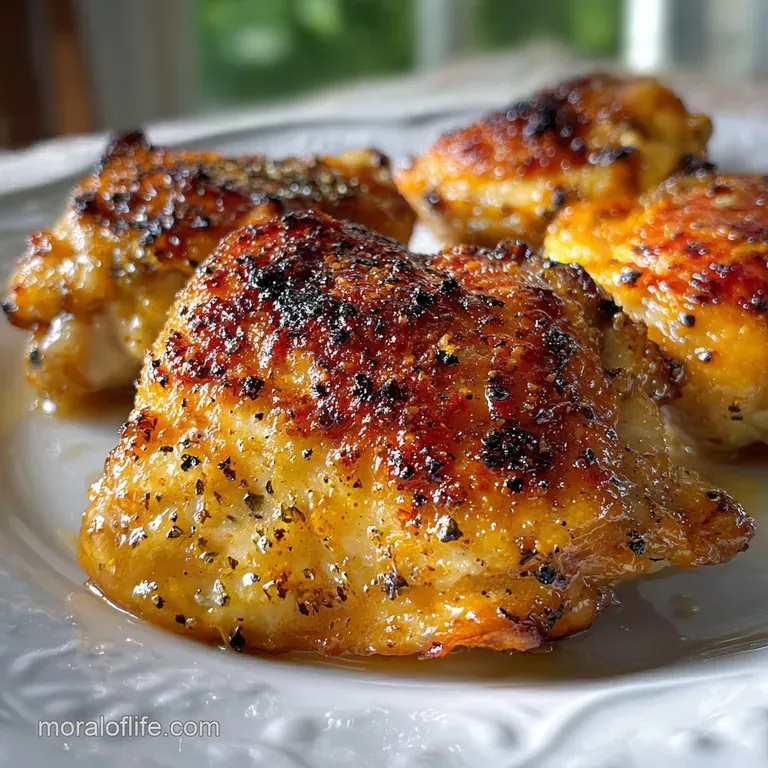
- Time: Active 10 minutes, Passive 12 minutes, Total 22 minutes
- Flavor/Texture Hook: Shatter crisp exterior with a smoky, garlicky finish
- Perfect for: Busy weeknight dinners and high protein meal prep
- Fast Crispy Broiled Chicken Thighs For Weeknights
- Science Behind High Heat Searing
- Precision Metrics for Success
- Selecting Your Pantry Staples
- Essential Tools for Even Heat
- Step by Step Heat Control
- Fixing Common Broiler Mistakes
- Flavor Variations and Swaps
- Storing and Reusing Leftovers
- Dependable Sides for Quick Meals
- Broiled Chicken Thighs FAQs
- 📝 Recipe Card
Fast Crispy Broiled Chicken Thighs For Weeknights
Honestly, there was a time I feared the broiler. I used to think of it as a "set it and forget it and watch your kitchen fill with smoke" button. But after a few charred disasters and a lot of trial and error, I realized it is the most dependable tool for getting that outdoor grill sizzle without actually stepping outside.
When you want dinner on the table in under 30 minutes, this broiled chicken thighs recipe is the one I repeat with confidence every single week.
The secret isn't fancy equipment, it is just about managing the distance between the heat and the meat. We are looking for that specific moment where the fat begins to bubble and pop, creating a crust that is almost structural.
It is the kind of meal that makes a Tuesday feel like a win, especially when you hear that first crunch as you slice into it.
We have all been there, staring at a pack of chicken at 6:00 PM, wondering how to make it interesting without spending two hours in the kitchen. This recipe solves that by using a over high heat dry rub that caramelizes instantly.
Trust me on this, once you nail the rack height, you will never look at your broiler the same way again.
Science Behind High Heat Searing
Inside this section, we look at the physics of the oven. Understanding how heat moves helps you prevent the dreaded "burnt on the outside, raw on the inside" scenario that plagues many home cooks.
- Maillard Reaction: Intense infrared heat triggers a chemical reaction between amino acids and reducing sugars, creating the savory, browned crust we crave.
- Thermal Radiation: Unlike baking, which uses hot air, broiling uses direct light like waves to vibrate surface molecules, resulting in rapid moisture evaporation.
- Fat Rendering: The high temperature liquefies the intramuscular fat, which then acts as a frying medium for the surface spices.
The Science of Why it Works
Intense infrared heat triggers the Maillard reaction almost instantly, creating a savory crust while the fat prevents the meat from drying out. This direct radiation mimics a charcoal flame, providing a smoky depth without the long cook time.
| Thickness | Internal Temp | Rest Time | Visual Cue |
|---|---|---|---|
| 0.75 inch | 165°F | 5 minutes | Juices run completely clear |
| 1.0 inch | 165°F | 5 minutes | Meat is opaque throughout |
| 1.25 inch | 165°F | 7 minutes | Surface is deeply charred |
Before you start, make sure your oven rack is in the correct position. For most standard ovens, the top rack should be about 5 to 6 inches away from the heating element to prevent flares.
Precision Metrics for Success
To get the most out of your broiled chicken thighs, you need to treat the rub like a laboratory experiment. Each component has a job to do, from the salt that draws out moisture to the sugar that facilitates the char.
| Component | Science Role | Pro Secret |
|---|---|---|
| Brown Sugar | Speeds up caramelization | Sift it to avoid clumps |
| Smoked Paprika | Adds earthy depth | Use a fresh tin for color |
| Kosher Salt | Denatures proteins | Apply 10 mins before cooking |
These proportions are designed to work with the intense heat. If you're looking for a similar flavor profile but have more time to spend in the kitchen, our Roast Whole Chicken recipe uses many of the same spices to achieve a similar shatter crisp skin.
Selecting Your Pantry Staples
You don't need a lot of ingredients for this, but the ones you use must be dependable. We are focusing on a over high heat dry rub that won't slide off the meat the moment it hits the heat.
- 1.5 lbs boneless skinless chicken thighs: These stay much juicier than breasts under high heat. Why this? Higher fat content prevents drying during the intense broiling process.
- Substitute: Bone in thighs (add 5-8 minutes to cook time).
- 2 tbsp extra virgin olive oil: This acts as the glue for our spices. Why this? It helps conduct heat evenly across the uneven surface of the meat.
- Substitute: Avocado oil for an even higher smoke point.
- 1 tsp kosher salt: Use the coarse stuff for a better crust.
- Substitute: Sea salt (use slightly less as it is saltier by volume).
- 0.5 tsp coarse black pepper: Adds a necessary bite.
- 1 tsp smoked paprika: This provides the "grilled" color and aroma.
- 1 tsp garlic powder: Essential for that savory, umami base.
- 0.5 tsp onion powder: Rounds out the garlic without being overpowering.
- 0.5 tsp light brown sugar: The secret to the mahogany char. Why this? It caramelizes faster than white sugar, giving us color before the meat overcooks.
- Substitute: Maple sugar or a pinch of coconut sugar.
Chef's Note: If you find your spices are burning too fast, check the sugar content of your paprika. Some cheaper brands add fillers that scorch easily.
Essential Tools for Even Heat
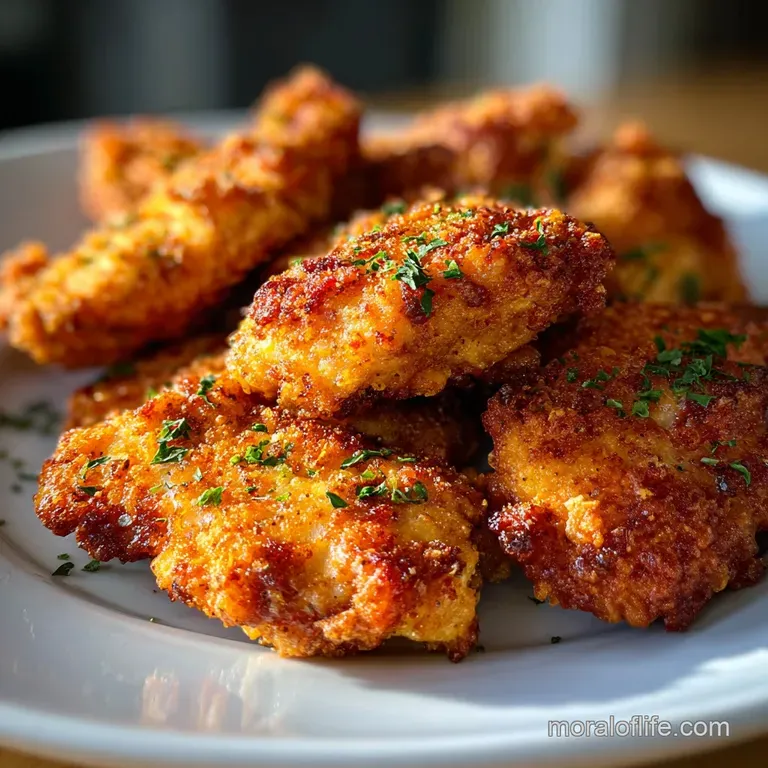
You don't need a kitchen full of gadgets, but a heavy duty pan is non negotiable here. A flimsy sheet pan will warp under the broiler, causing the oil to pool in one corner and leaving half your chicken dry.
- Cast Iron Skillet or Heavy Rimmed Baking Sheet: Cast iron is my favorite because it holds heat so well, effectively searing the bottom of the chicken while the top broils.
- Digital Meat Thermometer: This is the only way to be 100% sure your chicken is safe and succulent.
- Wire Cooling Rack (Optional): If you use a baking sheet, placing a rack inside allows air to circulate under the meat, though it makes cleanup a bit harder.
To Ensure Total Succulence
The biggest mistake I see is people using cold chicken. Take your thighs out of the fridge 15 minutes before you plan to cook them. This takes the chill off the protein fibers, allowing them to cook more evenly rather than seizing up the moment they hit the heat.
step-by-step Heat Control
Let's get into the actual cooking. This process is fast, so have your sides ready to go before the chicken hits the oven.
- Position the rack. Move your oven rack so it sits 5-6 inches below the broiler element. Note: Too close and it burns; too far and it steams.
- Preheat the broiler. Turn it to "High" and let the pan heat up inside for at least 5 minutes.
- Dry the meat. Use paper towels to pat the 1.5 lbs boneless skinless chicken thighs until they are completely dry. Note: Moisture is the enemy of a good sear.
- Mix the rub. Combine the 1 tsp salt, 0.5 tsp pepper, 1 tsp smoked paprika, 1 tsp garlic powder, 0.5 tsp onion powder, and 0.5 tsp light brown sugar in a small bowl.
- Apply the oil. Drizzle the 2 tbsp extra virgin olive oil over the chicken and toss to coat every nook and cranny.
- Season heavily. Sprinkle the spice mix over the chicken. Use your hands to press the spices into the meat so they stick during the flip.
- Arrange the chicken. Carefully place the thighs on the hot pan, smooth side up. You should hear a loud sizzle immediately.
- Broil the first side. Slide the pan under the heat and cook for 6-7 minutes until the edges are charred and bubbling.
- Flip and finish. Use tongs to turn the chicken over. Broil for another 5-6 minutes until the internal temperature reaches 165°F.
- Rest the meat. Remove the pan and let the chicken sit for 5 minutes. This allows the internal juices to redistribute.
For those days when you don't want to heat up the big oven, you can achieve a similar texture with our Air Fryer Chicken Thighs recipe, which uses rapid air circulation to mimic the broiler's intensity.
Fixing Common Broiler Mistakes
Even with a simple recipe, things can go sideways. The broiler is a powerful tool, and it requires your full attention. Do not walk away to check your email once that chicken is in the oven!
If the Surface Chars Too Fast
This usually happens because the rack is too high or the brown sugar was applied too thickly in one spot. If you see the edges turning black before the 5 minute mark, simply slide the rack down one level. The heat will still be intense enough to cook the meat, but it won't be as aggressive on the surface.
If the Chicken Stays Pale
This is often a result of excess moisture. If the chicken wasn't patted dry, it will steam in its own juices rather than searing. You can also try adding an extra half teaspoon of smoked paprika to the rub next time, as the pigments in the paprika help accelerate the visual browning.
| Problem | Root Cause | Solution |
|---|---|---|
| Rub is gummy | Excess moisture on meat | Pat bone dry with paper towels |
| Smoke in kitchen | Fat dripping on element | Use a rimmed pan or cast iron |
| Meat is dry | Overcooked by even 2 mins | Pull at 160°F; rest to 165°F |
Common Mistakes Checklist
- ✓ Never crowd the pan; leave at least an inch between each thigh for airflow.
- ✓ Avoid using glass baking dishes (Pyrex), as they can shatter under the broiler's intense heat.
- ✓ Always preheat your pan to get that immediate bottom sear.
- ✓ Don't skip the sugar; it is the primary driver of that beautiful mahogany color.
- ✓ Use a digital thermometer rather than "eye balling" the doneness.
Flavor Variations and Swaps
Once you have the basic technique down, you can start playing with the flavor profiles. The broiler works well with almost any spice blend as long as there is a little bit of fat and a tiny bit of sugar involved.
For an Easy Broiled Chicken Thighs Mediterranean Twist
Swap the smoked paprika and onion powder for 1 tsp of dried oregano and the zest of half a lemon. Instead of brown sugar, use a drizzle of honey. This creates a bright, herbal crust that pairs beautifully with a cucumber and tomato salad.
For a Spicy Buffalo Version
Omit the paprika and sugar. After the first 6 minutes of broiling, brush the chicken with a mixture of melted butter and hot sauce. Put it back under the broiler for the final 5 minutes.
The sauce will bake onto the meat, creating a velvety, spicy glaze that is much better than traditional wings.
| Fresh | Shortcut | Flavor Impact |
|---|---|---|
| Fresh Garlic Paste | Garlic Powder | Powder distributes more evenly for dry rubs |
| Smoked Paprika | Liquid Smoke | Liquid smoke is much more intense; use sparingly |
| Fresh Herbs | Dried Herbs | Dried herbs stand up better to the broiler's heat |
Storing and Reusing Leftovers
This chicken is a meal prep dream. Because thighs have more fat than breasts, they reheat without turning into rubber. I often make a double batch just to have protein ready for the rest of the week.
- Fridge
- Store in an airtight container for up to 4 days.
- Freezer
- Wrap tightly in foil and place in a freezer bag for up to 3 months.
- Reheating
- Use a toaster oven or air fryer at 350°F for 5 minutes to regain the crispiness. Microwave works in a pinch but the skin will become soft.
Zero Waste Tip: Don't throw away the juices left in the pan! That "liquid gold" is full of rendered fat and spices. Pour it over some steamed rice or use it to sauté a handful of spinach. If you have leftover meat, chop it up cold for a smoky chicken salad with Greek yogurt and celery.
Dependable Sides for Quick Meals
Since the chicken only takes about 12 minutes to cook, you want sides that can keep up. I usually start my side dish before I even preheat the broiler so everything finishes at the same time.
A simple bed of fluffy jasmine rice is the classic choice to soak up the juices. If you want to keep things low carb, a quick batch of roasted asparagus can actually go right on the same pan if you have a large enough sheet.
The high heat of the broiler will blister the asparagus in about 5-6 minutes, which is exactly how long the second side of the chicken takes to cook.
If you are feeling a bit more ambitious, a garlic herb orzo with a squeeze of fresh lemon juice balances the smoky, charred flavor of the chicken perfectly. Whatever you choose, make sure it is ready to go, because this chicken is best served the second it comes out of its 5 minute rest period.
It is the kind of dependable meal that makes everyone at the table happy, even on your busiest days.

Broiled Chicken Thighs FAQs
How long do you broil chicken thighs for?
Typically 11-13 minutes total. Broil for 6-7 minutes on the first side, then flip and broil for another 5-6 minutes until the internal temperature reaches 165°F. The exact time depends on the thickness of the thighs and your broiler's intensity.
Is it better to bake or broil chicken thighs?
Broiling is faster and creates a crispier crust. Baking uses indirect heat, which cooks chicken thighs more slowly and evenly, resulting in a more tender, less charred exterior. Broiling uses direct, intense heat for rapid surface cooking and browning.
How to keep chicken thighs moist when broiling?
Start with bone-in, skin-on thighs and don't overcook. The fat in bone-in, skin-on thighs renders during broiling, basting the meat and keeping it moist. Use a meat thermometer and pull them off once they reach 165°F, then let them rest for 5 minutes.
How many minutes should you broil chicken?
Aim for 11-13 minutes total. This includes about 6-7 minutes for the first side and 5-6 minutes for the second. Always use a meat thermometer to ensure the internal temperature reaches 165°F, as cook times can vary.
Can I use boneless, skinless chicken thighs for broiling?
Yes, but be extra careful not to overcook. Boneless, skinless thighs have less fat and can dry out quickly under the broiler. Ensure they are patted very dry and pull them as soon as they reach an internal temperature of 165°F.
What's the best rack position for broiling chicken thighs?
About 5-6 inches from the broiler element. This distance provides intense enough heat for searing and crisping without burning the surface before the inside is cooked. If you find they're charring too fast, move the rack down slightly.
Can I marinate chicken thighs before broiling?
Yes, but drain them very well first. Excess marinade can cause flare ups and steaming instead of broiling. For a crisp exterior, pat the marinated thighs thoroughly dry with paper towels before placing them under the broiler. If you enjoyed the flavor profiles of a marinade, you might also enjoy the concentrated flavors achieved with a dry rub, similar to our Taco Meat Recipe: Mahogany Finish.
Broiled Chicken Thighs
Ingredients:
Instructions:
Nutrition Facts:
| Calories | 287 kcal |
|---|---|
| Protein | 31.8 g |
| Fat | 17.4 g |
| Carbs | 1.2 g |
| Fiber | 0.3 g |
| Sugar | 0.6 g |
| Sodium | 615 mg |
