Caldo De Pollo Recipe
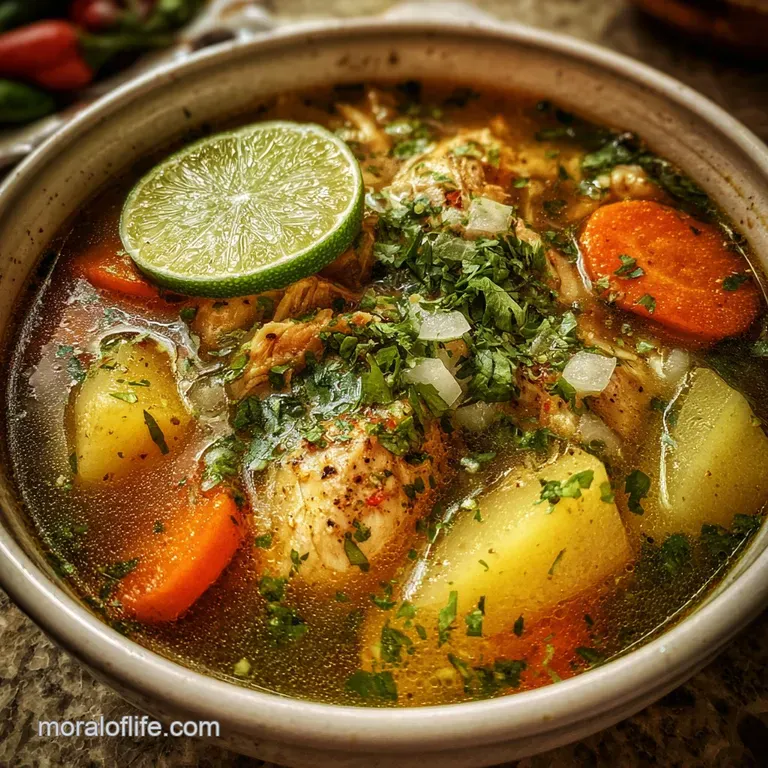
- Time: Active 15 minutes, Passive 45 minutes, Total 1 hour
- Flavor/Texture Hook: Savory, golden liquid with tender, velvety vegetables
- Perfect for: A dependable weeknight dinner that feels like a Sunday feast
- Why You'll Love This Caldo De Pollo Recipe
- The Science of the Golden Extract
- Component Analysis for the Perfect Pot
- Essential Tools for a Normal Tuesday
- From Cold Pot to Simmering Bowl
- Keeping the Broth Clear and Flavorful
- Feeding a Crowd or Cooking Alone
- Debunking Traditional Soup Making Myths
- Saving Scraps and Leftover Storage
- The Ultimate Signature Garnish Bar
- Very High in Sodium
- Caldo de Pollo Recipe FAQs
- 📝 Recipe Card
Why You'll Love This Caldo De Pollo Recipe
The first time I truly understood the magic of a caldo de pollo recipe, I was standing in a rain slicked kitchen on a normal Tuesday, feeling like the weight of the week was dragging me down.
I started the pot with cold water and bone in thighs, and within twenty minutes, the aroma of simmering white onion and cilantro began to wrap around the house like a warm wool blanket. There is something deeply primal about the way the steam from this soup clears your head and makes the kitchen feel safe.
This isn't just a "throw everything in" soup; it is a thoughtful process that rewards patience with a crystal clear, golden broth. You will find that the vegetables do not just provide bulk, they offer a rainbow of textures, from the snap of the corn to the buttery softness of the Yukon Gold potatoes.
It is the kind of meal that makes you want to turn off your phone, sit at the wooden table, and just breathe in the steam.
We have all had those watery, bland chicken soups that feel more like a punishment than a meal. This version fixes that by focusing on the bone in, skin on thighs, which provide the essential fats and gelatin needed for a luxurious mouthfeel.
By the time you drop that final bunch of cilantro into the pot, you'll see why this has become my most dependable repeat with confidence meal for family gatherings or solo comfort nights.
The Science of the Golden Extract
Collagen Conversion: Simmering bone in chicken thighs slowly converts tough collagen into gelatin, which gives the broth a velvety body instead of a thin, watery consistency.
Staggered Cooking: Different vegetables have varying starch and fiber densities, so adding them in waves prevents the zucchini from disintegrating while the potatoes are still firm.
Osmotic Balance: Starting with cold water and salt allows the seasoning to penetrate the chicken cells as they heat up, seasoning the meat from the inside out.
| Cooking Method | Cook Time | Texture Outcome | Best For |
|---|---|---|---|
| Stovetop | 45 minutes | Clear broth, crisp tender veggies | Maximum flavor control |
| Oven (Dutch Oven) | 1 hours | Deeply infused, very soft meat | Hands off weekend prep |
| Slow Cooker | 6 hours | Darker broth, fall apart meat | Busy workdays |
The stovetop method remains my favorite because it allows you to skim the impurities off the surface, ensuring that "glass like" clarity that defines a truly professional level soup. While the oven provides a lovely even heat, it can sometimes overcook the delicate greens like cabbage if you aren't hovering nearby.
Component Analysis for the Perfect Pot
| Ingredient | Science Role | Pro Secret |
|---|---|---|
| Chicken Thighs | Fat and Gelatin Source | Leave the skin on during the simmer for a richer yellow hue |
| Chayote Squash | Crispness and Hydration | Absorbs the chicken fat while maintaining a pear like crunch |
| Yukon Gold Potatoes | Starch and Thickness | These hold their shape better than Russets in long simmers |
| Fresh Corn Ears | Natural Sweetness | Cutting them into wheels releases corn milk into the broth |
Selecting the right chicken is non negotiable for an authentic caldo de pollo recipe. I always reach for bone in, skin on thighs because they are nearly impossible to overcook, unlike breasts which turn into sawdust if you look at them wrong. If you want to see how this compares to other methods, you might notice the richness is similar to the base of my Broiled Chicken Thighs recipe, where we focus on rendering that same high-quality fat for flavor.
Essential Tools for a Normal Tuesday
You don't need a kitchen full of gadgets for this, but a heavy bottomed stockpot is your best friend here. A pot with a thick base distributes heat evenly, preventing the bottom vegetables from scorching while the top ones are still cooling.
I personally use an 8 quart stainless steel pot, which gives the 12 cups of water and 3 lbs of chicken plenty of room to circulate without boiling over.
A sharp chef's knife is also vital because you are dealing with some hearty textures. Slicing through corn on the cob requires a steady hand and a blade that won't slip. Don't worry if your vegetable cuts aren't perfectly uniform; part of the charm of a rustic Mexican caldo de pollo recipe is the chunky, hand cut feel of the carrots and squash.
Chef's Tip: Use kitchen twine to tie your cilantro bunch together. This allows you to infuse the broth with all those herbal oils and then pull the whole bundle out easily before serving, leaving a clean broth behind.
| Original Ingredient | Substitute | Why It Works |
|---|---|---|
| Chayote Squash | Zucchini (extra) | Similar mild flavor, though zucchini is softer. |
| Yukon Gold Potatoes | Red Potatoes | Both are waxy and hold their shape well in hot liquid. |
| Sea Salt | Kosher Salt | Provides a clean, sharp saltiness without metallic additives. |
From Cold Pot to Simmering Bowl
Place 3 lbs bone in, skin on chicken thighs into a large stockpot. Add 12 cups filtered water until the chicken is fully submerged. Note: Starting cold extracts more protein into the liquid.
Bring the water to a gentle boil over medium high heat. As the foam rises to the top, use a wide spoon to skim it off until the surface is mostly clear.
Reduce the heat to a simmer. Add the halved white onion, 4 smashed garlic cloves, and 2 tbsp sea salt until the aroma of garlic fills the room.
Add 2 large Yukon Gold potatoes (2 inch chunks) and 3 large carrots (thick rounds). Simmer for 15 minutes until the potatoes are just barely fork tender.
Carefully drop in 2 ears of corn (3 inch wheels) and 1 peeled, cubed chayote squash. Note: The corn adds a subtle sweetness to the savory base.
Place 2 medium zucchini (half moons) and 0.25 head of green cabbage (thick wedges) into the pot. Simmer for 10 minutes until the cabbage starts to soften but retains its structure.
Submerge the bunch of cilantro (tied with twine) into the liquid. Let it steep for 5 minutes until the broth turns slightly fragrant and bright.
Remove the onion halves, garlic cloves, and the cilantro bundle. Taste the broth until the salt level makes the chicken flavor pop.
Serve in large bowls, ensuring every person gets a piece of chicken, a corn wheel, and a mix of all the vegetables.
Keeping the Broth Clear and Flavorful
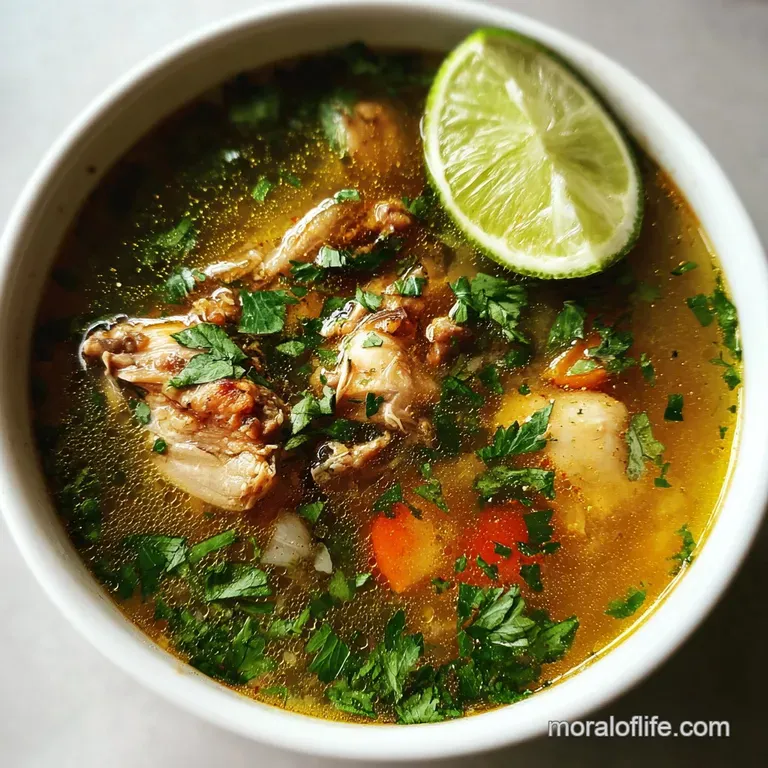
Why is my broth cloudy?
Cloudiness usually happens when the pot is kept at a rolling, aggressive boil. This high heat emulsifies the fats and proteins into the water, creating a milky look. To keep it clear, maintain a "smile" on the surface of the water just a few lazy bubbles breaking every second or two.
This preserves the delicate flavors and prevents the vegetables from being beaten up by the heat.
Why does the chicken feel dry?
Even though it's in liquid, chicken can still dry out if the heat is too high for too long. This is why we use thighs. If you find the meat is tough, it likely means the temperature was hovering too close to a hard boil. Next time, keep the simmer low and slow. It is a similar technique to the one I use in my Slow Cooker Chicken recipe, where low heat is the secret to moisture.
| Problem | Root Cause | Solution |
|---|---|---|
| Mushy Zucchini | Added too early | Add zucchini in the last 10 minutes of cooking only. |
| Greasy Broth | Skin left on too long | Skim the fat off the top with a cold spoon or bread slice. |
| Bland Flavor | Not enough salt | Increase salt by 1/2 tsp at a time; salt is the "volume knob" for chicken. |
Common Mistakes Checklist - ✓ Don't skip the skimming step at the beginning; those grey bubbles are just proteins that make the soup look "dirty." - ✓ Never let the soup reach a hard, rolling boil after the initial heat up.
- ✓ Avoid peeling the potatoes if you want extra nutrients and a more rustic texture. - ✓ Do not over stir the pot; you'll break the zucchini and chayote into a mash. - ✓ Leave the corn on the cob; the cob itself adds incredible depth to the liquid.
Feeding a Crowd or Cooking Alone
When you are scaling this dish up for a big family Sunday, the math isn't just about doubling everything. If you move from 6 servings to 12, don't just double the water to 24 cups. Start with about 20 cups and see if you need more.
Large pots of liquid take much longer to come to temperature, so allow an extra 20 minutes for the initial boil. You'll also want to keep your spices at 1.5x rather than a full 2x to avoid an overpowering saltiness.
If you're cooking for one or two, you can easily halve the recipe. Use a smaller pot so the chicken stays submerged in the 6 cups of water. For the egg trick, if you were adding one, you'd beat it and use half, but since this is a broth based soup, just use one less thigh and keep the vegetable variety the same but in smaller portions. If you have extra veggies, they work beautifully in a side like my Broccoli Casserole recipe.
| Servings | Chicken Thighs | Water Amount | Pot Size |
|---|---|---|---|
| 2 people | 1 lb (2-3 pcs) | 4-5 cups | 3 Quart |
| 6 people | 3 lbs (6 pcs) | 12 cups | 8 Quart |
| 12 people | 5-6 lbs (12 pcs) | 20-22 cups | 16 Quart |
Debunking Traditional Soup Making Myths
One major myth is that you need to sear the chicken before adding water to "seal in juices." In a caldo de pollo recipe, searing actually makes the broth darker and adds a caramelized flavor that detracts from the clean, light profile of an authentic Mexican soup.
The "cold start" method is actually superior for extracting that pure chicken essence without the heavy roasted notes.
Another common misconception is that you need to use store-bought chicken stock to get a "real" flavor. Honestly, if you use bone in thighs and enough salt, the water becomes a better stock than anything you can buy in a carton.
store-bought stocks often have high sodium and "natural flavors" that mask the true taste of the chayote and fresh corn. Trust the bones to do the work for you.
Saving Scraps and Leftover Storage
Fridge Life: This soup actually tastes better on the second day once the flavors have had time to "marry." Store it in an airtight container for up to 4 days. When reheating, do it on the stovetop over medium heat. Microwaving can sometimes make the chicken rubbery and the zucchini explode.
Freezer Guidelines: You can freeze the broth and chicken for up to 3 months. However, be warned: the potatoes and zucchini will change texture significantly after thawing, becoming somewhat spongy.
If you plan to freeze a batch, I recommend freezing just the broth and chicken, then adding fresh veggies when you're ready to eat it.
Zero Waste Tip: Don't throw away the onion skins or carrot peels! Toss them into a freezer bag. Once the bag is full, you can boil them with some peppercorns to make a quick vegetable stock for a different night.
Even the corn cobs can be boiled a second time to extract "corn milk" for a creamy corn chowder.
The Ultimate Signature Garnish Bar
The soup in the pot is only half the story. The true soul of this caldo de pollo recipe comes from the garnish bar you set on the table. In my house, we don't consider the meal started until everyone has their own little piles of lime wedges, chopped serrano peppers, and diced avocado.
The acidity from the lime is what cuts through the richness of the chicken fat, waking up your palate with every spoonful.
I also love to serve this with a side of warm corn tortillas or a small bowl of Mexican red rice. If you're feeling adventurous, a sprinkle of dried Mexican oregano crushed between your palms right before eating adds a floral, earthy note that ties the cabbage and squash together.
It's these little touches the crunch of a fresh radish or the creaminess of the avocado that turn a simple bowl of soup into a meal you'll want to repeat every single week.

Very High in Sodium
1940 mg mg of sodium per serving (84% of daily value)
American Heart Association recommends limiting sodium intake to about 2,300mg per day.
Simple Swaps to Lower Sodium
-
Reduce Added Salt-25%
Halve the amount of sea salt from 2 tbsp to 1 tbsp. This significantly reduces sodium without drastically altering the flavor. You can always add more at the end if needed.
-
Skip the Salt Completely-25%
Eliminate the added sea salt entirely from the recipe. The natural flavors of the chicken, vegetables, and aromatics will create a flavorful broth. You can always add salt to your personal serving if desired.
-
Consider Skinless Chicken-10%
Remove the skin from the chicken thighs before cooking. While it may impact flavor slightly, it reduces overall fat and potentially some sodium content, especially if the skin was pre-seasoned or processed.
-
Enhance with Herbs & Spices
Use a generous mix of fresh and dried herbs and spices like black pepper, garlic powder (check label for sodium), onion powder, bay leaf, thyme, and oregano to boost the flavor profile without adding any sodium.
-
Add More Aromatics
Increase the amount of garlic and onion. These aromatics will enhance the flavor of the dish and reduce the need for salt.
Caldo de Pollo Recipe FAQs
What ingredients do I need for caldo de pollo?
Bone-in, skin-on chicken thighs are essential for a rich, flavorful broth. You'll also need aromatics like onion and garlic, hearty vegetables such as potatoes and carrots, and finishing touches like cilantro. Chicken thighs provide the necessary fat and gelatin for that signature silky texture.
What are some common mistakes to avoid when making caldo de pollo?
Avoid letting the soup boil vigorously after the initial skim; this creates a cloudy broth. Another mistake is overcooking vegetables, leading to a mushy texture. Always skim impurities early on for clarity and simmer gently.
What spices enhance caldo de pollo's flavor?
Fresh cilantro and garlic are key aromatics that significantly boost flavor. While not technically spices, their herbaceous and pungent notes are crucial. A pinch of salt is non-negotiable to make all the other flavors pop.
What vegetables go well in caldo de pollo?
Hearty root vegetables like potatoes and carrots, along with chayote squash and corn, are traditional choices. For a tender texture that holds up, add zucchini and cabbage towards the end of the cooking process. These provide both flavor and varied textures.
How do I ensure my caldo de pollo broth is clear?
Start with a cold water bath and skim impurities diligently. After bringing the water to a boil, reduce the heat to a gentle simmer, often described as a "smile" on the surface. This low and slow cooking method prevents fats and proteins from emulsifying into the broth.
Can I use chicken breasts instead of thighs?
No, stick with bone-in, skin-on thighs for the best flavor and texture. Chicken breasts are much leaner and can easily become dry and tough in a soup that simmers for an extended period. Thighs provide the essential gelatin and fat needed for a rich, velvety broth.
How can I make caldo de pollo richer without adding cream?
Use bone-in, skin-on chicken thighs exclusively. The collagen from the bones and the fat from the skin render during simmering, creating a naturally luxurious and silky broth. This process is fundamental to achieving that signature richness without any dairy, similar to how a good Instant Pot Risotto Recipe: No-Stir Velvety Grains gets its creamy texture from starch release.
Caldo De Pollo Recipe

Ingredients:
Instructions:
Nutrition Facts:
| Calories | 632 kcal |
|---|---|
| Protein | 42 g |
| Fat | 31 g |
| Carbs | 38 g |
| Fiber | 6 g |
| Sugar | 9 g |
| Sodium | 1940 mg |
