Easy Quick Meal with Chicken and Pasta: Garlic Butter
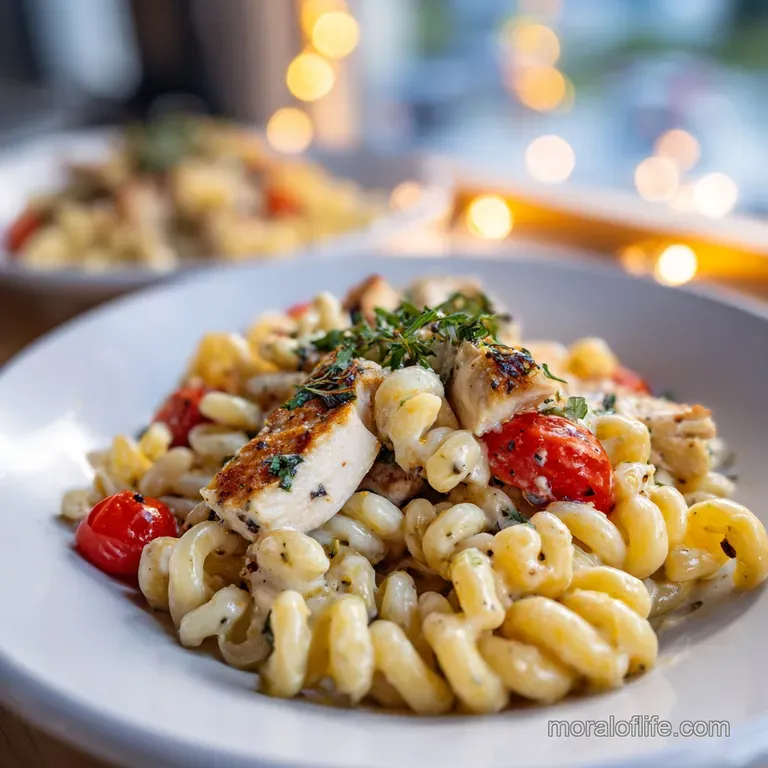
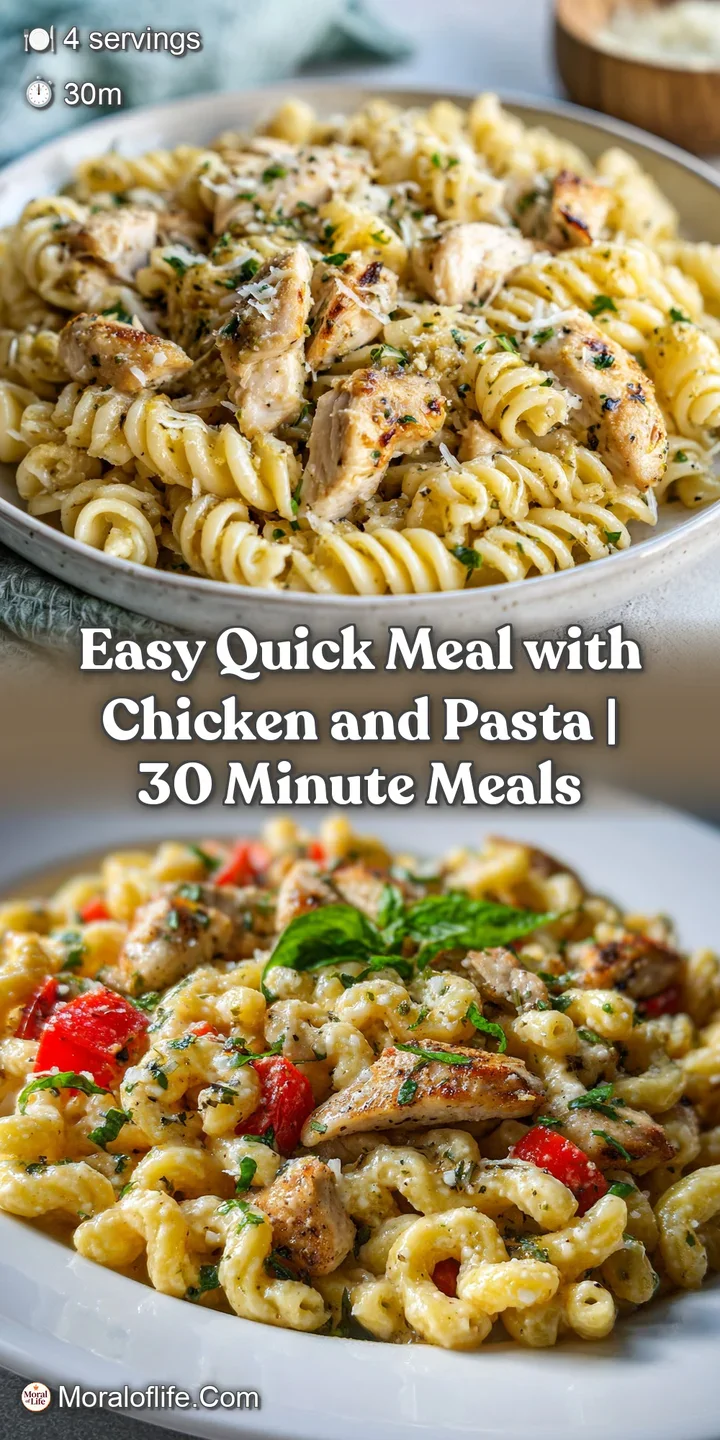
- Time: Active 10 mins, Passive 20 mins, Total 30 mins
- Flavor/Texture Hook: Zesty garlic and smoky paprika with a velvety, parmesan flecked finish
- Perfect for: High protein weeknight fuel or a beginner friendly date night dinner
- Why This Bold Flavor Combination Works Effectively
- Essential Nutrition and Timing Recipe Specifications
- Selecting Bold Pantry Staples for Deep Flavor
- Essential Kitchen Tools for Efficient Cooking
- Clear Step-By-Step Instructions for Culinary Success
- Solving Common Kitchen Hurdles with Ease
- Creative Ingredient Twists and Smart Substitutions
- Scaling and Adjusting for Groups
- Debunking Common Kitchen Myths
- Longevity and Reheating Guidelines
- Vibrant Side Dishes for a Balanced Meal
- Recipe FAQs
- 📝 Recipe Card
Why This Bold Flavor Combination Works Effectively
- Maillard Reaction: Searing the 1.5 lbs of chicken at a high temperature creates a complex, savory crust that provides a deep contrast to the soft pasta.
- Starch Emulsification: The 0.5 cup of reserved starchy pasta water acts as a natural thickener, binding the 4 tbsp of melted butter and 0.5 cup of Parmesan into a cohesive, glossy coating.
- Acid Balance: Adding 1 tbsp of fresh lemon juice at the very end cuts through the richness of the butter and cheese, brightening the entire flavor profile.
- Carryover Heat: Finishing the pasta in the pan with the sauce allows the noodles to absorb the garlic and chicken juices without becoming mushy.
The Science of the Emulsion When you whisk starchy water into melted butter and cheese, the starch molecules act as stabilizers that prevent the fat from separating. This creates a creamy texture through physics rather than adding heavy dairy.
| Cooking Method | Active Time | Resulting Texture | Best For |
|---|---|---|---|
| Stovetop (This Recipe) | 10 mins | Crispy chicken, glossy sauce | Maximum flavor and speed |
| One Pot Method | 5 mins | Softer chicken, thicker sauce | Minimum dishes, less browning |
| Cold Pasta Salad | 15 mins | Firm pasta, zesty bite | Meal prep and summer lunches |
The stovetop method remains my favorite because that initial sizzle when the chicken hits the pan is irreplaceable. If you are looking for another reliable Dinner recipe, you will find that mastering the pan sear is the quickest way to level up your home cooking game. It is all about managing the heat to get that golden exterior without drying out the meat.
Essential Nutrition and Timing Recipe Specifications
| Component | Science Role | Pro Secret |
|---|---|---|
| Avocado Oil | High smoke point | Allows for a hard sear on chicken without the oil burning or smoking |
| Starchy Water | Emulsifier | Never rinse your pasta; that surface starch is what makes the sauce "stick" |
| Kosher Salt | Protein denaturation | Seasoning the chicken before it hits the pan draws out just enough moisture for a better crust |
| Parmesan Cheese | Umami booster | Use freshly grated cheese; the pre clumped stuff has cellulose that ruins the silky texture |
Success with this easy quick meal with chicken and pasta comes down to timing. You want the pasta to finish boiling exactly when the chicken is done resting, so they can marry in the pan while everything is still piping hot.
Selecting Bold Pantry Staples for Deep Flavor
Building a simple meal with chicken and pasta starts with high-quality basics. You do not need to spend a fortune, but a few smart choices make a massive difference in the final bite.
- 1.5 lbs chicken breast: Cut into uniform 1 inch pieces so they cook at the same rate. Why this? Breast meat stays lean but soaks up the garlic butter beautifully when diced.
- 1 lb dried pasta: I prefer penne or fusilli because the holes and spirals catch the sauce. Why this? Textured shapes provide more surface area for the Parmesan and garlic to cling to.
- 4 cloves garlic: Mince them fresh. Do not use the stuff from a jar. Why this? Fresh garlic has sulfur compounds that provide a sharp, spicy bite that jarred versions lose.
- 1 tsp smoked paprika: This adds a hint of woodsy depth and a beautiful copper color. Why this? It mimics the flavor of a slow roasted bird in just minutes of pan frying.
- 4 tbsp unsalted butter: This is the base of your "cream free" sauce.
- 1 tbsp lemon juice: Always use fresh citrus.
- 0.5 cup Parmesan: Grate it yourself for a velvety melt.
| Original Ingredient | Substitute | Why It Works |
|---|---|---|
| Avocado Oil | Grapeseed Oil | Both have high smoke points; avoids the "burnt" taste of extra virgin olive oil at high heat |
| Chicken Breast | Boneless Thighs | Higher fat content; chicken thighs are more forgiving and stay juicier if overcooked |
| Smoked Paprika | Red Pepper Flakes | Adds heat instead of smokiness; changes the profile to a spicy "Pasta all'Arrabbiata" style |
Essential Kitchen Tools for Efficient Cooking
You do not need a kitchen full of gadgets for this. A large, heavy bottomed skillet is your best friend here. I personally love using a 12 inch cast iron skillet because it holds heat like a champ, ensuring every piece of chicken gets that beautiful brown crust.
If you use a thin, cheap pan, the chicken will likely steam in its own juices rather than searing, and we want to avoid that "gray meat" look at all costs.
A sturdy pair of tongs is also vital. You want to be able to flip the chicken pieces individually to ensure even browning. While the chicken cooks, you will need a large pot for the pasta.
Make sure it is big enough for the 1 lb of pasta to move freely; if the pot is too small, the water becomes too starchy, and the noodles will stick together in a gummy mess.
Chef Tip: Freeze your block of Parmesan for 10 minutes before grating. It makes the cheese firmer and prevents it from clumping or melting against the heat of your hands, giving you those perfect, airy wisps that melt instantly in the pan.
Finally,, keep a liquid measuring cup right next to the stove. It is a visual reminder to snag that 0.5 cup of pasta water before you dump everything into the colander. I cannot tell you how many times I have watched my sauce making dreams go literally down the drain because I forgot to save the water.
Clear step-by-step Instructions for Culinary Success
- Prep the chicken. Pat the 1.5 lbs of chicken breast completely dry with paper towels. Toss with 1 tsp kosher salt, 0.5 tsp cracked black pepper, and 1 tsp smoked paprika. Note: Moisture is the enemy of a good sear.
- Boil the water. Fill a large pot with water and a generous pinch of salt. Bring to a rolling boil and add the 1 lb of dried pasta.
- Sear the chicken. Heat 2 tbsp avocado oil in a large skillet over medium high heat. Add the chicken in a single layer. Cook for 3-4 minutes without moving them until a dark golden crust forms.
- Flip and finish. Turn the chicken pieces and cook for another 3 minutes until the centers are opaque and no longer pink. Remove the chicken from the pan and set aside on a plate.
- Save the liquid gold. Just before the pasta is al dente, dip your measuring cup into the pot and reserve 0.5 cup of the starchy water. Drain the rest of the pasta.
- Sauté the aromatics. In the same skillet used for the chicken, drop in the 4 tbsp unsalted butter. Once it foam sinks, add the 4 cloves of minced garlic. Sauté for 1 minute until fragrant but not brown.
- Build the emulsion. Pour the 0.5 cup of reserved pasta water into the skillet with the garlic butter. Whisk vigorously over medium heat for about 2 minutes until the liquid slightly thickens and looks glossy.
- Combine. Toss the drained pasta into the skillet. Sprinkle in the 0.5 cup of Parmesan cheese and 1 tbsp of lemon juice. Toss constantly until the cheese melts into a silky coating.
- The final marriage. Fold the cooked chicken (and any juices from the plate) back into the pasta. Stir in the 0.25 cup of fresh parsley.
- Adjust and serve. If the sauce looks too thick, add a splash more water. If too thin, another handful of cheese usually does the trick. Serve immediately while the sauce is at its peak silkiness.
Solving Common Kitchen Hurdles with Ease
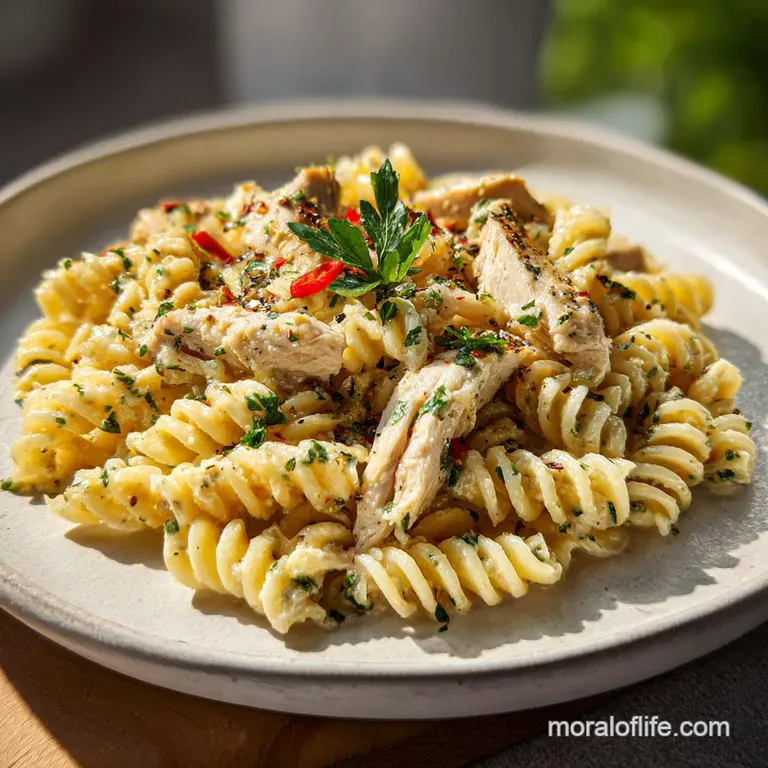
Why Your Sauce Is Oily
Sometimes the fat separates from the water, leaving you with a puddle of oil at the bottom of the bowl. This usually happens if the pan is too hot when you add the cheese or if you did not whisk the pasta water and butter together well enough.
The starch in the water is what holds it all together, so make sure you are using water from the very end of the pasta's cooking time when it is at its cloudiest.
Why Your Chicken Is Rubbery
If you find the chicken is tough or rubbery, you likely overcooked it. Chicken breast is lean and dries out fast. Aim to pull it off the heat the moment it hits 165°F.
If you do not have a meat thermometer, look for the "bounce" the meat should feel firm but have a little give when pressed with a finger, similar to the fleshy part of your palm.
| Problem | Root Cause | Solution |
|---|---|---|
| Clumpy Cheese | Added too fast to high heat | Remove pan from heat before stirring in Parmesan; add in small handfuls |
| Bland Flavor | Not enough salt in pasta water | Ensure the boiling water tastes "like the sea" before adding noodles |
| Dry Pasta | Pasta absorbed all the sauce | Add a splash of warm water or an extra knob of butter right before serving |
Common Mistakes Checklist
- ✓ Never rinse your pasta after draining; you need that surface starch for the sauce.
- ✓ Don't overcrowd the skillet when searing chicken - if you have to, cook it in two batches.
- ✓ Ensure the butter is foamy before adding garlic to prevent the garlic from sticking and burning.
- ✓ Let the chicken rest for 3 minutes before adding it back to the pasta to keep the juices inside.
- ✓ Use a microplane for the garlic to create a paste that dissolves into the sauce effortlessly.
Creative Ingredient Twists and Smart Substitutions
If you want to vary your easy chicken pasta recipes for dinner with few ingredients, there are plenty of ways to pivot based on what is in your crisper drawer. For instance, if you want an easy chicken pasta recipes tomato sauce vibe, you can stir in a half cup of marinara or a tablespoon of tomato paste during the garlic sauté phase.
This adds a rich, acidic backbone that pairs beautifully with the smoked paprika.
For a lighter, Mediterranean inspired version, swap the butter for a high-quality olive oil and toss in a handful of halved cherry tomatoes and some Kalamata olives. This turns it into a bright, simple chicken pasta recipes with few ingredients that feels more like a seaside lunch.
If you find yourself missing a creamy element but want to keep it light, you can whisk in two tablespoons of Greek yogurt at the very end. Just be careful not to boil it, or the yogurt will curdle.
- For more crunch
- Toasted panko breadcrumbs seasoned with lemon zest on top.
- For more greens
- Toss in two handfuls of baby spinach when you add the hot pasta; the residual heat will wilt it perfectly.
- For more heat
- Double the black pepper and add a teaspoon of Calabrian chili paste to the butter.
If you are a fan of creamy textures but want to experiment with different bases, you should definitely check out my Heavy Cream for recipe. It uses similar principles of heat management but results in a much richer, more indulgent coating.
Scaling and Adjusting for Groups
Downsizing (Cooking for 1 or 2) When cutting this recipe in half, use a smaller skillet (10 inch) to ensure the sauce doesn't evaporate too quickly. You can still use a whole egg if you're adding one for richness, or just stick to the butter/water emulsion.
Reduce the cook time for the chicken by about a minute as a smaller volume of meat tends to cook faster in a hot pan.
Upscaling (Cooking for 8 or more) To double this easy quick meal, work in batches for the chicken. If you crowd 3 lbs of chicken into one pan, it will release too much moisture and steam rather than sear.
For the sauce, you only need to increase the liquids (water and lemon juice) by about 1.5x rather than a full 2x. Spices like the smoked paprika should also be increased gradually start with 1.5 tsp and taste as you go.
| Servings | Chicken Amount | Pasta Amount | Pan Size |
|---|---|---|---|
| 2 People | 0.75 lbs | 0.5 lbs | 10 inch skillet |
| 4 People | 1.5 lbs | 1 lb | 12 inch skillet |
| 8 People | 3 lbs | 2 lbs | Two 12 inch skillets |
Debunking Common Kitchen Myths
Myth: You must add oil to the pasta water to prevent sticking. This is actually counterproductive. The oil floats on top of the water and then coats the pasta as you drain it. This creates a slick barrier that prevents your sauce from sticking to the noodles.
To prevent sticking, just use a large enough pot and give the pasta a good stir in the first two minutes of boiling.
Myth: Searing meat "seals in" the juices. Science has proven this isn't true. Moisture loss happens regardless of how hard you sear the exterior. The real reason we sear is for the Maillard reaction the chemical reaction between amino acids and reducing sugars that gives browned food its distinctive flavor.
We sear for taste, not for juice retention.
Myth: Fresh pasta is always better than dried. Not true! For a dish like this, dried pasta is often superior because it has a firmer structure (al dente) that stands up better to being tossed in a pan with chicken and sauce.
Fresh pasta is delicate and can easily turn into a mushy mess if you aren't careful.
Longevity and Reheating Guidelines
Storage Guidelines Store any leftovers in an airtight container in the fridge for up to 3 days. Because this is a butter based sauce, it will solidify when cold. Don't be alarmed if it looks a bit "clumpy" the next day it will smooth out once heat is applied.
I don't recommend freezing this specific dish once the sauce is made, as the emulsion tends to break upon thawing, leaving the pasta grainy and the chicken dry.
Reheating Tips To keep that velvety texture, avoid the microwave if possible. Instead, place the leftovers in a skillet over low heat with a splash of water or a tiny knob of butter.
Cover the pan for 2 minutes to let the steam penetrate the chicken, then toss gently until the sauce becomes glossy again. If you must use a microwave, do it in 30 second bursts and add a teaspoon of water first to create steam.
- Leftover Parsley Stems
- Don't throw them away! Finely mince the stems and add them to the garlic sauté at the beginning. They have even more flavor than the leaves.
- Chicken Scraps
- If you trimmed off any fatty bits, render them down in the pan before adding the oil to add an extra layer of "chicken y" depth to the dish.
- Parmesan Rinds
- Save the hard end of the cheese block and throw it into your next batch of Fire Roasted Chicken recipe. It adds incredible saltiness and body to broths.
Vibrant Side Dishes for a Balanced Meal
While this easy quick meal with chicken and pasta is a powerhouse on its own, adding something bright and crunchy on the side makes it a full experience. A simple arugula salad with a sharp lemon vinaigrette is my go to. The peppery bite of the greens cuts through the rich garlic butter perfectly.
If you have an extra ten minutes, roasted broccoli with a pinch of red pepper flakes is a fantastic addition. You can even toss the broccoli right into the pasta bowl at the end. The charred edges of the veg mimic the smoky paprika on the chicken, tying the whole plate together.
No matter what you choose, keep it simple. The beauty of this recipe is that it doesn't demand your entire evening, leaving you more time to actually enjoy the food you've made. Happy cooking!
Recipe FAQs
Can I use frozen chicken breast for this recipe?
No, fully thaw it first. Frozen chicken releases too much water during searing, preventing the crucial golden crust from forming.
How to make the sauce creamy without adding actual cream?
Reserve and vigorously whisk the starchy pasta water. The starches bind with the melted butter and Parmesan, creating a stable, velvety emulsion.
How to tell when the chicken is perfectly cooked on the stovetop?
Cook until the internal temperature hits 165°F and the surface is deeply browned. If you enjoyed mastering the sensory doneness cues here, apply them to our Chicken Orzo Recipe for perfect results.
Is it true that using pre-shredded Parmesan cheese ruins the sauce texture?
Yes, pre-shredded cheese often contains anti caking agents like cellulose. These additives prevent the cheese from fully dissolving, resulting in a grainy rather than silky sauce.
How to quickly reheat leftovers while keeping the sauce from breaking?
Reheat gently in a skillet over low heat with a splash of water or broth. Avoid high heat or the microwave, which can cause the butter and water emulsion to separate.
What is the best substitute for the smoked paprika?
Double the black pepper and add 1/4 teaspoon of red pepper flakes. This shifts the profile to spicy heat instead of smoky depth, similar to the kick in our Crispy Chicken Caesar recipe.
How to prevent the sauce from becoming oily after combining all ingredients?
Ensure the heat is not too high when adding the cheese and water. Whisk continuously to keep the starches stabilized; if you enjoyed controlling cookie spread here, see how the same fat ratio logic applies to our Ricotta Pasta with Lemon recipe.
Chicken Pasta In 30 Minutes
Ingredients:
Instructions:
Nutrition Facts:
| Calories | 892 kcal |
|---|---|
| Protein | 71.2 g |
| Fat | 27.8 g |
| Carbs | 86.4 g |
| Fiber | 3.9 g |
| Sugar | 2.8 g |
| Sodium | 785 mg |
