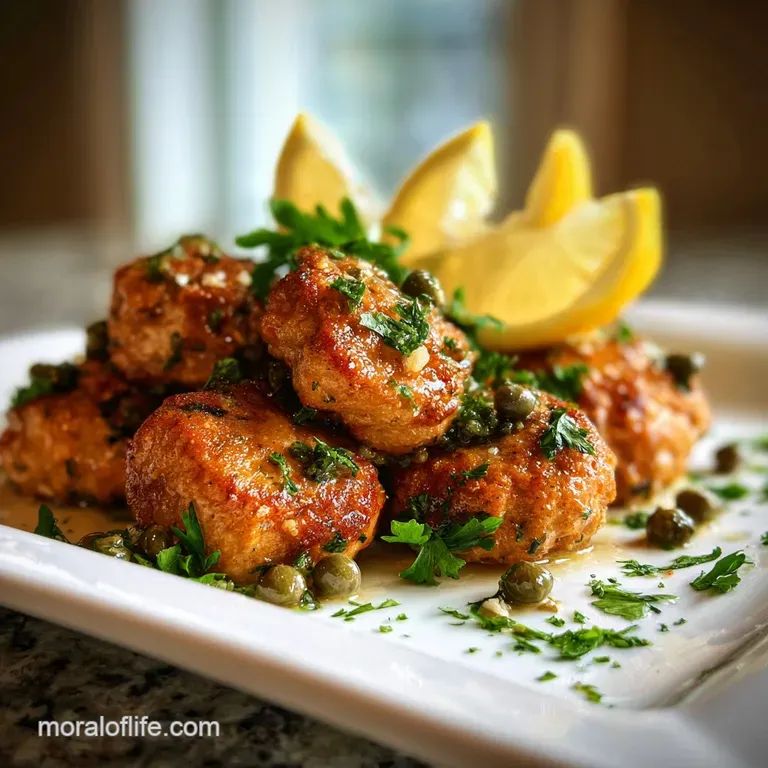
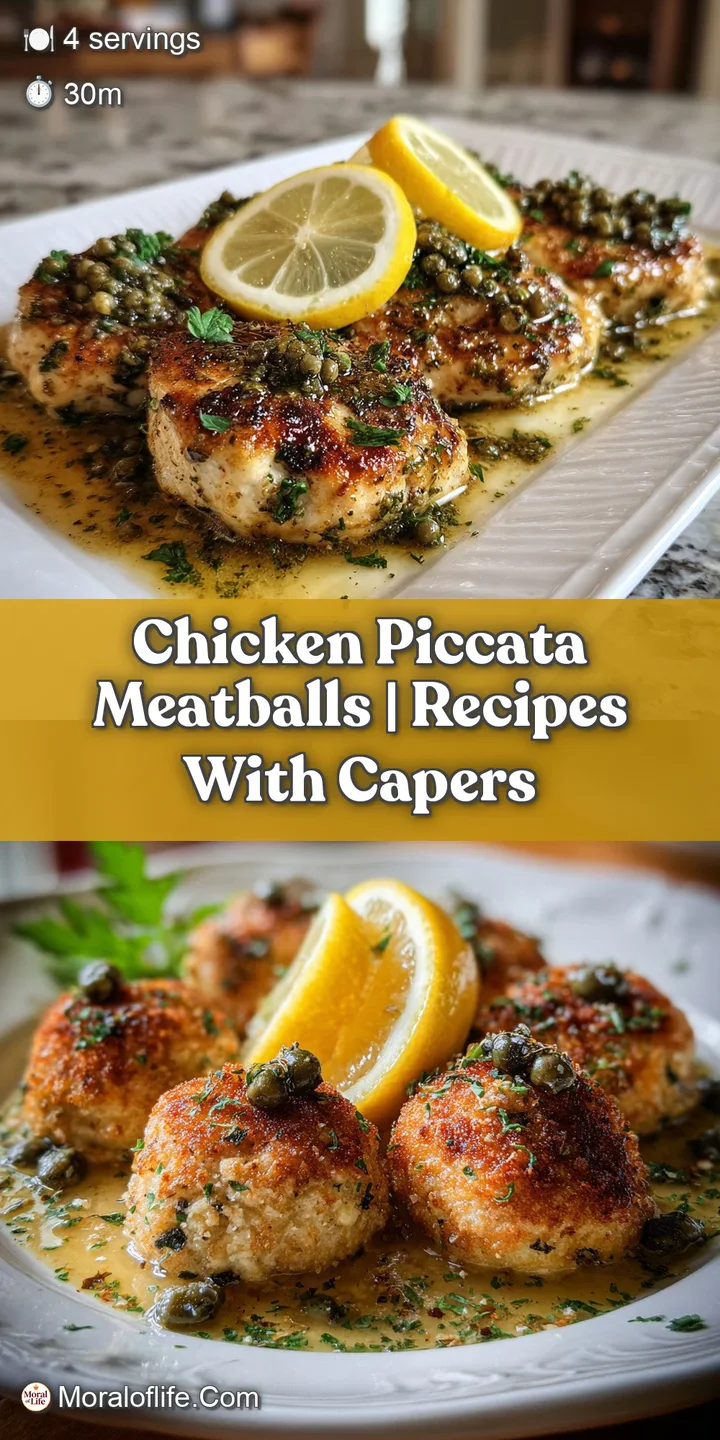
Chicken Piccata Meatballs
- Time: Active 15 minutes, Passive 15 minutes, Total 30 minutes
- Flavor/Texture Hook: Zesty lemon butter sauce with velvety, melt in-your mouth meatballs
- Perfect for: A normal Tuesday night when you want a comforting but impressive dinner
- Why Chicken Piccata Meatballs are a Dependable Tuesday Winner
- The Culinary Logic Behind These Tangy Poultry Bites
- A Closer Look at Our Hero Components
- Gathering Everything for a Perfect Meatball Result
- Step by Step Flow for Kitchen Success
- Solving Common Problems with Your Meatball Prep
- Adjusting the Recipe for Any Table Size
- Debunking Old School Cooking Myths for Good
- Keeping Your Leftovers Fresh and Flavorful
- Finishing Your Plate with the Best Pairings
- High in Sodium
- Recipe FAQs
- 📝 Recipe Card
Why Chicken Piccata Meatballs are a Dependable Tuesday Winner
There’s a specific sound that happens when you drop a cold meatball into a hot, oiled skillet. It’s that sharp, aggressive sizzle that tells you a crust is forming. I remember the first time I tried this variation.
It was a normal Tuesday, the kind where you're staring at a pack of ground chicken and feeling completely uninspired. I didn't want the usual tacos or pasta sauce. I wanted that sharp, salty kick of capers and the velvety finish of a butter sauce.
When the lemon juice hit the hot pan, the aroma was so bright it practically woke up the whole house. I’ve made mistakes with ground chicken before - mostly by overworking it until it turned into a rubbery puck - but this version changed the game for us.
The meatballs stay remarkably tender because we use a panade, which is just a fancy word for soaking breadcrumbs in cream. It creates a moisture reservoir that prevents the lean chicken from drying out.
Trust me on this: you don't need fancy equipment or hours of prep to make this work. We’re looking for that beautiful golden brown exterior and a sauce that coats the back of a spoon. It’s comforting, dependable, and honestly, I might never go back to using whole chicken breasts for piccata again.
Let's crack on with how we make this happen.
The Culinary Logic Behind These Tangy Poultry Bites
The Physics of the Panade
Moisture Suspension: The heavy cream and panko breadcrumbs create a gel like structure that traps moisture within the meatball, preventing the lean chicken proteins from tightening too much during the sear.
The Maillard Multiplier
Increased Surface Area: By shaping the chicken into meatballs, we increase the total surface area for browning compared to a flat breast, resulting in more savory, caramelized notes throughout the dish.
The Emulsion Engine
Starch Fat Binding: The small amount of flour remaining on the meatballs after searing acts as a natural thickener, allowing the butter and lemon juice to emulsify into a silky, stable sauce rather than separating.
| Thickness | Internal Temp | Rest Time | Visual Cue |
|---|---|---|---|
| 2.5 cm (Meatball) | 165°F (74°C) | 3 minutes | Juices run clear when poked |
| 1.5 cm (Meatball) | 165°F (74°C) | 2 minutes | Golden brown and firm to touch |
| 4 cm (Meatball) | 165°F (74°C) | 5 minutes | Center is opaque and steaming |
A Closer Look at Our Hero Components
Success with Chicken Piccata Meatballs depends on the quality of your base. Ground chicken can be notoriously bland if you don't treat it right. Using a mix of breast and thigh meat provides the best balance of lean protein and essential fats.
It’s the difference between a dry bite and one that feels truly decadent.
| Component | Science Role | Pro Secret |
|---|---|---|
| Ground Chicken | Primary Protein | Mix breast/thigh for the best fat to moisture ratio. |
| Heavy Cream | Fat Barrier | Prevents protein fibers from bonding too tightly. |
| Lemon Zest | Essential Oils | Contains more flavor punch than the juice alone without adding liquid. |
| Parmesan | Umami Binder | Adds salt and structure while creating a savory crust during the sear. |
I’ve found that the way you handle these ingredients is just as important as the ingredients themselves. For instance, if you’re looking for a similar protein packed meal with a different flavor profile, you might enjoy my Broiled Chicken Thighs recipe. It uses the same principles of over high heat searing to lock in those juices.
Gathering Everything for a Perfect Meatball Result
- 1 lb ground chicken: A breast and thigh mix is non negotiable for the best texture. Why this? Pure breast meat tends to dry out and become crumbly when seared.
- 0.5 cup panko breadcrumbs: These stay light and airy compared to traditional crumbs.
- 3 tbsp heavy cream: This is the secret to the velvety interior.
- 1 large egg: Lightly beaten to act as our structural glue.
- 0.5 cup freshly grated Parmesan cheese: Don't use the stuff in the green can; the fresh grit helps the sear.
- 2 cloves garlic: Minced into a paste so you don't get a raw bite.
- 1 tbsp fresh parsley: Finely chopped for a hit of earthiness.
- 1 tsp lemon zest: Grate it fresh for the most potent oils.
- 0.5 tsp sea salt: Enhances all the other flavors.
- 0.25 tsp cracked black pepper: Provides a subtle, warm background heat.
- 2 tbsp extra virgin olive oil: For the initial over high heat sear.
- 3 tbsp unsalted butter: Divided to control the richness of the sauce.
- 1 medium shallot: Finely minced to melt into the sauce.
- 0.5 cup dry white wine: A Pinot Grigio or Sauvignon Blanc works beautifully.
- 1 cup low sodium chicken broth: Provides the volume for our sauce.
- 3 tbsp fresh lemon juice: The acid that cuts through the butter.
- 3 tbsp capers: Drained and rinsed to control the salt levels.
| Original Ingredient | Substitute | Why It Works |
|---|---|---|
| Heavy Cream | Whole Milk | Lower fat, but still provides hydration. Note: Meatballs will be slightly less rich. |
| White Wine | Extra Chicken Broth + 1 tsp Vinegar | Mimics the acidity of the wine without the alcohol content. |
| Panko Breadcrumbs | Crushed Crackers | Adds a buttery note and similar structural binding. |
step-by-step Flow for Kitchen Success
1. Build the Moisture Reservoir
In a large mixing bowl, combine the 0.5 cup panko and 3 tbsp heavy cream. Let this sit for about 5 minutes until the crumbs have fully absorbed the liquid and formed a thick paste. This is your insurance policy against dry chicken.
2. Gentle Mixing
Add the 1 lb ground chicken, beaten egg, 0.5 cup Parmesan, minced garlic, 1 tbsp parsley, lemon zest, salt, and pepper to the bowl. Use your hands or a fork to mix until just combined. Don't overwork it, or the meatballs will become dense and tough.
3. The Golden Sear
Heat 2 tbsp olive oil and 1 tbsp butter in a large skillet over medium high heat. Roll the mixture into balls (about 2 tbsp each) and place them in the pan. Cook for 3-4 minutes per side until a deep golden crust forms and the meatballs are mostly cooked through.
4. Create the Emulsion
Remove the meatballs and set them aside. In the same pan, add another 1 tbsp of butter and the minced shallot. Sauté for 2 minutes until the shallot is translucent and fragrant.
Pour in the 0.5 cup white wine and scrape the bottom of the pan to release all those savory bits (the fond).
5. The Finishing Gloss
Whisk in the 1 cup chicken broth, lemon juice, and capers. Bring to a simmer and let it reduce by about a third. Stir in the final 1 tbsp of butter until the sauce looks glossy and thick.
6. Reunite and Finish
Place the meatballs back into the skillet. Simmer for another 2-3 minutes until the sauce coats the meatballs and they reach an internal temperature of 165°F (74°C). The flour from the meatball exterior will naturally thicken the liquid.
7. Final Garnish
Turn off the heat. Sprinkle with a bit more fresh parsley and an extra squeeze of lemon if you like it extra tangy. Serve immediately while the sauce is silky and hot.
Chef's Tip: Freeze your butter for 10 minutes before adding that final tablespoon to the sauce. The colder the butter, the better it emulsifies, giving you that restaurant style "monte au beurre" finish.
Solving Common Problems with Your Meatball Prep
Meatballs Falling Apart
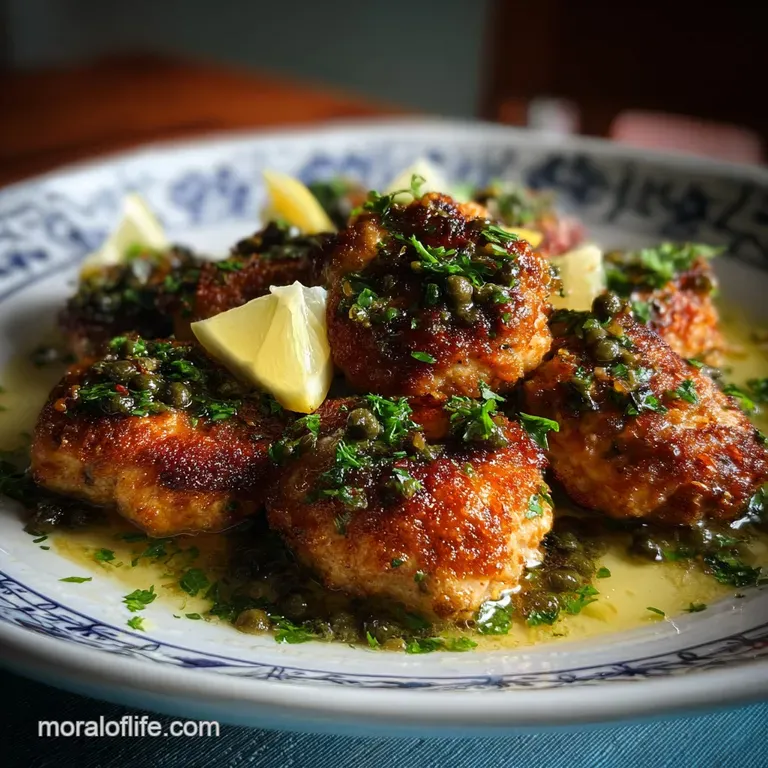
Ground chicken is much softer than beef or pork. If your meatballs are disintegrating as soon as they hit the pan, it's usually because the mixture was too wet or you didn't let the panade hydrate. Make sure that panko and cream mixture sits for the full 5 minutes before you add the meat.
Also, don't try to flip them too early. They need that initial sear to create a "skin" that holds the structure together.
Sauce is Too Thin
A common frustration is a sauce that looks more like soup. This usually happens if the wine and broth didn't reduce enough before you added the butter. If you're in a hurry, you can whisk a teaspoon of cornstarch into a tablespoon of cold broth and stir that in. However, the traditional way is simply patience.
Let that liquid bubble away until it's concentrated and flavorful.
| Problem | Root Cause | Solution |
|---|---|---|
| Meatballs are dry | Overcooked or no panade | Check temp at 160°F and always use the cream/panko soak. |
| Sauce is bitter | Burned garlic or too much zest | Sauté shallots on medium, not high. Add zest at the very end. |
| Meatballs are gray | Pan was overcrowded | Cook in batches to ensure the temperature stays high for searing. |
Common Mistakes Checklist
- ✓ Pat the ground chicken dry if it looks excessively moist before mixing.
- ✓ Use a cookie scoop to ensure all meatballs are the same size for even cooking.
- ✓ Never crowd the pan; give each meatball at least 2 cm of space to breathe.
- ✓ Deglaze the pan with cold wine to lift the fond effectively without burning the bits.
- ✓ Let the meatballs rest for 3 minutes before serving to let the juices redistribute.
Adjusting the Recipe for Any Table Size
When you're cooking for a crowd or just for two, chicken piccata meatballs are incredibly flexible. To scale down, you can easily halve the recipe. Since it calls for one egg, just beat the egg in a small bowl and use roughly two tablespoons of it for a half batch.
You'll want to use a smaller skillet to ensure the sauce doesn't evaporate too quickly.
For scaling up, I recommend browning the meatballs in batches. If you try to crowd 2 lbs of chicken into one pan, they will steam instead of sear, and you'll lose that beautiful golden crust. Keep the first batch warm in a low oven (about 200°F) while you finish the rest.
When it comes to the sauce, you don't necessarily need to double the wine and broth start with 1.5 times the amount and see if the consistency is to your liking.
| Method | Time | Texture | Best For |
|---|---|---|---|
| Stovetop Skillet | 15 mins | Crispy and saucy | Traditional weeknight dinner |
| Oven Baked | 20 mins | Uniform and tender | Large batches or meal prep |
| Air Fryer | 12 mins | Extra crispy exterior | Quick snacks or appetizers |
If you're looking for another great way to prep chicken and vegetables together, check out my Baked Chicken and Vegetables recipe. It’s another one pan wonder that saves so much time on cleanup.
Debunking Old School Cooking Myths for Good
A lot of people think you have to use flour to dredge meatballs before searing them to get a thick sauce. In reality, the Parmesan and the starches already in the meatball mixture do a lot of that heavy lifting for you. You don't need that extra messy step.
The small amount of starch that leaks into the sauce is plenty to create that velvety texture we’re after.
Another myth is that you must use expensive wine for cooking. Honestly, just use something you'd be willing to drink a glass of. The "cooking wine" sold in grocery stores is usually loaded with salt and can ruin the balance of your Piccata. A decent $10 bottle of dry white is your best friend here.
The alcohol burns off, leaving only the bright acidity behind.
Keeping Your Leftovers Fresh and Flavorful
Storage: These meatballs stay delicious in the fridge for up to 3 days. Store them in an airtight container with plenty of the sauce to keep them from drying out. When reheating, I recommend using a skillet over low heat with a splash of water or broth to loosen the sauce back up.
Microwave reheating can sometimes make the chicken a bit rubbery.
Freezing: You can freeze these either raw or cooked. If raw, flash freeze them on a baking sheet before transferring to a bag so they don't stick together. If cooked, let them cool completely and freeze them in the sauce. They’ll last about 2 months.
Zero Waste: Don't toss those parsley stems! I chop them very finely and add them to the shallots while they sauté; they have tons of flavor. If you have leftover sauce but no meatballs, it makes a fantastic base for a quick shrimp pasta the next day.
Even the lemon rinds can be tossed into a jar of vinegar to make a natural kitchen cleaner.
Finishing Your Plate with the Best Pairings
The sauce is the star here, so you want something on the plate that acts as a sponge. A bed of buttery Orzo or Angel Hair pasta is the classic choice. If you're looking for something a bit lighter, a pile of garlicky sautéed spinach or even some roasted asparagus works perfectly.
The green veggies provide a nice crunch against the tender meat.
If you want to go the extra mile, serve this with a thick slice of crusty sourdough bread. There is nothing more satisfying than swiping a piece of bread through that leftover lemon butter caper sauce at the end of the meal.
Decision Shortcut: If you want a low carb meal, serve over zucchini noodles or cauliflower mash. If you want a heartier dinner, pair with creamy polenta. If you want an appetizer, serve the meatballs on toothpicks with a small bowl of the sauce for dipping.
It’s a dependable meal that always feels a bit special without requiring a massive effort. That’s the beauty of it simple ingredients, a bit of science, and you’ve got a dish that everyone will be asking for again next week. Let me know how yours turn out!
High in Sodium
974 mg mg of sodium per serving (42% of daily value)
The American Heart Association recommends limiting sodium intake to about 2,300mg per day for overall cardiovascular health.
Smart Swaps for Less Sodium
-
Broth Upgrade-30%
Swap the low-sodium chicken broth for sodium free chicken broth. This simple swap can significantly reduce the sodium content of the sauce.
-
Cheese Wisely-15%
Replace the Parmesan cheese with a lower sodium hard cheese, or reduce the amount by half and supplement the flavor with nutritional yeast.
-
Rethink Salt-25%
Reduce the amount of sea salt by half or eliminate it entirely. Taste the dish before adding any additional salt.
-
Caper Control-20%
Soak capers in fresh water for 10-15 minutes to further remove salt or use salt packed capers and rinse them thoroughly.
-
Flavor Boosters
Enhance the flavor profile with additional herbs and spices. Garlic powder, onion powder, dried herbs, and black pepper are great alternatives to increase taste without added sodium.
Recipe FAQs
Can I substitute ground turkey for chicken in this recipe?
Yes, ground turkey is a good substitute. It has a similar lean protein profile and will absorb the flavors of the piccata sauce well. Be mindful that turkey can sometimes be drier, so ensure you don't overcook the meatballs.
My meatballs are falling apart in the pan. What did I do wrong?
This is likely due to underbinding or over handling. Ensure your panko and cream mixture has hydrated properly, and gently mix the meatball ingredients until just combined. Overworking the meat can make it too dense, and insufficient binding agents (like egg or Parmesan) mean they lack structure.
How can I make the sauce thicker if it seems too thin?
Simmer the sauce longer to reduce it. The starches from the meatballs and the Parmesan cheese will naturally thicken the sauce as it concentrates. If you're in a hurry, a cornstarch slurry (1 tsp cornstarch mixed with 1 tbsp cold water) can be added cautiously.
Can I make the meatballs ahead of time?
Yes, forming the meatballs ahead is recommended. You can shape them up to 24 hours in advance and store them covered in the refrigerator. This allows the flavors to meld and ensures they are ready to sear when you are.
What's the best way to reheat leftover chicken piccata meatballs?
Reheat gently in a skillet with a little extra liquid. Place the meatballs and sauce in a skillet over low heat, adding a splash of chicken broth or water to loosen the sauce. This prevents the chicken from becoming tough or rubbery, unlike microwave reheating.
Is it okay to use breadcrumbs other than panko?
Yes, but panko offers the best texture. Regular breadcrumbs will work, but they can make the meatballs a bit denser. If using regular breadcrumbs, you might need slightly less liquid to achieve the right consistency.
What side dishes pair well with chicken piccata meatballs?
Carbohydrate rich sides are ideal for soaking up the sauce. Think classic options like orzo pasta, angel hair pasta, or creamy polenta. For a lighter option, sautéed spinach or roasted asparagus also complement the dish beautifully.
Chicken Piccata Meatballs
Ingredients:
Instructions:
Nutrition Facts:
| Calories | 528 kcal |
|---|---|
| Protein | 28.8 g |
| Fat | 38.6 g |
| Carbs | 13.2 g |
| Fiber | 1.1 g |
| Sugar | 2.4 g |
| Sodium | 974 mg |
