How to Cook a Boston Butt
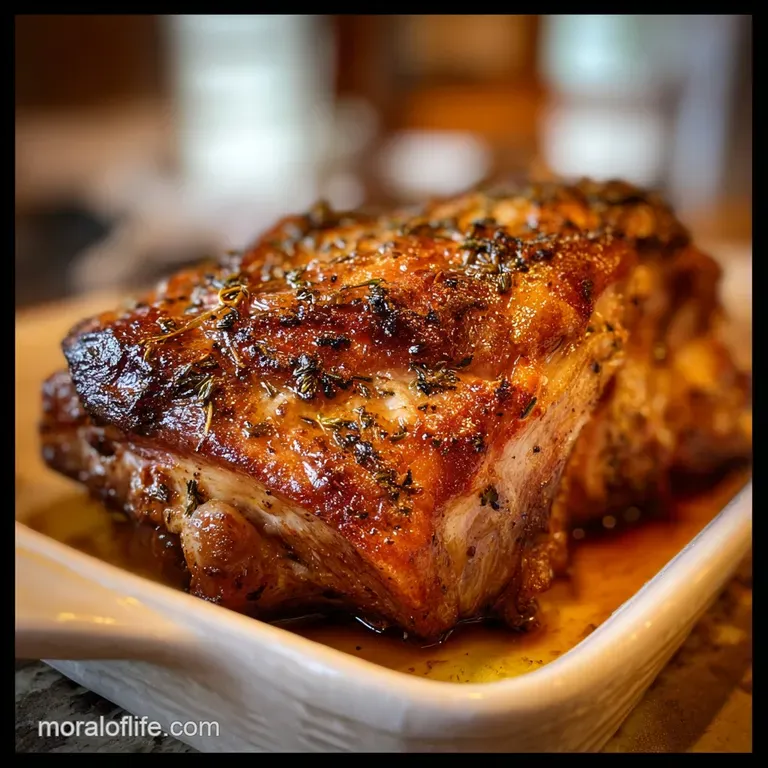
- Time: Active 20 minutes, Passive 8 hours 10 mins, Total 8 hours 30 mins
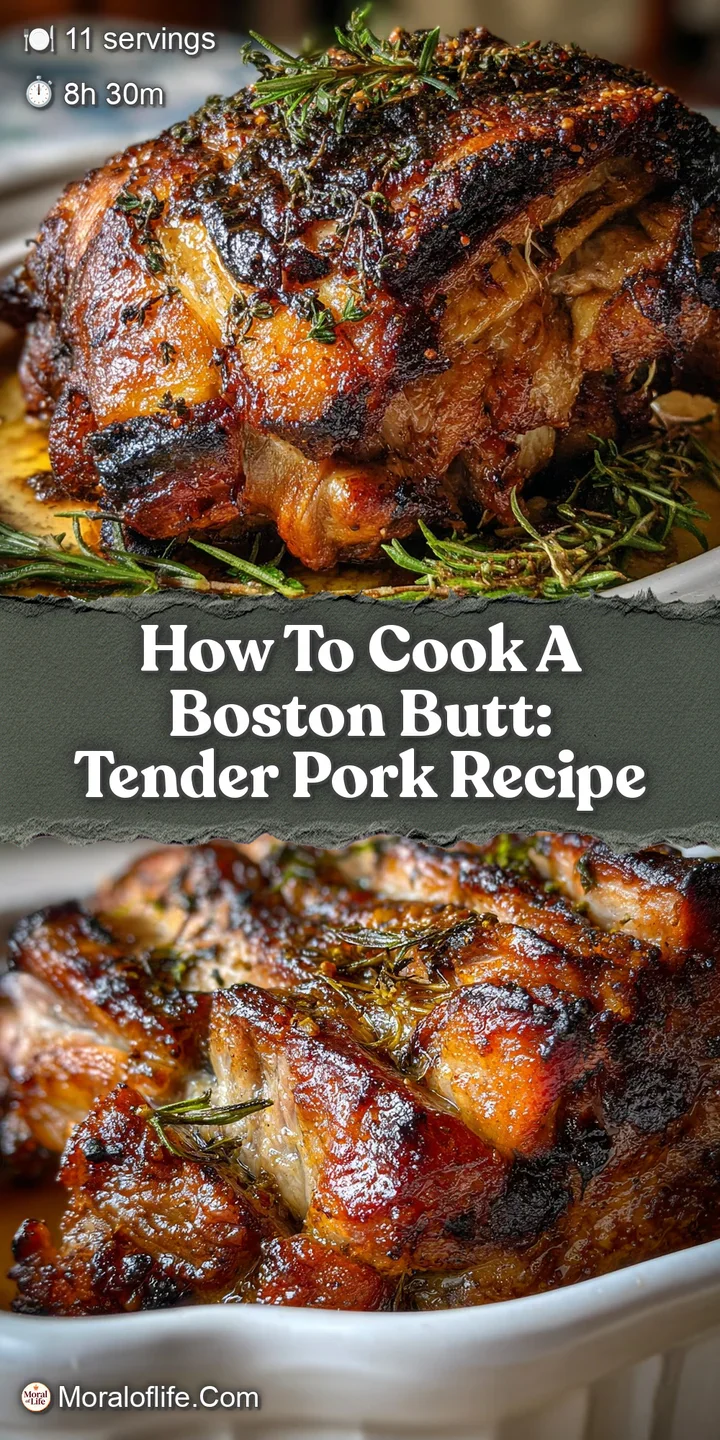
- Flavor/Texture Hook: Velvety, melt in-your mouth pork with a shatter crisp mahogany bark.
- Perfect for: Low stress Sunday dinners, large family gatherings, or meal prep for a busy week.
- Easy Ways How to Cook a Boston Butt
- Essential Recipe Specifications and Times
- The Core Pantry Ingredients Needed
- Simple Tools for Great Results
- Step-by-Step Cooking Instructions
- Fixing Common Roasting Problems
- Creative Flavor and Style Variations
- Managing Leftovers and Proper Reheating
- Best Sides for Pulled Pork
- Debunking Common Slow Cooking Myths
- Recipe FAQs
- 📝 Recipe Card
You know that specific aroma? The one that hits you the moment you walk through the door, smelling of sweet woodsmoke, caramelized sugar, and rich, savory fat? That is the unmistakable scent of a pork shoulder that has spent all day getting cozy in the heat.
It’s the kind of smell that makes you forget about a long day and focuses your mind entirely on when you can finally grab a fork.
Cooking a large cut like this can feel intimidating if you've never done it, but I promise it is one of the most forgiving things you will ever put in your oven or smoker. I used to worry about drying it out or getting the seasoning wrong, but after plenty of trial and error on normal Tuesdays, I've realized the secret is just patience.
You don't need fancy gadgets; you just need to let the heat do the heavy lifting while you go about your life.
We are going for that classic, shredded texture that works for everything from sandwiches to tacos. This isn't a "fast" meal, but it is an easy one. By the time we’re done, you'll have enough tender pork to feed a crowd or at least have the best leftovers of your life.
Let's walk through exactly how to get that dark, crispy exterior and the buttery interior every single time.
Easy Ways How to Cook a Boston Butt
Understanding what happens inside the meat is the difference between a tough roast and a legendary one. When we talk about "low and slow," we aren't just being trendy; we are actually waiting for a specific chemical transformation to occur that doesn't happen at high temperatures.
1. Collagen to Gelatin Conversion
Mechanism: Thermal denaturation breaks down tough connective tissue (collagen) into silky gelatin over several hours. This process only happens effectively between 160°F and 205°F, turning a "cheap" tough cut into something incredibly tender.
2. Achieving the Mahogany Bark
Mechanism: The Maillard reaction and caramelization of the brown sugar rub create a complex, dark crust on the surface. As the fat renders and mixes with the spices, it dehydrates and hardens into the "bark" that enthusiasts crave.
3. The Stall and Equilibrium
Mechanism: Evaporative cooling occurs when moisture moves to the surface of the meat and evaporates, temporarily halting the internal temperature rise. This "stall" is a normal phase where the meat's surface moisture and the oven's heat reach a temporary thermal balance.
| Component | Science Role | Pro Secret |
|---|---|---|
| Bone In Pork | Heat Conductor | The bone acts as a thermal bridge, cooking the center more evenly from the inside out. |
| Yellow Mustard | Emulsifying Binder | Vinegar and mucilage help the dry rub stick without adding any actual mustard flavor after cooking. |
| Brown Sugar | Surface Caramelization | Lowers the temperature at which the exterior browns, helping create a thick, sweet savory crust. |
| Apple Cider Vinegar | Acidic Tenderizer | The mild acidity helps break down surface proteins while balancing the richness of the rendered pork fat. |
Pork shoulder is naturally high in fat, which is your best friend here. Unlike a lean pork loin, the Boston butt stays moist because that intramuscular fat (marbling) melts during the long cook. This self basting process is why it's so hard to truly mess up this recipe as long as you have a dependable thermometer.
Essential Recipe Specifications and Times
When planning your day, remember that this cut of meat is the boss of the schedule. An 8 lb bone in Boston Butt usually needs about an hour per pound, but every piece of meat is a bit different.
I always suggest starting earlier than you think you need to because a finished pork shoulder can rest in a cooler for hours and only get better.
- Weight: 8 lb bone in Boston Butt (pork shoulder)
- Target Internal Temp:205°F for pulling, 190°F for slicing
- Resting Time: Minimum 45 minutes (don't skip this!)
The prep is quick, but the wait is long. If you are looking for something faster for a weeknight, you might prefer a for Dinner recipe that uses an air fryer for speed. But for the weekend? Stick with the slow roast. It's the most dependable way to get that "fall apart" texture.
The Core Pantry Ingredients Needed
Everything here is likely already in your cupboard. We aren't using anything too fancy because the pork itself provides most of the flavor.
- 8 lb bone in Boston Butt: The star of the show. Look for one with a good fat cap on top.
- 2 tbsp yellow mustard: This is our binder. Why this? It holds the rub in place without making the meat taste like a hot dog.
- 0.25 cup brown sugar, packed: For sweetness and bark. Why this? Sugar helps the exterior reach that deep mahogany color through caramelization.
- 2 tbsp smoked paprika: Adds color and a hint of woodsy flavor.
- 1 tbsp coarse kosher salt: Essential for seasoning deep into the meat.
- 1 tbsp cracked black pepper: Provides a subtle bite to cut through the fat.
- 1 tsp garlic powder: For an earthy, savory base.
- 1 tsp onion powder: Complements the garlic and adds depth.
- 0.5 tsp cayenne pepper: Just enough for a tiny kick without being "spicy."
- 0.5 cup apple cider vinegar: Used for the spritz/braise.
- 0.5 cup apple juice: Adds moisture and a touch of fruitiness to the steam.
| Original Ingredient | Substitute | Why It Works |
|---|---|---|
| Yellow Mustard | Olive Oil | Provides a sticky surface for the rub; lacks the acidic "bite" of vinegar. |
| Apple Juice | Pineapple Juice | Adds more sweetness and contains bromelain, which helps tenderize the surface further. |
| Brown Sugar | Coconut Sugar | Similar caramelization properties but adds a slightly earthier, toasted nut flavor profile. |
If you happen to be cooking for a crowd with a sweet tooth, you could even follow up this savory meal with a Dirt Pudding recipe. It's a fun, nostalgic treat that balances out the heavy, smoky flavors of the pork perfectly.
Simple Tools for Great Results
You don't need a professional smokehouse to do this. I've made incredible pork in a standard kitchen oven and a basic crock pot alike. The most important tool in your kit is actually a reliable meat thermometer it takes all the guesswork out of the "is it done yet?" struggle.
- Roasting Pan or Dutch Oven: Something heavy bottomed that can hold the 8 lb roast comfortably.
- Meat Thermometer: Digital or analog, as long as it's accurate. This is non negotiable for knowing when the collagen has fully melted.
- Aluminum Foil: To wrap the meat during the final stage (the "Texas Crutch") to push through the stall.
- Spray Bottle: Optional, but great for spritzing the meat with the apple juice mixture if you are using a grill or smoker.
Chef's Tip: Freeze your butter for 10 minutes then grate it over the top of the pork during the last hour of roasting. It adds a velvety richness to the bark that liquid oils just can't match.
step-by-step Cooking Instructions
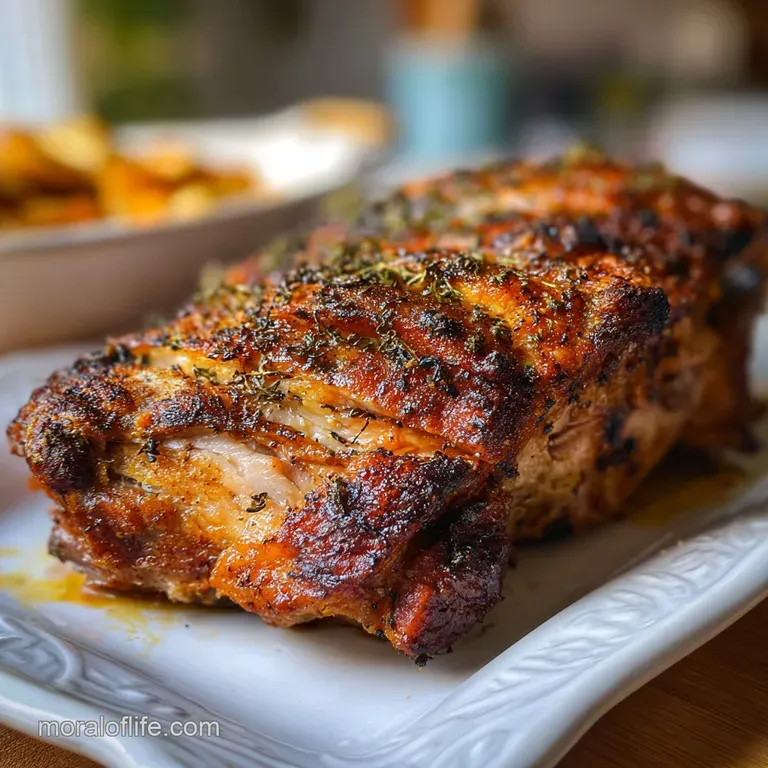
Follow these steps for a dependable result every time. We are focusing on the oven method here, but these steps translate easily to a pellet grill or smoker.
- Pat the meat dry. Use paper towels to remove all surface moisture from the pork. Note: Dry meat browns better.
- Apply the binder. Rub the 2 tbsp yellow mustard over the entire surface of the 8 lb Boston butt.
- Mix the dry rub. Combine the brown sugar, smoked paprika, salt, pepper, garlic powder, onion powder, and cayenne in a small bowl.
- Coat the pork. Sprinkle the rub generously over the meat, pressing it into the mustard until every inch is covered.
- Preheat and set. Set your oven (or smoker) to 225°F. Place the meat fat side up in your pan.
- Begin the roast. Cook uncovered for about 5 to 6 hours until the bark is dark and firm.
- The Spritz. Every hour after the third hour, lightly spray the meat with a mix of the apple juice and cider vinegar.
- The Wrap. Once the internal temp hits about 165°F, wrap the pork tightly in double layered foil with the remaining juice.
- Finish the cook. Return to the oven and cook until the internal temperature reaches 205°F.
- Rest the meat. Remove from heat and let it sit, still wrapped, for 1 hour until the juices redistribute.
Fixing Common Roasting Problems
Even with the best intentions, things can go sideways. The most common issue people face is the "stall," where the temperature just stops moving for two hours. Don't panic! It's just science doing its thing.
1. The Rubber Band Texture
If your pork is "bouncy" or hard to shred, it simply hasn't cooked long enough. This happens when the internal temperature hasn't stayed in the 190°F-205°F range long enough to melt the connective tissue. Put it back in.
2. The Soggy Bottom
If the bottom of your roast is mushy, it likely sat in too much liquid for too long. Using a roasting rack to keep the meat elevated above the drippings helps the air circulate, keeping the bark "shatter crisp" all the way around.
3. Slicing Too Soon
If you pull the pork apart the second it comes out of the oven, all that beautiful moisture will evaporate into steam, leaving you with dry meat. Patience is an ingredient here let it rest!
| Problem | Root Cause | Solution |
|---|---|---|
| Meat is dry | Overcooked or no rest | Pull at 205°F exactly and rest for 1 hour in a warm place. |
| No "Bark" formed | Too much moisture | Don't wrap the meat until the exterior is dark and the sugar has crusted. |
| Hard to shred | Under rendered fat | Ensure the internal temp hits at least 200°F before removing from heat. |
If you find yourself in a real hurry and need to pivot, the logic is similar to the technique used in our Air Fryer Chicken Thighs recipe. While the equipment is different, the goal of rendering fat while keeping the interior juicy remains the same.
Creative Flavor and Style Variations
Once you know the basics of how to cook a boston butt, you can start playing with the flavor profile to suit your family's mood.
- The Carolina Twist: Skip the brown sugar in the rub and use a heavy dose of black pepper. Once shredded, douse the meat in a thin, vinegar based sauce with plenty of red pepper flakes.
- Taco Night Variation: Add 1 tbsp of cumin and 1 tbsp of dried oregano to your dry rub. Roast with a halved orange and a few cloves of smashed garlic in the pan for a carnitas style finish.
- Crock Pot Method: If you're using a slow cooker, use only half the liquid (0.25 cup each of juice/vinegar) as the machine creates its own moisture. Cook on "Low" for 8 to 10 hours.
| Method | Speed | Texture Outcome |
|---|---|---|
| Oven (Classic) | Slow | Best balance of juicy meat and firm, caramelized bark. |
| Pellet Grill | Slow | Adds deep smoky flavor; bark is usually the thickest/crunchiest. |
| Crock Pot | Medium | Very tender and easy, but the exterior stays soft and "pot roast" like. |
Managing Leftovers and Proper Reheating
An 8 lb roast is a lot of food. Luckily, pulled pork is the king of leftovers. It stays fresh in the fridge for about 4 days, but it freezes like a dream for up to 3 months.
To freeze, let the meat cool completely first. I like to portion it into freezer bags with a spoonful of the leftover pan juices to keep it moist. When you're ready to eat, thaw it in the fridge overnight.
For reheating, skip the microwave it makes the pork rubbery. Instead, put the pork in a covered baking dish with a splash of apple juice or water and heat at 300°F until sizzling.
If you want to get fancy, fry the shredded pork in a cast iron skillet for a few minutes to get those "carnitas" crispy edges back.
Best Sides for Pulled Pork
What you serve with your pork is just as important as the meat itself. You want something bright or crunchy to balance out the rich, fatty goodness of the shoulder.
- Coleslaw: A vinegar based slaw provides the necessary acid to cut through the pork fat.
- Pickled Onions: These add a pop of color and a sharp tang that is legendary with BBQ.
- Cornbread: A sweet, crumbly side to soak up any extra juices on the plate.
If you are looking for something more filling and earthy, the quinoa from our Earthy Sweetness recipe makes a surprisingly great base for a pulled pork bowl. The nutty flavors of the grain really hold up against the smoky rub.
Debunking Common Slow Cooking Myths
Myth: You must sear the meat before roasting to "seal in the juices." Fact: Searing adds flavor through the Maillard reaction, but it doesn't actually create a moisture barrier. For a long, slow roast like this, the dry rub and slow heat create a better bark than a pan sear ever could.
Myth: The "Bone In" vs "Boneless" doesn't change the flavor. Fact: While the flavor difference is subtle, the bone actually helps the meat cook more evenly.
It acts as a thermal conductor, bringing heat into the thickest part of the roast, which prevents the outside from drying out before the inside is done.
Myth: If the temperature stops rising, you should turn up the oven. Fact: Turning up the heat during "the stall" often results in a scorched exterior and tough meat. The stall is simply moisture evaporating.
Be patient, or wrap the meat in foil to trap the steam and push through it naturally.
Recipe FAQs
How long does it take to cook a Boston butt in the oven?
Approximately 1.5 to 2 hours per pound. A general rule is about 8-10 hours for a typical 8 lb Boston butt at 225°F, but always cook to internal temperature, aiming for 205°F for pulled pork.
What liquid is best for pulled pork in the oven?
Apple cider vinegar mixed with apple juice. This combination provides a slight tang to cut the richness and a touch of sweetness, while also creating steam to keep the meat moist during its long cook.
Which is the best cooking method for a pork shoulder?
Low and slow smoking or oven roasting is ideal for pork shoulder. These methods allow the tough connective tissues to break down into gelatin, resulting in incredibly tender, shreddable meat.
What is the 3:2:1 method for pulled pork?
It's a common guideline for smoking, not oven roasting. The method typically involves 3 hours smoking unwrapped, 2 hours wrapped (often in foil or butcher paper), and 1 hour unwrapped to finish.
Can I substitute olive oil for mustard as a binder?
Yes, olive oil works as a binder. Similar to how oil helps adhere spices in our Air Fryer Chicken Tenders: Crispy & Flavorful, it will help your dry rub stick to the pork, though it lacks the acidic component mustard offers.
Is it true that the bone-in cut cooks better?
Yes, the bone helps with even cooking. It acts as a thermal conductor, bringing heat into the center of the roast and helping to prevent the outer layers from drying out before the inside is fully tender.
What sides pair well with pulled pork?
Coleslaw and cornbread are classic pairings. A bright, acidic coleslaw cuts through the richness of the pork, while a slightly sweet cornbread is perfect for soaking up any juices. For something heartier, consider the nutty flavors from our Daniel Fast Roasted Veggie Quinoa.
Cook Boston Butt
Ingredients:
Instructions:
Nutrition Facts:
| Calories | 472 kcal |
|---|---|
| Protein | 39.8 g |
| Fat | 31.4 g |
| Carbs | 6.2 g |
| Fiber | 0.4 g |
| Sugar | 5.1 g |
| Sodium | 685 mg |
