Cottage Cheese Pizza Bowl: 5-Minute Meal
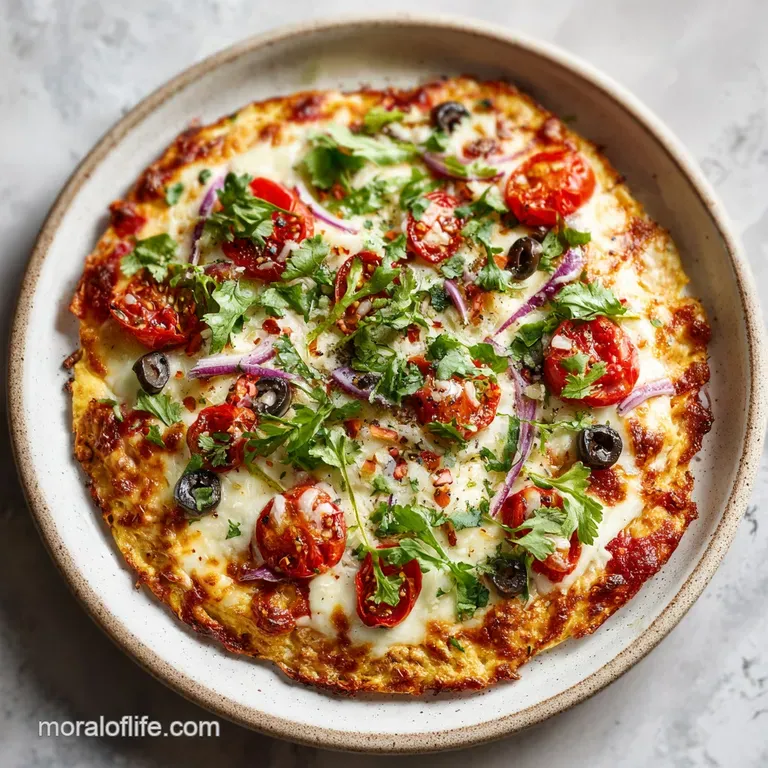
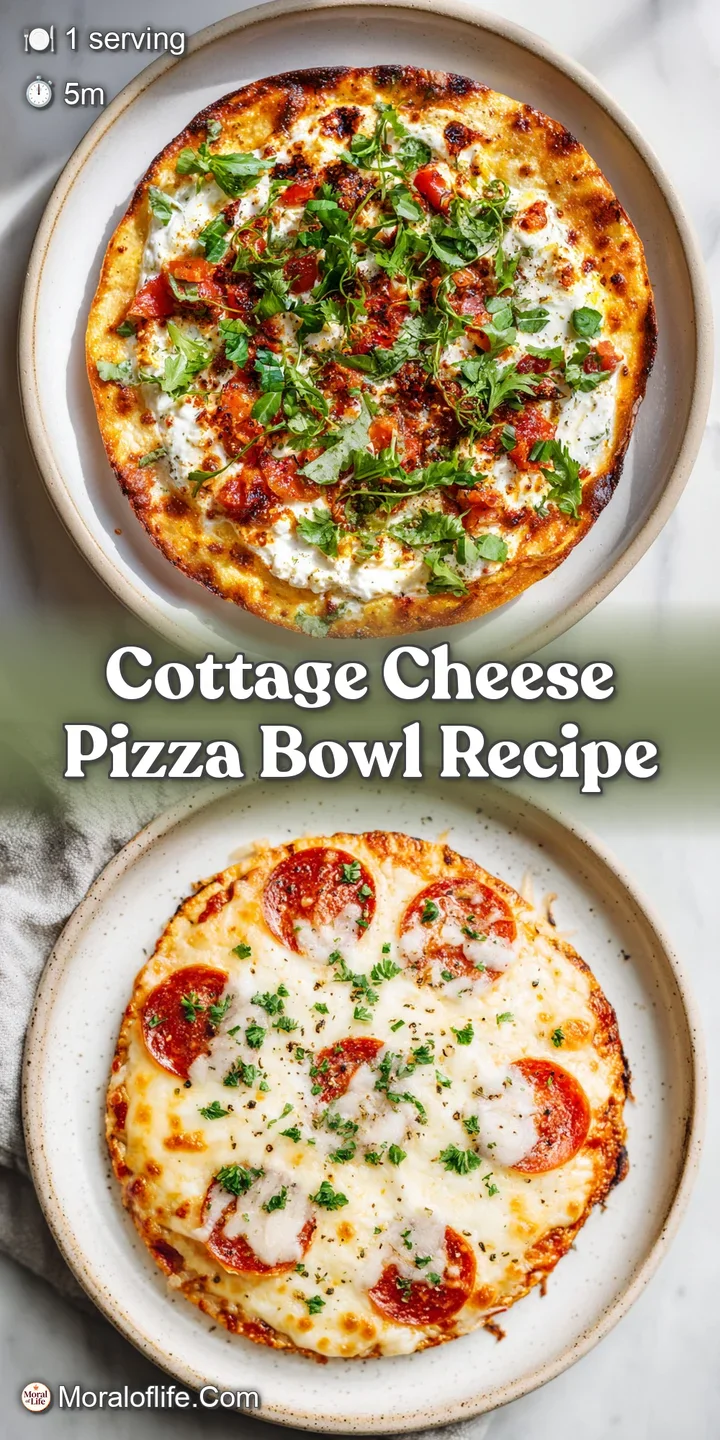
- Time: Active 2 minutes, Passive 3 minutes, Total 5 minutes
- Flavor/Texture Hook: Velvety melted cheese with a savory, herb infused zing
- Perfect for: Post workout fuel or a quick, low carb weeknight lunch
- Making the Ultimate Cottage Cheese Pizza Bowl
- The Physics of the Pull
- Component Analysis and Selection
- Essential Ingredients and Smart Swaps
- Step-by-Step Culinary Walkthrough
- Fixing Common Pizza Bowl Issues
- Scaling for Family or Prep
- Debunking Kitchen Pizza Myths
- Smart Storage and Zero Waste
- Very High in Sodium
- Recipe FAQs
- 📝 Recipe Card
Making the Ultimate Cottage Cheese Pizza Bowl
The first time I saw someone microwave cottage cheese, I’ll be honest, I cringed. It felt like a culinary crime. But it was 9:00 PM on a Tuesday, I was starving after a long shift, and the thought of waiting 45 minutes for a delivery driver was unbearable.
I had a tub of 4% milkfat cottage cheese, some leftover marinara, and a handful of pepperoni. I threw it all in a bowl, hit the buttons, and held my breath. When that microwave beeped, the aroma that wafted out was pure, unadulterated pizza parlor magic.
The cottage cheese had transformed. Instead of those cold, watery curds we all remember from 90s diet plates, it had melted into a thick, creamy foundation that held the sauce and spices perfectly.
The pepperonis had curled slightly, releasing their spicy oils into the mozzarella, creating those little orange pools of flavor we usually see on a New York slice. I grabbed a fork, took a bite, and realized this wasn't just a "healthy substitute" it was a legitimate, dependable meal I’d be making on repeat with confidence.
Since that night, I've tweaked the ratios and the layering. I learned the hard way that if you don't season the cottage cheese itself, the flavor stays surface level. It’s all about building those layers of savory depth.
Now, this Cottage Cheese Pizza Bowl recipe is my secret weapon for those busy days when I need a massive hit of protein but don't want to sacrifice that comforting pizza experience. Trust me, once you see how the cheese strings pull away from the bowl, you’ll be a convert too.
The Physics of the Pull
Casein Stability: Unlike many soft cheeses, the high casein protein content in cottage cheese allows it to maintain a thick, velvety structure even when heated, rather than completely liquifying.
Emulsification Balance: The fat from the 4% milkfat cottage cheese and the pepperoni binds with the water based marinara, creating a cohesive sauce that coats every curd.
| Cooking Method | Total Time | Texture Result | Best For |
|---|---|---|---|
| Microwave | 3 minutes | Soft and creamy | Maximum speed |
| Air Fryer | 8 minutes | Crispy pepperoni | Texture lovers |
| Toaster Oven | 10 minutes | Bubbling crust | Meal prep |
Choosing the right method depends entirely on your schedule. If you're in the middle of a frantic workday, the microwave is your best friend. However, if you have a few extra minutes to spare, the air fryer creates a "shatter" effect on the pepperoni that really mimics a wood fired oven. It's a small trade off in time for a massive gain in texture. This is quite different from the dough based approach in our Pizza Egg Rolls recipe, focusing more on the creamy protein base.
Component Analysis and Selection
| Ingredient | Science Role | Pro Secret |
|---|---|---|
| Cottage Cheese | Structural Protein | Use 4% milkfat for a richer, less watery melt. |
| Marinara Sauce | Acidic Balance | Choose a low sugar version to keep the savory profile sharp. |
| Mozzarella | Elasticity | Use part skim for the best "cheese pull" without excess grease. |
| Mini Pepperoni | Flavor Infusion | They have more surface area to crisp up compared to large slices. |
Essential Ingredients and Smart Swaps
Building a Cottage Cheese Pizza Bowl requires a few specific staples, but the beauty lies in how easily it adapts to what's in your crisper drawer.
- 1 cup (225g) cottage cheese, 4% milkfat: Why this? Provides the creamy, high protein base that holds the toppings.
- Substitute: Ricotta cheese (adds a smoother, grainier texture).
- 1/4 cup (60g) low sugar marinara sauce: Why this? Adds the essential tomato acidity and herbaceous notes.
- Substitute: Pesto sauce (adds a nutty, garlic forward profile).
- 1/2 tsp (1g) dried Italian seasoning: Why this? Concentrates the classic pizza flavor profile.
- Substitute: Fresh basil and oregano (adds a brighter, more floral aroma).
- 1/8 tsp (0.5g) garlic powder: Why this? Ensures even garlic distribution without the bite of raw cloves.
- Substitute: Garlic salt (reduce the marinara if using this).
- 1/4 cup (28g) shredded part skim mozzarella cheese: Why this? Creates the gooey, melt in-your mouth topping.
- Substitute: Provolone (adds a sharper, slightly smokier finish).
- 12 mini pepperonis (15g): Why this? Provides salty, spicy bites that crisp easily.
- Substitute: Sliced black olives (great for a vegetarian profile).
- 1 tbsp (5g) grated parmesan cheese: Why this? Adds a salty, umami rich "kick" to the top.
- Substitute: Nutritional yeast (adds a nutty, dairy-free cheesy vibe).
- 2 oz (56g) cooked, shredded chicken breast: Why this? Boosts the protein content and adds a hearty chew.
- Substitute: Ground turkey or sausage (adds more fat and savory depth).
step-by-step Culinary Walkthrough
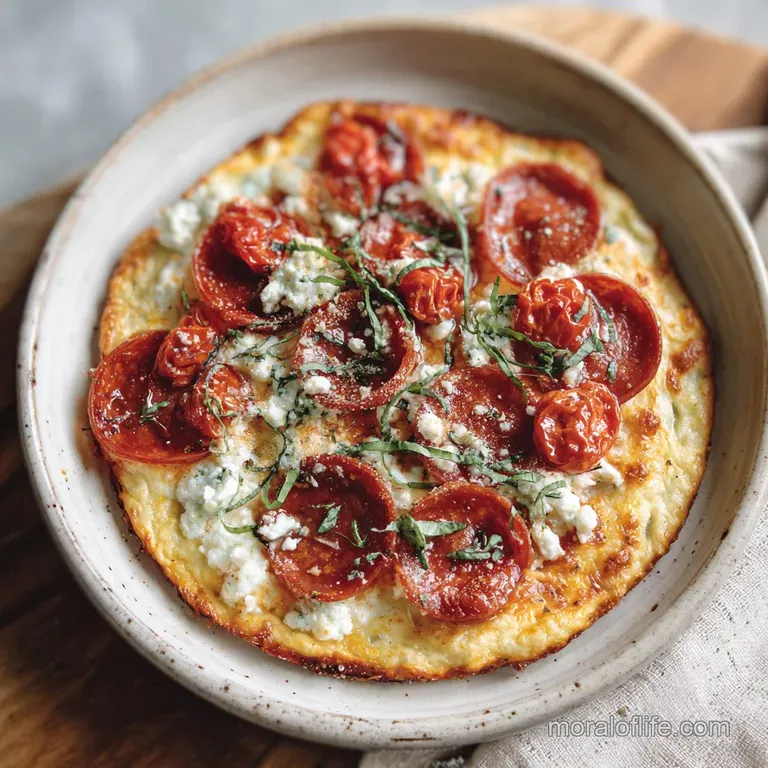
Phase 1: The Foundation
- Scoop the 1 cup of cottage cheese into a microwave safe bowl. Note: A wider, shallow bowl helps the toppings distribute more evenly.
- Stir in the 1/2 tsp Italian seasoning and 1/8 tsp garlic powder directly into the cottage cheese. Note: This ensures every bite of the base is seasoned, not just the top.
Phase 2: Building the "Crust"
- Spread the 1/4 cup of marinara sauce over the top of the cottage cheese. Note: Use the back of a spoon to create a thin, even layer like a real pizza.
- Layer the 2 oz of shredded chicken breast over the sauce. Note: Press the chicken down slightly so it stays moist during the heating process.
Phase 3: Thermal Application
- Sprinkle the 1/4 cup of mozzarella cheese over the chicken. until it completely covers the surface.
- Arrange the 12 mini pepperonis on top of the mozzarella. Note: Placing them on top allows the edges to crisp up.
- Microwave on high for 2 minutes until the mozzarella is bubbly and translucent.
Phase 4: The Finishing Touch
- Remove from the microwave carefully as the bowl will be hot. until the steam begins to dissipate.
- Dust the entire surface with 1 tbsp of grated parmesan cheese.
- Let it rest for 1 minute until the sauce thickens slightly.
Chef's Tip: If you have an extra 30 seconds, pop the bowl under the broiler after microwaving. It gives the mozzarella those beautiful brown spots that make the dish look like it came out of a brick oven.
Fixing Common Pizza Bowl Issues
Avoiding a Watery Bowl
Sometimes, cottage cheese can release excess liquid when heated, especially if it's a lower fat brand. This creates a "soupy" pizza which isn't the vibe we're going for. If you notice liquid pooling at the edges, it's usually because the curds are breaking down too fast or the marinara is too thin.
Cold Centers in Bowls
Since this is a dense, protein heavy dish, the center can sometimes stay chilly while the edges are lava hot. This happens most often in deep, narrow bowls where the microwaves can't reach the core efficiently.
| Problem | Root Cause | Solution |
|---|---|---|
| Liquid Pooling | low-fat cheese moisture | Use 4% milkfat or strain the cheese through a mesh sieve first. |
| Rubbery Mozzarella | Overcooking | Heat in 30 second intervals once the 2 minute mark is hit. |
| Cold Center | Dense layering | Use a shallow bowl and stir the base halfway through. |
Common Mistakes Checklist
- ✓ Always use a microwave safe bowl to avoid cracking or chemical leaching.
- ✓ Don't skip the seasoning in the base; the cottage cheese needs that flavor boost.
- ✓ Avoid fat free cottage cheese as it tends to weep water rather than melt.
- ✓ Ensure your chicken is already cooked, as the 3 minute cook time isn't enough to safely cook raw meat.
- ✓ Let the bowl sit for 60 seconds after cooking to allow the proteins to set.
If you enjoy the flavors here but want a more traditional "hand held" feel, the technique is very similar to preparing the filling for a Garlic Bread Grilled Cheese recipe, where moisture control is key.
Scaling for Family or Prep
Downscaling (Solo Snacking)
If you only want a light snack, you can easily cut this recipe in half. Use a small ramekin and reduce the microwave time to 90 seconds. Be careful with the seasoning; when you use only 1/2 cup of cottage cheese, a full 1/2 tsp of Italian seasoning can become overwhelming. Stick to a pinch.
Upscaling (Family Dinner)
- Batching
- Use separate bowls for each person to ensure the "pizza" layers stay intact.
- Oven Method
- If making four or more, use a 9x13 baking dish. Bake at 375°F (190°C) for 15 minutes.
- Seasoning
- When doubling, keep the spices at 1.5x rather than a full 2x to avoid the saltiness becoming too intense.
| Component | Fresh Prep | Shortcut Method | Impact |
|---|---|---|---|
| Marinara | Homemade simmered | Jarred low sugar | Jarred is faster with similar flavor |
| Chicken | Poached at home | Rotisserie chicken | Rotisserie adds more salt/flavor |
| Cheese | Block grated | Pre shredded | Pre shredded melts slightly less smooth |
For a larger group, you might consider pairing this with a Cottage Cheese Flagel recipe to provide a bread like element for dipping into the cheesy sauce.
Debunking Kitchen Pizza Myths
A common misconception is that cottage cheese cannot be heated because it will "curdle." In reality, cottage cheese is already curdled that's what the curds are! Heating it actually softens the structure of the casein, making it more pliable and creamy. It doesn't "break" like a delicate cream sauce would.
Another myth is that you must use low-fat cheese to make this "healthy." Actually, using full fat cottage cheese provides better satiety and a much more velvety mouthfeel. The small difference in calories is usually offset by the fact that the higher fat content keeps you full much longer than the watery, fat free versions.
Smart Storage and Zero Waste
Storage: This bowl is best enjoyed fresh, but you can keep leftovers in the fridge for up to 3 days. To reheat, add a splash of water or a teaspoon of extra marinara to prevent it from drying out. Microwave in 45 second bursts, stirring occasionally.
I don't recommend freezing this dish, as the texture of the cottage cheese can become grainy once thawed.
Zero Waste: Don't throw away those leftover pepperoni slices! If you have a few left in the bag, crisp them up in a pan and toss them into a salad for a "pizza crouton" effect. If you have leftover marinara, freeze it in an ice cube tray.
Each cube is roughly 2 tablespoons, which is the perfect portion for your next Pizza Bowl. You can also use the stems from any fresh herbs you might have added to flavor a quick vegetable stock for future soups. Simple, dependable, and nothing goes to waste.
Very High in Sodium
1560 mg mg of sodium per serving (68% % of daily value)
The American Heart Association recommends limiting sodium intake to about 2,300mg per day for overall health.
Sodium Reduction Tips
-
Low-Sodium Cheese Swap-20%
Replace the shredded part skim mozzarella and parmesan cheese with low-sodium versions. This can significantly cut down on sodium.
-
Low-Sodium Marinara-15%
Opt for a low-sodium marinara sauce or even better, make your own from scratch. Many store-bought sauces are high in sodium.
-
Unsalted Chicken-10%
Ensure the cooked, shredded chicken breast is prepared without added salt or sodium containing seasonings. Season after cooking to control sodium intake.
-
Spice It Up!
Use a variety of herbs and spices, like black pepper, onion powder, or smoked paprika, to enhance flavor without adding sodium. Experiment with different blends!
-
Reduce Pepperoni-15%
Cut the number of mini pepperonis in half. Processed meats are typically very high in sodium.
Recipe FAQs
Are cottage cheese bowls good for you?
Yes, generally they are excellent for you. They offer a very high dose of lean protein which aids satiety and muscle recovery. This recipe keeps carbs low by skipping the traditional crust.
Why is my cottage cheese pizza bowl runny?
It is likely due to using low-fat cottage cheese. Fat content stabilizes the protein structure during heating; lower fat versions release more whey (water). Use 4% milkfat or strain your cheese first for a thicker result.
Can I use cottage cheese instead of mozzarella on pizza?
No, use them together for the best result. Cottage cheese acts as the creamy, high protein base layer, but it lacks the necessary elastic melt of mozzarella. If you enjoy experimenting with creamy bases, see how the emulsification principle applies in our Mac n Cheese recipe recipe.
How many calories are in a cottage cheese pizza bowl?
Expect approximately 300 380 calories per bowl. This estimation depends heavily on the fat content of your cottage cheese and the quantity of pepperoni used. It remains a very low-calorie, high protein meal replacement.
How do I prevent the center from staying cold after microwaving?
Switch to a shallow, wider bowl instead of a deep one. Deep bowls shield the center mass from microwave energy absorption, leading to uneven heating. If you enjoy quick, crispy textures, you can adapt this heating logic to our Crispy Air Fryer recipe.
Is it true you must use 4% milkfat cottage cheese?
No, this is a common misconception, but highly recommended. While you can use 2% or 1%, the higher fat content (4%) provides superior creaminess and prevents weeping, making the final texture much more satisfying and less watery.
What is the best way to add deeper, complex savory flavor?
Incorporate a very small amount of umami boosters into the base. Whisking in 1/4 teaspoon of Worcestershire sauce before microwaving adds necessary depth. This layering of flavor is similar to how we build complexity in a fast sauce like our Worcestershire Sauce Ready recipe.
Cottage Cheese Pizza Bowl
Ingredients:
Instructions:
Nutrition Facts:
| Calories | 514 kcal |
|---|---|
| Protein | 53.3 g |
| Fat | 25.1 g |
| Carbs | 13.6 g |
| Fiber | 2.0 g |
| Sugar | 10.5 g |
| Sodium | 1560 mg |
