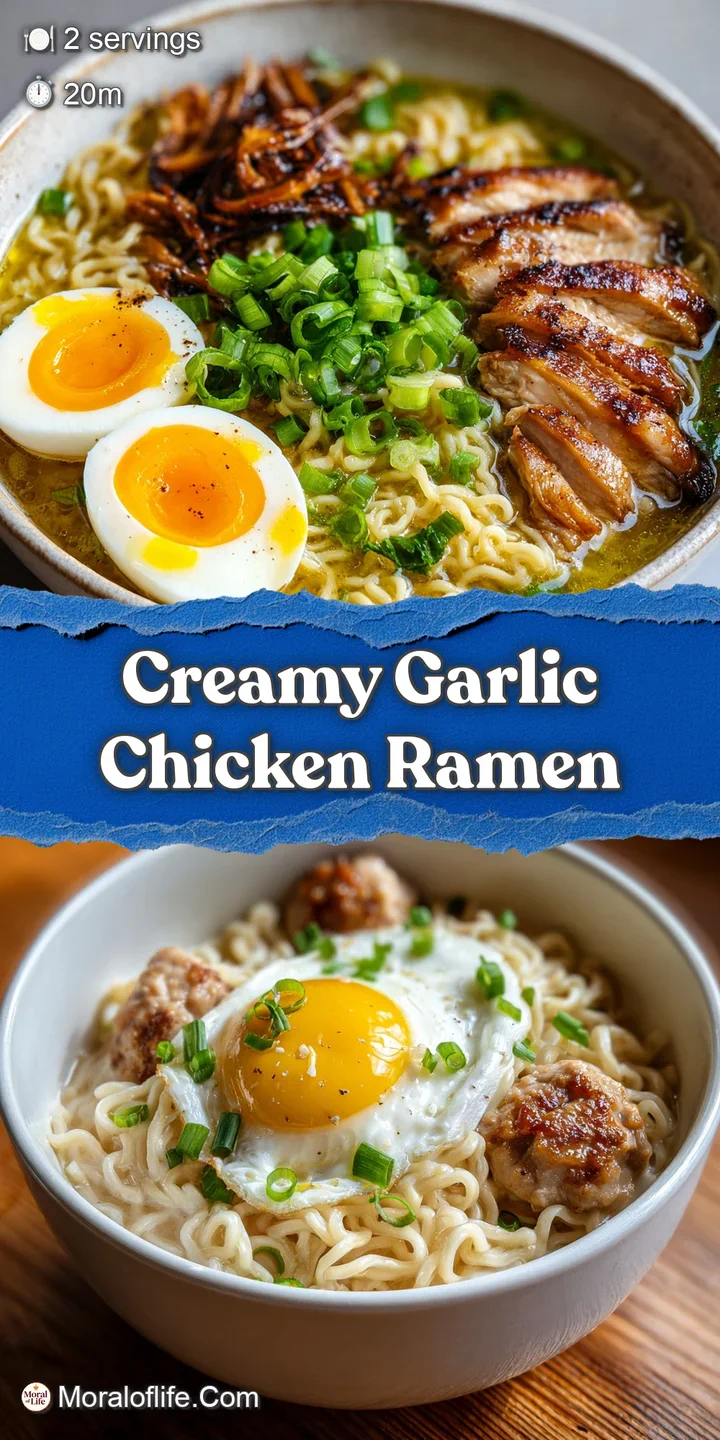
Creamy Garlic Chicken Ramen: Velvety & Quick
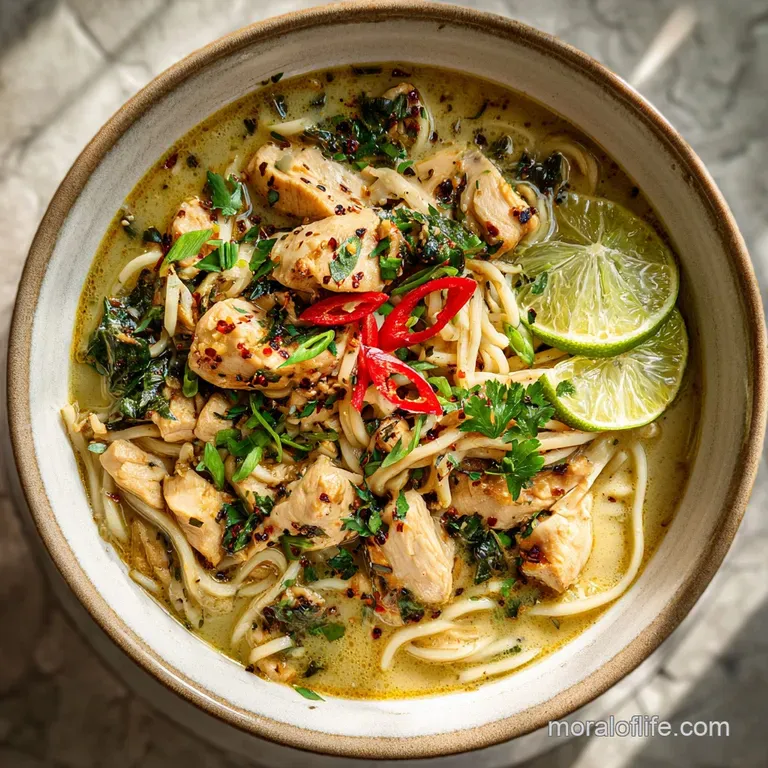
- Time: Active 10 minutes, Passive 10 minutes, Total 20 minutes
- Flavor/Texture Hook: Velvety, garlic forward sauce with tender seared chicken
- Perfect for: A dependable Tuesday night dinner that feels like a weekend treat
- Why This Creamy Garlic Chicken Ramen Always Hits The Spot
- How Emulsification Creates The Most Velvety Ramen Sauce Ever
- Important Success Markers For Your Perfect Ramen Cooking Session
- Fresh Components Needed For This Dependable Homemade Ramen Bowl
- Minimal Kitchen Tools Needed To Make This Quick Dinner
- Master The Simple Steps For A Silky Ramen Bowl
- How To Fix Common Issues And Save Your Sauce
- Simple Ingredient Swaps And Reliable Scaling For Larger Groups
- Smart Storage Tips To Keep Your Ramen Leftovers Fresh
- Delicious Side Dish Pairings To Complete Your Comfort Meal
- Very High in Sodium
- Recipe FAQs
- 📝 Recipe Card
Why This Creamy Garlic Chicken Ramen Always Hits The Spot
I remember one particularly rainy Tuesday when everything that could go wrong, did. I came home late, soaking wet, and the last thing I wanted to do was stand over a boiling pot for an hour. I needed a hug in a bowl, but I also didn't want to settle for a soggy, flavorless packet of instant soup.
That was the night this Creamy Garlic Chicken Ramen was born out of pure necessity and whatever I had left in the fridge.
The first time I swirled the heavy cream into the sizzling garlic butter, the aroma filled my kitchen and instantly settled my nerves. There is something truly grounding about the way garlic softens in butter it’s the scent of a home cooked meal even when you’re taking shortcuts.
When I finally sat down with that bowl, the sauce was so silky it felt like something from a high end noodle shop, not a 20 minute kitchen experiment.
We’ve all had those nights where we want something impressive but only have the energy for something simple. This recipe is my secret weapon for those moments. It’s dependable, it’s fast, and it uses minimal tools so you aren't stuck with a mountain of dishes afterward.
Trust me, once you try this version, you’ll never look at those little dried noodle packs the same way again.
How Emulsification Creates The Most Velvety Ramen Sauce Ever
The secret to this texture lies in the physics of a fat in-water emulsion. When we whisk heavy cream and cold butter into the chicken broth, the fats are broken into tiny droplets that stay suspended in the liquid, creating a thick, clinging sauce rather than a thin soup.
- Maillard Reaction: Searing the chicken strips at high heat creates brown compounds on the surface, adding deep savory notes to the oil used for the sauce.
- Starch Suspension: Even though we discard the flavor packets, a tiny amount of residual starch from the cooked noodles helps bind the cream and broth together.
- Aromatic Infusion: Mincing the 5 cloves of garlic fresh allows the allicin to develop, which provides that sharp, punchy kick that cuts through the richness of the cream.
Similar to the technique I use in my Cowboy Butter Garlic recipe, the goal is to build layers of flavor in a single pan. By using the same skillet for the chicken and the sauce, we capture every bit of browned protein flavor.
Important Success Markers For Your Perfect Ramen Cooking Session
When you’re aiming for a dependable meal, knowing exactly when things are "done" is the biggest hurdle. This table helps you hit those marks without second guessing yourself.
| Thickness | Internal Temp | Rest Time | Visual Cue |
|---|---|---|---|
| 1/4 inch strips | 165°F | 2 minutes | Opaque center, golden edges |
| Sauce Reduction | N/A | 1 minute | Coats the back of a spoon |
| Noodle Texture | N/A | Immediate | Springy and slightly translucent |
Success with this dish depends on not overcomplicating the process. If you want a richer bowl, use full fat heavy cream. If you want it lighter, you can use half and half, but be aware the sauce won't be quite as velvety. If you’re looking for a spicy kick, add a teaspoon of chili crisp at the very end.
Fresh Components Needed For This Dependable Homemade Ramen Bowl
The beauty of this dish is that it relies on a few high-quality ingredients rather than a long list of fillers. Using 5 cloves of fresh garlic isn't a suggestion it’s the foundation of the entire flavor profile.
Component Analysis
| Ingredient | Science Role | Pro Secret |
|---|---|---|
| Chicken Breast | Protein structure | Slice against the grain for maximum tenderness |
| Heavy Cream | Emulsifying agent | Use at room temp to prevent the sauce from breaking |
| Garlic | Flavor foundation | Don't use the jarred stuff; fresh cloves provide better bite |
| Avocado Oil | High smoke point | Perfect for searing chicken without the oil smoking or burning |
Ingredient Swaps
| Original Ingredient | Substitute | Why It Works |
|---|---|---|
| Heavy Cream (0.5 cup) | Coconut Milk (full fat) | High fat content. Note: Adds a distinct tropical flavor profile |
| Chicken Breast (250g) | Firm Tofu (pressed) | Absorbs the garlic sauce well but lacks the Maillard browning |
| Avocado Oil (1 tbsp) | Grapeseed Oil | Similar high smoke point and neutral flavor for clean searing |
| Unsalted Butter (2 tbsp) | Ghee | Provides the same fat content but with a higher smoke point |
Using low sodium soy sauce is a smart move here because it allows you to control the saltiness. Between the salted noodles and the broth, a regular soy sauce can sometimes tip the dish over into being too salty.
Minimal Kitchen Tools Needed To Make This Quick Dinner
You don't need a professional kitchen for this. In fact, using too many tools just makes the cleanup harder. I stick to one large skillet (12 inch is best) and one medium pot for the noodles.
- Large Skillet: A heavy bottomed pan, like a Lodge cast iron or a thick stainless steel skillet, ensures even heat distribution for the chicken.
- Tongs: These are essential for flipping the thin chicken strips quickly and for tossing the noodles in the sauce to ensure even coating.
- Microplane or Garlic Press: This ensures the 5 cloves of garlic are fine enough to melt into the butter without leaving chunky, raw bits.
If you find yourself frequently making pan sauce dishes, investing in a good whisk is also helpful. It’s the same tool I recommend for getting that silky finish on my Steak Sauce Recipe, as it helps emulsify the fats into the broth much faster than a spoon.
Master The Simple Steps For A Silky Ramen Bowl
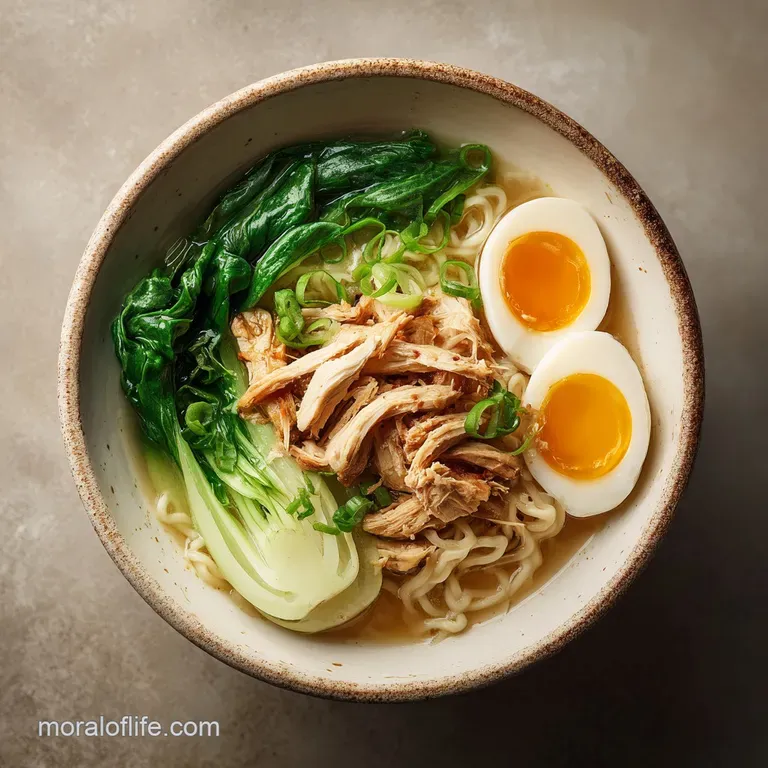
Follow these steps closely to ensure your chicken stays juicy and your sauce doesn't curdle. The timing is fast, so have all your ingredients prepped and ready before you turn on the stove.
Phase 1: The over High heat Sear
- Season the chicken. Toss your 250g of sliced chicken strips with 0.5 tsp garlic powder, 0.5 tsp salt, and 0.25 tsp cracked black pepper.
- Heat the pan. Add 1 tbsp avocado oil to your skillet over medium high heat until the oil shimmers.
- Sear the protein. Add the chicken in a single layer. Cook for 3 minutes per side until golden brown and cooked through. Note: Don't crowd the pan or the chicken will steam instead of searing.
- Rest the meat. Remove the chicken to a plate and let it rest while you build the sauce.
Phase 2: Building the Emulsion
- Boil the noodles. In a separate pot, cook the 180g of ramen noodles for 1 minute less than the package directions until they are barely tender. Drain and set aside.
- Sauté the aromatics. Reduce skillet heat to medium. Melt 2 tbsp unsalted butter and add the 5 minced garlic cloves. Sauté for 1 minute until fragrant but not browned.
- Deglaze the skillet. Pour in 1 cup chicken broth and 1 tbsp soy sauce. Scrape the bottom of the pan to release the flavorful browned bits.
- Thicken with cream. Whisk in 0.5 cup heavy cream and 1 tsp toasted sesame oil. Simmer for 2 minutes until the sauce slightly thickens.
Phase 3: The Final Assembly
- Combine everything. Add the cooked noodles and the seared chicken back into the skillet.
- Final toss. Use tongs to coat the noodles in the velvety sauce for 1 minute until everything is hot and glossy. Top with sliced green onions and serve immediately.
How To Fix Common Issues And Save Your Sauce
Sometimes things go sideways, especially if the heat gets too high. If your sauce looks like it’s separating, don't panic. You can usually save it with a splash of water and a vigorous whisk.
Why Is My Sauce Breaking?
This usually happens if the sauce boils too violently after the cream is added. The high heat causes the fats to separate from the liquid. To fix this, remove the pan from the heat immediately and whisk in a tablespoon of room temperature water or broth until it comes back together.
Quick Fix Table
| Problem | Cause | Fix |
|---|---|---|
| Grainy Sauce | Garlic burned | Start sauce over; burned garlic tastes bitter and ruined |
| Dry Noodles | Sauce reduced too much | Whisk in 2 tbsp of warm chicken broth or water |
| Rubbery Chicken | Overcooked | Slice thinner next time; pull at exactly 165°F |
Common Mistakes Checklist
- ✓ Pat the chicken strips dry with a paper towel before seasoning to get a better sear.
- ✓ Use a timer for the noodles one minute too long makes them gummy.
- ✓ Don't use the flavor packets; they contain too much sodium for this creamy version.
- ✓ Always mince the garlic fresh right before cooking for the best aroma.
- ✓ Allow the heavy cream to sit on the counter for 10 minutes before adding to the hot pan.
Simple Ingredient Swaps And Reliable Scaling For Larger Groups
If you’re cooking for a crowd, this recipe scales well, but you need to be careful with the liquids. Doubling the recipe works perfectly in a larger pot, but you might need to simmer the sauce slightly longer to reach that velvety thickness.
- Scaling Up (4 Servings): Use 500g chicken, 4 tbsp butter, and 1 cup heavy cream. However, only use 1.5 cups of broth instead of 2 to keep the sauce from becoming too thin.
- Scaling Down (1 Serving): Cut all ingredients in half exactly. A small 8 inch skillet is perfect for this to prevent the sauce from evaporating too quickly.
Comparison: Fresh vs. Shortcut
| Feature | Fresh Garlic & Cream | Jarred Garlic & Milk |
|---|---|---|
| Aroma | Pungent and sweet | Muted and slightly acidic |
| Texture | Velvety and clinging | Thin and prone to breaking |
| Prep Time | 10 minutes | 5 minutes |
Chef's Note: If you want to make this even faster, you can use pre cooked rotisserie chicken. Just skip the searing step and add the shredded chicken to the sauce at the very end to warm through. It's a lifesaver on those nights when you truly can't be bothered with raw meat.
Smart Storage Tips To Keep Your Ramen Leftovers Fresh
Ramen is notoriously difficult to store because the noodles act like little sponges, soaking up every drop of sauce until they become a giant, gummy block. However, if you have leftovers, you can still save them with a few tricks.
- Storage: Store in an airtight container in the fridge for up to 2 days. I don't recommend freezing this dish, as the cream sauce will likely shatter and separate when thawed.
- Reheating: Don't use the microwave if you can help it. Instead, put the leftovers in a small skillet over low heat. Add 2 tablespoons of chicken broth or water to loosen the sauce. Stir gently until heated through.
- Zero Waste: If you have leftover green onion ends, put them in a jar of water on your windowsill. They’ll regrow in about a week! Also, any leftover heavy cream can be used in your morning coffee or to finish a simple pasta sauce the next day.
Delicious Side Dish Pairings To Complete Your Comfort Meal
While this Creamy Garlic Chicken Ramen is a powerhouse on its own, adding a bright or crunchy side dish can balance the heavy cream. I personally love serving it with a simple cucumber salad dressed in rice vinegar and sesame oil to cut through the richness.
For a more substantial meal, a side of steamed broccoli or sautéed bok choy works wonders. The greens soak up any extra garlic sauce on the plate. If you're looking for something with a different texture, you might even pair this with a crispier option like my Fried Chicken Copycat recipe if you're hosting a "fakeaway" night at home.
Whatever you choose, remember that this dish is meant to be dependable and easy. Don't feel pressured to make a three course meal. Sometimes, a single bowl of silky noodles and a cold drink is all you need to turn a bad Tuesday around. Happy cooking!
Very High in Sodium
1645 mg mg of sodium per serving (72% of daily value)
The American Heart Association recommends limiting sodium intake to about 2,300mg per day.
Sodium Reduction Tips for Your Chicken Ramen
-
Low-Sodium Broth-30%
Replace the high-quality chicken broth with a low-sodium or no-sodium chicken broth. This simple swap can significantly reduce the sodium content.
-
Reduce Added Salt-25%
Reduce the amount of added salt from 0.5 tsp to 0.25 tsp or less. Taste and adjust accordingly. Small reductions can make a big difference.
-
Low-Sodium Noodles-20%
Since you are discarding the flavor packets from the ramen, consider switching to fresh ramen noodles or other low-sodium noodle options. Some instant ramen brands also offer lower sodium options, check the labels!
-
Dilute Soy Sauce-15%
Reduce the amount of low-sodium soy sauce, or further dilute it with water or rice vinegar before adding it to the dish. You could also try tamari, which is typically lower in sodium than soy sauce.
-
Unsalted Butter-10%
Ensure you are using unsalted butter and NOT salted butter. While 2 Tbsp isn't a large amount, every bit counts!
-
Flavor Boost
Enhance the flavor with fresh herbs and spices like ginger, chili flakes, or a squeeze of lemon juice. These sodium free additions create complex flavors.
Recipe FAQs
How to make your chicken ramen creamy?
Whisk in heavy cream and cold butter at the end. You must reduce the broth slightly first, then whisk in the dairy off direct heat to create a stable emulsion that clings to the noodles.
What do they put in ramen to make it creamy?
Heavy cream and unsalted butter are the primary emulsifiers. These fats suspend in the broth, thickening the texture dramatically without needing cornstarch or flour.
What's the difference between chicken ramen and creamy chicken ramen?
Creamy chicken ramen contains added dairy fat to create a velvety sauce. Standard chicken ramen relies only on the flavored broth base for liquid texture, resulting in a much thinner soup consistency.
Is ramen ok to eat when losing weight?
Yes, but you must control the fat and sodium content. This recipe uses heavy cream, which increases calories, so portion control is key. You can substitute the cream with evaporated milk for a lighter, lower fat sauce base.
How to avoid having the sauce break or look curdled?
Remove the pan from the heat before adding the cream and whisk constantly. High heat causes the fat proteins to separate from the water base; if this happens, whisk in a tablespoon of room temperature broth to re-emulsify the sauce.
How to ensure the seared chicken is tender and not tough?
Sear the chicken quickly over medium high heat and pull it when it reaches 165°F internally. Slicing the chicken thinly against the grain before cooking also significantly increases tenderness, similar to the technique used in our High Protein Honey Garlic recipe.
How to add a cheesy flavor without compromising the velvety texture?
Whisk in a small amount of finely grated Parmesan cheese right at the end. Ensure the heat is very low, as Parmesan melts quickly; this technique is similar to the flavor build in a proper Alfredo and Pesto recipe, allowing cheese to enrich without clumping.
Creamy Garlic Chicken Ramen
Ingredients:
Instructions:
Nutrition Facts:
| Calories | 1018 kcal |
|---|---|
| Protein | 52.4 g |
| Fat | 61.2 g |
| Carbs | 64.8 g |
| Fiber | 2.8 g |
| Sugar | 3.1 g |
| Sodium | 1645 mg |
