Creamy Garlic Mashed Potatoes
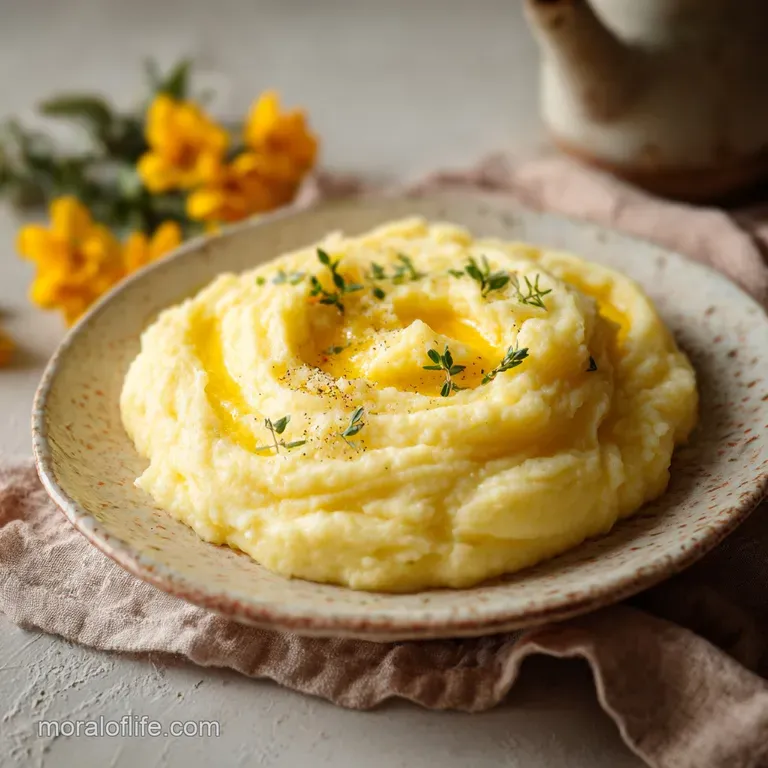
- Time: Active 10 minutes, Passive 12 minutes, Total 22 minutes
- Flavor/Texture Hook: Silky, garlic perfumed, and cloud like texture
- Perfect for: Weeknight dinners, holiday sides, or beginner cooks
- The Mechanics of Creamy Spuds
- Deep Dive Into Spud Components
- Essential Items for Smooth Results
- Everything Needed for the Dish
- Steps for the Perfect Mash
- Solving Common Mashed Potato Issues
- Making the Recipe Fit Your Life
- Dietary Adaptations and Variations
- Debunking Common Kitchen Beliefs
- Handling Leftovers and Reducing Waste
- Creative Ways to Serve Your Mash
- Recipe FAQs
- 📝 Recipe Card
The Mechanics of Creamy Spuds
Success in the kitchen often comes down to understanding how starch behaves when it meets water and heat. Most home cooks treat the boiling phase as a "set it and forget it" moment, but that's where the magic (or the disaster) happens. By starting with cold water, we ensure the potatoes cook at a uniform rate.
If you drop them into boiling water, the outside turns to mush before the center even thinks about softening. It's a simple change that makes a massive difference in the final consistency.
Cold Start Heating: Starting in cold water allows the starch granules to swell gradually, preventing the outer layers from dissolving into the water.
Thermal Infusion: Warming the milk and butter with garlic allows the fat to carry the aromatics deep into the potato cells without adding raw onion like bite.
Starch Dehydration: Returning the drained potatoes to a hot pot for 60 seconds evaporates the surface water that would otherwise make your mash feel thin or watery.
Acidic Brightness: The Greek yogurt adds a subtle tang that cuts through the heavy butter, making the dish feel lighter and more complex on the palate.
| Feature | Fast Method (This Recipe) | Classic Method |
|---|---|---|
| Boil Time | 12 minutes | 25-30 minutes |
| Fat Source | Butter + Greek Yogurt | Heavy Cream + Butter |
| Texture Result | Silky and Velvety | Heavy and Rich |
The choice between a fast method and a classic one often comes down to how much time you have on a weeknight. The classic method usually involves larger chunks of potato or even boiling them whole, which takes significantly longer.
By cubing our Yukon Golds into 1 inch pieces, we slash the cook time to just 12 minutes while maintaining all the structural integrity of the starch. This isn't just about speed; it's about efficiency and getting that dependable result every single time you cook.
Deep Dive Into Spud Components
Choosing the right ingredients is the difference between a side dish that gets ignored and one that people ask for seconds of. For this mashed potatoes recipe, I always reach for Yukon Golds because of their naturally buttery flavor and medium starch content.
They hold their shape better than Russets but mash more smoothly than red potatoes. It's the "Goldilocks" of the potato world, and trust me, they are worth the extra few cents at the grocery store for the color alone.
| Ingredient | Science Role | Pro Secret |
|---|---|---|
| Yukon Gold Potatoes | Medium starch structure | Provides a naturally creamy yellow hue without extra dye |
| Unsalted Butter | Fat emulsification | Cube it first so it melts evenly into the milk infusion |
| Greek Yogurt | Protein and Acidity | Adds a velvety "cling" to the potatoes that milk alone lacks |
| Smashed Garlic | Aromatic Infusion | Smashing releases oils without the bitter burn of minced garlic |
Adding the yogurt is a budget smart move that mimics the richness of sour cream or heavy cream but with a much better nutritional profile and a cleaner finish. I've found that using unsalted butter is also vital because it gives you total control over the seasoning.
You'll be adding sea salt to the boiling water and kosher salt at the end, so starting with salted butter often tips the scales into "too salty" territory.
Essential Items for Smooth Results
While you don't need a high tech kitchen to pull this off, a few specific tools will make your life significantly easier. I've tried mashing potatoes with everything from a fork to a heavy duty whisk, and nothing beats a ricer for that professional, lump free finish.
If you don't have one, a standard potato masher works, but you'll need to put in a little more elbow grease to ensure every cube is pulverized.
The pot you choose also matters more than you might think. A heavy bottomed stainless steel pot is my go to because it retains heat beautifully during the steam dry phase. This is the part where you shake the pot over low heat to get rid of that extra moisture.
A thin, cheap pot might scorch the bottom of your potatoes before the steam has a chance to escape. It's these small equipment choices that turn a good meal into a great one.
- Large Pot: Must be big enough to hold 3 lbs of potatoes and at least 2 inches of water cover.
- Small Saucepan: For warming the milk, butter, and garlic infusion.
- Potato Ricer: The gold standard for a velvety texture.
- Colander: For thorough draining (don't let them sit in the sink too long!).
- Silicone Spatula: Perfect for folding in the milk without overworking the starch.
Everything Needed for the Dish
When you head to the store, make sure you're looking for firm, unsprouted potatoes. If the skin is starting to look green, put it back! That's a sign of solanine, which can taste bitter. This mashed potatoes recipe is all about quality over quantity, so picking the best produce is your first step toward success.
- 3 lbs Yukon Gold potatoes: Peeled and diced into 1 inch cubes. Why this? They have a natural buttery flavor and the perfect starch to moisture ratio.
- 1 tbsp sea salt: For the boiling water. Why this? Seasoning from the inside out is the only way to avoid bland spuds.
- 1/2 cup whole milk: Any percentage works, but whole milk is best. Why this? Provides the liquid base for our aromatic infusion.
- 1/2 cup unsalted butter: Cubed into small pieces. Why this? Allows for controlled melting and precise salt management.
- 3 cloves garlic: Smashed with the side of a knife. Why this? Infuses the milk with flavor without the grit of raw garlic bits.
- 1/4 cup Greek yogurt: Plain and full fat if possible. Why this? The secret ingredient for a bright, tangy, and silky finish.
- 1 tsp kosher salt: For the final seasoning. Why this? Larger crystals melt slowly and provide a more balanced saltiness.
- 1/2 tsp freshly cracked black pepper: Grind it fresh for the best aromatics. Why this? Pre ground pepper often tastes like dust; fresh has a woody bite.
- 2 tbsp chives: Finely minced for garnish. Why this? Adds a necessary pop of color and a mild onion like crunch.
Steps for the Perfect Mash
- Prep the potatoes. Peel 3 lbs of Yukon Golds and dice them into uniform 1 inch cubes. Note: Uniformity ensures every piece finishes cooking at the exact same time.
- Start the boil. Place the cubes in a large pot and cover with cold water by at least an inch. Add 1 tablespoon of sea salt.
- Simmer until tender. Bring the pot to a boil, then reduce the heat to a simmer for 10-12 minutes until a fork slides in with zero resistance.
- Infuse the aromatics. While the potatoes are boiling, combine 1/2 cup whole milk, 1/2 cup cubed butter, and 3 smashed garlic cloves in a small saucepan over low heat. Warm until the butter is fully melted and fragrant. Do not let it boil!
- Drain the pot. Pour the potatoes into a colander, shaking them well to remove as much water as possible.
- The steam dry trick. Return the potatoes to the hot, empty pot over very low heat for 60 seconds. Shake the pot gently until you see steam rising and the potatoes look dry.
- Process the spuds. Remove the garlic cloves from the warm milk and discard them. Use a ricer to process the hot potatoes into a large mixing bowl.
- The velvet fold. Slowly pour in the warm milk and butter mixture. Add 1/4 cup Greek yogurt. Fold gently with a spatula until just incorporated.
- Final seasoning. Stir in 1 tsp kosher salt and 1/2 tsp black pepper. Taste and adjust if necessary.
- Garnish and serve. Transfer to a warm serving bowl and top with minced chives. Serve immediately while the texture is at its peak.
Chef's Note: If you want a deeper chocolatey like richness in savory dishes, some people add a pinch of nutmeg, but for this specific garlic version, the Greek yogurt is your best friend.
Solving Common Mashed Potato Issues
Even with a dependable recipe, things can sometimes go sideways in the kitchen. The most common heartbreak is the "gluey" potato. This usually happens because the starch was overworked. Think of starch like tiny balloons; if you hit them too hard with a hand mixer or a food processor, they pop and release a sticky substance that turns your mash into a gummy mess. If this happens, don't panic! You can transform them into something like my Potato Cheese Sticks which actually benefit from a sturdier texture.
The "Gluey" Texture Fix
This happens when you use a high speed tool like a blender or hand mixer. The mechanical action breaks the starch cells. Once it's gluey, you can't really "un glue" it, but you can fold in a little extra melted butter to help it slide on the tongue better. Next time, stick to a ricer or a hand masher.
Fixing Watery Spuds
If your potatoes feel thin and soupy, you likely skipped the steam drying phase or didn't drain them well enough. To fix this, you can stir in a tablespoon of instant potato flakes (a secret hack!) or place the mash back in a pot over very low heat, stirring constantly to cook off the excess moisture.
Adjusting Salt Balance
If you accidentally over salted the boiling water, your potatoes might be too punchy. To fix an over salted mash, add an extra dollop of Greek yogurt or a splash more milk. The fat and acidity will help neutralize the saltiness.
| Problem | Root Cause | Solution |
|---|---|---|
| Lumpy Mash | Underboiled potatoes | Boil until a fork slides in effortlessly; no resistance allowed |
| Cold Mash | Cold milk added to hot spuds | Always warm your milk and butter before mixing |
| Bland Flavor | Not enough salt in the water | Season the boiling water heavily; the potato must absorb it |
Common Mistakes Checklist
- ✓ Always start potatoes in cold water to ensure even cooking from core to surface.
- ✓ Never use a blender or food processor, as this creates a gummy, inedible texture.
- ✓ Steam dry the potatoes for a full 60 seconds after draining to remove hidden water.
- ✓ Warm your dairy components before adding them to the hot potatoes to keep the temperature up.
- ✓ Let the potatoes sit in the colander for no more than 30 seconds before ricing; they must be hot!
Making the Recipe Fit Your Life
If you're cooking for a larger crowd, scaling this mashed potatoes recipe is quite simple, but there are a few rules to follow. When doubling the recipe to 6 lbs of potatoes, you don't necessarily need to double the salt in the boiling water. I usually go to 1.5 times the salt to avoid a salt bomb. However, do double the butter and milk to maintain that velvety mouthfeel. If you have leftovers, they make an incredible base for my German Potato Pancakes the next morning.
For a smaller household, you can easily halve this. Use 1.5 lbs of potatoes and about 1/4 cup each of milk and butter. When working with smaller quantities, the potatoes tend to cool down faster, so work quickly once they are drained.
You might only need one large garlic clove for the infusion since the flavor can become quite concentrated in smaller batches.
- For Extra Richness
- Swap the Greek yogurt for cream cheese (use about 2 oz).
- For a Vegan Version
- Use high-quality vegan butter and unsweetened almond milk with a squeeze of lemon.
- For a Skin on Mash
- Use Red Bliss potatoes and skip the peeling; just scrub them well before dicing.
Dietary Adaptations and Variations
This recipe is naturally vegetarian and gluten-free, making it a dependable choice for almost any dinner party. But we live in a world of varied needs, so it's good to have a few tricks up your sleeve.
The Greek yogurt is already a smart swap for those looking to avoid the heavy fats of traditional cream, but you can push it even further depending on what's in your fridge.
Mashed Potatoes Recipe Without Milk
If you've run out of milk, don't worry. You can use the starchy potato boiling water (save about 1/2 cup before draining) mixed with extra butter. The starch in the water helps emulsify the fat, creating a surprisingly creamy result. It won't be as white or "milky," but the flavor of the potato really shines through.
Mashed Potatoes Recipe With Sour Cream
This is the classic "Loaded" style. Simply swap the 1/4 cup of Greek yogurt for an equal amount of full fat sour cream. This will give you a slightly heavier, more traditional tang that pairs perfectly with steak or roast chicken.
Instant Pot Mashed Potatoes Recipe
If you're short on stovetop space, place the cubed potatoes and salted water in the Instant Pot. Cook on High Pressure for 8 minutes, followed by a quick release. Drain and proceed with the steam drying and mashing steps as usual. It's a great time saver on busy nights.
Debunking Common Kitchen Beliefs
One of the most persistent myths is that you should "seal" the potato by putting it into boiling water. This actually does the opposite! It shocks the outside, causing it to flake off into the water while the inside stays hard. Always, always start with cold water.
It's the only way to get that perfectly even cook that allows the ricer to do its job properly.
Another thing people get wrong is the idea that "more butter is always better." While I love butter as much as the next cook, there is a point of diminishing returns where the potato can no longer absorb the fat. This leads to a greasy pool at the bottom of the bowl.
By using the Greek yogurt, we provide a different kind of creaminess that doesn't rely solely on fat, creating a more balanced and "repeatable" dish that won't leave you feeling weighed down.
Finally, don't believe the myth that you have to peel potatoes before boiling to get them smooth. While this recipe calls for peeling (for that classic look), you can actually boil them with the skins on and peel them while hot.
However, for a 22 minute total time, peeling and dicing before boiling is the superior method for speed and consistency.
Handling Leftovers and Reducing Waste
Mashed potatoes are the gift that keeps on giving, provided you store them correctly. They will stay fresh in an airtight container in the fridge for up to 3 days. To reheat them without losing that silky texture, I recommend the "volcano" method: make a hole in the center of the potatoes in a microwave safe bowl, add a splash of milk, and cover.
Heat in 30 second increments, stirring in between. This prevents the edges from drying out while the center stays cold.
If you find yourself with potato peels, don't toss them! Toss them with a little olive oil, salt, and pepper, and roast them at 400°F (200°C) until they are crispy. They make a fantastic chef's snack while you finish the rest of the meal.
If you have a large amount of leftovers that you won't get through in three days, you can actually freeze them. The high fat content in this recipe (thanks to the butter and yogurt) helps them freeze better than low-fat versions.
Freezing Tip: Scoop individual portions onto a parchment lined baking sheet and freeze until solid, then transfer to a freezer bag. They'll last for 2 months. To reheat, just drop a frozen puck into a small saucepan with a splash of milk over low heat.
It’s the ultimate zero waste hack for a busy weeknight.
Creative Ways to Serve Your Mash
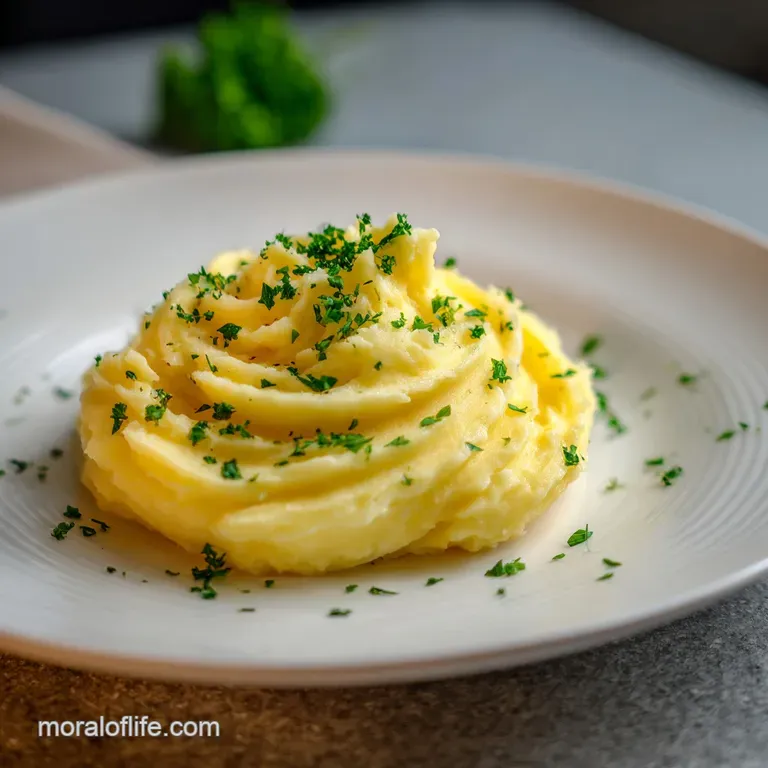
While these potatoes are a star on their own, the way you present them can really boost the experience. I like to create deep swirls in the top of the bowl with the back of a spoon, then drizzle a tiny bit of extra melted butter into the "canyons." This creates little pools of liquid gold that look beautiful when the chives are sprinkled on top.
This mashed potatoes recipe is the ultimate partner for savory gravies, roasted meats, or even a simple vegetarian mushroom ragout. If you're feeling adventurous, you can fold in some roasted garlic paste or a handful of grated sharp cheddar at the very end.
The base is so dependable that it can handle almost any flavor profile you throw at it. Whether it's a normal Tuesday or a holiday feast, these spuds are sure to be the part of the meal everyone remembers.
Try serving them in a pre warmed ceramic bowl to keep them hot throughout the meal. There is nothing sadder than cold mashed potatoes, so that extra step of warming the dish makes a world of difference. Enjoy the process, smell the garlic, and relish that first silky bite!
Recipe FAQs
What is the secret to really good mashed potatoes?
Steam drying the potatoes is the essential secret. After draining, return the potatoes to the hot pot for 60 seconds and shake them gently; this removes residual moisture, which allows the potatoes to better absorb the butter and milk.
Is milk or cream better for mashed potatoes?
Whole milk is the ideal choice. When warmed with butter and garlic, it creates a perfectly balanced, rich consistency without becoming overly heavy or greasy.
How to make the best mashed potatoes?
Use a ricer to process your potatoes while they are hot. This tool ensures a lump free, fluffy texture that you simply cannot achieve by hand mashing alone. If you enjoyed the precision required for this texture, notice how mastering similar equipment helps with the consistency in our Crispy Greek Potato recipe.
Can diabetics have mashed potatoes?
Consult with your healthcare provider for personalized dietary advice. Potatoes are a starchy vegetable, so portion control and the inclusion of Greek yogurt in this recipe help manage the overall glycemic impact.
Is it true I must boil the potatoes in hot water to start?
No, this is a common misconception. You must start with cold water to ensure the potatoes cook evenly from the center to the exterior; starting in hot water causes the outside to turn mushy while the middle stays raw.
How to fix potatoes that are too watery?
Return the potatoes to the pot over low heat. Cook them for an additional minute or two while stirring gently to evaporate excess water before you incorporate the milk and butter.
How to ensure the potatoes have the best flavor?
Infuse your milk with smashed garlic over low heat. This subtle infusion provides a deep, savory foundation that elevates the entire dish beyond simple potatoes and butter.
Creamy Garlic Mashed Potatoes
Ingredients:
Instructions:
Nutrition Facts:
| Calories | 332 kcal |
|---|---|
| Protein | 6.3 g |
| Fat | 16.3 g |
| Carbs | 40 g |
| Fiber | 5 g |
| Sugar | 1.3 g |
| Sodium | 400 mg |
