Grilled Salmon with Crispy Skin
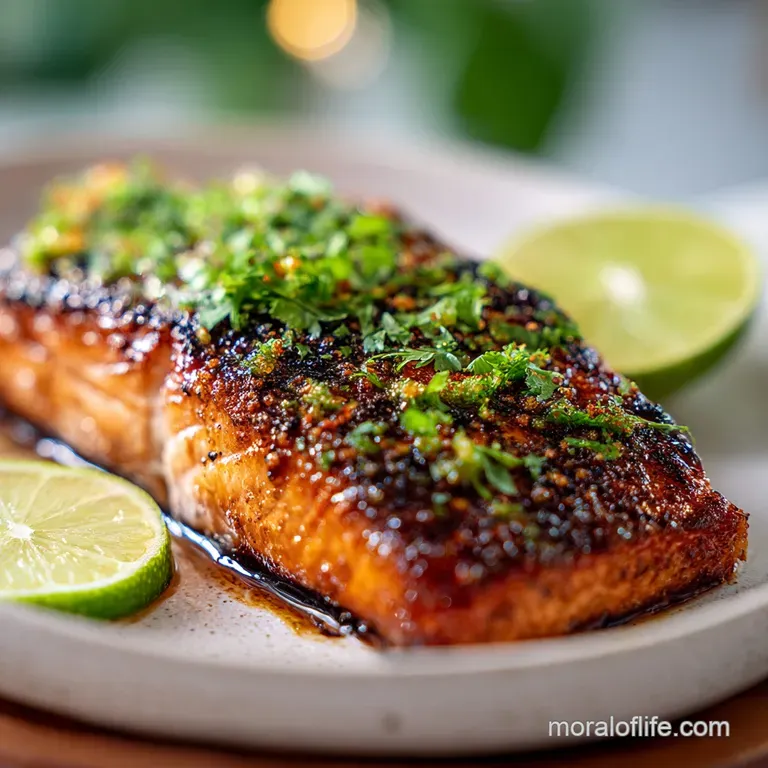
- Time: Active 15 minutes, Passive 10 minutes, Total 25 minutes
- Flavor/Texture Hook: Smoky, zesty, and shatter crisp skin
- Perfect for: Dependable weeknight dinners or casual summer hosting
- Perfecting Your Next Batch of Grilled Salmon
- The Secret to the Sear
- Analyzing the Core Components
- Essential Pieces for the Grill
- Mastering the High Heat Flip
- Solving Your Toughest Salmon Hurdles
- Bold Flavors and Creative Swaps
- Keeping Leftovers Fresh and Tasty
- Best Ways to Serve Tonight
- Recipe FAQs
- 📝 Recipe Card
Perfecting Your Next Batch of Grilled Salmon
That first sharp hiss when cold fish meets a smoking hot grate is one of my favorite kitchen sounds. I remember the first time I tried to make this for a date years ago. I didn't oil the grates, I poked at the fish every thirty seconds, and I ended up serving what looked like salmon flavored wood chips.
It was a disaster, but it taught me everything about what happens when you don't respect the heat.
Now, I treat this as a dependable Tuesday staple. It is fast, it is vibrant, and when you get that skin to shatter like glass under your fork, it feels like a massive win. We are using a simple herb heavy approach because that hit of lime juice and garlic balances the rich fat in the fish beautifully.
Ready to stop fearing the grill? Let's crack on.
Honestly, don't even bother with low-fat versions of this fish. You want those omega-3s to render down and create that silky mouthfeel. This recipe is all about managing the transition from raw to perfectly flaked without losing the moisture.
Trust me on this, once you nail the timing, you'll never order this at a restaurant again.
The Secret to the Sear
- Maillard Reaction
- High heat triggers a chemical reaction between amino acids and reducing sugars, creating that savory brown crust.
- Protein Denaturation
- The lime juice acidity begins breaking down protein chains, allowing the marinade to penetrate deeper before cooking.
- Thermal Carryover
- Removing fish 5 degrees early allows internal energy to finish the cook, preventing a dry, chalky center.
- Vapor Barrier
- A thin layer of oil on the grates creates a physical barrier that prevents proteins from bonding to the metal.
Doneness Cheat Sheet
| Fillet Thickness | Target Temp | Total Cook Time | Visual Cue |
|---|---|---|---|
| 1/2 inch | 125°F (52°C) | 4-6 minutes | Opaque halfway up sides |
| 1 inch | 130°F (54°C) | 8-10 minutes | Flakes easily with fork |
| 1.5 inches | 135°F (57°C) | 12-14 minutes | Firm touch, center pink |
Analyzing the Core Components
When we talk about choosing our elements, freshness is everything. A 6 oz fillet is the sweet spot for heat penetration. If you go too thin, it dries out before the skin gets that sizzle. If you go too thick, the outside burns while the inside stays cold.
| Ingredient | Science Role | Pro Secret |
|---|---|---|
| Salmon Fillets | Protein Structure | Keep skin on to act as a heat shield during the cook. |
| Lime Juice | Acidic Catalyst | Brightens the fat and helps the honey stick to the surface. |
| Smoked Paprika | Flavor Compound | Adds a deep red hue and mimics wood fired smokiness. |
Essential Pieces for the Grill
For this simple grilled salmon recipe, you don't need fancy gadgets. A solid set of long handled tongs is non negotiable so you don't singe your arm hair. I also highly recommend a fish spatula; it is thinner and more flexible than a standard burger flipper, which helps you get under the skin without tearing it.
If you are using a gas grill, make sure it has been running on high for at least 10 minutes. For charcoal, you want those coals covered in a light gray ash. You want the grates hot enough that they look like they are vibrating. That heat is what creates the non stick surface.
- 4 salmon fillets (6 oz each), skin on preferred Why this? The skin protects the flesh from drying out over direct flame.
- 3 tbsp extra virgin olive oil
- 2 tbsp fresh lime juice Why this? Cuts through the oily richness of the fish perfectly.
- 1 tbsp honey or maple syrup
- 2 cloves garlic, minced (approx. 10g)
- 1 tsp smoked paprika
- 0.5 tsp sea salt
- 0.25 tsp cracked black pepper
- 1 tbsp neutral oil (grapeseed or avocado oil)
- Fresh cilantro or parsley for garnish
- 1 lime, sliced into rounds
Smart Swap Options
| Original Ingredient | Substitute | Why It Works |
|---|---|---|
| Honey | Maple Syrup | Same sugar content. Note: Adds a woodsy, autumnal sweetness. |
| Lime Juice | Lemon Juice | Similar pH level; creates a traditional Mediterranean profile. |
| Smoked Paprika | Chili Powder | Provides heat and color. Note: Less smoky, more earthy finish. |
If you are looking for a side that is just as quick and shares that citrus vibe, this pairs perfectly with a Grilled Shrimp Bowl recipe. It keeps the kitchen cool and the flavors consistent across the whole meal.
Mastering the High Heat Flip
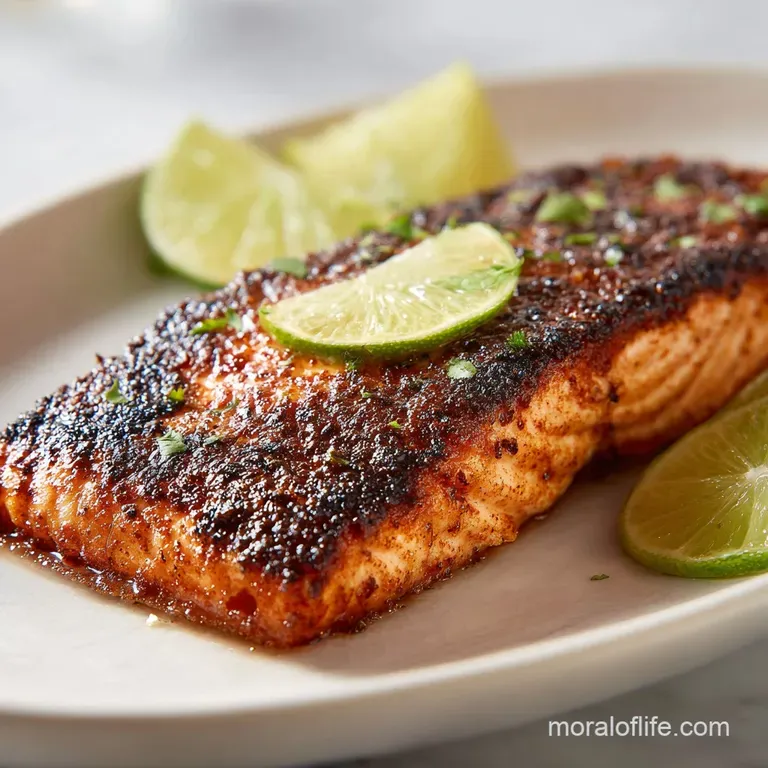
- Pat the salmon fillets dry with paper towels until the skin feels like parchment paper. Note: Surface moisture is the enemy of a good sear.
- Whisk the 3 tbsp olive oil, lime juice, honey, garlic, paprika, salt, and pepper in a small bowl.
- Brush the flesh side of the salmon generously with the marinade.
- Preheat the grill to medium high (400°F/200°C).
- Dip a folded paper towel in the neutral oil and rub it over the grates using tongs until they shine.
- Place the fillets on the grill, skin side down first.
- Close the lid and let them cook for 6 minutes without touching or moving them.
- Use a fish spatula to gently lift; if it resists, give it another 60 seconds.
- Flip the fish and cook for 2-4 minutes until the center is barely opaque.
- Transfer to a plate and let the fish rest for 3 minutes before garnishing with cilantro and lime rounds.
Get a Shattering Skin
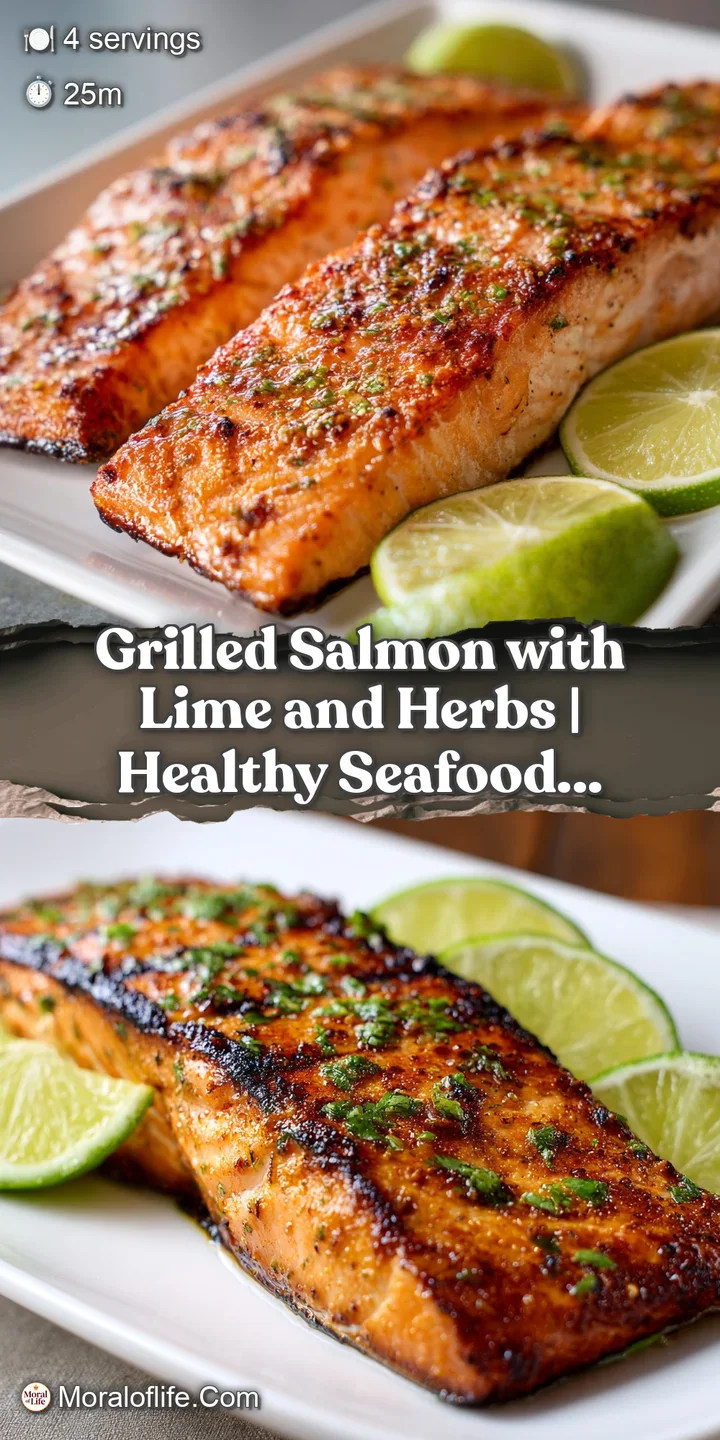
The trick here is the combination of high heat and zero movement. When you place the fish down, the proteins immediately begin to firm up. If you move it too soon, those proteins are still bonded to the metal. Wait for the "release."
Keep the Inside Velvety
Stop cooking when the internal temperature hits 130°F (54°C). The fish will look slightly underdone in the very center, but the carryover heat will finish the job while it rests on your plate.
Solving Your Toughest Salmon Hurdles
Minimize the White Gunk
That white stuff is called albumin. It is just a protein that gets pushed out of the muscle fibers when they contract too quickly. While it is safe to eat, it doesn't look great. You can minimize this by letting the fish sit at room temperature for 15 minutes before grilling so the temperature shock isn't as extreme.
If Fish Sticks to Grates
This usually happens because the grill wasn't hot enough or the grates weren't clean. If you find yourself in this spot, don't panic. Don't try to force it. Close the lid and let the heat build up; often the fish will "self release" once the skin is sufficiently dehydrated and charred.
Quick Fix Guide
| Problem | Root Cause | Solution |
|---|---|---|
| Rubbery skin | Low heat or too much oil | Increase heat to 400°F (200°C) and pat skin drier next time. |
| Dry, flaking edges | Overcooking | Pull the fish 5 minutes earlier; use a thermometer for precision. |
| Flavor is flat | Not enough acidity | Squeeze fresh lime juice over the fish immediately after grilling. |
Common Mistakes Checklist
- ✓ Forgetting to clean the grill grates with a wire brush before preheating.
- ✓ Using "cold" fillets straight from the fridge (results in uneven cooking).
- ✓ Over marinating for more than 30 minutes (the lime juice will turn the texture mushy).
- ✓ Crowding the grill, which drops the temperature and steams the fish.
- ✓ Skipping the resting period, which causes all the juices to run out.
Decision Shortcut: If you want a smokier finish, use wood chips or a cedar plank. If you want crispier skin, score the skin lightly with a knife before seasoning. If you want a milder flavor, swap the smoked paprika for dried dill.
Bold Flavors and Creative Swaps
For Bold Blackened Salmon Recipe
If you want to take this into "blackened" territory, increase the smoked paprika and add a teaspoon of onion powder and a pinch of cayenne. You will want to cook this on a cast iron griddle placed directly on the grill grates to get that iconic dark, spicy crust without losing the fish to the fire.
For Low Carb/Keto Swap
This recipe is already very low carb, but you can swap the honey for a monk fruit sweetener or just omit it entirely. The fat content in the salmon makes it a keto superstar. Serve it over a bed of sautéed spinach or cauliflower rice to keep the meal light but filling.
For a completely different vibe on a normal Tuesday, you could flake any leftovers and use them in a Garlic Bread Grilled Cheese recipe. It sounds wild, but the richness of the salmon with the crunch of the sourdough is incredible.
Ingredient Quality Check
| Feature | Fresh Wild Salmon | Shortcut (Frozen) |
|---|---|---|
| Texture | Firm and resilient | Can be slightly softer/watery |
| Prep Time | 5 minutes (rinse/dry) | 2 hours (thawing required) |
| Flavor | Deep, oceanic, rich | Mild, takes on marinades well |
Keeping Leftovers Fresh and Tasty
Grilled salmon is best the day it is made, but it will keep in the fridge for up to 2 days in an airtight container. I don't recommend the freezer for cooked salmon; the ice crystals break down the delicate cell walls, and it becomes grainy when you thaw it.
If you have leftovers, eat them cold on a salad rather than microwaving them, which can make the fish smell quite strong.
For zero waste, save those lime rinds! You can toss them into a pot of simmering water with some ginger to make a quick kitchen deodorizer. Also, any small bits of salmon that stuck to the grill can be scraped off and given to a very lucky cat or dog (as long as there's no onion or heavy garlic on those specific bits).
Best Ways to Serve Tonight
I love serving this with a big pile of grilled asparagus or a quick cucumber salad. The cooling effect of the cucumber against the chili lime salmon is a match made in heaven. If you are feeling extra, a dollop of Greek yogurt mixed with lime zest and more cilantro makes a fast "crema" to drizzle over the top.
Chef's Tip: Freeze your butter for 10 minutes then grate a tiny bit over the salmon right as it comes off the grill. It melts into the cracks and adds a velvety finish that is pure luxury.
If you are cooking for a crowd, remember that you can double the fillets but you don't need to double the salt perfectly. Start with 1.5x the seasoning and adjust. Over salting is the one mistake that is hard to fix once the fish is on the heat. Stay confident, watch your timer, and enjoy that crunch!
Recipe FAQs
How long should I grill a piece of salmon?
Typically 8 to 10 minutes for a standard 1 inch fillet. Grill skin side down first for about 6 minutes, then flip and cook the flesh side for 2 to 4 minutes until the internal temperature reaches 130°F (54°C).
Do you grill salmon directly on the grill or in foil?
Directly on oiled grates is highly recommended for the best sear. Foil steams the fish rather than grilling it, preventing that crucial crispy skin texture we aim for.
Do you put olive oil on salmon before seasoning?
Yes, coat the flesh side with the main olive oil marinade, but oil the grates separately. You need oil on the fish for flavor adhesion, but you must apply a neutral oil directly to the hot grates to prevent sticking.
What is the best seasoning for salmon on the grill?
A mix of citrus acid, a touch of sweetness, and smoke flavor works best. Try lime juice, honey, smoked paprika, salt, and pepper to create a marinade that complements the fish's natural richness.
What is the secret to preventing salmon from sticking to the grill grates?
The grill grates must be screaming hot and meticulously clean before oiling. Heat sears the outside instantly, creating a barrier; if you enjoyed mastering the sensory doneness cues here, apply that same heat precision to our Fried Chicken Copycat recipe for perfect crust development.
Is it true that thicker salmon fillets take significantly longer to cook?
Yes, cooking time increases linearly with thickness, so adjust expectations. A 1.5 inch thick fillet can take up to 14 minutes, whereas a half inch fillet may only need 4 to 6 minutes to reach the target medium rare temperature.
What should I do if the white albumin protein seeps out of the salmon?
Don't worry; this protein seepage is harmless, but letting the fish rest helps. To minimize it next time, allow the salmon to sit at room temperature for 15 minutes before grilling so the temperature change isn't so severe.
Crispy Skin Grilled Salmon
Ingredients:
Instructions:
Nutrition Facts:
| Calories | 488 kcal |
|---|---|
| Protein | 35g |
| Fat | 34g |
| Carbs | 6g |
| Fiber | 0.5g |
| Sugar | 4.5g |
| Sodium | 395mg |
