Daniel Fast Food Recipe with Roasted Vegetables
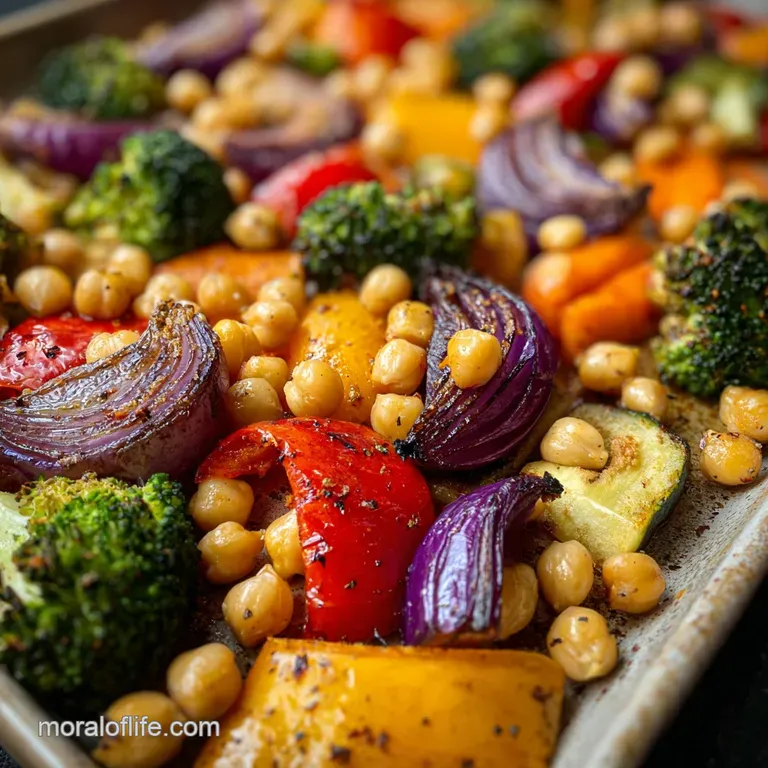
- Time: Active 15 minutes, Passive 35 minutes, Total 50 minutes
- Flavor/Texture Hook: Shatter crisp chickpea skins and velvety sweet potato centers
- Perfect for: Weeknight meal prep or a comforting Tuesday dinner
- Mechanics of Heat and Flavor
- Essential Ingredient Component Breakdown
- Fresh Produce and Pantry Substitutes
- Basic Tools for Quality Results
- Steps for Golden Roasted Results
- Fixing Common Vegetable Cooking Errors
- Scaling and Dietary Adaptation Guide
- Facts Regarding Traditional Roasting Myths
- Storage Tips and Waste Prevention
- Perfect Complements for This Roast
- Recipe FAQs
- 📝 Recipe Card
The aroma of sweet potatoes and smoked paprika filling the kitchen is one of those small joys that makes a house feel like a home. Whenever I'm looking for something dependable that won't leave me feeling heavy, I turn to a big tray of oven warmed produce.
This Daniel Fast food recipe with roasted vegetables offers a delicious and satisfying meal.
It's the kind of dish that works because it doesn't try too hard, relying instead on the natural sugars that come out when the heat is just right. I remember the first time I made this, I was worried it might be too simple, but the way the red onions melt into the wedges of sweet potato changed my mind.
We've all had those busy days where we just need a win, and this is it.
You'll find that the combination of textures is what really sells it. The Brussels sprouts get these flaky, charred outer leaves that taste almost like chips, while the chickpeas add a needed bite. It’s a reliable favorite that I repeat with confidence every time the weather turns even slightly chilly.
Mechanics of Heat and Flavor
The Science of Why it Works: The Maillard reaction occurs when the natural sugars in the vegetables react with heat to create hundreds of new flavor compounds. Simultaneously, the dry heat of the oven causes moisture to evaporate, which concentrates the natural sweetness and creates that shatter crispy exterior we all love.
- Maillard Reaction: High heat transforms amino acids and sugars into deep, savory brown crusts.
- Starch Gelatinization: Inside the sweet potatoes, starches absorb moisture and swell, creating a creamy, velvety texture.
- Pectin Breakdown: Heat softens the cellular "glue" in carrots and sprouts, making them tender without turning into mush.
- Surface Evaporation: Removing surface moisture from the chickpeas allows them to crisp up rather than just steam.
Getting these vegetables right is much easier once you understand how they react to the pan. If you're looking for more ways to use these techniques, you might enjoy the Smoky, Nutty Flavors recipe which uses similar roasting methods for a hearty grain base.
Essential Ingredient Component Breakdown
| Ingredient | Science Role | Pro Secret |
|---|---|---|
| Sweet Potatoes | Provides the bulk starch for satiety | Cut these into uniform 2.5 cm cubes for even cooking |
| Chickpeas | Adds plant based protein and structural crunch | Pat them bone dry with a towel to ensure they pop |
| Avocado Oil | Acts as the heat transfer medium | Use this over olive oil for its higher smoke point |
When we talk about roasting, the oil isn't just for flavor. It's a conductor. Without a thin, even coat of fat, your vegetables will simply dry out and become tough instead of developing that golden, crispy skin.
I've found that using a large bowl to toss everything together ensures every nook and cranny of those Brussels sprouts is covered.
A common mistake I once made was skipping the drying step for the chickpeas. They ended up soft and a bit sad. Now, I spend an extra minute pressing them between paper towels. It makes a world of difference. Trust me on this, that extra bit of effort pays off when you hear that first crunch.
Fresh Produce and Pantry Substitutes
- Sweet Potatoes (2 large): Peeled and cubed into 2.5 cm pieces. Why this? They provide a creamy, starchy base that keeps you full longer.
- Carrots (3 large): Sliced into thick rounds. Why this? Their natural sugars caramelize beautifully at high temperatures.
- Red Onion (1 wedge): Cut into thick wedges. Why this? Onions mellow and sweeten significantly when roasted.
- Brussels Sprouts (2 cups): Halved lengthwise. Why this? The leaves provide a contrasting crispy texture to the soft roots.
- Chickpeas (1 can/425g): Drained, rinsed, and patted bone dry. Why this? They are the primary source of protein and crunch.
- Avocado Oil (3 tbsp): Or any neutral over high heat oil.
- Seasoning Blend: 1 tsp garlic powder, 1 tsp smoked paprika, 1/2 tsp dried oregano, 1/2 tsp sea salt, 1/4 tsp black pepper.
- Lemon (1 whole): Juiced just before serving for a bright, acidic finish.
- Fresh Parsley (2 tbsp): Chopped for a burst of color and earthiness.
| Original Ingredient | Substitute | Why It Works |
|---|---|---|
| Sweet Potatoes | Butternut Squash | Similar sweetness and starch content. Note: Slightly higher water content. |
| Chickpeas | Cannellini Beans | Provides protein. Note: They won't get as crispy as chickpeas. |
| Avocado Oil | Melted Coconut Oil | High smoke point. Note: Adds a subtle tropical scent to the roast. |
Basic Tools for Quality Results
You don't need a kitchen full of gadgets for this Daniel Fast food recipe with roasted vegetables. Honestly, don't even bother with fancy specialized pans. A standard, heavy duty rimmed baking sheet is your best friend here.
If yours is on the thinner side, you might notice it warping in the high heat, which can lead to uneven cooking.
I always recommend a sharp chef's knife. Cutting those sweet potatoes into uniform cubes is so much safer and faster when the blade does the work. Also, a large mixing bowl is essential. Don't try to season the veggies on the pan; they never get coated properly that way.
Toss them in the bowl like you're mixing a salad, and you'll get a much better result.
Steps for Golden Roasted Results
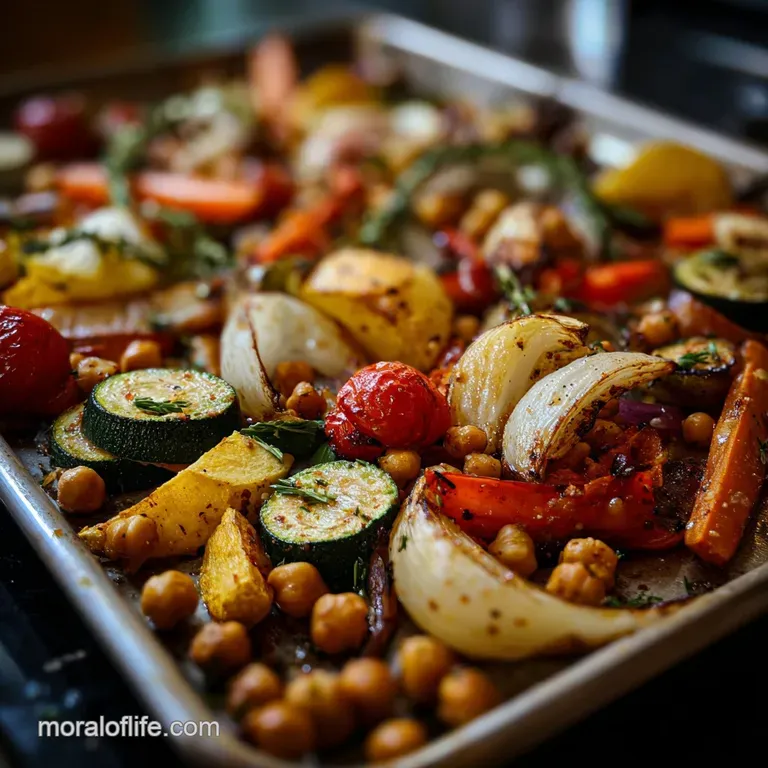
- Preheat the oven. Set your oven to 200°C (400°F). Note: A hot oven is non negotiable for achieving a crispy exterior.
- Dry the chickpeas. Pour the drained chickpeas onto a clean kitchen towel and rub gently. Note: Moisture is the enemy of the crunch.
- Prep the vegetables. Peel the sweet potatoes and cut them into 2.5 cm cubes. Slice the carrots into rounds and halve the Brussels sprouts.
- Whisk the oil. In a large bowl, combine the avocado oil, garlic powder, smoked paprika, oregano, salt, and pepper.
- Toss the produce. Add all the vegetables and chickpeas to the bowl and mix well until every piece looks glossy and coated.
- Spread on sheets. Use two baking sheets if necessary to ensure the vegetables are in a single layer. Note: Crowding the pan leads to steaming rather than roasting.
- Roast the mixture. Place in the oven for 35 minutes. Cook until the potatoes are tender and the sprout edges look charred.
- Flip halfway through. At the 18 minute mark, use a spatula to turn the vegetables. Note: This ensures they brown on all sides.
- Add the finish. Remove from the oven and immediately drizzle with the fresh lemon juice.
- Garnish and serve. Sprinkle the fresh parsley over the top and serve while the chickpeas are still at their crunchiest.
If you enjoy the way the chickpeas turn out in this mix, you should definitely check out my Crispy & High Protein recipe for a standalone snack version.
Chef's Note: Grate a tiny bit of lemon zest over the raw veggies before they go into the oven. The oils in the zest stand up to the heat and add a deep citrus note that juice alone can't provide.
Fixing Common Vegetable Cooking Errors
My Vegetables Are Soggy
This is usually caused by two things: moisture or crowding. If the vegetables are too close together, the steam they release has nowhere to go, so it just sits there and softens everything. Always use a large enough pan so that no vegetable is touching its neighbor.
If you're doubling the recipe, use two pans on different racks and swap them halfway through.
The Garlic Powder Is Bitter
If you find the seasoning tastes burnt or bitter, it might be that your oven has hot spots. Garlic powder can scorch at high temperatures if it isn't fully incorporated into the oil. Make sure you whisk the spices into the oil before adding the vegetables.
This coats the spices in fat, which protects them from the direct heat of the oven.
The Chickpeas Are Still Hard
Sometimes chickpeas can feel "woody" rather than crispy. This often happens if they weren't cooked enough before being canned or if they didn't get enough oil. Make sure they are thoroughly coated.
If you find they are still a bit tough, try roasting them for an extra 5 minutes on the top rack of the oven.
| Problem | Root Cause | Solution |
|---|---|---|
| Mushy sweet potatoes | Pan was too crowded | Spread veggies across two baking sheets |
| Burnt sprout leaves | Placed too close to the heating element | Move the rack to the center of the oven |
| Bland flavor | Lemon added too early | Always add acidic juice after roasting is complete |
Scaling and Dietary Adaptation Guide
If you're cooking for a larger crowd, scaling up this food recipe with roasted vegetables is fairly simple, but you have to watch the spices. When doubling the recipe, I usually only increase the salt and paprika by about 1.5 times. Spices can become overwhelming if you just flatly double them.
Also, keep in mind that you'll need more oven space. Working in batches is better than having a crowded, soggy tray.
For those looking to scale down, you can easily halve the recipe. Use a smaller baking sheet or a cast iron skillet. Because there's less mass on the pan, the vegetables might cook about 5 to 7 minutes faster, so start checking them at the 25 minute mark.
- For an Extra Protein Boost
- Toss in 1/2 cup of raw walnuts or pecans during the last 10 minutes of roasting.
- For a Low Carb Variation
- Swap the sweet potatoes for cauliflower florets or radishes, which take on a surprisingly mellow flavor when roasted.
- For More Heat
- Add a pinch of cayenne pepper or red pepper flakes to the oil mixture before tossing.
Facts Regarding Traditional Roasting Myths
One of the biggest misconceptions is that you need to parboil root vegetables before roasting them to ensure they are soft. I've found this actually ruins the texture. When you boil them first, the surface becomes waterlogged and mushy.
A raw start in a over high heat oven allows the outside to crisp while the inside steams in its own natural juices.
Another myth is that you shouldn't use a lot of oil if you want things to be "healthy." In reality, a light but thorough coating of oil is what allows the heat to penetrate the vegetables quickly. Without it, you end up roasting them for so long that they become dry and fibrous.
A little bit of healthy fat like avocado oil is essential for the chemistry of the dish.
| Method | Texture | Time Investment |
|---|---|---|
| Oven Roast | Crisp exterior, creamy interior | 50 minutes total |
| Stovetop Sauté | Softer overall, less caramelization | 20 minutes total |
| Air Fryer | Extremely crispy, smaller batches | 20 minutes total |
Storage Tips and Waste Prevention
These vegetables are best eaten right off the tray, but they do keep well in the fridge for up to 4 days. I love using the cold leftovers as a base for a salad the next day. Just toss them with some fresh greens and a little more lemon juice.
To reheat, I highly recommend using a toaster oven or the main oven at 180°C (350°F) for about 10 minutes. Avoid the microwave if you can, as it will make the chickpeas and sprout leaves quite soft.
For zero waste cooking, don't throw away those sweet potato peels or the loose Brussels sprout leaves that fall off while you're cutting them. The leaves turn into amazing little chips if you roast them on a separate small tray for just 10 minutes.
As for the peels, if you've scrubbed the potatoes well, you can actually roast the peels with a little salt for a rustic, fiber rich snack. It's a normal Tuesday habit in my house to save all the veggie scraps for a homemade stock later in the week.
Perfect Complements for This Roast
While this dish is a complete meal on its own, it plays very well with others. If you aren't strictly following the Daniel Fast, a dollop of Greek yogurt mixed with garlic and herbs is a fantastic cooling element. For those staying within the fast, a creamy tahini drizzle is the way to go.
Just whisk together 2 tablespoons of tahini, 1 tablespoon of water, and a squeeze of lemon.
I also love serving this alongside a simple bowl of brown rice or quinoa to soak up any of that flavorful oil and lemon juice left on the plate. It's dependable, filling, and feels like a real treat without needing any fancy ingredients.
Whether it's a busy weeknight or a slow Sunday, this tray of vegetables always hits the spot. Give it a try next time you need a meal that just works.
Recipe FAQs
Can I eat cooked vegetables on a Daniel Fast?
Yes, cooked vegetables are permitted. The Daniel Fast generally emphasizes whole, unprocessed foods, and this includes a wide variety of cooked vegetables prepared without oils or seasonings that are not on the approved list.
Roasting vegetables, as in this recipe, is a great way to bring out their natural sweetness.
What vegetables did Daniel eat on his fast?
Daniel primarily ate vegetables and legumes. Historical accounts suggest Daniel abstained from meat, dairy, and rich foods, focusing on a simple diet of "pulse" (legumes) and vegetables. This recipe aligns well with that principle by featuring a variety of roasted produce.
Can I eat veggie chunks on Daniel Fast?
Yes, vegetable chunks are encouraged. The focus is on whole, unprocessed vegetables. Cutting them into chunks for roasting, as done in this recipe, is perfectly acceptable and allows for even cooking and caramelization of natural sugars.
What fast food can I have on Daniel Fast?
Focus on whole, plant based items if eating out. This often means simple roasted vegetables (plain), salads with approved dressings, or steamed vegetables without added oils or butter.
This recipe's roasted vegetables are a good model for what might be permissible if you had to choose fast food options.
Can I use olive oil for roasting on Daniel Fast?
No, typically not. Standard Daniel Fast guidelines usually exclude olive oil and other added oils, focusing instead on water and natural food juices. This recipe uses avocado oil as an alternative, but you would omit oil entirely or use water for steaming if strictly adhering to traditional fast rules.
Are chickpeas allowed on the Daniel Fast?
Yes, chickpeas are considered a "pulse" and are allowed. Legumes like chickpeas are a staple for the Daniel Fast, providing protein and substance. They roast beautifully, becoming crispy on the outside, similar to the texture achieved in our Vegan Chili Recipe: Velvety Fire Roasted Base.
Can I add other root vegetables to this recipe?
Absolutely, experiment with other root vegetables. Similar to how we managed temperature precision in this dish, you can apply that to other root vegetables like parsnips or beets. Just ensure they are cut into uniform sizes for even cooking. If you enjoyed mastering the sensory doneness cues here, apply them to our Rice Grilled Chicken: High Heat Protein for perfect results.
Daniel Fast Roasted Vegetables
Ingredients:
Instructions:
Nutrition Facts:
| Calories | 342 kcal |
|---|---|
| Protein | 9.8 g |
| Fat | 12.4 g |
| Carbs | 51.2 g |
| Fiber | 12.8 g |
| Sugar | 9.4 g |
| Sodium | 345 mg |
