Dependable Bearnaise Sauce: Silky Butter Emulsion
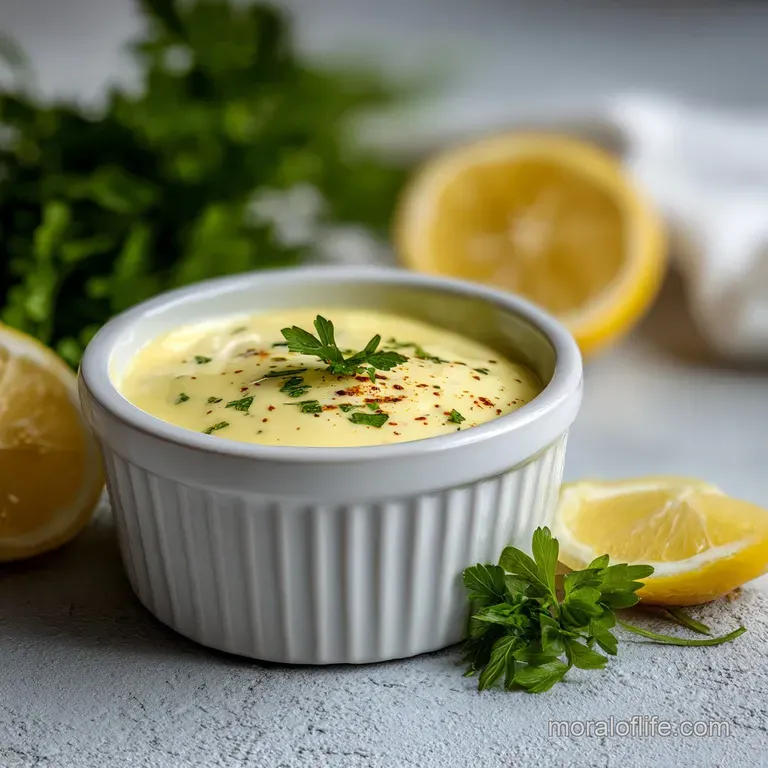
- Time: Active 15 minutes, Passive 5 minutes, Total 20 minutes
- Flavor/Texture Hook: Silky, buttery, and herbaceous with a bright acidic finish
- Perfect for: Steak night, roasted asparagus, or a fancy weekend brunch
- Creating a Velvety and Rich Homemade Bearnaise Sauce
- The Physics of the Buttery Suspension
- Analyzing the Components of the Emulsion
- Selecting Your Elements and Substitutes
- Tools for a Reliable Sauce
- Executing the Multi Stage Cooking Process
- Solving Separation and Texture Issues
- Adapting the Batch Size
- Flavor Profiles and Creative Twists
- Storing and Repurposing Leftovers
- Serving Your Masterpiece
- Debunking Common Kitchen Myths
- Frequently Asked Questions
- Recipe FAQs
- 📝 Recipe Card
Creating a Velvety and Rich Homemade Bearnaise Sauce
The first time I attempted to make this sauce, I was terrified. I had this vision of a French chef hovering over me, judging my whisking speed while my egg yolks slowly scrambled into a sad breakfast mess.
I remember the kitchen smelling intensely of vinegar and fresh herbs, and the rhythmic clink clink clink of the whisk against the stainless steel bowl. When it finally came together - thick, glossy, and pale yellow - I felt like I had just won a marathon.
Honestly, it is not as intimidating as the cookbooks make it out to be. We often think of it as "restaurant only" food, but it's really just about managing heat. Once you understand how the butter and eggs play together, you will be making this on a normal Tuesday just to dress up some leftover roasted vegetables.
It transforms a simple piece of protein into something truly memorable with very little actual "work" time.
I have made every mistake in the book, from overheating the yolks to pouring the butter too fast. But those failures taught me the tricks I am sharing with you today. This is the version that works every single time, whether you are serving it over a charred steak or a delicate piece of poached fish.
Let's get into the details so you can repeat this success with confidence in your own kitchen.
The Physics of the Buttery Suspension
The Physics of the Buttery Suspension: Egg yolks contain lecithin, a natural emulsifier that binds the fat from the butter to the water based vinegar reduction. This creates a stable network of tiny fat droplets that results in a velvety, pourable texture.
- Coagulation Control: Keeping the temperature below 145°F prevents the egg proteins from bonding too tightly and turning into solids.
- Reduction Concentration: Boiling the vinegar and wine concentrates the acetic acid and aromatics, providing the structural "backbone" for the flavor.
- Fat Saturation: Slowly introducing the butter allows the lecithin to surround each fat molecule, preventing the sauce from breaking.
- Aromatic Infusion: The essential oils in the tarragon are fat soluble, meaning they bloom and intensify once they hit the warm butter.
| Steak Doneness | Internal Temp | Rest Time | Visual Cue |
|---|---|---|---|
| Rare | 125°F | 5 mins | Cool red center |
| Medium Rare | 135°F | 5 mins | Warm red/pink center |
| Medium | 145°F | 7 mins | Warm pink throughout |
Choosing the right time to pull your steak off the heat is just as important as the sauce itself. If you are serving this with beef, aim for medium rare to allow the buttery sauce to melt into the juices of the meat.
Analyzing the Components of the Emulsion
| Ingredient | Science Role | Pro Secret |
|---|---|---|
| Egg Yolks | Primary Emulsifier | Use room temperature yolks to prevent the butter from seizing during the initial mix. |
| Unsalted Butter | Fat Structure | European style butter has less water, leading to a much thicker, more stable sauce. |
| White Wine Vinegar | Acidic Stabilizer | The acid lowers the pH, which actually helps the egg proteins stay fluid at slightly higher temperatures. |
When you are learning how to make bearnaise sauce, the quality of your butter is the biggest factor in the final mouthfeel. I always reach for a high fat butter because it creates a more luxurious coating on the tongue. If you've ever mastered a Alfredo Sauce recipe, you already know that fat and temperature are the two pillars of a great sauce.
Selecting Your Elements and Substitutes
To make bearnaise sauce properly, you need a balance of sharp acidity and rich fat. Here is what you will need from your pantry and fridge:
- 1/4 cup dry white wine: Why this? Adds depth and fruity notes that vinegar alone lacks.
- Substitute: Extra white wine vinegar diluted with a splash of water.
- 1/4 cup white wine vinegar: Why this? Provides the essential sharp "bite" to cut through the butter.
- Substitute: Champagne vinegar or lemon juice.
- 1 large shallot, minced: Why this? Offers a mild, sweet onion flavor without being overpowering.
- Substitute: The white part of a green onion (scallion).
- 2 tbsp fresh tarragon leaves: Why this? The signature anise like flavor of a true Bearnaise.
- Substitute: 1 tsp dried tarragon (simmered longer in the reduction).
- 1/2 tsp whole black peppercorns: Why this? Infuses a gentle heat without discoloring the sauce.
- Substitute: A pinch of ground white pepper.
- 3 large egg yolks: Why this? The "glue" that holds the fat and liquid together.
- Substitute: No direct substitute for traditional emulsion.
- 1 cup unsalted butter: Why this? Provides the primary volume and richness.
- Substitute: Ghee (clarified butter) for an even more stable version.
- 1/4 tsp Kosher salt: Why this? Enhances the herbaceous notes.
- Substitute: Fine sea salt (use slightly less).
- 1 pinch cayenne pepper: Why this? Adds a tiny back of-the throat warmth.
- Substitute: A drop of hot sauce.
- 1 tsp fresh chervil: Why this? Adds a delicate parsley anise finish.
- Substitute: Fresh flat leaf parsley.
Chef's Tip: If you want to make bearnaise sauce even more flavorful, let the tarragon and vinegar reduction sit for 30 minutes before straining. This "cold steep" pulls out every bit of herbal goodness.
Tools for a Reliable Sauce
You don't need fancy French copper pans, but a few specific items will make your life much easier. I prefer using a stainless steel balloon whisk because it incorporates air better than a flat whisk.
You will also need a small saucepan for the reduction and a heat proof glass or stainless bowl that fits snugly over that saucepan to create a double boiler (bain marie).
If you are worried about the manual labor, a high speed blender is a great modern shortcut. However, the traditional method over a pot of simmering water gives you much better control over the final thickness.
I always keep a damp kitchen towel nearby to wrap around the base of my bowl; it holds the bowl steady so I can whisk with one hand and pour butter with the other.
Executing the Multi Stage Cooking Process
1. Concentrating the Aromatics
In a small saucepan, combine 1/4 cup dry white wine, 1/4 cup white wine vinegar, the minced shallot, 1 tbsp of the chopped tarragon, and the 1/2 tsp crushed peppercorns. Bring to a simmer over medium heat until the liquid reduces to about 2 tablespoons.
Note: This concentrated "essence" is what flavors the entire batch.
2. Preparing the Emulsion Base
Strain the reduction through a fine mesh sieve into a heat proof bowl, pressing on the solids to extract all the liquid. Add the 3 room temperature egg yolks and 1/4 tsp salt to the bowl and whisk vigorously until the mixture becomes pale and slightly frothy.
3. Mastering the Thermal Emulsion
Place the bowl over a saucepan of gently simmering water (the water should not touch the bottom of the bowl). Whisk constantly for about 2 to 3 minutes until the yolks thicken enough to leave a trail.
Note: If the bowl feels too hot to touch, lift it off the steam for a few seconds.
4. Streaming the Liquid Gold
Melt 1 cup of unsalted butter and keep it warm but not boiling. While whisking the yolks constantly, begin adding the butter in a very slow, steady stream. Start with just a few drops at a time until the sauce begins to look glossy and thick.
5. Final Tempering and Seasoning
Once all the butter is incorporated, whisk in the remaining 1 tbsp of fresh tarragon, 1 tsp chervil, and a pinch of cayenne. Taste the sauce; it should be rich but bright. If it is too thick, whisk in a teaspoon of warm water or extra lemon juice until it reaches a pourable, velvety consistency.
Solving Separation and Texture Issues
Why Your Sauce Broke
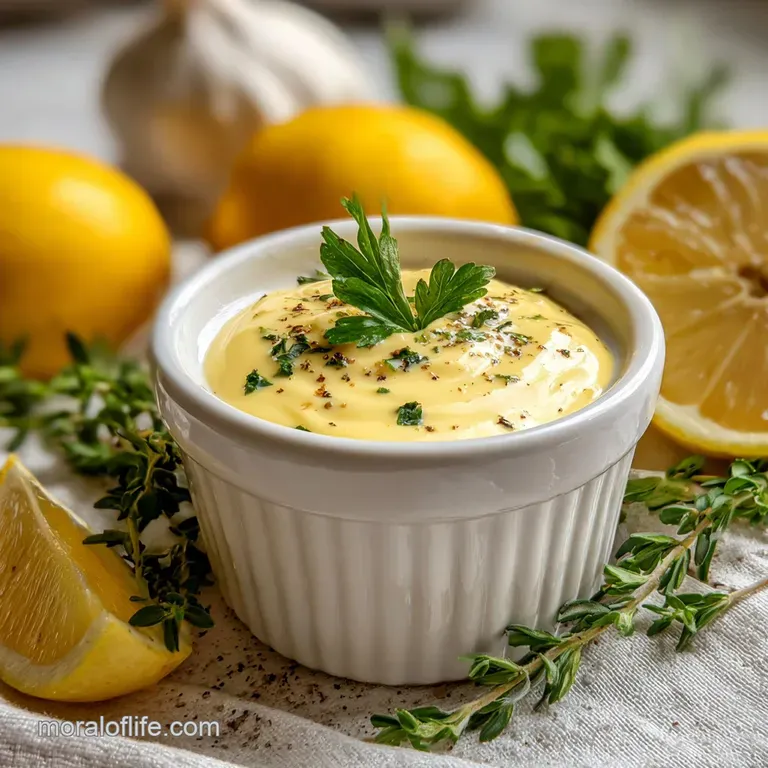
If you see the butter separating from the yolks, the sauce has "broken." This usually happens because the butter was added too quickly or the heat was too high. Don't panic and throw it away!
You can usually fix this by putting a fresh egg yolk in a clean bowl with a teaspoon of warm water and slowly whisking the broken sauce into it.
Why Your Sauce Scrambled
If you see tiny yellow lumps, the eggs have cooked. This happens when the heat is too aggressive or you stop whisking. Unfortunately, once the proteins have curdled, they cannot be un cooked. Your best bet is to strain the sauce through a very fine sieve to remove the lumps, though the flavor might be slightly "eggy."
| Problem | Root Cause | Solution |
|---|---|---|
| Greasy/Separated | Butter added too fast | Whisk in a teaspoon of boiling water vigorously. |
| Too Thick | Over reduction or cold eggs | Whisk in a splash of warm wine or water. |
| Thin/Runny | Yolks not cooked enough | Return to the double boiler and whisk for 1-2 more minutes. |
- ✓ Always use a "bain marie" (bowl over simmering water) to prevent direct heat on the yolks.
- ✓ Ensure your butter is warm but not scorching hot when adding it to the eggs.
- ✓ Whisk in a figure eight motion to reach all parts of the bowl.
- ✓ If the sauce gets too hot, immediately whisk in a single ice cube to drop the temperature.
- ✓ Keep the sauce in a warm spot (like near the stove) until serving; do not refrigerate and reheat before the meal.
Adapting the Batch Size
Downscaling (1-2 Servings): Use 1 yolk and 1/3 cup of butter. Be extremely careful with the reduction; it will evaporate very quickly in a standard saucepan. Use a very small butter melter or milk pan for the reduction to prevent it from burning.
Upscaling (12+ Servings): When doubling the recipe, you don't actually need to double the reduction liquid perfectly. Use 1.5x the vinegar and wine, but keep the aromatics (shallots/tarragon) at 2x. Work in a larger bowl to allow for more aeration during the whisking process.
| Batch Size | Butter Quantity | Yolks | Recommended Pan |
|---|---|---|---|
| Small (2) | 1/3 cup | 1 | Smallest saucepan |
| Standard (6) | 1 cup | 3 | Medium stainless bowl |
| Large (12) | 2 cups | 6 | Large glass bowl |
If you are making a large batch for a dinner party, I highly recommend using the blender method. It is much more stable for large volumes of fat. Just remember that the friction of the blades adds heat, so start with slightly cooler butter than you would for the hand whisked version.
Flavor Profiles and Creative Twists
While a traditional Bearnaise sauce recipe easy enough for anyone to follow is the goal, sometimes you want to branch out. One of my favorite variations is the Sauce Choron, which is simply Bearnaise with a tablespoon of tomato paste whisked in at the end.
It turns a beautiful coral color and pairs incredibly well with grilled chicken or salmon.
For a more modern take, try a Spicy Bearnaise. Add a finely minced serrano pepper to the reduction stage. The heat of the pepper gets mellowed out by the butter, leaving you with a sauce that has a lingering, pleasant glow. It's a fantastic way to make bearnaise sauce feel a bit more contemporary.
Storing and Repurposing Leftovers
Storage: This sauce is notoriously difficult to store because it is a "live" emulsion. In the fridge, the butter will solidify into a hard block. It will stay safe to eat for up to 2 days in an airtight container.
Reheating: Never put this in the microwave! To reheat, place the cold sauce in a bowl over a pot of warm (not boiling) water. Whisk constantly as it softens. You may need to add a tablespoon of warm water to help it come back together.
Zero Waste: If you have leftover sauce that you don't want to reheat, use it as a compound butter. Let it solidify, then dollop it onto hot baked potatoes or stir it into warm pasta. The tarragon and shallot flavors are already there, making it an instant flavor booster.
Serving Your Masterpiece
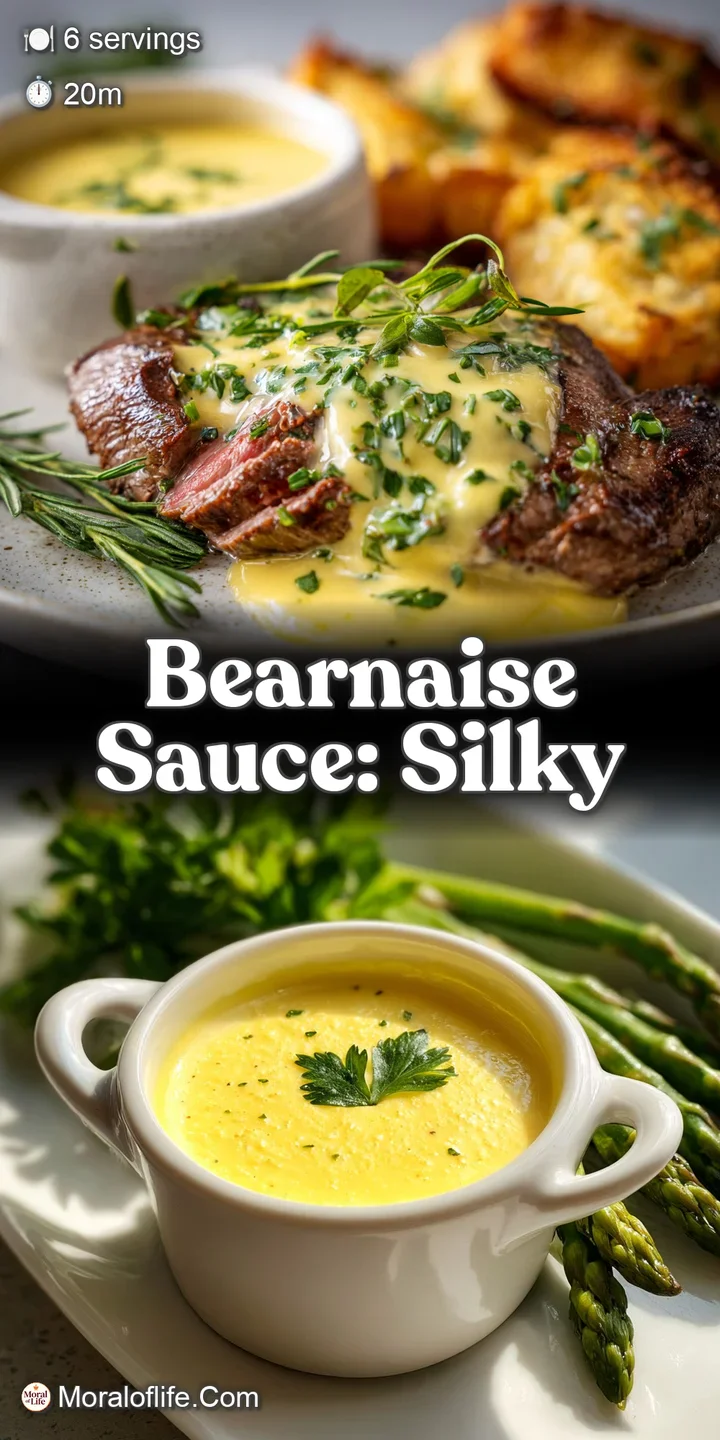
The classic pairing is, of course, a prime cut of beef. Whether it is a filet mignon or a hearty ribeye, the acidity of the vinegar cuts through the marbling of the meat. But don't stop there. I love drizzling this over roasted asparagus or even a simple bowl of steamed green beans.
The "easy Béarnaise sauce recipe" you've just mastered is surprisingly versatile.
If you are feeling adventurous, try it on a high end burger. A toasted brioche bun, a thick beef patty, and a spoonful of this sauce is a total luxury experience. Just like when I'm serving my Fried Pickle Dipping Sauce recipe, I like to put the sauce in a small warmed pitcher so guests can pour as much as they want.
Debunking Common Kitchen Myths
One common myth is that you must use clarified butter for Bearnaise. While clarified butter (butter with the milk solids removed) makes a slightly more stable sauce that can handle higher heat, whole butter works perfectly fine for home cooks.
The milk solids in whole butter actually add a certain creaminess that I personally prefer.
Another myth is that you can't fix a "cooked" sauce. While you can't reverse the curdling of the eggs, as mentioned before, a quick trip through a fine mesh strainer and a vigorous whisking with a splash of cream can often save the texture enough for a casual family dinner.
It won't be "competition grade," but it will still be delicious.
Frequently Asked Questions
Can I make this in a blender? Yes, it is much faster. Put the yolks and reduction in the blender, then slowly drizzle in very hot melted butter while the motor is running. The heat of the butter "cooks" the yolks.
What if I don't have fresh tarragon? Dried tarragon is much more potent. Use 1 teaspoon of dried tarragon instead of the 2 tablespoons of fresh. Simmer it with the vinegar for a few extra minutes to rehydrate the herb.
Why did my sauce turn out thin? You likely didn't cook the egg yolks enough before adding the butter. The yolks need to reach a "ribbon stage" where they are thick and pale. You can try returning the bowl to the double boiler and whisking for another minute, but be careful not to scramble them.
Recipe FAQs
What are the ingredients of bearnaise sauce?
The core ingredients are egg yolks, clarified butter, and a reduction of vinegar, white wine, shallots, and tarragon. These elements combine to form a stable, rich emulsion with a distinctive herbaceous flavor profile.
What's the difference between béarnaise and Hollandaise sauce?
Béarnaise uses an acidic reduction flavored with tarragon and shallots, while Hollandaise uses only lemon juice or vinegar. The flavor difference is significant: Hollandaise is purely rich and acidic, whereas Bearnaise is distinctly herbaceous.
How to make traditional béarnaise?
Reduce vinegar, wine, shallots, and tarragon until only 2 tablespoons remain. Strain this liquid into yolks over gentle heat, whisking until thickened, then slowly stream in warm clarified butter while constantly whisking to create the emulsion.
How do you turn Hollandaise sauce into béarnaise sauce?
Whisk in a concentrated tarragon shallot reduction and fresh chervil after the Hollandaise base is established. The critical step is ensuring you have already made the acidic, aromatic reduction separately, as demonstrated in our guide on [how to make bearnaise sauce](#).
Can I make bearnaise sauce ahead of time?
Yes, you can prepare the reduction base up to two days in advance, but the final emulsion should be made just before serving. If you must hold the finished sauce, keep it warm over a double boiler and whisk occasionally; do not let it cool completely.
What should I serve with bearnaise sauce?
It pairs classically with grilled steak, but it is also excellent over roasted asparagus or poached fish. The acidity perfectly balances rich proteins, much like how we balance the fat in our [Cream in Pasta - Silky & Velvety with Citrus Finish](#).
Why did my bearnaise sauce break and separate?
The sauce broke because the butter was added too quickly or the heat was too high, causing the emulsion to destabilize. To fix this, start a new yolk mixture and slowly whisk the broken sauce into it, or whisk in a teaspoon of very hot water.
Dependable Bearnaise Sauce Recipe
Ingredients:
Instructions:
Nutrition Facts:
| Calories | 312 kcal |
|---|---|
| Protein | 1.4 g |
| Fat | 33.2 g |
| Carbs | 0.9 g |
| Fiber | 0.1 g |
| Sugar | 0.3 g |
| Sodium | 104 mg |
