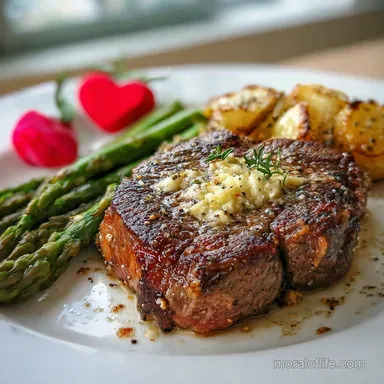
Valentines Food Idea with Garlic Butter Steak
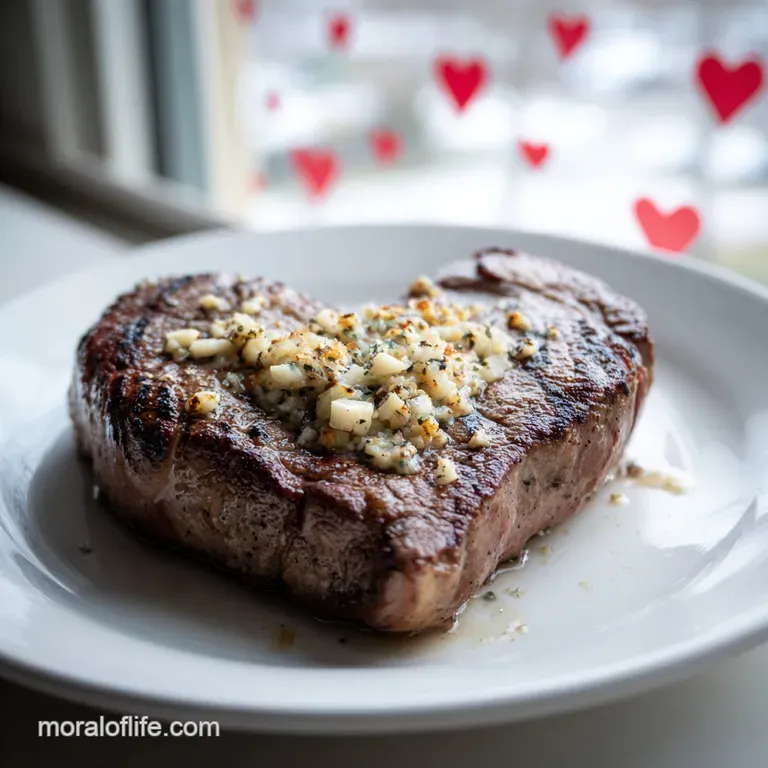
- Time: Active 15 minutes, Passive 12 minutes, Total 27 minutes
- Flavor/Texture Hook: Sizzling, mahogany crust with a velvety, garlic infused butter finish.
- Perfect for: A dependable Valentines food idea that works for a normal Tuesday too.
- Valentines Food Idea with Garlic Butter Steak
- The Science Behind Juicy Results
- The Essential Recipe Specifications Table
- Choosing Quality Components and Substitutes
- Essential Tools for Seared Perfection
- Kitchen Steps for Sizzling Success
- Fixing Common Searing Mistakes Fast
- Creative Variations for Different Flavors
- Stovetop vs Oven Comparison
- Scaling for More Guests
- Don't Believe These Steak Myths
- Proper Storage and Leftover Ideas
- Sides to Pair with Steak
- Recipe FAQs
- 📝 Recipe Card
Picture this: the kitchen is filled with the scent of toasted garlic and woody rosemary, while the rhythmic sizzle of meat hitting a hot Lodge cast iron skillet echoes through the room.
There is something incredibly grounding about cooking a steak perfectly, and honestly, it is the ultimate move when you want to impress someone without spending four hours over a stove. This article shares a delicious Valentines food idea with garlic butter steak.
I used to be terrified of cooking expensive cuts of meat, thinking I would somehow ruin them and end up with a grey, rubbery mess. But after a few trials (and some very smoky kitchens), I realized it comes down to heat management and patience.
You do not need a fancy grill or a sous vide machine to get that melt in-your mouth texture, just a heavy pan and some good butter.
We are going for a meal that feels dependable and comforting, the kind of dish you can repeat with confidence every year. Whether you are celebrating a big milestone or just want a cozy night in on a busy day, this method delivers a steak that looks as good as it tastes.
Let's get into how to make this work in your own kitchen.
Valentines Food Idea with Garlic Butter Steak
When we talk about a Valentines food idea with garlic butter steak, we are focusing on the contrast between a hard, salty sear and a rich, aromatic finish. The secret isn't just in the meat itself, but in how you treat the fat and the aromatics at the very end of the cooking process.
Using a high smoke point oil allows us to get that dark crust without burning the house down, while the European style butter adds a silkiness that standard butter just can't match.
The Science Behind Juicy Results
Understanding what happens inside the pan makes you a better cook instantly. It is not about luck, it is about thermodynamics and chemistry.
Maillard Reaction and Crust
Chemical Browning: This reaction between amino acids and reducing sugars occurs at high temperatures, creating hundreds of different flavor compounds and that characteristic mahogany color. It only happens effectively when the surface of the meat is bone dry.
The Power of Basting
Thermal Conductivity: Spooning hot butter over the steak, known as nappe, cooks the top surface gently while infusing it with garlic and herb flavors. The fat acts as a heat transfer medium, ensuring even cooking across the irregular surface of the beef.
Thermal Equilibrium and Resting
Muscle Relaxation: Resting allows the heat to move from the outer edges to the center, evening out the temperature gradient. This process lets the muscle fibers relax and reabsorb juices, preventing them from spilling out the moment you slice in.
The Essential Recipe Specifications Table
| Component | Role | Pro Secret |
|---|---|---|
| Ribeye/NY Strip | The main structural protein | Choose 1.5 inch (3.8 cm) thickness to allow for a deep sear without overcooking the center. |
| Kerrygold Butter | Flavor and fat emulsification | Use cold butter for basting; it melts slower and is less likely to break or burn immediately. |
| Garlic Cloves | Aromatic infusion | Smash them rather than mincing to release oils without the garlic burning in the high heat. |
| Kosher Salt | Denatures proteins | Apply at least 45 minutes early to allow salt to penetrate the fibers and season deeply. |
Choosing Quality Components and Substitutes
To get the best results, you need the right building blocks. I always reach for Diamond Crystal Kosher Salt because the flakes are easier to pinch and control than fine table salt. If you're looking for a different vibe, you might enjoy my Shredded Beef recipe for a slower, more tender approach to beef.
- 2 (340g) Ribeye or NY Strip steaks: 1.5 inches (3.8 cm) thick. Why this?Fat marbling in ribeye provides superior flavor and moisture during over high heat cooking.
- 2 tsp Kosher salt: For dry brining. Why this?Large grains draw out moisture then reabsorb, seasoning the meat all the way through.
- 1 tsp Freshly cracked black pepper: For a spicy bite.
- 2 tbsp Avocado oil: High smoke point oil.
- 4 tbsp Unsalted European butter: High butterfat content.
- 6 cloves Garlic: Smashed to release oils.
- 4 sprigs Fresh thyme or rosemary: For earthy aroma.
| Original Ingredient | Substitute | Why It Works |
|---|---|---|
| Avocado Oil | Grapeseed Oil | Both have high smoke points (above 200°C), preventing bitter, burnt flavors during the sear. |
| European Butter | Standard Ghee | Ghee has a higher smoke point and provides a similar nutty, rich fat profile. |
| Fresh Thyme | Dried Thyme | Use sparingly (1 tsp). Note: Won't provide the same aromatic "oil" effect as fresh sprigs. |
| Ribeye Steak | Picanha/Sirloin | Cheaper cuts work, but they are leaner. Note: Reduce cook time to avoid toughness. |
Essential Tools for Seared Perfection
You don't need a kitchen full of gadgets, but a few specific items make this Valentines food idea with garlic butter steak much easier to execute. A heavy bottomed pan is non negotiable here.
- Lodge Cast Iron Skillet: Retains heat better than stainless steel, which is vital for a consistent crust.
- Instant read Thermometer: Takes the guesswork out of doneness; I use a Thermapen for speed.
- Sturdy Tongs: You need a good grip to flip the steaks and sear the fat caps on the edges.
- Small Saucepan: Only if you want to pre melt butter, but I usually just do it in the skillet.
Kitchen Steps for Sizzling Success
- Pat dry. Use paper towels to remove every bit of surface moisture from the steaks. Note: Water creates steam, and steam prevents a crispy crust from forming.
- Season heavily. Sprinkle Kosher salt and pepper on all sides, including the edges.
- Heat the pan. Place your skillet over high heat until the avocado oil is shimmering and just starting to wisp with smoke.
- Sear first side. Lay the steaks away from you in the pan. Cook 3 minutes until a dark, mahogany crust forms.
- Flip steaks. Use tongs to turn them over. Note: The second side usually takes slightly less time to brown.
- Add aromatics. Drop in the butter, smashed garlic, and herb sprigs.
- Baste continuously. Tilt the pan so the melting butter pools with the garlic. Spoon the hot fat over the steaks for 3 minutes.
- Check temp. Insert thermometer into the thickest part. Remove at 52°C (125°F) for medium rare.
- Rest meat. Move steaks to a cutting board. Note: Carryover cooking will bring the temp up another 5 degrees.
- Slice and serve. Cut against the grain for the most tender bite.
Fixing Common Searing Mistakes Fast
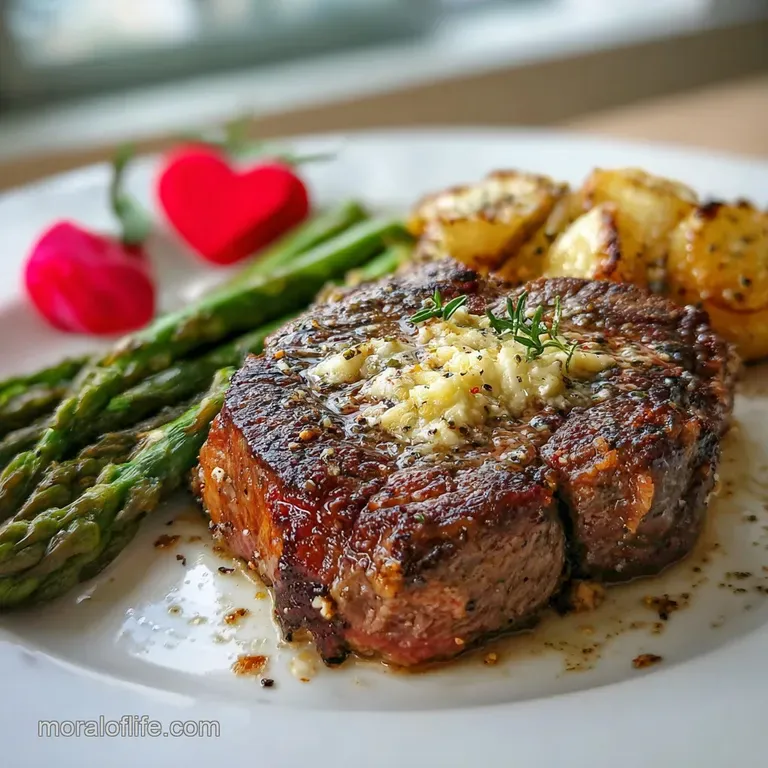
Even the most dependable cooks run into issues. The key is knowing how to pivot when things don't look right.
Why is My Steak Grey?
If your steak looks boiled rather than seared, the pan wasn't hot enough or the meat was too wet. If you catch this early, pull the steak out, let the pan get screaming hot, pat the meat dry again, and restart.
Preventing Bitter Burnt Garlic
Garlic burns quickly in a hot skillet. This is why we add it toward the end with the butter. If you see the garlic turning dark black, fish it out immediately and add a splash more oil to cool the surface temp slightly.
Fixing an Underdone Middle
If your crust is perfect but the inside is still blue (cold/raw), don't keep searing. Put the whole skillet into a 200°C oven for 2 to 4 minutes. This gentle ambient heat will finish the center without ruining your hard earned crust.
| Problem | Cause | Fix | Pro Tip |
|---|---|---|---|
| Excessive Smoke | Oil hit its flash point | Lower heat slightly and use a fan | Switch to Avocado oil next time |
| Tough Meat | Sliced with the grain | Slice perpendicular to fibers | Look for the "lines" before cutting |
| Butter Splattering | Too much moisture in pan | Add butter only after searing | Use European butter (less water) |
Creative Variations for Different Flavors
Once you have the basic technique down, you can play with the flavor profile. This Valentines food idea with garlic butter steak is a great canvas for experimentation.
The Tangy Gorgonzola Twist
Instead of just garlic butter, crumble some high-quality Gorgonzola over the steak while it rests. The residual heat melts the cheese into a funky, creamy sauce that pairs beautifully with the beef's richness.
The Salty Umami Bomb
Swap the salt for a brush of white miso paste right before the butter basting stage. It creates a deeply savory, slightly sweet glaze that takes the "steakhouse" vibe to a whole new level. Just be careful, as miso burns faster than salt.
Stovetop vs Oven Comparison
| Feature | Stovetop Only | Stovetop + Oven Finish |
|---|---|---|
| Best For | Steaks under 1 inch thick | Thick cuts (1.5 inches+) |
| Crust Quality | Maximum crunch | Great crust, more even center |
| Effort Level | High (constant monitoring) | Lower (passive oven time) |
Scaling for More Guests
- Down (1 serving): Use a smaller 8 inch skillet to prevent the butter from spreading too thin and burning.
- Up (4 servings): Work in batches. Sear two steaks, set them aside, wipe the pan, and do the next two. Never crowd the pan, or the temperature will drop and the steaks will steam.
- Scaling spices: Increase salt and pepper to 1.5x for four steaks rather than doubling, then taste a small edge to see if you need more.
Don't Believe These Steak Myths
Myth: Searing meat seals in the juices. Truth: Moisture loss occurs regardless of the sear. The crust is entirely about flavor (Maillard reaction) and texture, not hydration.
Myth: You should only flip a steak once. Truth: Flipping every 30 to 60 seconds actually helps the steak cook more evenly and faster, though it makes basting more difficult. For this recipe, we flip once to allow the basting stage to happen properly.
Proper Storage and Leftover Ideas
Storage: Keep leftover steak in an airtight container in the fridge for up to 3 to 4 days. I don't recommend freezing cooked steak as the texture becomes grainy upon thawing.
Zero Waste: Don't throw away that flavorful fat left in the pan! Filter it through a fine mesh sieve and keep it in a jar in the fridge. Use it the next morning to fry eggs or roast potatoes it is liquid gold. If you have steak scraps, chop them finely and toss them into an Alfredo and Pesto recipe for a decadent lunch the next day.
Sides to Pair with Steak
To balance out the heavy, fatty nature of the beef, I love something with a bit of acid. A simple arugula salad with lemon vinaigrette works wonders.
Classic French Bistro Fries
If you want to go full "steak frites," thin cut fries are the way to go. The key is to double fry them so they stay crispy even when they hit the garlic butter on your plate.
The Bright Acidic Balance
Consider roasted asparagus with a squeeze of fresh lemon and some shaved Parmesan. The bitterness of the asparagus cuts through the richness of the ribeye perfectly, making the whole meal feel much lighter.
Chef's Note: Always let your steaks sit at room temperature for at least 30 minutes before they hit the pan. A cold steak in a hot pan results in a "bullseye" effect charred on the outside and raw in the middle.
Making this Valentines food idea with garlic butter steak is about more than just the food; it is about the confidence of knowing you can put a restaurant quality meal on the table any night of the week. Trust the heat, watch for the mahogany color, and always, always let it rest. You've got this!
Recipe FAQs
Can I use frozen steaks for this garlic butter method?
No, you must use thawed steaks. Frozen meat introduces too much surface water, preventing the necessary Maillard reaction for a proper crust.
How to tell when the steak is done without a thermometer?
Gently poke the center with your finger, comparing the firmness to the fleshy pad beneath your thumb (uncooked is very soft). For a perfect finish, mastering temperature control is key; the principles of thermal conductivity you use here are similar to achieving a stable emulsion in our Alfredo Sauce: Velvety Emulsion Recipe.
Is it safe to leave the garlic in the butter while basting?
No, you must monitor it closely. Garlic burns rapidly at high temperatures, turning bitter quickly. Add the smashed cloves just before basting and remove them if they start to turn dark brown.
How to ensure the cast iron skillet is hot enough before adding the steak?
Heat the pan on high until the oil added just begins to shimmer and slightly wisps smoke. If you drop a drop of water and it evaporates instantly, the temperature is correct for searing.
Should I cook steaks of different thicknesses together?
No, cook them separately. Thinner steaks require less time, and overcrowding the pan drops the temperature, causing the thicker steaks to steam instead of sear.
What is the absolute minimum resting time required after cooking?
Rest for 5 to 7 minutes minimum. This crucial rest allows muscle fibers to relax and reabsorb internal moisture, preventing all the juices from running out when you slice it.
What side dish complements the rich garlic butter steak flavor best?
A sharp, slightly sweet side works best to cut the richness, such as baked apples with cinnamon. If you are looking for a simple warm side, try our Baked Apples Recipe: Tender Spiced Dessert for a fantastic sweet savory transition.
Garlic Butter Steak For Valentines