Scallops and Risotto: Silky Finish
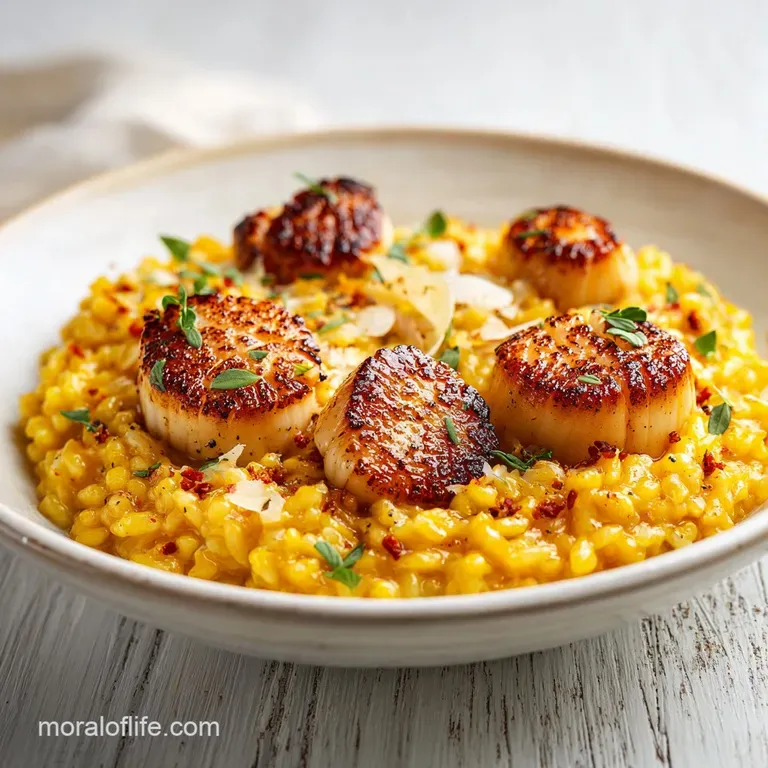
- Time: Active 25 minutes, Passive 10 minutes, Total 35 minutes
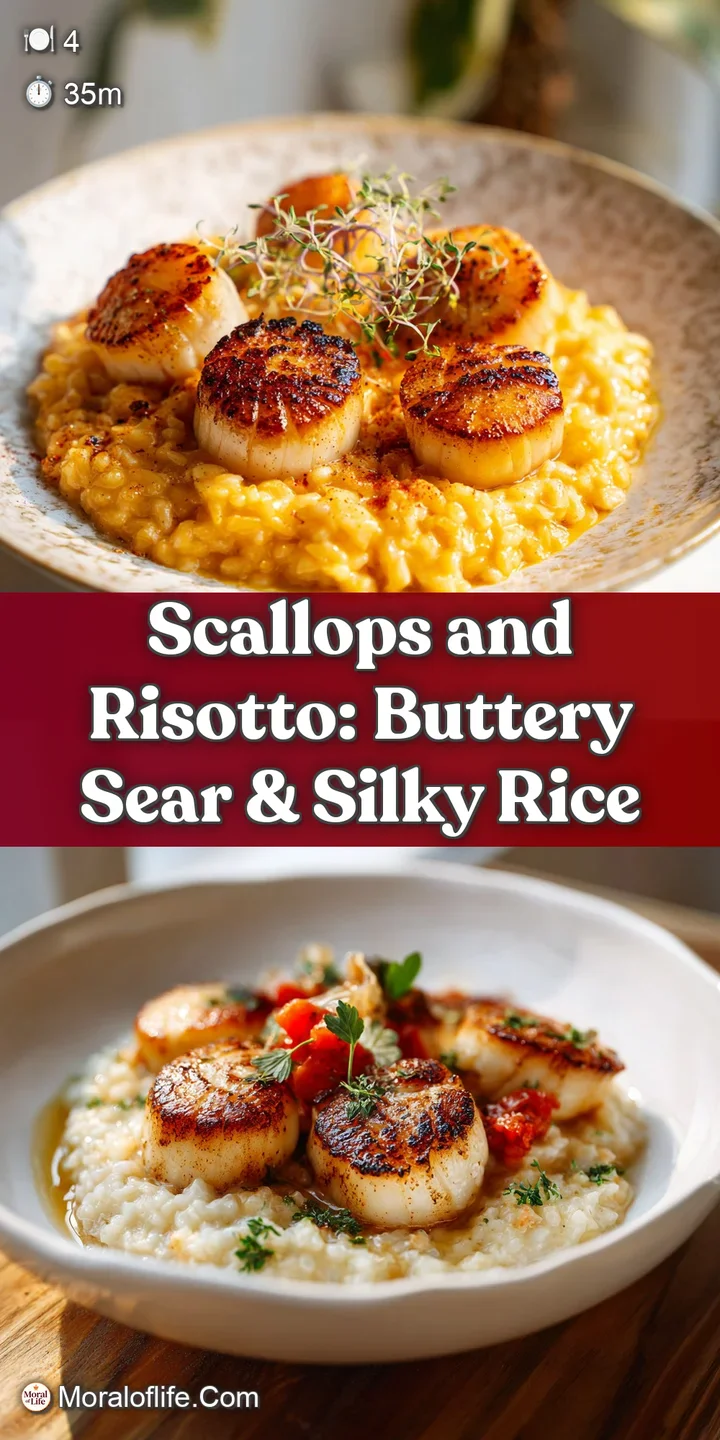
- Flavor/Texture Hook: Buttery, golden crust scallops paired with silky, lemon brightened rice.
- Perfect for: A dependable date night meal or a fancy feeling normal Tuesday dinner.
- The Chemistry of the Perfect Sear
- Vital Stats for Your Dinner Plan
- Everything Needed for Your Kitchen Prep
- The Right Tools for the Job
- Step by Step Guide to Success
- Fixing Common Scallops and Risotto Mistakes
- Creative Ways to Change the Flavor
- Precision Checkpoints for the Perfect Meal
- Storing and Reheating Your Leftover Risotto
- Best Sides for Scallops and Risotto
- High in Sodium ⚠️
- Recipe FAQs
- 📝 Recipe Card
I used to be terrified of making Scallops and Risotto at home because I thought it was "restaurant only" food. My first attempt was a total disaster the rice was a soupy mess and the scallops had the texture of a pencil eraser.
I realized I was rushing the heat and using scallops that were soaking in "processing liquid." Once I figured out the secret to a dry sear and the rhythm of the ladle, everything changed.
The kitchen smells incredible when the shallots hit the oil that sweet, earthy aroma is the first sign of a good meal. Then comes the sizzle. When those cold scallops hit a ripping hot pan, that sharp crackling sound tells you the crust is forming.
It's a dependable recipe that I’ve made dozens of times now, and honestly, you don't need a culinary degree to nail it.
We’re going to focus on getting that buttery, velvety texture in the rice while achieving a shatter crisp golden crust on the seafood. It’s all about the timing. We'll prep everything first so you aren't scrambling while the rice is bubbling.
Trust me, once you see those gorgeous golden rounds sitting on a bed of creamy arborio, you’ll be making this every other week.
The Chemistry of the Perfect Sear
The Physics of the Crust: Removing surface moisture via a paper towel prevents the scallop from steaming, allowing the Maillard reaction to create a brown, savory crust. This reaction occurs most efficiently at high temperatures once the water has evaporated.
Amylopectin Release: Frequent stirring of Arborio rice creates physical friction that rubs starch off the surface of the grains. This starch dissolves into the stock, creating a natural emulsion that results in a velvety sauce without needing excessive cream.
| Cooking Method | Total Time | Texture Outcome | Best For |
|---|---|---|---|
| Stovetop (Classic) | 25 minutes | Ultra velvety and controlled | Traditionalists who like to stir |
| Oven Baked | 30 minutes | More hands off, fluffier grain | Busy nights when you can't stand at the stove |
| Instant Pot | 20 minutes | Dense but very consistent | Beginners who want to avoid the "stirring arm" ache |
If you find yourself loving the texture of creamy grains but want something a bit more Southern, you should definitely try my Gouda Grits with recipe. The cheese to grain ratio provides a similar comfort level to this risotto but with a smoky twist.
Vital Stats for Your Dinner Plan
Before we jump in, let's look at the "how" behind our main players. Not all rice is equal, and not all scallops are worth your money. We are using "dry pack" sea scallops here. If you buy the "wet" ones, they are soaked in sodium tripolyphosphate, which makes them leak white goo in the pan and prevents that beautiful golden crust we’re after.
| Component | Science Role | Pro Secret |
|---|---|---|
| Arborio Rice | High starch binder | Never wash the rice; you need that surface starch for the creamy texture. |
| Sea Scallops | Protein center | Use "dry pack" only to ensure a shatter crisp sear instead of a rubbery steam. |
| Dry White Wine | Acidic balancer | The alcohol helps dissolve flavor compounds that water can't reach, brightening the fat. |
| Chicken Stock | Liquid hydration | Keep it simmering in a separate pot so it doesn't drop the temperature of your rice. |
The chicken stock is the backbone here. Using room temperature or cold stock is a mistake I once made it shocks the rice and makes the cooking time unpredictable. Keep it at a low simmer on the back burner. It makes a world of difference in how the grains soften.
Everything Needed for Your Kitchen Prep
I've learned the hard way that you cannot walk away from the stove once the rice starts. Get your shallots minced and your cheese grated before you even turn on the burner. We’re using 1.5 cups of Arborio rice, which is the gold standard for this dish.
- 1 lb Large Sea Scallops: Look for U-10 or U-12 size (this means 10-12 per pound). Why this? Larger scallops hold a sear better without overcooking the delicate center.
- 2 tbsp Grapeseed oil: High smoke point. Why this? It won't burn during the over high heat scallop sear like butter would.
- 1 tbsp Unsalted butter: For the scallops.
- 0.5 tsp Kosher salt: For seasoning.
- 0.25 tsp Freshly cracked black pepper: For seasoning.
- 1.5 cups Arborio rice: Short grain Italian rice.
- 5 cups Chicken stock: high-quality or homemade.
- 0.5 cup Dry white wine: Pinot Grigio or Sauvignon Blanc. Why this? Adds essential acidity to cut through the buttery richness.
- 2 small Shallots: Finely minced for a sweet, onion like base.
- 2 tbsp Extra virgin olive oil: For the rice base.
- 3 tbsp Cold unsalted butter, cubed: For the finish.
- 0.5 cup Freshly grated Parmigiano Reggiano: Real Parm makes the texture silky.
- 0.5 Lemon, zest and juice: Adds a final "pop" of brightness.
- 1 cup Frozen peas: Folded in at the very end for color and sweetness.
| Original Ingredient | Substitute | Why It Works |
|---|---|---|
| Arborio Rice | Carnaroli Rice | Higher starch and firmer "bite." Note: It's more forgiving if overcooked. |
| Chicken Stock | Vegetable Stock | Keeps it vegetarian friendly. Note: Lacks the deep savory body of chicken. |
| Shallots | Yellow Onion | Similar flavor profile. Note: Mince very finely as onion is more pungent. |
| Grapeseed Oil | Avocado Oil | Both have high smoke points. Note: Neutral flavor ensures the scallop shines. |
The Right Tools for the Job
You don't need a pantry full of gadgets, but two specific pans make this a lot easier. For the risotto, a heavy bottomed pot like a Dutch oven or a wide, deep skillet is best. For the scallops, you need a heavy stainless steel or cast iron skillet.
Non stick pans are actually quite bad here because they don't allow the protein to "grip" and brown effectively.
Chef's Tip: Freeze your scallops for exactly 10 minutes before searing. This chills the exterior just enough so you can get a deep, dark crust without the inside turning into a rubber ball.
Another trick I swear by: warm your white wine in the microwave for 20 seconds before adding it to the toasted rice. Cold wine can shock the starches and lead to an uneven cook. It sounds fussy, but it's these little tweaks that turn a "good" meal into the best scallop risotto you've ever had.
step-by-step Guide to Success
Follow this flow and you’ll have a restaurant quality meal on the table in about 35 minutes. Don't be afraid of the heat; that sizzle is your friend.
- Warm the stock. Place 5 cups of chicken stock in a saucepan over medium heat until it reaches a gentle simmer.
- Prep the scallops. Pat the 1 lb of scallops completely dry with paper towels and season with salt and pepper. Note: Moisture is the enemy of a good sear.
- Sauté the aromatics. In a separate large pan, heat 2 tbsp EVOO and add minced shallots, cooking 3 minutes until translucent and fragrant.
- Toast the rice. Add 1.5 cups Arborio rice to the shallots and stir for 2 minutes until the edges of the grains look clear.
- Deglaze. Pour in 0.5 cup white wine and stir constantly until the liquid is fully absorbed.
- Hydrate the grains. Add the warm stock one ladle at a time, stirring frequently. Wait for each ladle to be absorbed until the rice is creamy but still has a slight bite.
- Sear the scallops. Heat 2 tbsp grapeseed oil in a skillet until smoking. Add scallops and 1 tbsp butter, searing 2 minutes per side until a deep golden crust forms.
- Finish the rice. Stir in 1 cup frozen peas, 3 tbsp cold butter, 0.5 cup Parmigiano, and the lemon zest/juice.
- Combine and rest. Place the seared scallops on top of the rice and let it sit for 2 minutes until the residual heat warms the peas.
If you're looking for a faster way to handle the grains, you can always use an Instant Pot Risotto recipe which cuts the active stirring time significantly while keeping that velvety texture.
Fixing Common Scallops and Risotto Mistakes
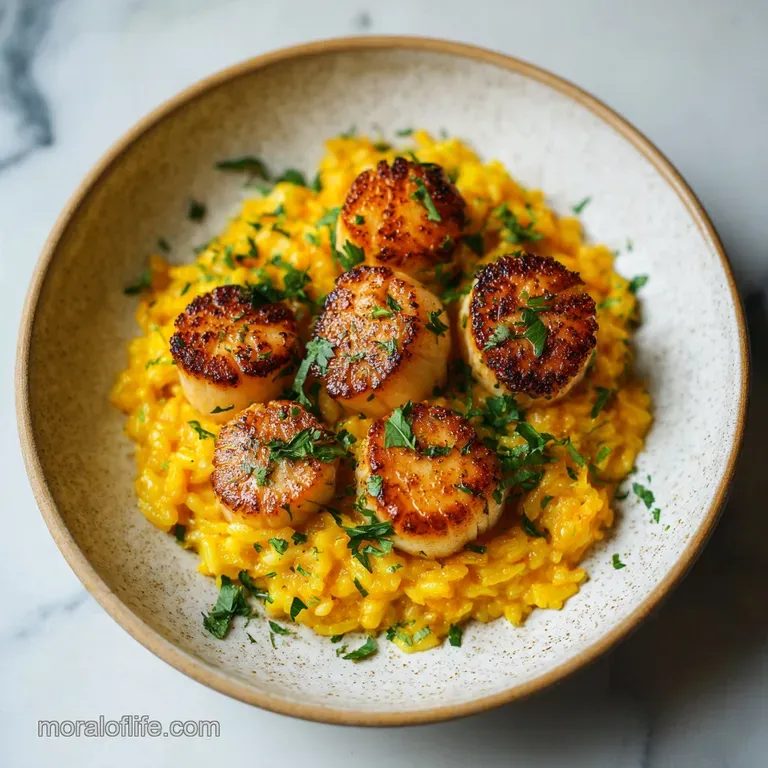
The most common issue I hear from friends is that their scallops are "sweaty" rather than crispy. This usually happens because the pan wasn't hot enough or they crowded the pan. If you put too many scallops in at once, the temperature drops and they start to boil in their own juices. Work in batches if you have to!
Why Your Risotto is Soupy
This happens when you add too much liquid at the very end or don't let the starch fully emulsify. Risotto should be "all'onda" which means it should move like a wave when you shake the pan, not sit like a puddle of soup. If it's too wet, just keep stirring over medium heat for another 2 minutes.
The friction will thicken it up naturally.
Why Your Scallops are Rubbery
You likely overcooked them. Scallops only need about 2 minutes per side. Once they feel firm like a marshmallow, they are done. If they feel hard like a bouncy ball, they've gone too far.
| Problem | Root Cause | Solution |
|---|---|---|
| Scallops sticking to pan | Pan not hot enough | Wait for the oil to shimmer and slightly smoke before adding protein. |
| Rice is crunchy in center | Stock was added too fast | Slow down and ensure each ladle is absorbed before adding more. |
| Dish tastes flat/bland | Lack of acidity | Add an extra squeeze of lemon or a splash of vinegar at the end. |
Common Mistakes Checklist
- ✓ Pat scallops dry with a paper towel on both sides (essential for the sear).
- ✓ Use a wide pan for the rice to allow even evaporation.
- ✓ Never rinse your Arborio rice; the starch is the "sauce."
- ✓ Keep the stock simmering, never cold, to maintain the cooking rhythm.
- ✓ Don't move the scallops for the first 2 minutes let the crust build!
Creative Ways to Change the Flavor
Once you've mastered the base Scallops and Risotto, the variations are endless. I love a scallop risotto mushroom version where you sauté cremini or porcini mushrooms with the shallots. The earthiness of the mushrooms plays so well with the sweetness of the seafood.
It's a bit more "fall" in flavor, but it's incredibly comforting.
For a Bright Citrus & Fennel Profile
Substitute the peas for thinly shaved fennel bulb. Sauté the fennel with the shallots and add a bit of orange zest along with the lemon at the end. It makes the whole dish feel lighter and more like a summer lunch on the coast.
For an Earthy Twist
Stir in a teaspoon of truffle oil or some sautéed wild mushrooms. If you like a little heat, you can also look into a Crispy Bang Bang recipe for inspiration on how to spice up your seafood toppings.
Precision Checkpoints for the Perfect Meal
To make sure you're on the right track, keep these three numeric markers in mind. Cooking by feel is great, but numbers don't lie when you're learning a new technique.
- Pan Temperature: Your skillet for the scallops should be between 400°F and 425°F (200°C - 215°C). Use an infrared thermometer or wait until the oil just starts to wispy smoke.
- Rice Ratio: 1.5 cups of rice will almost always take exactly 4.5 to 5 cups of liquid. If you hit 5 cups and it's still crunchy, your heat is likely too high and evaporating the water too fast.
- Internal Temp: If you're nervous about doneness, a large scallop is perfectly cooked at an internal temperature of 125°F to 130°F (52°C - 54°C).
Storing and Reheating Your Leftover Risotto
Risotto is notoriously tricky to store because the rice continues to absorb moisture as it sits. By the next day, your silky rice will likely be a solid block. Don't throw it out! It’s still dependable for a quick lunch, you just need a trick to bring it back to life.
- Fridge: Keep in an airtight container for up to 3 days.
- Freezer: I don't recommend freezing risotto; the grains become grainy and mealy when thawed.
- Reheating: Add a splash of stock or water to a pan, add the cold rice, and stir over medium heat. The extra liquid will loosen the starch again.
- Zero Waste: If the rice is too mushy to enjoy as is, roll it into balls, stuff with a bit of cheese, bread them, and fry them to make Arancini. It's my favorite way to handle leftovers.
Searing meat or seafood does not "seal in juices." This is a total myth. Moisture loss happens regardless of the sear. We sear purely for the Maillard reaction that deep, savory flavor and the texture of the crust. The juice stays inside because we don't overcook the center.
Another one: you don't actually have to stir risotto constantly. You just need to stir it frequently. Stirring every 30 seconds is enough to release the starch without wearing your arm out.
Best Sides for Scallops and Risotto
Since this dish is quite rich and buttery, you want to serve it with something that has some "crunch" or a bit of bitterness. A simple arugula salad with a sharp balsamic vinaigrette is a classic choice. The peppery greens cut right through the Parmigiano Reggiano.
- Roasted Asparagus
- Tossed in lemon and garlic.
- Charred Broccolini
- The slight bitterness balances the sweet scallops.
- Focaccia
- Perfect for wiping up any leftover creamy sauce on the plate.
Decision Shortcut: If you want X, do Y If you want more depth, add a pinch of saffron threads to the simmering stock. If you want less fat, swap the final butter for a dollop of Greek yogurt.
If you want extra crunch, top the finished dish with toasted breadcrumbs (pangrattato).
This recipe is all about confidence. Don't be afraid to let those scallops sit in the pan without touching them that's how the magic happens. Once you've got that golden crust and that velvety rice, you'll see why this is a dependable favorite in my house. Enjoy your dinner!
High in Sodium ⚠️
945 mg mg of sodium per serving (41% % of daily value)
The American Heart Association recommends limiting sodium intake to about 2,300mg per day.
Tips to Reduce Sodium in Your Scallop Risotto
-
Low-Sodium Broth-30%
Swap regular chicken stock with a low-sodium or no-salt added version. This can significantly cut down the sodium content in your risotto.
-
Reduce Added Salt-25%
Halve the amount of kosher salt initially added. Taste and adjust seasoning at the end, if needed. You might find you don't miss the extra sodium!
-
Parmesan Wisely-15%
Parmigiano Reggiano is high in sodium. Reduce the amount used, or substitute with a lower sodium hard cheese. Also, taste the risotto before adding all the cheese to control sodium levels.
-
Enhance with Lemon-10%
Increase the amount of lemon zest and juice to boost the flavor profile. The acidity will enhance the other flavors, allowing you to use less salt.
-
Garlic & Herbs
Use garlic powder or fresh minced garlic, and dried or fresh herbs (like thyme, parsley, or chives) to enhance the dish's flavor. They add complexity without adding sodium.
Recipe FAQs
Can you serve scallops with risotto?
Yes, they are a classic and excellent pairing. The delicate sweetness of the seared scallop contrasts beautifully with the rich, creamy texture of the Arborio rice base.
What pairs well with scallops in this context?
Acidity, brightness, and slight bitterness balance the richness. Consider charred broccolini, a simple arugula salad with balsamic, or folding in fresh lemon zest and juice at the very end.
Can celiac people eat risotto?
Only if made with guaranteed gluten-free ingredients. Traditional risotto uses Arborio or Carnaroli rice, which are naturally gluten-free, but always verify that your stock and any added flavorings are certified GF.
What kind of rice goes with scallops?
Arborio rice is the standard choice for the creamy texture needed. Carnaroli is an excellent alternative as it holds its shape slightly better while still releasing ample starch for the sauce.
How do I ensure my scallops get a good crust when cooking with risotto?
Get the pan ripping hot, then pat the scallops completely dry. Sear them in high smoke-point oil (like grapeseed) for two minutes without moving them to achieve the Maillard reaction crust.
How do I keep my risotto from becoming soup instead of creamy?
Add warm stock slowly, stirring frequently until mostly absorbed before adding the next ladle. The dish should look like a wave (all'onda) when you shake the pan, not run like a puddle.
Is it true I must use "dry pack" scallops for the best sear?
Yes, using "dry pack" scallops is highly recommended. "Wet pack" scallops are treated with phosphates, which causes them to release excessive white liquid when heated, preventing a proper golden crust.
Golden Scallops And Risotto
Ingredients:
Instructions:
Nutrition Facts:
| Calories | 738 kcal |
|---|---|
| Protein | 37.1 g |
| Fat | 31.8 g |
| Carbs | 71.9 g |
| Fiber | 3.8 g |
| Sugar | 4.1 g |
| Sodium | 945 mg |
