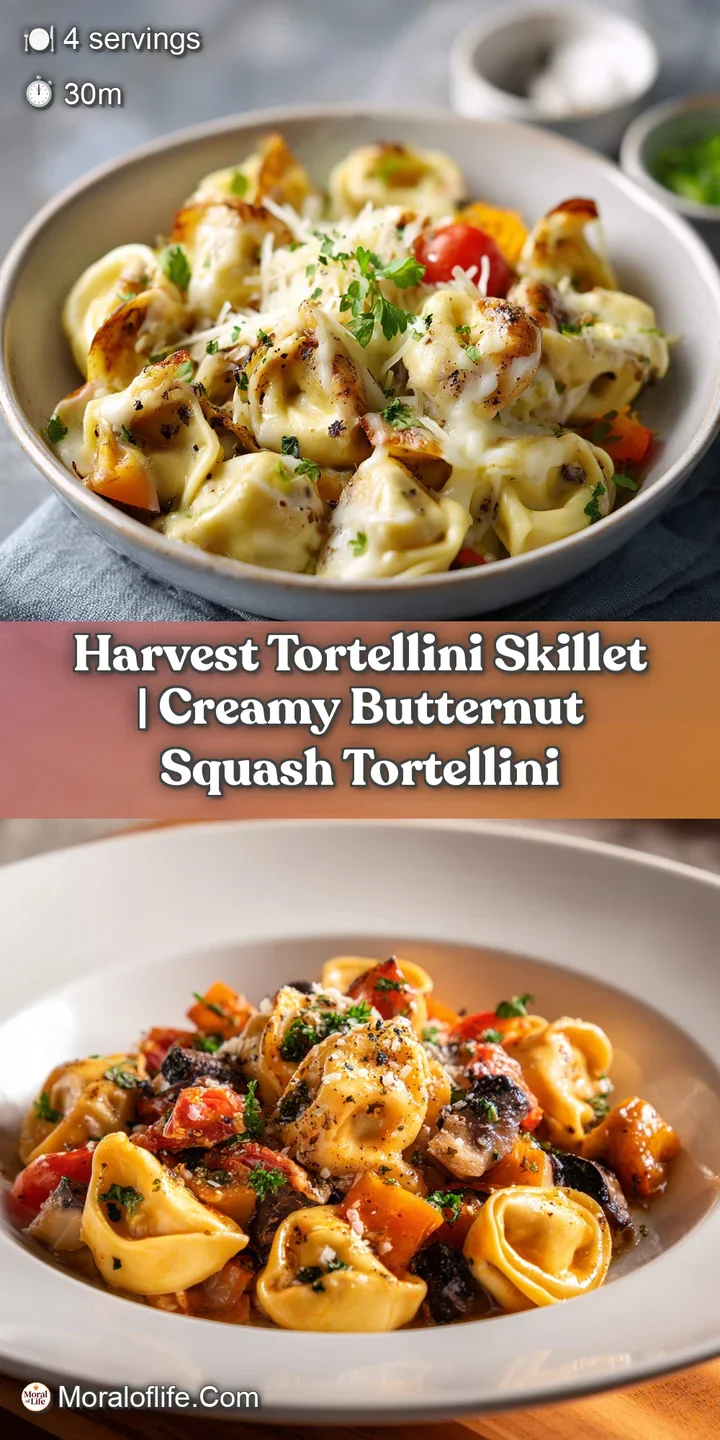
Harvest Tortellini Skillet with Butternut Squash
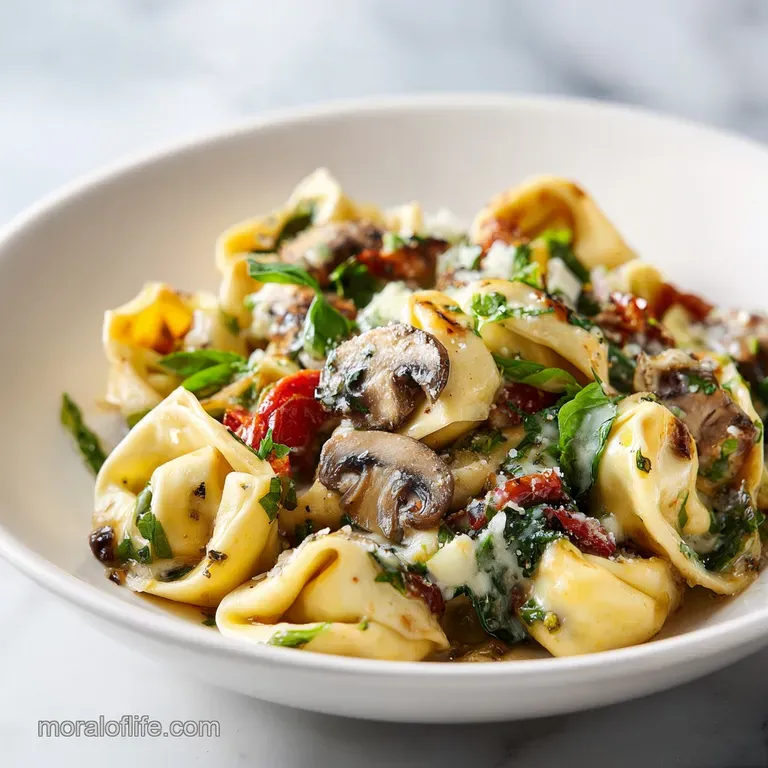
- Time: Active 10 minutes, Passive 20 mins, Total 30 minutes
- Flavor/Texture Hook: Velvety cream sauce with nutty browned butter notes
- Perfect for: A dependable weeknight dinner that feels like a weekend treat
- Making the Perfect Harvest Tortellini Skillet Tonight
- The Science of the Golden Sear
- Essential Chemistry for a Silky Harvest Tortellini Skillet
- Timing and Proportions for This Harvest Tortellini Skillet
- The Minimal Tool Kit for Your Harvest Tortellini Skillet
- From Prep to Plate Guide for Success
- Solving Common Obstacles with Your Harvest Tortellini Skillet
- Swapping Ingredients in Your Easy Harvest Tortellini Skillet
- Debunking Tortellini Cooking Myths
- Keeping Your Harvest Tortellini Skillet Fresh for Leftovers
- Creating a Balanced Plate with This Harvest Tortellini Skillet
- Recipe FAQs
- 📝 Recipe Card
Making the Perfect Harvest Tortellini Skillet Tonight
Picture this: It's a Tuesday evening, the sun is setting earlier than you'd like, and the kitchen is filled with the earthy, woodsy scent of fresh sage hitting hot butter. That specific sizzle when the cold squash hits the olive oil is the sound of a good night starting.
I used to think a dish like this required three different pans and a culinary degree, but after a few messy trials, I realized the secret is all about the order of operations in one single skillet.
You're going to love how the heavy cream picks up the orange hue of the butternut squash, creating a sauce that looks like autumn in a bowl. We’ve all been there where the squash is mushy or the pasta is dry, but we're skipping those mistakes today.
This recipe is my go to when I want something that looks fancy for the family but actually lets me sit down and breathe while it simmers.
The Science of the Golden Sear
Searing the butternut squash at a high heat triggers the Maillard reaction, turning natural sugars into complex, nutty flavor compounds. This creates a structural "crust" that prevents the vegetable from turning into a pile of mash when we add the heavy cream and pasta later.
| Method | Time | Texture | Best For |
|---|---|---|---|
| One Pan Skillet | 20 mins | Crispy edges | Quick weeknight |
| Roasted Squash | 35 mins | Deeply caramelized | Weekend dinner |
| Slow Cooker | 4 hours | Soft and stew like | Set and forget |
Essential Chemistry for a Silky Harvest Tortellini Skillet
Getting that restaurant quality finish isn't luck; it's about how the fats and starches play together. When we toss the refrigerated tortellini directly into the simmering sauce, it releases just enough starch to bind the fats from the heavy cream and Parmesan cheese.
This prevents that greasy separation you sometimes see in cream based pasta dishes.
- Starch Emulsification: The flour dusting on refrigerated pasta helps thicken the 1/2 cup heavy cream into a coating that actually sticks to the tortellini.
- Aromatic Infusion: Sautéing the fresh sage in 3 tbsp unsalted butter first allows the fat to carry the herb's flavor throughout the entire Harvest Tortellini Skillet.
- Acid Balance: While not in the main list, a tiny squeeze of lemon or the sharp 1/2 cup freshly grated Parmesan cheese cuts through the fat to keep the flavor bright.
| Ingredient | Science Role | Pro Secret |
|---|---|---|
| Butternut Squash | Bulk and natural sweetness | Cut cubes into exactly 1/2 inch pieces for even cooking |
| Heavy Cream | Fat source for emulsification | Bring to room temp before adding to prevent sauce breakage |
| Fresh Sage | Volatile oil source | Slap the leaves between your palms to wake up the oils |
Timing and Proportions for This Harvest Tortellini Skillet
Before you start, make sure your squash is prepped. Trying to peel a butternut squash while the shallots are already browning is a recipe for burnt garlic. If you’re craving more savory garlic vibes after this, you’ve got to try my Cowboy Butter Garlic recipe which uses a similar flavor base.
- 20 oz refrigerated cheese tortellini: Why this? Cooks faster and holds sauce better than dried pasta. (Sub: Frozen tortellini, add 2 mins)
- 3 cups butternut squash: Why this? Provides the "harvest" flavor and creamy texture. (Sub: Sweet potato cubes)
- 2 cups fresh kale: Why this? Adds a necessary bitter contrast to the sweet squash. (Sub: Fresh baby spinach)
- 1 medium shallot: Why this? Gentler, sweeter flavor than a standard white onion. (Sub: Half a yellow onion)
- 3 cloves garlic: Why this? Essential aromatic base. (Sub: 1 tsp garlic powder)
- 3 tbsp unsalted butter: Why this? Controls salt levels while adding rich mouthfeel. (Sub: Vegan butter)
- 1 tbsp olive oil: Why this? Raises the smoke point so the butter doesn't burn. (Sub: Avocado oil)
- 1/2 cup heavy cream: Why this? Creates the velvety texture we're after. (Sub: Full fat coconut milk)
- 1/2 cup freshly grated Parmesan cheese: Why this? Adds salt and acts as a thickener. (Sub: Pecorino Romano)
- 1 tbsp fresh sage: Why this? The classic flavor pairing for squash. (Sub: 1 tsp dried sage)
- 1/2 tsp freshly grated nutmeg: Why this? Bridges the gap between savory and sweet. (Sub: Ground mace)
- Salt and Cracked black pepper: Why this? Fundamental seasoning.
The Minimal Tool Kit for Your Harvest Tortellini Skillet
You don't need a kitchen full of gadgets for this. A wide, heavy bottomed skillet is your best friend here because it provides enough surface area to sear the squash without crowding. I prefer a 12 inch cast iron or a deep stainless steel pan.
Beyond the pan, a sharp chef's knife is non negotiable for the squash. Those things are tough! If you have a microplane for the 1/2 tsp freshly grated nutmeg and the 1/2 cup freshly grated Parmesan cheese, you'll get a much finer melt than the pre shredded stuff in a can.
Trust me, the extra 60 seconds of grating makes a world of difference in how velvety the sauce becomes.
From Prep to Plate Guide for Success
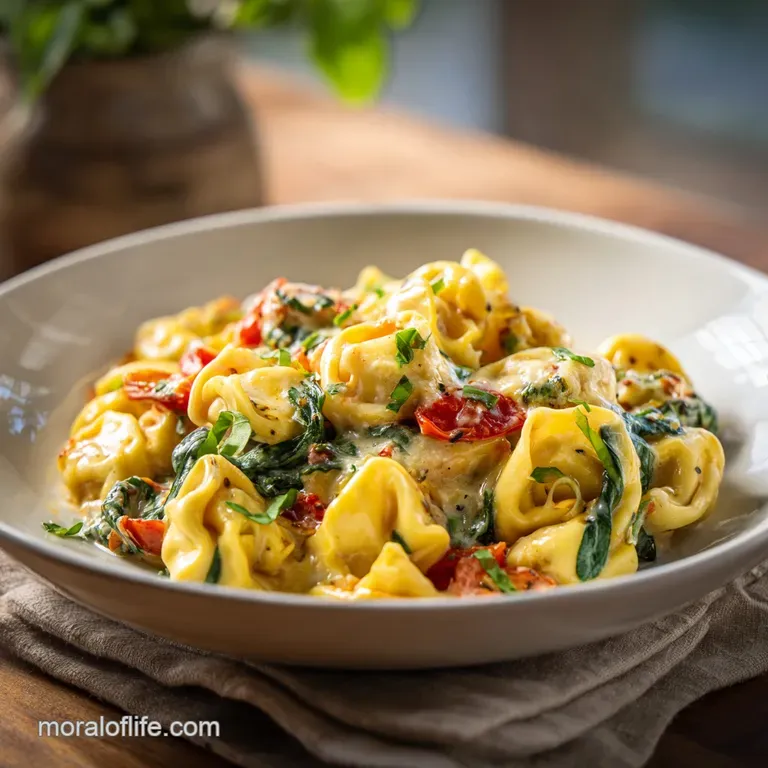
- Prep the vegetables. Peel and cut the butternut squash into 1/2 inch cubes. Mince the 1 medium shallot and 3 cloves garlic. Roughly chop the 2 cups fresh kale.
- Sear the squash. Heat 1 tbsp olive oil in a large skillet over medium high heat. Add the squash cubes in a single layer.
- Brown the edges. Cook the squash for 8-10 minutes until the edges are golden and the centers are tender when pierced with a fork. Note: Don't stir too often or they won't brown.
- Sauté aromatics. Lower the heat to medium. Add 3 tbsp unsalted butter to the pan. Once melted and bubbling, stir in the shallots and 1 tbsp fresh sage.
- Fragrant base. Cook for 2 minutes until the shallots are translucent and the sage is fragrant. Add the garlic and 1/2 tsp freshly grated nutmeg for the last 30 seconds.
- Deglaze and simmer. Pour in the 1/2 cup heavy cream. Bring to a gentle simmer, scraping up any brown bits from the bottom of the pan.
- Add the pasta. Stir in the 20 oz refrigerated cheese tortellini and the chopped kale.
- Cook until tender. Cover the skillet and cook for 4-5 minutes until the tortellini is plump and the kale is wilted.
- Finish with cheese. Remove from heat. Fold in the 1/2 cup freshly grated Parmesan cheese.
- Season and serve. Add salt and cracked black pepper to taste. The sauce will thicken as it sits for a minute.
Solving Common Obstacles with Your Harvest Tortellini Skillet
Why is my squash hard?
If your 1/2 inch cubes are still crunchy after the searing phase, they likely didn't get enough direct contact with the pan or the heat was too low. The steam from the cream sauce will help a little, but the squash should be 90% cooked before the liquid goes in.
Why is the sauce oily?
This usually happens if the pan was too hot when you added the 1/2 cup heavy cream, or if you used pre shredded cheese. Pre shredded cheese is coated in potato starch that can cause the fat in the sauce to separate. Always grate your 1/2 cup freshly grated Parmesan cheese fresh for a silky result. On colder days, I often pivot this flavor profile into my Fire Roasted Chicken recipe if I want something more spoonable.
| Problem | Root Cause | Solution |
|---|---|---|
| Gummy Pasta | Overcooked tortellini | Check doneness at exactly 4 minutes |
| Bland Flavor | Lack of salt or acid | Add a pinch more salt or a dash of lemon juice |
| Dry Skillet | High evaporation | Add 2-3 tbsp of water or broth to loosen the sauce |
Common Mistakes Checklist
- ✓ Pat the squash dry before adding to the oil to ensure a proper sear.
- ✓ Don't skip the nutmeg; it's the "secret" ingredient that makes the squash taste better.
- ✓ Keep the heat at medium when adding the cream to prevent curdling.
- ✓ Use refrigerated tortellini rather than dried for the best texture to sauce ratio.
- ✓ Remove the kale stems completely; they are too woody for this quick cook time.
Swapping Ingredients in Your Easy Harvest Tortellini Skillet
When you need to adjust this for a crowd, the math is simple. If you're doubling the recipe, use a second skillet rather than one giant one to ensure the squash still sears properly. Keep your salt and 1/2 tsp freshly grated nutmeg at about 1.5x the original amount and adjust at the end to avoid over seasoning.
| Original Ingredient | Substitute | Why It Works |
|---|---|---|
| Heavy Cream (1/2 cup) | Full fat Coconut Milk | Similar fat content. Note: Adds a slight nutty/tropical flavor. |
| Fresh Sage (1 tbsp) | Fresh Thyme (1 tbsp) | Different flavor profile but still pairs beautifully with squash. |
| Butternut Squash (3 cups) | Sweet Potatoes (3 cups) | Same cook time and starch level with a slightly sweeter finish. |
Chef's Tip: To get the most out of your herbs, fry the sage leaves in the butter until they are slightly crisp before adding the cream. It adds a "shatter" texture to the finished dish that is incredible.
Debunking Tortellini Cooking Myths
One big myth is that you need to boil the 20 oz refrigerated cheese tortellini in a separate pot of water first. Doing that actually loses the starch you need to thicken the sauce. Cooking the pasta directly in the 1/2 cup heavy cream and the moisture from the 2 cups fresh kale makes the pasta much more flavorful.
Another misconception is that butternut squash must be roasted in the oven to be good. While roasting is great, the skillet method used in this Harvest Tortellini Skillet provides those crispy, caramelized edges in half the time.
As long as your cubes are consistent at 1/2 inch, they will cook through perfectly on the stove.
Keeping Your Harvest Tortellini Skillet Fresh for Leftovers
- Storage
- This keeps beautifully in the fridge for up to 3 days. The pasta will soak up some of the sauce as it sits, so it might look a bit drier the next day.
- Reheating
- To bring back that velvety texture, add a splash of milk or water before microwaving or reheating on the stove. This loosens the fats and creates a "fresh" sauce again.
- Freezing
- I don't recommend freezing the completed dish because the 1/2 cup heavy cream and the squash can change texture significantly when thawed. It's best enjoyed fresh!
- Zero Waste
- Don't toss those squash seeds! You can roast them just like pumpkin seeds with a little salt and oil for a crunchy snack.
Creating a Balanced Plate with This Harvest Tortellini Skillet
Since this dish is quite rich and savory, it pairs best with something bright and acidic. A simple arugula salad with a lemon vinaigrette works wonders. If you're looking for a sweet finish to an autumn meal, my Skillet Pan Cookie recipe uses the same pan cooking technique for a perfect dessert.
For a heavier protein addition, sliced Italian sausage or even some shredded rotisserie chicken can be folded in at the same time as the 20 oz refrigerated cheese tortellini. Just ensure whatever you add is already cooked, as the final simmering phase is only about 5 minutes.
This is a dependable, repeat with confidence meal that fits perfectly into any normal Tuesday.
Recipe FAQs
Can I use dried tortellini instead of refrigerated?
No, stick with refrigerated. Dried pasta requires significantly longer cooking time and won't release the necessary starch to properly thicken the cream sauce in the skillet.
How to ensure the butternut squash sears instead of steaming?
Place the 1/2 inch cubes in a single layer without crowding the pan. Use medium high heat and avoid stirring for the first 8-10 minutes to develop that crucial golden crust.
Is it true that I must boil the tortellini separately before adding it to the skillet?
No, this is a common misconception. Cooking the tortellini directly in the simmering cream releases the starch needed to emulsify the sauce and create that velvety texture.
How to keep the cream sauce from looking oily or separated?
Grate your Parmesan cheese fresh immediately before using it. Pre-shredded cheese contains anti caking agents that prevent the fat from binding correctly with the starch.
How long can I safely store leftovers of this skillet meal?
Yes, it keeps well for up to 3 days in the refrigerator. Reheat gently on the stovetop or microwave, adding a small splash of milk or water to rehydrate the sauce.
Can I substitute the heavy cream with a lighter dairy option?
It is strongly recommended to use heavy cream for best results. While full fat coconut milk is a viable swap, using half and-half or milk will likely result in a much thinner, less luxurious sauce.
How to make the fresh sage contribute more flavor to the final dish?
Fry the fresh sage leaves in the butter briefly until they become slightly crisp. This process releases the volatile oils, infusing the fat base before you add the liquids and pasta.
Harvest Tortellini Skillet Recipe
Ingredients:
Instructions:
Nutrition Facts:
| Calories | 737 calories |
|---|---|
| Protein | 23g |
| Fat | 37g |
| Carbs | 79g |
| Fiber | 5g |
| Sugar | 6g |
| Sodium | 712mg |
