Joanna Gaines Pizza Dough: Soft and Chewy Crust
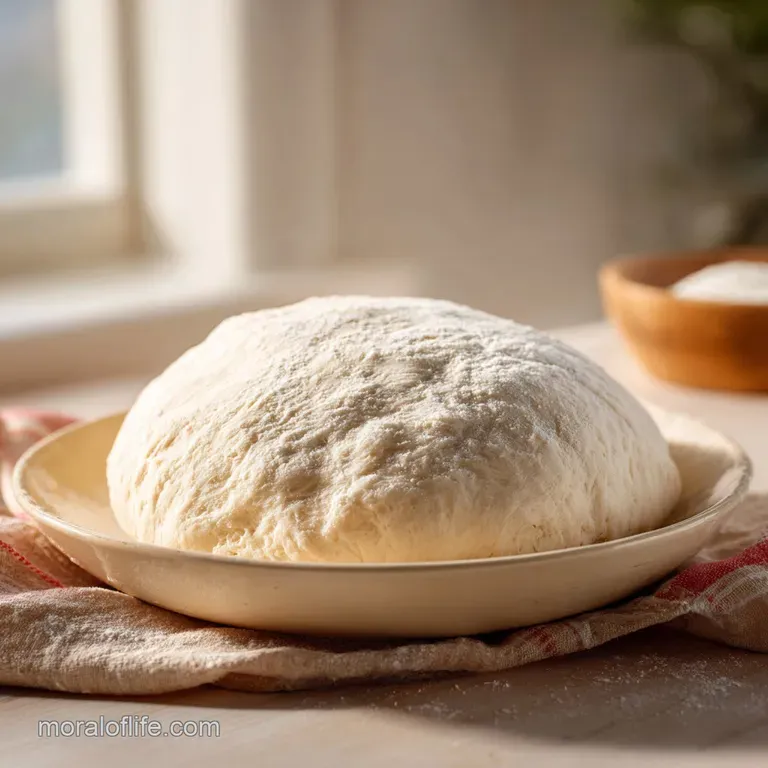
- Time: Active 25 minutes, Passive 92 minutes, Total 117 minutes
- Flavor/Texture Hook: Mahogany colored, chewy, and slightly sweet
- Perfect for: A dependable family pizza night or beginner bread makers
- How To Make This Dependable Joanna Gaines Pizza Dough
- The Magical Science Behind That Famous Soft And Chewy Crust
- Quick Reference Guide For The Best Homemade Pizza Results
- Selecting The Simple Ingredients For This Magnolia Table Classic
- Minimalist Kitchen Tools To Get The Perfect Dough Consistency
- Follow These Reliable Steps For Joanna Gaines Pizza Dough Success
- Common Dough Hiccups And How To Fix Them Fast
- Flavor Variations To Keep Your Pizza Night Feeling Fresh
- How To Store Your Dough For Later Family Dinners
- The Best Sides To Serve With Your Homemade Pizza
- Recipe FAQs
- 📝 Recipe Card
How To Make This Dependable Joanna Gaines Pizza Dough
There is a specific smell that hits you the moment you walk into a kitchen where bread is rising. It’s that yeasty, earthy, slightly sweet aroma that promises something warm is on the way.
Honestly, when I first tried making the Joanna Gaines pizza dough, I expected it to be a bit fussy because everything from Magnolia Table looks so curated. Instead, I found a recipe that felt like an old friend dependable, forgiving, and exactly what a normal Tuesday night needs.
The first time I pulled this mahogany colored crust out of the oven, I realized it wasn't about being a professional baker; it was about the patience of letting that yeast do its thing.
You know those pizza nights where the crust is either like a wet cracker or so tough you need a steak knife? We've all been there. This dough solves that by leaning into a higher hydration and a solid rest period.
It results in a soft pizza crust recipe that still has enough structure to hold a mountain of pepperoni and cheese without sagging. It’s the kind of recipe you repeat with confidence because it works every single time, whether you’re using a pizza stone or just a regular old baking sheet.
We aren't going for a thin, charred Neapolitan style here. This is a classic, homemade pizza dough recipe that feels like home. It’s thick enough to be satisfying but light enough that you’ll probably reach for a third slice.
The sugar or honey provides just enough fuel for the yeast to create those beautiful air pockets, and the olive oil ensures the crumb stays velvety rather than dry. It’s a straightforward process that rewards you with a crust that shatters slightly on the outside while remaining pillowy on the inside.
The Magical Science Behind That Famous Soft And Chewy Crust
I used to think yeast was a bit of a mystery, but once you understand why we treat it a certain way, everything clicks. This recipe relies on a few simple physical reactions to get that specific Magnolia Table texture.
- The Bloom Signal: Mixing warm water (specifically between 105°F and 115°F) with sugar wakes up the dormant yeast, creating carbon dioxide bubbles that give the dough its lift.
- Gluten Networking: As we knead for those 5–7 minutes, we are physically stretching the proteins in the flour to create a web that traps those air bubbles.
- Sugar Fermentation: The tablespoon of sugar doesn't just add flavor; it acts as an immediate energy source for the yeast to ensure a vigorous rise.
- Lipid Barrier: Adding olive oil coats the gluten strands, which prevents them from becoming too tough, resulting in a much softer bite.
| Component | Science Role | Pro Secret |
|---|---|---|
| Active Dry Yeast | Leavening agent | Ensure water isn't above 115°F or you'll kill the yeast. |
| Warm Water | Hydration & activation | Use filtered water if your tap smells strongly of chlorine. |
| All Purpose Flour | Structural base | Weigh your flour for the most consistent "tacky" texture. |
| Extra Virgin Olive Oil | Tenderness | Brush some on the crust edges before baking for extra shine. |
The relationship between the water temperature and the yeast is the most critical part of this entire process. If the water is too cold, the yeast stays asleep, and your dough will be a heavy brick. If it's too hot, you'll kill the organisms entirely.
I always use a digital thermometer because "warm to the touch" can be deceptive depending on how cold your hands are that day.
Quick Reference Guide For The Best Homemade Pizza Results
When you're in the middle of a messy kitchen, you don't want to be scrolling through paragraphs. This table helps you decide how to manage your pizza night based on who you are feeding and how much time you actually have.
| Servings | Flour Amount | Pan Size | Cook Time |
|---|---|---|---|
| 4 people | 2 cups | One 12 inch round | 12 minutes |
| 8 people | 4 cups | Two 12 inch rounds | 12 minutes |
| 12 people | 6 cups | Three 12 inch rounds | 15 minutes |
This recipe is incredibly easy to scale up for a party. If you are making the full 8 serving batch, you'll end up with two generous 12 inch pizzas. I usually find that one 12 inch pizza feeds four people comfortably, especially if you've got a side salad or some breadsticks on the table.
Selecting The Simple Ingredients For This Magnolia Table Classic
The beauty of this easy homemade pizza dough is that you likely have everything in your pantry right now. No specialized "00" flour or expensive starters required.
- 1.5 cups warm water: Keep it between 105°F and 115°F. Why this? This precise range activates yeast without damaging it.
- 2.25 tsp active dry yeast: This is exactly one standard packet. Why this? Provides the dependable, slow rise needed for flavor.
- 1 tbsp sugar or honey: Use what you have on hand. Why this? Feeds the yeast and helps the crust brown beautifully.
- 4 cups all purpose flour: Plus extra for dusting your surface. Why this? Creates a softer, more family friendly crumb than bread flour.
- 1.5 tsp kosher salt: I prefer Diamond Crystal or Morton. Why this? Regulates yeast activity and prevents a bland crust.
- 3 tbsp extra virgin olive oil: Divided for the dough and the bowl. Why this? Adds fat for a velvety texture and prevents sticking.
| Original Ingredient | Substitute | Why It Works |
|---|---|---|
| All Purpose Flour | Bread Flour | Higher protein leads to a much chewier, toothsome crust. |
| White Sugar | Honey | Adds a floral note and keeps the dough more moist. |
| Active Dry Yeast | Instant Yeast | Can be mixed directly with flour; skip the 10 minute bloom. |
If you decide to swap in bread flour, just be aware that you might need a splash more water. Bread flour absorbs more liquid than all purpose, so the dough might feel a little stiffer. The flavor won't change much, but the "chew factor" will definitely go up.
Minimalist Kitchen Tools To Get The Perfect Dough Consistency
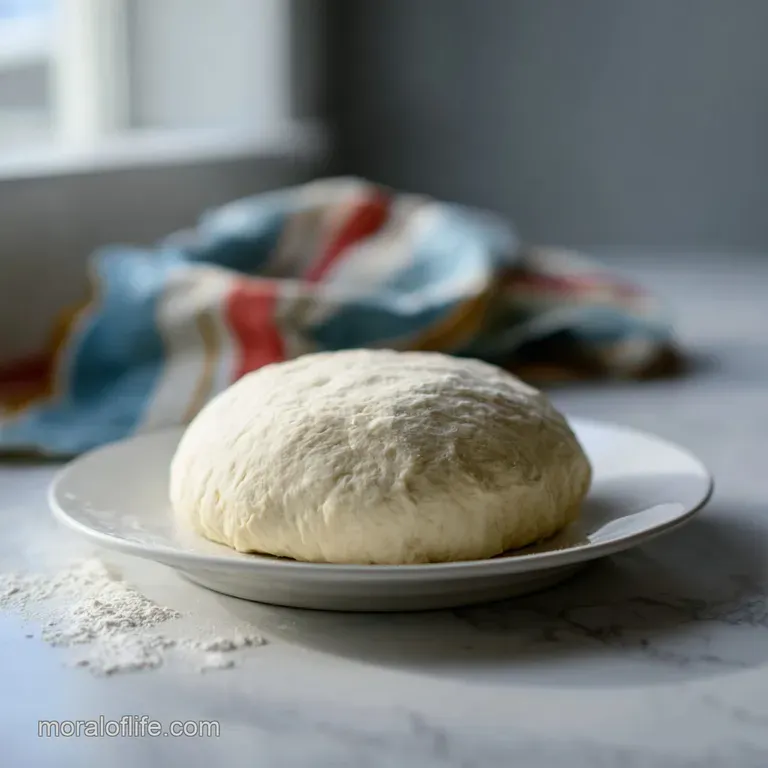
You don't need a professional bakery setup to make this joanna gaines homemade pizza. In fact, keeping it simple usually leads to better results because you're more focused on the feel of the dough.
- Stand Mixer: While you can do this by hand, a mixer with a dough hook makes the 5 7 minute knead effortless.
- Large Glass Bowl: Perfect for the 1 hour 30 mins rise so you can actually see when the dough has doubled.
- Pizza Stone: If you want that mahogany colored bottom, a preheated stone is a total lifesaver.
- Digital Thermometer: The only way to be 100% sure your water is in that 105°F-115°F sweet spot.
Chef's Tip: If you don't have a pizza stone, flip a heavy baking sheet upside down in the oven while it preheats. It acts as a heat sink and helps crisp up the bottom of the crust just like the expensive ceramic versions.
Follow These Reliable Steps For Joanna Gaines Pizza Dough Success
- Combine the 1.5 cups warm water, 1 tbsp sugar or honey, and 2.25 tsp yeast in your mixer bowl. Note: This wakes up the yeast.
- Wait 5 to 10 minutes until the mixture is foamy and smells like a bakery.
- Add 2 tbsp of the olive oil and 1.5 tsp kosher salt to the bowl.
- Turn the mixer to low and gradually add the 4 cups of flour.
- Increase speed to medium and knead for 5–7 minutes until the dough pulls away from the bowl.
- Check the texture; it should be tacky but not sticking to your fingers like glue.
- Coat a glass bowl with 1 tbsp olive oil and place the dough inside.
- Cover with plastic wrap and let rise in a warm spot for 1 hour 30 mins until it has doubled in size.
- Preheat the oven to 425°F (220°C) with your stone inside.
- Stretch the dough into two 12 inch circles, add toppings, and bake for 10–12 minutes until the cheese is bubbly and edges are dark golden.
Common Dough Hiccups And How To Fix Them Fast
Even with a dependable recipe, the humidity in your kitchen or the age of your flour can throw things off. The most common issue people have with the gaines pizza dough is the stickiness.
Why is my dough too sticky to handle?
If your dough is clinging to your hands like wet paint after the full kneading time, you likely have a bit too much moisture. This often happens on rainy days or if your flour was measured loosely with a cup rather than weighed.
Simply add one tablespoon of flour at a time while the mixer is running until it clears the sides of the bowl.
Why does the dough snap back when stretching?
This is a classic sign of "tight" gluten. If you try to stretch your 12 inch circles and they keep shrinking back to 8 inches, the dough is telling you it's tired. Cover it with a clean kitchen towel and let it rest for 10–15 minutes.
This allows the gluten proteins to relax, making it much easier to shape without a fight.
| Problem | Root Cause | Solution |
|---|---|---|
| Dough won't rise | Dead yeast or cold water | Check expiration date; ensure water is exactly 105°F-115°F. |
| Crust is soggy | Over topped or low heat | Use fewer "wet" toppings and preheat the oven for at least 30 mins. |
| Dry, crumbly dough | Too much flour | Add warm water one teaspoon at a time until it holds together. |
Common Mistakes Checklist
- ✓ Never skip the 10 minute bloom; if it doesn't foam, your pizza won't rise.
- ✓ Don't use cold flour straight from the freezer; let it reach room temperature.
- ✓ Avoid over kneading by hand; once it's smooth and elastic, stop.
- ✓ Preheat your oven for a full 30-45 minutes to ensure the stone is hot.
- ✓ Use a light touch when punching down the dough to keep some air inside.
Flavor Variations To Keep Your Pizza Night Feeling Fresh
Once you've mastered the base joanna gaines pizza dough, you can start getting creative with the crust itself. I love adding a teaspoon of dried oregano and half a teaspoon of garlic powder directly into the flour for a more savory "pizzeria" vibe. If you're looking for a completely different flavor profile, you might want to try a Pistachio Pesto Pizza recipe which works beautifully with this specific dough's chewiness.
Another fun trick is to brush the edges with a mixture of melted butter, garlic, and parmesan during the last 2 minutes of baking. It turns the crust into something resembling a Garlic Bread Pizza and usually ensures that no one leaves their crusts behind on the plate.
| Classic Method | Fast Method | Texture Difference |
|---|---|---|
| 90 minute room temp rise | 45 minute warm oven rise | Room temp rise creates smaller, more uniform air bubbles. |
| Hand stretched | Rolling pin | Hand stretching preserves the "crumb" and airy edges. |
| Overnight fridge proof | Same day bake | Cold fermentation develops a much deeper, sourdough like flavor. |
If you want a more artisanal look, try doing a "cold ferment." After the initial knead, put the dough in the fridge for 24 hours instead of letting it rise on the counter. The slow fermentation creates a more complex flavor that makes this simple dough taste like it came from a high end bistro.
How To Store Your Dough For Later Family Dinners
Life happens, and sometimes you make the dough but don't have time to bake it. This joanna gaines pizza dough is very fridge friendly. Just place the kneaded dough in an oiled bowl, cover it tightly with plastic wrap, and it will stay happy for up to 48 hours.
When you're ready to bake, let it sit on the counter for about an hour to take the chill off before you try to stretch it.
For long term storage, you can freeze this dough quite easily. After the 1 hour 30 mins rise, punch the dough down and divide it into two balls. Lightly oil each ball, wrap it tightly in plastic wrap, and place it in a freezer safe bag. It will last for up to 3 months.
To thaw, just put it in the fridge overnight and then let it sit at room temperature for 45 minutes before shaping.
For leftover cooked pizza, please avoid the microwave! It turns this beautiful mahogany colored crust into rubber. Instead, heat a skillet over medium heat, place the cold slice in, and add a few drops of water to the pan (away from the pizza). Cover with a lid for 2 minutes.
The steam melts the cheese while the skillet crisps the bottom back to its original glory.
The Best Sides To Serve With Your Homemade Pizza
Pizza is a meal in itself, but a few well chosen sides can make it feel like a real feast. I always lean toward something bright and acidic to cut through the richness of the cheese and the olive oil in the dough.
A simple arugula salad with a lemon vinaigrette is my go to. The peppery bite of the greens is the perfect contrast to a soft, chewy crust. If you're feeling a bit more indulgent, roasted broccolini with red pepper flakes provides a nice crunch that complements the velvety texture of the dough.
Don't forget the dipping sauces! Since this crust is so dependable and sturdy, it's perfect for dipping. A side of spicy marinara, creamy ranch, or even a hot honey drizzle can take your homemade pizza night from "good" to "the kids are asking for this every week." It’s all about creating those little moments of comfort that make a normal weeknight feel special. For another fun twist on these flavors, you could even use this dough base for Pizza Egg Rolls if you have smaller scraps left over after shaping your 12 inch circles.

Recipe FAQs
What is the trick to good pizza dough?
Allow the yeast to bloom fully. Combining your 105°F 115°F water with the sugar and yeast until it is foamy is the essential foundation for a consistent, airy rise.
What is the 55 rule for pizza dough?
No, this is a common misconception. This recipe relies on a standard 1 hour and 30 minute proofing time to double in size rather than specific numerical "rules" often cited in professional bakery settings.
Is pizza dough ok for diabetics?
Consult with your healthcare provider regarding personal dietary requirements. While this recipe uses standard all-purpose flour, if you are looking for lighter meal alternatives, our Cottage Cheese Pizza Bowl offers a protein forward option.
What flour does Bobby Flay use for pizza dough?
This specific recipe is designed for standard all-purpose flour. Using the 4 cups of all-purpose flour listed in the ingredients ensures the correct structure and soft crumb texture without requiring specialized professional bread flours.
How to ensure the crust gets that mahogany color?
Preheat your oven with a pizza stone inside. Using a preheated surface helps the crust set and brown perfectly during the 10 12 minute bake time, achieving that signature color.
How to fix dough that is too sticky to handle?
Add a light dusting of flour to your hands and workspace. The dough should be tacky but not sticky after the 5 7 minutes of kneading; if it clings to your fingers, small, incremental additions of flour will resolve the texture.
How to store this dough for later?
Place the dough in an airtight container in the refrigerator for up to 24 hours. This cold fermentation process actually improves the depth of flavor before you bring it to room temperature to stretch and bake.
Joanna Gaines Pizza Dough
Ingredients:
Instructions:
Nutrition Facts:
| Calories | 297 kcal |
|---|---|
| Protein | 7 g |
| Fat | 5.8 g |
| Carbs | 52 g |
| Fiber | 1.9 g |
| Sugar | 2.1 g |
| Sodium | 442 mg |
