No Bake Protein Balls with Oats
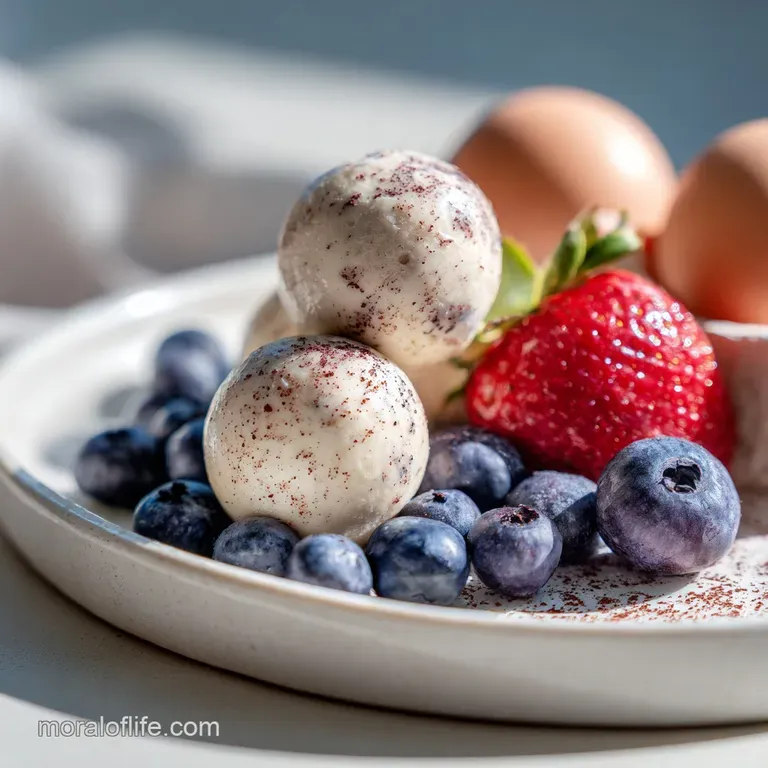
- Time: Active 10 minutes, Passive 0 minutes, Total 10 minutes
- Flavor/Texture Hook: Velvety peanut butter meets chewy oats
- Perfect for: Post workout recovery or efficient weekly meal prep
- Crafting Nutritious Energy With Quick Protein Balls
- Efficiency Benefits for Busy Schedules
- Essential Component Data and Stats
- Science Behind the Pantry Staples
- Basic Tools for Easy Prepping
- Step-by-Step Shaping and Mixing
- Problem Solving for Sticky Dough
- Alternative Ingredients and Variations
- Preserving Freshness and Reducing Waste
- Ideal Pairings for Your Snack
- Debunking Common Preparation Myths
- Recipe FAQs
- 📝 Recipe Card
Crafting Nutritious Energy With Quick Protein Balls
You know that 3 PM feeling where your brain turns to mush and you'd do anything for a candy bar? I used to hit that wall every single day until I started keeping a stash of these in the fridge. There is something so satisfying about the tacky, sweet grip of honey mixing with the earthy grit of oats.
It is the ultimate "grab and go" solution that doesn't taste like cardboard.
This protein balls recipe is my go to because it requires zero baking and exactly one bowl. I have spent too many afternoons scrubbing burnt granola off pans, so a no heat method is a massive win in my book. We are aiming for a texture that is firm enough to hold its shape but soft enough to yield when you bite in.
We are going to use basic pantry staples to build a snack that rivals those expensive pre packaged versions. Honestly, once you see how easy it is to whip up healthy protein balls at home, you will never look at a $3 snack bar the same way again.
It is about working smarter in the kitchen to keep yourself fueled without the fuss.
Efficiency Benefits for Busy Schedules
Making snacks from scratch might sound like a chore, but this is about long term time management. Spending ten minutes on a Sunday saves you from thirty minutes of "what should I eat" indecision later in the week.
These are dense, filling, and packed with enough nutrients to count as a mini meal if you are stuck in back-to-back meetings.
- Cold Form Bonding: The sugars in raw honey act as a natural adhesive when chilled, locking the dry ingredients into a solid structure without heat.
- Fiber Satiety: Rolled oats provide complex polysaccharides that take longer for your body to break down, preventing insulin spikes.
- Protein Denaturation: Using a high-quality powder adds structural integrity to the dough, helping it resist crumbling.
- Hydrophilic Expansion: Chia seeds and hemp hearts absorb moisture from the wet ingredients, thickening the "dough" as it sits.
Essential Component Data and Stats
| Component | Science Role | Pro Secret |
|---|---|---|
| Rolled Oats | Structural Base | Pulse half the oats for a smoother, less "chunky" texture. |
| Peanut Butter | Lipid Binder | Use room temp "drippy" PB for the easiest mixing experience. |
| Raw Honey | Hygroscopic Sweetener | Lightly grease your measuring cup so the honey slides right out. |
| Protein Powder | Texture Refiner | Whey/Casein blends usually create a softer, more dough like bite. |
Science Behind the Pantry Staples
I am a big believer in using what you have, but some swaps do change the final texture. If you are looking for a Basic Overnight Oats recipe, you'll notice many of these same players show up because they work so well together.
- 2 cups Bob’s Red Mill Rolled Oats: These provide the bulk and "chew." Why this? Old-fashioned oats hold their shape better than instant ones.
- Substitute: Quick oats (Texture will be softer and more uniform).
- 1/2 cup Protein Powder: Adds the muscle building component. Why this? Vanilla or chocolate flavors add sweetness without extra sugar.
- Substitute: Collagen peptides (adds protein but less structural "body").
- 1 cup Smucker’s Natural Creamy Peanut Butter: The fatty glue. Why this? Natural PB is thinner, making it easier to incorporate into dry oats.
- Substitute: Almond butter (Offers a milder, nuttier flavor profile).
- 1/3 cup Raw Honey: The primary binder. Why this? It is stickier than maple syrup, helping the balls stay round.
- Substitute: Maple syrup (Good for vegans, but makes the dough wetter).
- 1 tbsp Chia Seeds: Texture and omega-3s. Why this? They add a tiny "crunch" that breaks up the softness.
- Substitute: Flax seeds (Similar fiber, but a more toasted, nutty taste).
- 1/3 cup Mini Dark Chocolate Chips: Purely for joy. Why this? Minis distribute better so you get chocolate in every single bite.
- Substitute: Cacao nibs (Adds intense crunch and bitterness without sugar).
- 2 tbsp Hemp Hearts: Subtle protein boost. Why this? They disappear into the dough while adding healthy fats.
- Substitute: Sunflower seeds (Adds a distinct, earthy crunch).
- 1 tsp Pure Vanilla Extract: Flavor depth.
- 1/4 tsp Sea Salt: To balance the sweetness.
Basic Tools for Easy Prepping
You don't need a fancy stand mixer for this. In fact, doing it by hand gives you a better feel for the moisture levels. I usually pull out my large Pyrex glass mixing bowl and a sturdy silicone spatula.
The spatula is key because the dough gets very tacky, and wood or metal can be a nightmare to clean later.
I also recommend a small OXO cookie scoop (the 1 tablespoon size). This ensures all your protein balls are the same weight, which is great for tracking macros but also just looks more professional.
If you don't have a scoop, a standard measuring tablespoon works, but you might need to use a little non stick spray on it.
step-by-step Shaping and Mixing
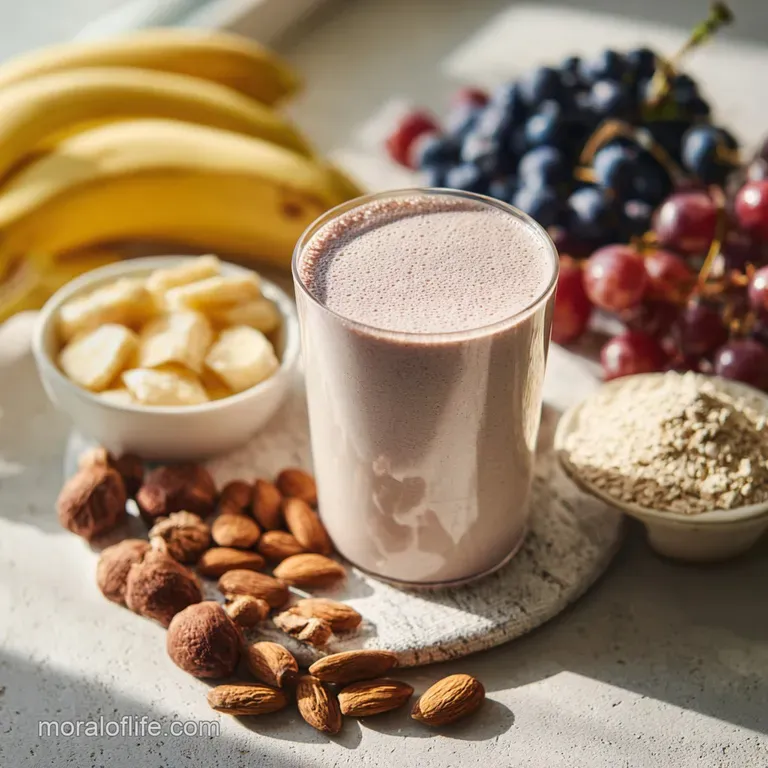
Initial Ingredient Integration
Grab your large bowl and toss in the 2 cups of rolled oats, protein powder, chia seeds, hemp hearts, and sea salt. Use a whisk to break up any clumps in the protein powder. It is much harder to fix "protein pockets" once the wet stuff is added.
Adding the Binders
Pour in the 1 cup of peanut butter, 1/3 cup of honey, and 1 tsp of vanilla extract. If your peanut butter is at the bottom of the jar and feels stiff, microwave it for 20 seconds first. This makes the "protein balls with peanut butter" much easier to stir without breaking your spatula.
The Fold In
Add the mini dark chocolate chips last. If the mixture is still warm from the peanut butter, wait a minute so the chips don't melt. We want distinct flecks of chocolate, not a brown streaked dough.
The Critical Hydration Rest
Let the mixture sit for 5 minutes. This allows the oats to soak up some of the moisture from the honey and oils. If you try to roll them immediately, they might feel too loose.
Rolling with Precision
Scoop about one tablespoon of dough at a time. Roll it between your palms until it’s a smooth sphere. If the dough sticks to your skin, lightly dampen your hands with water.
Final Setting
Place the finished spheres on a tray lined with parchment paper. Pop them in the fridge for at least 30 minutes. This "cold sets" the fats and sugars, ensuring they don't flatten out when you store them.
Chef's Note: If the mixture feels too dry after stirring, add water one teaspoon at a time. The humidity in your kitchen can actually change how much liquid the oats absorb!
Problem Solving for Sticky Dough
Fixing Excessively Sticky Dough
Sometimes you end up with a mess that won't release from your hands. This usually happens if your peanut butter was extra oily or you used maple syrup instead of honey. Adding a tablespoon of extra oats or protein powder usually solves the problem instantly.
Stabilizing Crumbly Textures
If the balls are falling apart as you roll them, the mixture is too dry. This often happens with "dry" protein powders like pea protein. A tiny splash of almond milk or an extra spoonful of peanut butter will act as the necessary glue.
| Problem | Cause | Fix | Pro Tip |
|---|---|---|---|
| Falling Apart | Too many dry ingredients | Add 1 tsp water/milk | Squeeze the ball tightly before rolling |
| Too Sticky | High oil/syrup ratio | Add 1 tbsp extra oats | Chill the dough for 20 mins before rolling |
| Gritty Texture | Large salt crystals | Use fine sea salt | Pulse oats in a blender for 5 seconds |
Alternative Ingredients and Variations
If you are looking for a "protein powder free protein ball", you can simply swap the powder for an equal amount of oat flour or almond meal. You will lose some of the concentrated protein, but the texture remains fantastic. For those who want a savory crunch elsewhere in their diet, I often recommend my Crispy & High Protein recipe as a companion to these sweet bites.
Options for Picky Eaters
For protein balls for kids, I usually swap the hemp hearts for extra chocolate chips or colorful sprinkles. It makes them look more like a treat and less like "health food." You can also use sunflower seed butter if there are nut allergies at school.
Plant Based Swaps
Making these vegan is incredibly simple. Switch the honey for maple syrup and ensure your protein powder is plant based. Keep in mind that maple syrup is thinner, so you might need an extra 1/4 cup of oats to keep the structural integrity.
| Fresh Version | Shortcut Version | Resulting Difference |
|---|---|---|
| Freshly Ground PB | Jarred "No Stir" PB | Fresh is grainier; No Stir is much sweeter and smoother. |
| Raw Honey | Agave Nectar | Honey holds shape better; Agave is much thinner/runny. |
Preserving Freshness and Reducing Waste
Store your no bake protein balls in an airtight container in the fridge for up to 1 week. They are safe at room temperature for a few hours (like in a lunchbox), but they will soften up as the peanut butter warms. For long term prep, these freeze beautifully for up to 3 months.
Just thaw them for 10 minutes on the counter before eating.
Don't throw away the "oat dust" at the bottom of the bag! I always toss those fine bits into the mixing bowl. They act as a flour and help bind everything together. If you have leftover melted chocolate from another project, you can drizzle it over the top of the balls for a fancy finish.
Ideal Pairings for Your Snack
These easy protein balls are great on their own, but I love pairing them with a tart green apple to cut through the richness of the peanut butter. If you are having them for breakfast, a hot cup of black coffee or unsweetened almond milk is the perfect match.
- If you want a firmer bite, store them in the freezer and eat them cold.
- If you want a dessert feel, roll the finished balls in shredded coconut or cocoa powder.
- If you want more crunch, add 1/4 cup of chopped walnuts to the mix.
If you enjoy the chewy texture of these oats, you will likely love my Chocolate Chip Cookies recipe for a weekend indulgence. Both use that classic combination of fats and sweeteners to create something truly satisfying.
Debunking Common Preparation Myths
"You must use a food processor." This is simply not true for easy protein balls. While a processor can create a smoother texture, a bowl and spatula work perfectly and save you the hassle of cleaning blades. Most people actually prefer the rustic, whole oat texture of the hand mixed version.
"Protein powder makes them chalky." This only happens if you use a cheap, low quality powder or far too much of it. By balancing the powder with fats from peanut butter and moisture from honey, we mask that "protein" taste entirely. It’s about the ratio, not the ingredient itself.
"Natural peanut butter is too oily for these." Actually, that oil is what hydrates the oats! While you should stir the jar well before measuring, the natural oils help the balls stay moist over several days in the fridge. "No stir" versions often contain palm oil, which can make the balls feel waxy when cold.
Recipe FAQs
how to make protein balls?
Combine wet and dry ingredients, then roll. Mix your dry base (oats, protein powder) thoroughly, then incorporate the sticky binders (nut butter, honey) until a uniform dough forms. Chill briefly, then roll into uniform spheres for structure.
how to make protein balls with oats?
Use rolled oats as the primary dry base. Use at least two parts oats to one part protein powder for the best chewiness. If you pulse half the oats first, you get a smoother dough that holds together better.
how to make protein balls without peanut butter?
Substitute with a different seed or nut butter. Almond butter, cashew butter, or sunflower seed butter work excellently as direct fat binders. If you are seeking an entirely non-nut option, use tahini, though the flavor profile will shift toward savory.
how to make protein balls without protein powder?
Yes, substitute with almond flour or oat flour. You will need slightly more binder, like honey or dates, as the powder provides dry volume. If you are worried about overall satiety, consider techniques like those used in our [Kubbeh Hamusta Recipe: Authentic Citrus Broth] to build body with alternative starches.
how to make protein balls less dry?
Increase the liquid binder by small increments. If the mixture is crumbly, add water or milk one teaspoon at a time until the mixture just holds its shape when pressed. Avoid adding too much fat, as this can make them greasy when cold.
Should I use instant oats or old-fashioned oats?
Use old-fashioned rolled oats. Instant oats absorb liquid too quickly, leading to a pasty or overly soft texture that often falls apart. The structure from whole rolled oats provides the necessary chew and body.
What is the best way to chill the balls before serving?
Refrigerate for a minimum of 30 minutes on parchment. This "cold set" hardens the fats from the nut butter and allows the sugars to fully adhere the ingredients. If you are in a rush, an 11 minute freeze works in a pinch, similar to setting dough for our [Air Fryer Chicken Breast: Juicy & Fast] where initial temperature control is key.
No Bake Protein Balls Recipe
Ingredients:
Instructions:
Nutrition Facts:
| Calories | 131 calories |
|---|---|
| Protein | 5.9 g |
| Fat | 7.2 g |
| Carbs | 12.5 g |
| Fiber | 1.6 g |
| Sugar | 4.8 g |
| Sodium | 38 mg |
