Orange Pound Cake Recipe: Zesty & Moist
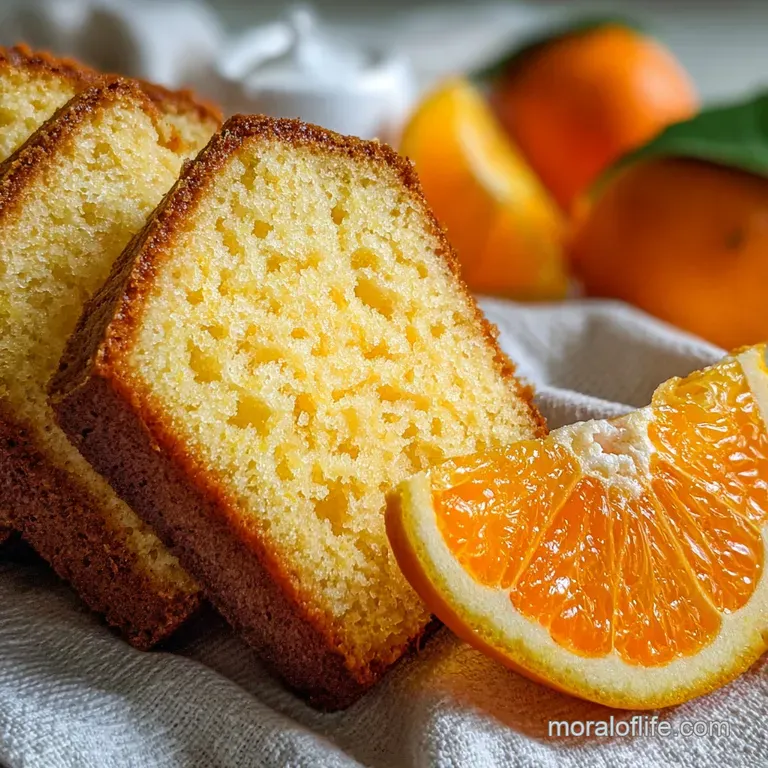
- Time: Active 20 minutes, Passive 55 minutes, Total 1 hour 15 mins
- Flavor/Texture Hook: Zesty, buttery, and velvety
- Perfect for: Afternoon tea, holiday gifting, or a reliable weekend treat
- Baking the Zesty and Vibrant Orange Pound Cake Recipe
- Why These Specific Ingredients Create a Velvety Crumb
- Precision Timing and Temperature for High First Try Success
- Selecting the Right Components for Citrus Depth
- Tools to Ensure Even Baking and Easy Release
- Simple Mixing Techniques for a Crowd-Pleasing Loaf
- Fixing Common Baking Errors for Reliable Results
- Creative Twists on the Classic Southern Orange Treat
- Keep Your Treats Moist and Fresh for Days
- Simple Ways to Present This Elegant Afternoon Snack
- Orange Pound Cake Recipe FAQs
- 📝 Recipe Card
Baking the Zesty and Vibrant Orange Pound Cake Recipe
There is nothing quite like the scent of fresh citrus hitting a warm oven. I remember the first time I tried a basic citrus loaf; it came out like a brick, dry and sad. I realized then that a great orange pound cake recipe isn't just about throwing juice into a bowl.
It’s about the science of those orange peels and how they play with the fat in your butter.
Today, we are skipping the dry, crumbly mistakes of the past. We are aiming for a loaf with a golden, slightly shattered crust and a center that feels like velvet. This isn't a "fussy" cake, but it does demand a little respect for temperature and timing.
If you follow these cues, you’ll have a Crowd Pleasing treat that looks like it came from a high end bakery.
We’re going to use real, simple ingredients nothing artificial here. The secret lies in the 3 tbsp of fresh orange zest. By the time this hits the 55 minutes mark in your oven, your entire home will smell like a sunny grove.
Let's get into why this specific method works so well every single time.
Why These Specific Ingredients Create a Velvety Crumb
Citrus Oil Extraction: Rubbing zest into granulated sugar uses mechanical friction to burst the oil sacs in the peel, infusing the entire batter with aroma. Acidic Tenderization: The lactic acid in the low-fat sour cream weakens gluten strands, ensuring the cake remains soft rather than bready.
| Method | Time | Texture | Best For |
|---|---|---|---|
| Traditional Oven | 55 minutes | Thick, golden mahogany crust with a soft center | Classic presentation and depth |
| Stovetop (Water Bath) | 1 hour 10 mins | Pale, extremely moist, and almost pudding like | When you want a "steamed" pudding vibe |
| Convection Oven | 45 minutes | Very crisp exterior but risk of uneven rising | Fast results for experienced bakers |
Choosing your cooking method changes the final bite significantly. While the stovetop method is interesting for a humid climate, the traditional oven is what gives us that iconic pound cake "shatter" on the top crust.
Most home cooks find the oven provides the most reliable heat distribution for a thick batter like this one.
Emulsifying Citrus Oils
When we mix the orange zest with 300g of sugar, we aren't just combining flavors. We are creating a flavored sugar that distributes the orange scent evenly. Without this step, the citrus oils often clump together, leading to "hot spots" of flavor instead of a consistent experience.
Tenderizing with Acidity
The inclusion of 120g of low-fat sour cream is a strategic move. It provides moisture without the heavy weight of full fat cream, which can sometimes make a pound cake feel greasy.
This acidity also reacts with the 1/2 tsp of baking powder, providing just enough lift to keep the loaf from being a literal "pound" of lead.
Chef's Tip: Freeze your oranges for 10 minutes before zesting. The firmer peel makes it much easier to grate only the orange part, avoiding the bitter white pith.
Precision Timing and Temperature for High First Try Success
Success in baking is about hitting your numbers. For this orange pound cake recipe, we are looking for three specific checkpoints. First, your 226g of unsalted butter must be exactly 65°F (18°C).
If it’s too cold, it won't trap air; if it's too warm, the cake will collapse.
Second, the internal temperature of the cake should reach 210°F (99°C) when finished. This ensures the center is fully set without being overbaked. Finally, wait exactly 15 minutes before removing the cake from the pan.
This allows the structure to firm up so it doesn't crack as it slides out.
- Butter Temp:65°F (18°C) for optimal aeration
- Internal Doneness:210°F (99°C)
- Cooling Window:15 minutes in the pan
Selecting the Right Components for Citrus Depth
For the best results, use 250g of all purpose flour measured by weight. If you scoop with a cup, you might pack too much in, leading to a tough cake. The 3 large eggs should be room temperature to ensure they emulsify properly with the butter and 300g of sugar.
| Ingredient | Science Role | Pro Secret |
|---|---|---|
| Unsalted Butter | Provides structure and fat | Use high-quality European butter for lower water content |
| low-fat Sour Cream | Adds moisture and acidity | Don't use fat free; you need some lipids for the crumb |
| Fresh Orange Zest | Primary flavor carrier | Always zest directly over the sugar to catch the spray |
Selecting your fruit is just as important as the flour. Look for oranges that feel heavy for their size; this usually means they have a thinner skin and more juice, which is perfect for the 60ml needed in the batter and the extra 2 tbsp for the glaze.
| Original Ingredient | Substitute | Why It Works |
|---|---|---|
| low-fat Sour Cream (120g) | Greek Yogurt (Plain, 120g) | Similar acidity and thickness. Note: Crumb may be slightly tangier |
| Unsalted Butter (226g) | Salted Butter (226g) | Same fat content. Note: Omit the 1/2 tsp salt from the dry ingredients |
| All purpose Flour (250g) | Cake Flour (270g) | Lower protein content. Note: Produces a much finer, more delicate crumb |
If you find yourself out of oranges but still craving a citrus treat, this base is remarkably flexible. You can follow a similar citrus heavy approach used in a Rosca de Reyes recipe to swap in lemon or grapefruit, though orange remains the classic soul of this specific loaf.
Tools to Ensure Even Baking and Easy Release
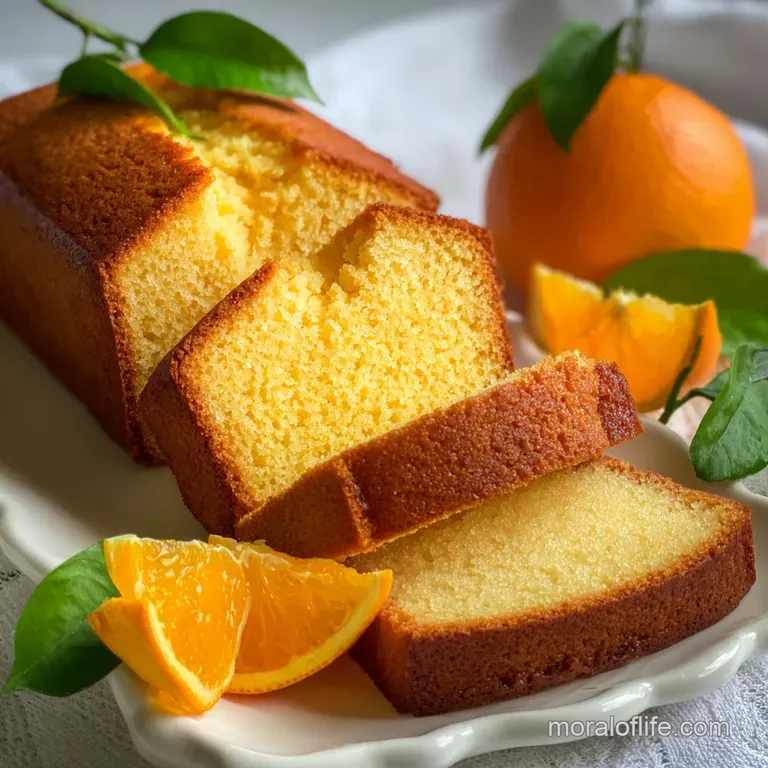
You don't need a professional kitchen, but a 9x5 inch loaf pan is the standard here. I highly recommend a light colored metal pan over glass. Glass holds heat too long and can burn the edges of your orange pound cake recipe before the center is done.
A stand mixer is your best friend for the creaming stage, but a hand mixer works perfectly well if you have the patience. You'll also need a fine mesh zester (like a Microplane) and a whisk to aerate the 250g of flour with the 1/2 tsp of baking powder and salt.
Simple Mixing Techniques for a Crowd Pleasing Loaf
- Preheat and Prep. Set your oven to 350°F (175°C) and grease your loaf pan thoroughly with butter. Note: Using butter instead of spray helps the "climb" of the batter.
- Infuse Sugar. Rub 3 tbsp orange zest into 300g sugar with your fingertips until the sugar looks like damp sand.
- Cream Fats. Beat the zesty sugar and 226g softened butter for 5 full minutes until pale and fluffy.
- Emulsify Eggs. Add 3 large eggs one at a time, beating well after each. Note: This prevents the batter from curdling.
- Combine Aromatics. Whisk together 120g sour cream, 60ml orange juice, and 2 tsp vanilla extract in a small bowl.
- Whisk Dry Ingredients. In a separate bowl, combine 250g flour, 1/2 tsp baking powder, and 1/2 tsp salt.
- Alternate Addition. Add 1/3 of the flour, then 1/2 the sour cream mixture, repeating until just combined until no white streaks remain.
- Bake Loaf. Pour into the pan and bake for 55 minutes until a skewer comes out clean.
- Prepare Glaze. Whisk 120g powdered sugar with 2 tbsp orange juice and 1 tsp zest until smooth and pourable.
- Finish. Pour glaze over the cake while it is still slightly warm until it drips down the sides.
Chef's Tip: Add 1/4 tsp of almond extract alongside the vanilla. It doesn't make the cake taste like almonds; it just makes the orange flavor taste "more" like orange. It’s a trick used by professional pastry chefs to deepen the fruit profile.
Fixing Common Baking Errors for Reliable Results
The most common issue I see is the "dense bottom," where a heavy layer of unbaked looking batter sits at the base of the loaf. This usually happens because the butter and sugar weren't creamed long enough, or the ingredients were too cold, preventing a proper emulsion.
If your cake is browning too fast on top but is still raw in the middle, don't panic. Simply tent a piece of aluminum foil over the top for the last 15 minutes of baking. This reflects the heat away from the surface while letting the middle catch up.
Why Your Pound Cake Sunk
A sunken middle is usually the result of opening the oven door too early. The rush of cold air collapses the delicate air bubbles before the flour structure has set. Always wait until at least 45 minutes have passed before checking for doneness.
| Problem | Root Cause | Solution |
|---|---|---|
| Heavy/Dense Crumb | Over mixing flour | Mix until just combined; do not use a high speed for flour |
| Cracked Top | Oven too hot | Lower temp by 15°F and check your oven calibration |
| Dry Texture | Over baking | Remove when internal temp hits 210°F, even if it looks pale |
Common Mistakes Checklist
- ✓ Use a kitchen scale for the 250g of flour (prevents a dry, heavy loaf).
- ✓ Set eggs in a bowl of warm water for 5 minutes if you forgot to take them out.
- ✓ Don't over grease the pan; too much fat can cause the edges to fry and toughen.
- ✓ Use fresh squeezed juice; bottled juice lacks the brightness needed for the glaze.
- ✓ Let the cake cool for at least 15 minutes before glazing to prevent the sugar from disappearing.
Creative Twists on the Classic Southern Orange Treat
If you want to take this orange pound cake recipe to another level, try adding 1/2 cup of fresh cranberries. The tartness of the berries cutting through the buttery orange batter is a match made in heaven. This is particularly popular during the winter holidays.
For a more sophisticated vibe, swap the vanilla for a splash of Grand Marnier or Cointreau. The orange liqueur doubles down on the citrus notes. If you enjoy smaller, individual treats, you might like exploring a Ball Cake Recipe for bite sized chocolate variations, but for this orange version, the loaf pan remains the gold standard for texture.
Crafting an Old Fashioned Orange Pound Cake
To get that true "old-fashioned" feel, some bakers prefer to replace the baking powder with a bit more creaming time. By beating the butter and sugar for nearly 8 minutes, you can achieve a natural lift. This creates a much denser, tighter crumb that is perfect for toasted slices with coffee.
Adding Botanical Twists
Adding a teaspoon of dried culinary lavender or minced fresh rosemary can transform this into a botanical masterpiece. Orange and rosemary, in particular, share similar aromatic compounds, making the cake taste incredibly fresh and garden inspired.
Keep Your Treats Moist and Fresh for Days
Pound cake is famous for its longevity. In fact, many people prefer it on day two. You can store this loaf at room temperature in an airtight container for up to 4 days. If you find it starts to dry out slightly, a quick 10 second zap in the microwave will revive that buttery softness.
For zero waste, if you have leftovers that have gone truly stale, don't toss them! Slice them thin and toast them in a pan with a little butter to make "cake croutons" for a fruit salad, or cube them up to use as the base for a citrus themed bread pudding.
- Fridge: Up to 7 days, though it may firm up the butter content.
- Freezer: Wrap tightly in plastic wrap and foil for up to 3 months. Thaw at room temperature.
- Leftover Tip: Use the orange peels to make a simple syrup for cocktails or tea.
Simple Ways to Present This Elegant Afternoon Snack
When it comes to serving, less is more. A thick slice of this orange pound cake recipe stands perfectly on its own. However, if you're hosting a brunch, a dollop of unsweetened whipped cream or a side of fresh raspberries adds a nice color contrast.
If you are feeling adventurous, try grilling a slice. The sugars in the cake caramelize against the heat, creating a smoky, sweet crust that is incredible when topped with a scoop of vanilla bean ice cream. It's a simple way to turn a basic loaf into a five star dessert.
- If you want a crunchier crust, sprinkle a tablespoon of coarse sanding sugar over the batter before baking.
- If you want a stronger glaze, add a drop of orange oil to the powdered sugar mixture.
- If you want a lighter feel, serve with a chilled glass of milk or a citrus based beverage like an Orange Julius recipe.
This recipe is designed to be your go to whenever you need something reliable, bright, and genuinely comforting. It doesn't require "perfection pressure" just good ingredients and a little bit of patience. Happy baking!

Orange Pound Cake Recipe FAQs
Can I use orange juice instead of zest for flavor?
No, zest provides the essential oils for the strongest flavor. Juice adds moisture but lacks the concentrated aromatic compounds from the peel that give pound cake its signature citrus punch.
How do I prevent my orange pound cake from sinking in the middle?
Avoid opening the oven door too early. The sudden rush of cold air can cause the delicate cake structure to collapse before it's fully set.
What's the best way to ensure a tender crumb?
Measure your flour correctly and don't overmix. Use a kitchen scale for 250g of all-purpose flour, and mix the dry ingredients into the wet until just combined to avoid developing too much gluten.
How can I make my pound cake taste more intensely orange?
Rub the orange zest directly into the sugar. This friction releases the essential oils, infusing the sugar and subsequently the entire batter with a much deeper citrus flavor than just adding juice alone.
Is it okay to use salted butter instead of unsalted?
Yes, but you must adjust the added salt. If using salted butter, omit the 1/2 teaspoon of salt called for in the dry ingredients to prevent the cake from becoming too savory.
How long should I bake my orange pound cake?
Bake for approximately 55 minutes, or until an internal temperature of 210°F (99°C) is reached. A skewer inserted into the center should also come out clean.
My pound cake is browning too fast on top. What should I do?
Tent the cake loosely with aluminum foil. This will reflect the heat away from the surface, allowing the inside to bake through without the crust becoming overly dark or burnt.
Orange Pound Cake
Ingredients:
Instructions:
Nutrition Facts:
| Calories | 385 kcal |
|---|---|
| Protein | 4.3 g |
| Fat | 17.6 g |
| Carbs | 53.1 g |
| Fiber | 0.7 g |
| Sugar | 35.8 g |
| Sodium | 129 mg |
