Peach Pound Cake
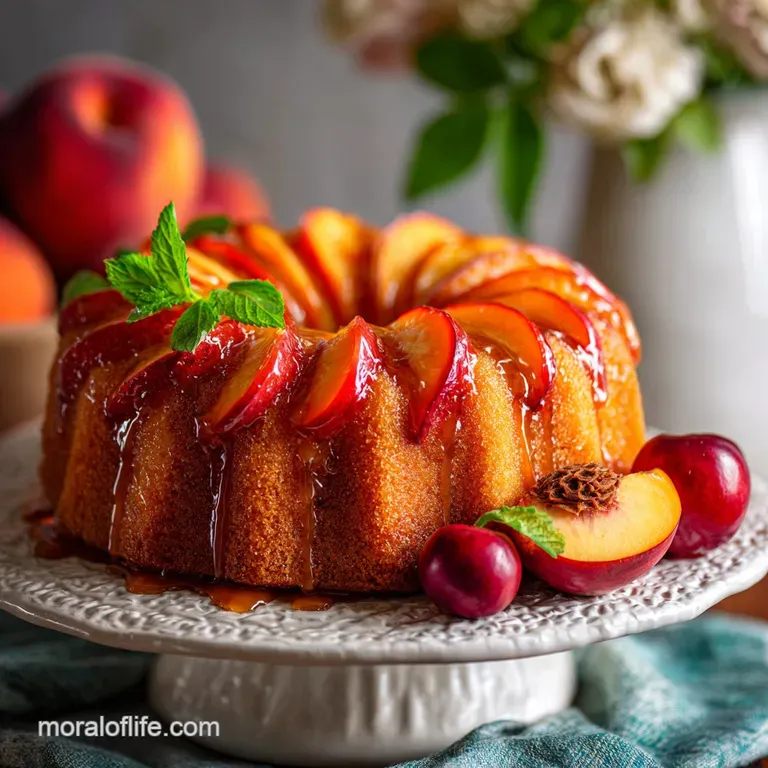
- Time: Active 25 mins, Passive 1 hours 15 mins, Total 1 hours 40 mins
- Flavor/Texture Hook: A velvety, dense crumb punctuated by jammy, cinnamon spiced peach pockets.
- Perfect for: Summer garden parties, Sunday brunch, or a reliable first time baking project.
- Bake the Most Moist Peach Pound Cake
- Essential Metrics for Every Baker
- The Science of Why it Works
- Kitchen Tools for Success
- The Essential Ingredient List
- Step by Step Baking Guide
- Fixing Common Pound Cake Problems
- Alternative Options for Dietary Needs
- Storage and Waste Prevention Secrets
- Plating Guide for Leveling Up
- Debunking Baking Myths
- Peach Pound Cake FAQs
- 📝 Recipe Card
Bake the Most Moist Peach Pound Cake
The smell of peaches roasting in a buttery batter is enough to make the neighbors find an excuse to knock on your door. I remember my first attempt at this I just tossed the fruit in and hoped for the best. The result?
A giant, soggy hole in the middle of my cake where the peaches had basically turned into a puddle. It was a mess, but a delicious one that taught me everything about fruit hydration.
We are going for that specific, old-fashioned weight that a true pound cake should have. It shouldn't be airy like a sponge cake; it should feel substantial, almost like a hug in dessert form. This version uses sour cream to ensure that even if you overbake it by a minute or two, it won't turn into a dry brick.
Trust me, once you see those golden edges start to pull away from the pan and smell the vanilla bean paste mingling with the fruit, you’ll know exactly why this is a staple in my kitchen. We’re going to get that shatter crisp crust on the outside and a center that stays moist for days.
Let's get into the details of why this specific method works every single time.
Essential Metrics for Every Baker
To get that velvety texture, we have to be precise about temperature. This isn't a "throw it all in a bowl" situation. Pound cakes are emulsions, and emulsions are picky about heat. If your butter is too cold, it won't trap air; if it’s too hot, your cake will be greasy and heavy.
| Method | Time | Texture | Best For |
|---|---|---|---|
| Standard Oven | 1 hours 15 mins | Even crumb, golden crust | Every day baking |
| Stovetop (Dutch Oven) | 1 hours 30 mins | Softer crust, steamed interior | Camping or "no oven" days |
| Slow Cooker | 3 hours 30 mins | Ultra moist, very dense | Set and forget convenience |
The stovetop method is a fun trick if you’re ever without an oven, but the traditional oven bake provides that Maillard reaction on the crust that we really want. If you find yourself craving a different fruit profile later, you can use these same principles for an Orange Pound Cake Recipe which relies on similar citrus hydration.
The Science of Why it Works
Starch Gelatinization: Cornstarch acts as a molecular sponge, coating the peaches to absorb excess juice as they burst during the baking process.
Fat Based Tenderization: The lactic acid in the sour cream weakens gluten strands, ensuring the crumb remains soft despite the heavy weight of the fruit.
Component Analysis
| Ingredient | Science Role | Pro Secret |
|---|---|---|
| Unsalted Butter (340g) | Aeration & Structure | Use at exactly 18°C (65°F) for maximum air entrapment during creaming. |
| Full fat Sour Cream | Acidic Tenderizer | The high fat content prevents the "rubbery" texture often found in lean cakes. |
| Cornstarch | Moisture Barrier | Prevents the fruit from sinking by creating a tacky surface that grips the batter. |
| Large Eggs | Emulsification | Room temp eggs prevent the butter from curdling when added to the mix. |
The interaction between the 3.125 cups granulated sugar and the butter is where the magic happens. Those sugar crystals are like tiny shovels, digging air pockets into the fat. If you skip the long creaming time, you'll end up with a flat, dense slab instead of a lofty cake.
Kitchen Tools for Success
You don't need a professional lab, but a few specific tools make the difference between a "good" cake and one people talk about for weeks. A heavy duty bundt pan or a 25cm tube pan is non negotiable here.
- Stand Mixer: Such as a KitchenAid, to handle the 10 minute creaming process without burning out a motor.
- Digital Thermometer: To check your butter (18°C) and your cake's internal temp (98°C).
- Fine Mesh Sieve: For sifting the 375g (3 cups) of all purpose flour to remove clumps.
- Silicone Spatula: For that final fold to ensure no "butter pockets" are hiding at the bottom of the bowl.
Chef's Tip: Freeze your diced peaches for 15 minutes before tossing them in cornstarch. This firms up the edges so they don't turn into mush when you fold them into the heavy batter.
The Essential Ingredient List
For the best results, use fresh, freestone peaches if they are in season. If not, canned peaches work surprisingly well if you pat them bone dry first.
- Fresh Peaches (3 cups): Peeled and diced. Why this? Fresh provides a bright acidity that canned versions lack.
- Sub: Canned peaches (well drained and patted dry).
- Cornstarch (1 tbsp): To coat the fruit. Why this? Essential for preventing the "soggy bottom" syndrome.
- Sub: Arrowroot powder.
- Granulated Sugar (3.125 cups): Divided use. Why this? Provides both sweetness and the structural "shatter" of the crust.
- Sub: Caster sugar (for an even finer crumb).
- All purpose Flour (3 cups/375g): Sifted. Why this? Standard protein content provides enough structure to hold the fruit.
- Sub: Cake flour (will result in a more fragile, tender crumb).
- Unsalted Butter (1.5 cups/340g): Softened to 18°C. Why this? Unsalted allows you to control the seasoning precisely.
- Sub: high-quality margarine (will slightly alter the richness).
- Large Eggs (6): Room temperature.
- Full fat Sour Cream (0.5 cup): Room temperature.
- Sub: Plain Greek yogurt (adds a bit more tang).
- Vanilla Bean Paste (1 tbsp): For those beautiful black specks.
- Sub: 1 tbsp pure vanilla extract.
- Powdered Sugar (1.5 cups): Sifted for the glaze.
- Heavy Cream (3 tbsp): For thinning the glaze.
If you are looking for a completely different profile for a weekend breakfast, our Vegan Pancake Recipe uses similar moisture retention secrets without the dairy.
step-by-step Baking Guide
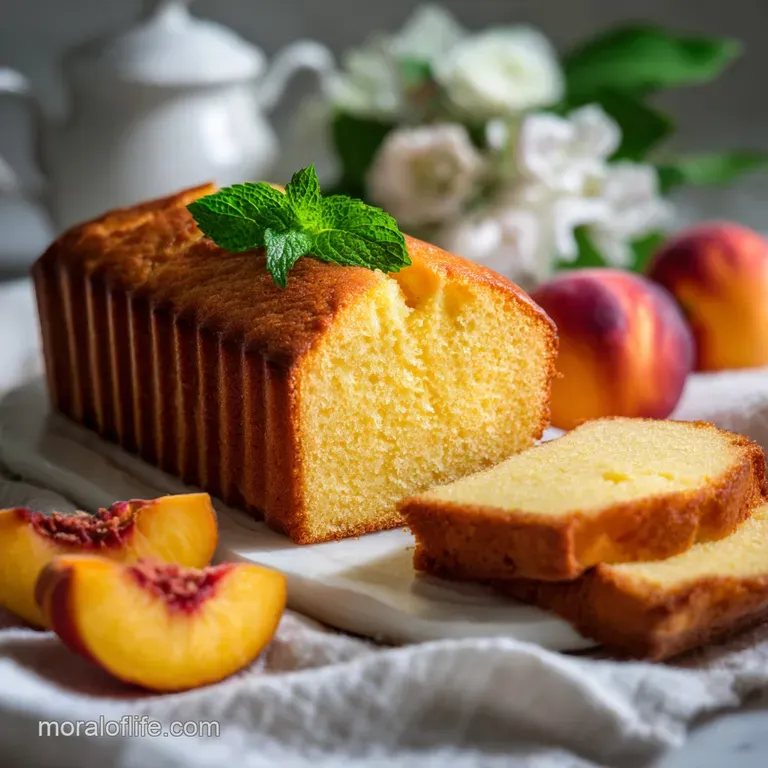
- Prep the Fruit: Toss 3 cups diced peaches with 1 tbsp cornstarch, 0.125 cups (2 tbsp) sugar, and 0.5 tsp cinnamon. Note: This creates a jammy coating that sticks to the cake.
- Cream the Butter: Beat 1.5 cups butter and the remaining 3 cups sugar for 7 minutes until pale and fluffy.
- Add Eggs: Incorporate 6 eggs, one at a time. Note: Wait until each egg is fully absorbed before adding the next to maintain the emulsion.
- Flavor the Base: Mix in 0.5 cup sour cream, 1 tbsp vanilla paste, 0.5 tsp almond extract, 0.5 tsp salt, and 0.5 tsp baking powder.
- Fold the Flour: Gently add 3 cups sifted flour on low speed until just streaks of white remain.
- Incorporate Peaches: Fold in the prepared peaches by hand using a spatula.
- Fill the Pan: Spoon batter into a greased/floured pan. Bake at 165°C for 1 hours 15 mins until a skewer comes out clean.
- Cooling Phase: Let the cake rest in the pan for 15 minutes until the edges slightly contract.
- Glaze Preparation: Whisk 1.5 cups powdered sugar, 3 tbsp heavy cream, and the remaining 0.25 tsp salt until velvety and pourable.
- Final Touch: Drizzle glaze over the cooled cake and let it set for 10 minutes.
Fixing Common Pound Cake Problems
Eliminating the "Gum Line"
The gum line is that dense, rubbery layer at the bottom of the cake. It usually happens because the butter and sugar weren't creamed long enough, or the eggs were too cold, causing the batter to break.
Rescuing a Stuck Cake
If the cake won't budge, don't panic. Place the pan back in a warm oven for 2 minutes to melt the sugar "glue," then invert it immediately.
| Problem | Root Cause | Solution |
|---|---|---|
| Fruit Sinking | Peaches were too wet or heavy | Dice smaller and double check the cornstarch coating. |
| Dry Crumb | Overbaking or low-fat dairy | Use a thermometer (98°C) and never use low-fat sour cream. |
| Cracked Top | Oven temperature too high | Reduce heat by 10°C and use a middle rack position. |
Common Mistakes Checklist: ✓ Ensure butter is exactly 18°C (65°F) if it's oily, the cake will fail. ✓ Sift the flour pound cake batter is heavy and cannot fight through lumps.
✓ Don't open the oven door for the first 45 minutes to prevent sinking. ✓ Use full fat sour cream the fat is structural, not just for flavor. ✓ Pat your peaches dry before dicing if they are extra juicy.
Alternative Options for Dietary Needs
Adjusting a pound cake requires careful balancing of fats and proteins. Because this recipe relies so heavily on eggs for structure, substitutions will change the final texture.
| Original Ingredient | Substitute | Why It Works |
|---|---|---|
| All purpose Flour | GF 1 to-1 Blend | Best with blends containing xanthan gum. Note: Crumb will be slightly grainier. |
| Butter | Vegan Butter Sticks | Use sticks, not tub margarine. Note: Lacks the classic dairy "toasted" aroma. |
| Sour Cream | Coconut Cream | Provides the same fat ratio. Note: Adds a subtle tropical flavor. |
If you want a lighter version without the heavy butter, check out our Vegan Pancake Recipe for a different approach to moisture.
Storage and Waste Prevention Secrets
Storage: This cake actually tastes better on day two! Keep it in an airtight container at room temperature for up to 3 days. If you live in a humid climate, move it to the fridge after 24 hours.
Freezing: Wrap individual slices in plastic wrap and then foil. They will stay fresh for up to 3 months. Thaw at room temperature for 1 hour before eating.
Zero Waste Tip: Don't throw away those peach skins! Simmer them with a little sugar and water to make a peach simple syrup. You can drizzle this over the cake or use it in iced tea. Also, if you have leftover heavy cream from the glaze, it’s the perfect base for the sauce in a Ball Cake Recipe.
Plating Guide for Leveling Up
Presentation changes everything. Here is how to serve this Peach Pound Cake depending on the vibe you're going for.
| Style | Garnish | Technique |
|---|---|---|
| Simple | Dusting of powdered sugar | Use a fine sieve for a "snowy" look. |
| Polished | Thick glaze + fresh peach slices | Arrange peaches in a fan shape on top. |
| Restaurant | Seared slice + Chantilly cream | Pan fry a slice in butter until "shatter" crisp. |
For the "Restaurant" level, try searing a slice of the cake in a cast iron skillet with a tiny knob of butter. It caramelizes the sugars in the cake and creates a hot and cold contrast when topped with vanilla bean ice cream.
Debunking Baking Myths
"All ingredients must be room temperature" is mostly true, but the butter is the exception. If your kitchen is 25°C, "room temperature" butter is actually too soft for creaming. Aim for 18°C, which feels cool to the touch but leaves an indentation when pressed.
"Peeling peaches requires boiling water" is another one. If your peaches are perfectly ripe, you can usually use a serrated peeler or even just your thumb to slip the skin right off. Save the blanching for the firm, under ripe ones that aren't quite ready for their spotlight.

Peach Pound Cake FAQs
How do I prevent my peaches from sinking to the bottom of the pound cake?
Toss diced peaches with cornstarch and a little sugar. This creates a jammy coating that grips the batter and absorbs excess moisture as the peaches bake.
Can I use frozen peaches for this pound cake?
No, fresh is best, but good quality canned peaches work if prepared correctly. Frozen peaches release too much moisture which can make the cake soggy, and canned peaches should be well drained and patted dry.
My pound cake often turns out dry. How can I ensure a moist crumb?
Use full fat sour cream and avoid overbaking. The high fat content in sour cream tenderizes the crumb, and baking until an internal temperature of 98°C (208°F) is reached is key.
Is it necessary to cream butter and sugar for 7 minutes?
Yes, this long creaming time is crucial for a tender, airy crumb. It whips air into the butter and sugar, creating the foundation for the cake's structure and preventing it from being too dense.
What is the ideal butter temperature for creaming?
Aim for butter that is 18°C (65°F) and feels cool to the touch. Butter that is too cold won't cream properly, and butter that is too warm will be greasy and won't incorporate air effectively.
Can I make this peach pound cake ahead of time?
Yes, this cake's flavor actually improves when baked a day in advance. Store it in an airtight container at room temperature for up to 3 days.
What happens if my cake top cracks during baking?
A cracked top often means the oven temperature was too high. Reducing the oven temperature by 10°C (20°F) and ensuring the cake is on the middle rack can prevent this.
Peach Pound Cake
Ingredients:
Instructions:
Nutrition Facts:
| Calories | 567 calories |
|---|---|
| Protein | 5.5 g |
| Fat | 24.6 g |
| Carbs | 81 g |
| Fiber | 1.2 g |
| Sugar | 58 g |
| Sodium | 115 mg |
