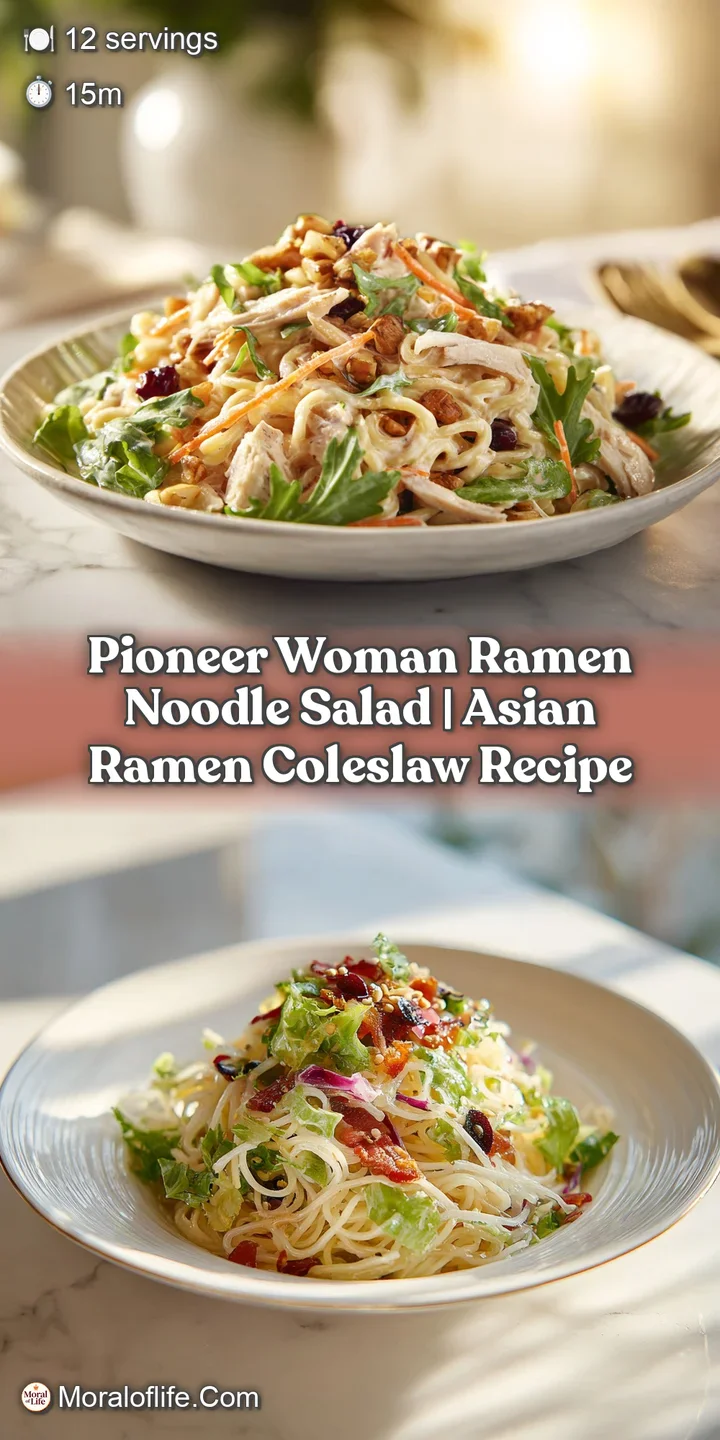
Pioneer Woman Ramen Noodle Salad: Crisp and Tangy
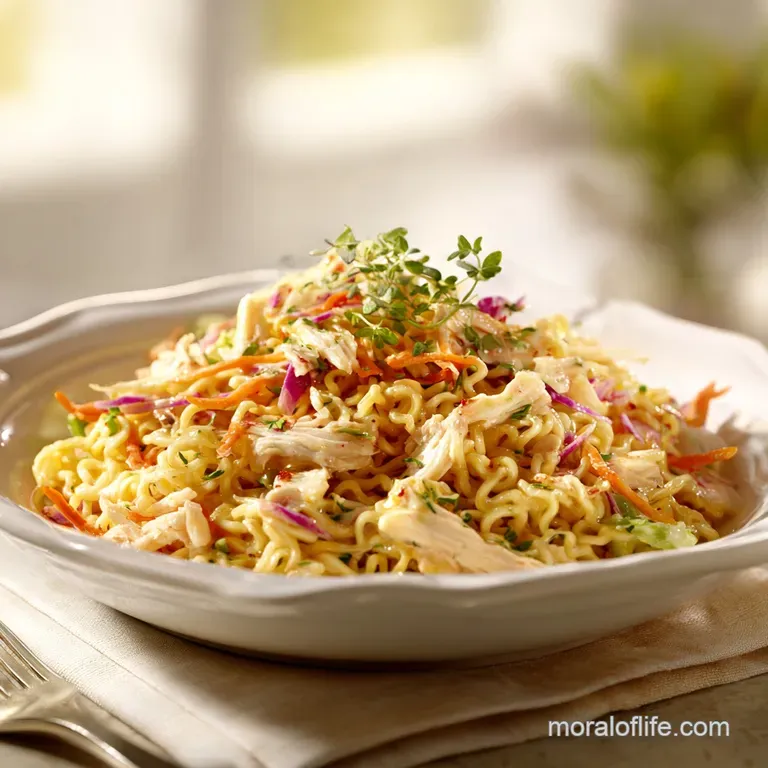
- Time: Active 10 minutes, Passive 5 minutes, Total 15 minutes
- Flavor/Texture Hook: Shatter crisp noodles with a tangy sweet glaze
- Perfect for: Summer barbecues and meal prep
- Mastering The Pioneer Woman Ramen Noodle Salad
- Why Most Versions Lack Crunch
- Essential Timing And Measurements
- Selecting The Finest Elements
- Required Kitchen Gear List
- Detailed Preparation Steps
- Preventing A Soggy Salad
- Fun Flavor Variations
- Storing Your Leftover Salad
- Best Food Pairings
- Recipe FAQs
- 📝 Recipe Card
Mastering The Pioneer Woman Ramen Noodle Salad
Have you ever stopped to wonder why a brick of inexpensive instant noodles is the secret to the most addictive salad in American potluck history? It seems almost counterintuitive to take a product meant for boiling and instead smash it into shards, but that is exactly where the magic happens.
This salad is a study in contrasts: the cold, hydrating crunch of Napa cabbage meets the warm, buttery snap of toasted ramen. If you have ever suffered through a limp, soggy slaw at a backyard BBQ, you know that the stakes are higher than they look.
I remember the first time I brought this to a family reunion. I was skeptical about the sugar content and the dry noodles, but after seeing three people ask for the recipe before the burgers were even off the grill, I was sold.
The beauty of this dish lies in its simplicity, but there are a few technical hurdles that separate a mediocre bowl from a legendary one. We are looking for that specific sensory experience where the dressing clings to the cabbage without making it weep, and the noodles stay firm enough to provide a satisfying shatter.
The secret isn't just in the ingredients themselves, but in how we treat them. By browning the noodles in butter rather than just tossing them in raw, we create a toasted, nutty flavor profile that anchors the sweetness of the dressing. It is bold, homey, and uses pantry staples you likely already have tucked away.
Let's get into the specifics of why this method works and how you can ensure your version is the one everyone talks about.
Why Most Versions Lack Crunch
Creating a salad that stays crisp for more than ten minutes requires understanding how moisture moves between ingredients. Most recipes fail because they treat the dressing as an afterthought or skip the crucial toasting step.
- Fat Barrier: Toasting the dry noodles in 57g of unsalted butter creates a hydrophobic coating. This layer of fat prevents the vinegar from immediately soaking into the noodle, maintaining that signature "shatter" for much longer.
- Sugar Viscosity: Using 100g of granulated sugar does more than just balance the 80ml of rice vinegar; it creates a syrupy consistency. This thicker dressing coats the cabbage leaves instead of pooling at the bottom of the bowl.
- Structural Integrity: Napa cabbage is chosen for its ruffled edges and sturdy ribs, which provide more surface area for the dressing to "grip" compared to standard green cabbage.
- Emulsion Stability: By streaming the 180ml of canola oil into the vinegar and soy sauce slowly, we create a stable emulsion. This prevents the oil from separating, which would otherwise lead to a greasy mouthfeel.
| Method | Prep Time | Texture Result | Best Use Case |
|---|---|---|---|
| Fast Method | 5 minutes | Soft/Chewy | Immediate eating only |
| Classic Method | 15 minutes | Deeply Crunchy | Potlucks and parties |
| make-ahead | 10 minutes | Maximum Flavor | Meal prep lunches |
This contrast between the methods is why I always insist on the extra ten minutes of prep. While the fast method might save time, it skips the browning phase, which is where the deep, caramel like notes of the almonds and noodles really develop. If you are looking for a different kind of crunch to round out your menu, you might also enjoy this Classic Wedge Salad recipe which uses iceberg lettuce for a similar high moisture bite.
Essential Timing And Measurements
Before we start browning butter, it is helpful to look at how each component functions within the dish. This isn't just a random pile of ingredients; it is a carefully balanced system of fat, acid, and sugar.
| Component | Role In Recipe | Pro Secret |
|---|---|---|
| Napa Cabbage | Structural Base | Slice it very thin to maximize dressing coverage. |
| Instant Ramen | Texture Engine | Discard flavor packets; the butter and soy provide all the salt. |
| Granulated Sugar | Flavor Balancer | Whisk until you can't hear the "grit" against the bowl. |
| Canola Oil | Mouthfeel | Use a neutral oil so the sesame oil aroma can shine through. |
The quantities listed here are specific for a reason. If you reduce the sugar too much, the dressing becomes overly acidic and watery. If you skip the sunflower seeds, you lose a layer of earthy flavor that rounds out the sweetness.
This balance is what makes the pioneer woman ramen noodle salad a staple in so many households.
Selecting The Finest Elements
To get the best results, you need to be picky about your produce. A head of Napa cabbage should feel heavy for its size and have tight, bright green leaves. Unlike standard cabbage, Napa has a higher water content and a more delicate flavor, which is why it pairs so perfectly with the heavy, savory notes of the ramen.
- Napa Cabbage: 1 large head. Look for crisp ribs; if they bend like rubber, the salad will be limp.
- Green Onions: 2 bunches. We use a lot because they provide the necessary "bite" to cut through the sugar.
- Instant Ramen: 2 packages. Any brand works, but ensure they are the standard wheat based bricks.
- Sliced Almonds: 1 cup. Sliced is better than slivered here as they toast more evenly.
- Sunflower Seeds: 1/2 cup. Toasted seeds add a salty, nutty depth.
- Unsalted Butter: 4 tbsp (57g). Do not use margarine; it lacks the milk solids needed for browning.
- Canola Oil: 3/4 cup (180ml). This is the base of our dressing.
- Rice Vinegar: 1/3 cup (80ml). Provides a softer acidity than white vinegar.
- Granulated Sugar: 1/2 cup (100g). Essential for that classic "slaw" flavor.
- Soy Sauce: 2 tbsp (30ml). Adds the umami backbone.
- Toasted Sesame Oil: 1 tsp (5ml). A little goes a long way for that aromatic finish.
If you find yourself missing the rice vinegar, you can substitute apple cider vinegar. It has a similar fruity profile, though it is slightly more aggressive, so you might need an extra pinch of sugar. For a completely different take on noodle based dishes, you could explore a Shoyu Ramen Noodles recipe which utilizes the noodles in their more traditional, brothy environment.
Required Kitchen Gear List
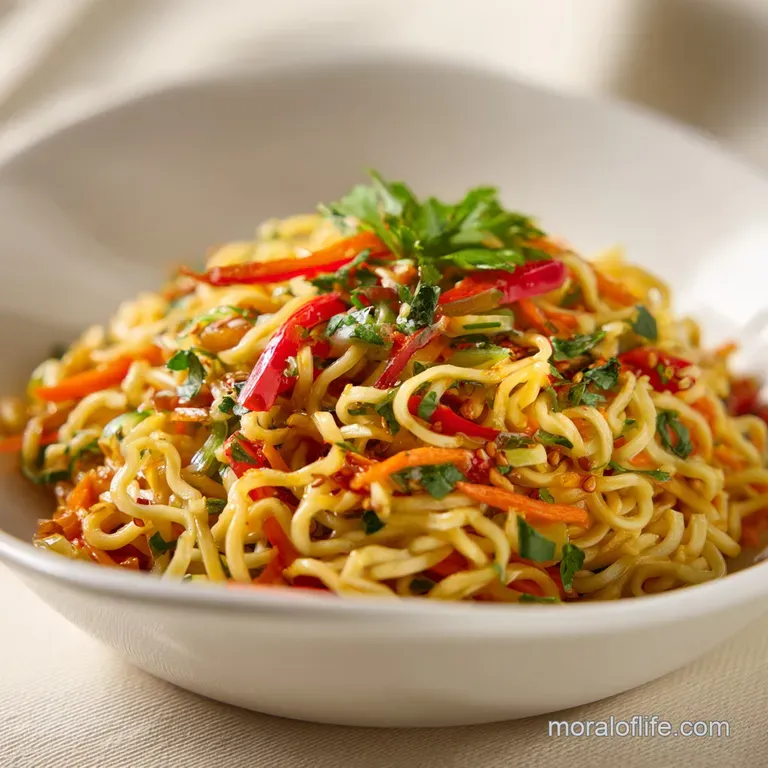
You don't need a high end kitchen for this, but a few specific tools will make the process much smoother. A large skillet is non negotiable for toasting the noodles without crowding them, which leads to uneven browning.
I highly recommend using a wide, shallow bowl for the final toss. If the bowl is too deep, the heavy toasted bits will sink to the bottom, and you'll end up with a top layer of plain cabbage and a bottom layer of "crunch" soup.
A mason jar is my favorite tool for the dressing because you can shake it vigorously to emulsify the oil and vinegar without making a mess.
Chef's Tip: Use a sharp chef's knife or a mandoline for the cabbage. The thinner the shreds, the better the dressing will cling. If the pieces are too chunky, they won't soften slightly under the weight of the vinaigrette.
Detailed Preparation Steps
- Prep the noodles. Crush the dry ramen noodles into small, bite sized shards while still in the bag. This prevents noodle fragments from flying all over your kitchen.
- Melt the butter. Place 57g of unsalted butter in a large skillet over medium heat. Wait until it starts to foam but hasn't turned brown yet.
- Toast the crunch. Add the crushed noodles and 1 cup of sliced almonds to the skillet. Stir constantly for 3–5 minutes. Note: Watch this closely; the transition from mahogany brown to burnt happens in seconds.
- Cool the mixture. Remove the noodle mixture from the heat immediately and spread it on a plate to stop the cooking process.
- Start the dressing. In a small bowl or mason jar, combine 100g sugar, 80ml rice vinegar, and 30ml soy sauce. Whisk or shake vigorously until the sugar has mostly dissolved.
- Emulsify the oils. Slowly stream in 180ml canola oil and 5ml sesame oil while whisking constantly. You are looking for a smooth, unified liquid.
- Prepare the greens. Thinly shred the Napa cabbage and slice the 2 bunches of green onions on a bias. Place them in a massive mixing bowl.
- The final assembly. Toss the cabbage and onions with the cooled noodle mixture and 1/2 cup sunflower seeds.
- Drizzle and serve. Pour the dressing over the top and toss everything together. Serve immediately until the cabbage is just coated and shimmering.
Preventing A Soggy Salad
The number one complaint with any slaw is sogginess. In this recipe, the culprits are usually added too early or the cabbage wasn't dry enough after washing.
Fixing Soggy Noodle Issues
If your noodles turn into mush, it’s likely because they were added to the cabbage while still hot, or the salad sat in the fridge for more than four hours. The residual heat from the skillet causes the cabbage to release its internal water, creating a swamp at the bottom of the bowl.
Always let your toasted bits reach room temperature before they touch the greens.
Rescuing A Separated Dressing
If you see beads of oil floating on top of your salad, your emulsion broke. This often happens if the oil was dumped in all at once. To fix this for the next batch, try adding a teaspoon of Dijon mustard; it acts as a natural bridge between the oil and vinegar, keeping them together.
| Problem | Root Cause | Solution |
|---|---|---|
| Limp Cabbage | Salt/Sugar drawing out water | Dress the salad no more than 10 mins before serving. |
| Burnt Almonds | Skillet was too hot | Toast over medium low and stir without stopping. |
| Oily Mouthfeel | Poor emulsion | Shake the dressing in a jar for 60 seconds before pouring. |
Common Mistakes Checklist:
- ✓ Pat the Napa cabbage completely dry after rinsing (water dilutes the dressing).
- ✓ Ensure the toasted noodles are cold before adding to the greens.
- ✓ Do not use the ramen flavor packets (the soy sauce provides the salt).
- ✓ Slice the green onions thinly to avoid overpowering bites.
- ✓ Use a neutral oil like canola; olive oil is too heavy for this profile.
Fun Flavor Variations
While the classic version is iconic, there is plenty of room for experimentation. If you want to lean into the sweetness, adding a handful of dried cranberries or mandarin orange segments can provide a bright, fruity contrast to the savory soy sauce.
For a protein packed meal, shredded rotisserie chicken or grilled shrimp can be folded in at the very end. If you are looking for a lower carb option, you can swap half of the Napa cabbage for shredded broccoli stalks or "broccoli slaw" mix. This adds a more aggressive crunch and holds up even longer in the fridge.
If you find yourself wanting to scale this recipe down for a smaller dinner, it is quite easy. For a 2 person serving, use 1/4 of a cabbage head and whisk one egg to use half for the noodle coating if you're experimenting with different binders, though for this specific recipe, simply cutting the butter and noodles by 75% works perfectly.
When scaling up for a crowd, remember that you don't need to double the sesame oil its flavor is potent, so 1.5x the original amount is usually plenty for a double batch.
Storing Your Leftover Salad
This salad is at its absolute peak about five minutes after it is tossed. However, life happens, and you might have leftovers.
Fridge Storage: If the salad is already dressed, it will stay edible for about 24 hours in the fridge, but the noodles will lose their "snap." If you want to prep this for the week, store the toasted noodles/almonds in an airtight container at room temperature and keep the shredded cabbage and dressing in separate containers in the fridge.
Combine them only when you are ready to eat.
Freezing: Do not freeze the dressed salad. The Napa cabbage has a high water content, and once frozen and thawed, it will turn into a grey, translucent mush. You can, however, freeze the toasted noodle and almond mixture in a freezer bag for up to 3 months.
Zero Waste Tip: Don't throw away the tough core of the Napa cabbage! It can be sliced very thin and pickled in a bit of leftover rice vinegar and sugar for a quick snack, or thrown into a stir fry for added texture.
Best Food Pairings
This salad is a heavy hitter at barbecues, so it naturally pairs with smoky, charred meats. It is the perfect foil for sticky BBQ ribs or soy marinated grilled chicken thighs. Because of the sweetness in the dressing, it also works incredibly well with spicy dishes, acting as a cooling, crunchy palate cleanser.
I often serve this alongside a simple grilled salmon fillet. The fattiness of the fish is balanced by the sharp vinegar in the slaw. If you are doing a full buffet spread, it sits nicely next to other cold salads that offer different textures, like a creamy potato salad or a zesty pasta salad.
The goal is to provide a variety of "crunches" and "creams" to keep the plate interesting.
One myth I often hear is that you must use the specific brands of ramen mentioned in old cookbooks. In reality, the "brand" doesn't matter nearly as much as the technique of browning the noodles in butter.
Searing or toasting the noodles doesn't "seal" them, but it does change their starch structure, making them more resistant to absorbing the dressing immediately. This is the same logic behind why we toast rice for risotto it’s all about building a foundation of flavor and texture before the liquid hits the pan.
Recipe FAQs
What makes a good ramen noodle salad?
A good ramen salad relies on the contrast between crunchy noodles and crisp Napa cabbage. The key is achieving a mahogany brown toast on the noodles and almonds for a deep, nutty flavor that stands up to the sweet and acidic dressing.
How do I prevent soggy ramen salad?
Keep the dressing, dry noodles, and fresh cabbage in separate containers until the exact moment you are ready to serve. Once the dressing touches the noodles, they begin to soften; if you enjoyed nailing the stable emulsion in this recipe, use that same whisking technique to ensure your dressing stays perfectly blended until serving.
Is it true that I should use the flavor packets included with the ramen?
No, this is a common misconception. You must discard the flavor packets entirely, as they are not used in this specific recipe and will throw off the balance of the soy sauce and rice vinegar dressing.
Can you eat uncooked ramen noodles in a salad?
Yes, but they must be toasted in butter first. Eating them raw without the 3 5 minute skillet toasting process will result in an unpleasantly hard, chalky texture rather than the intended crisp, nutty bite.
How do I make the noodles perfectly mahogany colored?
Stir the crushed noodles and sliced almonds constantly over medium heat to prevent burning. You need to maintain consistent movement for the full 3 5 minutes until they achieve a deep golden brown color and release a distinct, toasted aroma.
Is it true that this salad can be stored in the freezer for later use?
No, this is a common misconception. You should never freeze this salad, as the cabbage will lose its structure and the toasted noodles will become mushy upon thawing.
How do I know if my dressing is emulsified correctly?
Check that the oil and vinegar have combined into a thick, uniform liquid without separating. By slowly streaming the canola and sesame oils into the whisked sugar, vinegar, and soy sauce, you create a stable mixture that coats the cabbage evenly instead of pooling at the bottom of the bowl.
Pioneer Woman Ramen Salad
Ingredients:
Instructions:
Nutrition Facts:
| Calories | 349 kcal |
|---|---|
| Protein | 5.0 g |
| Fat | 27.2 g |
| Carbs | 23.6 g |
| Fiber | 2.8 g |
| Sugar | 8.5 g |
| Sodium | 235 mg |
