Pistachio Pesto Pizza Recipe
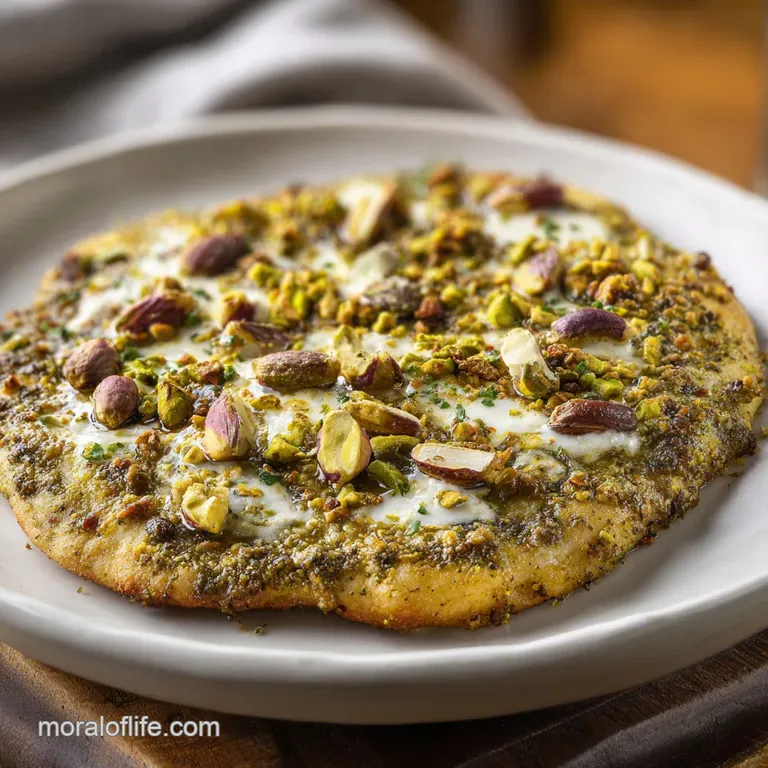
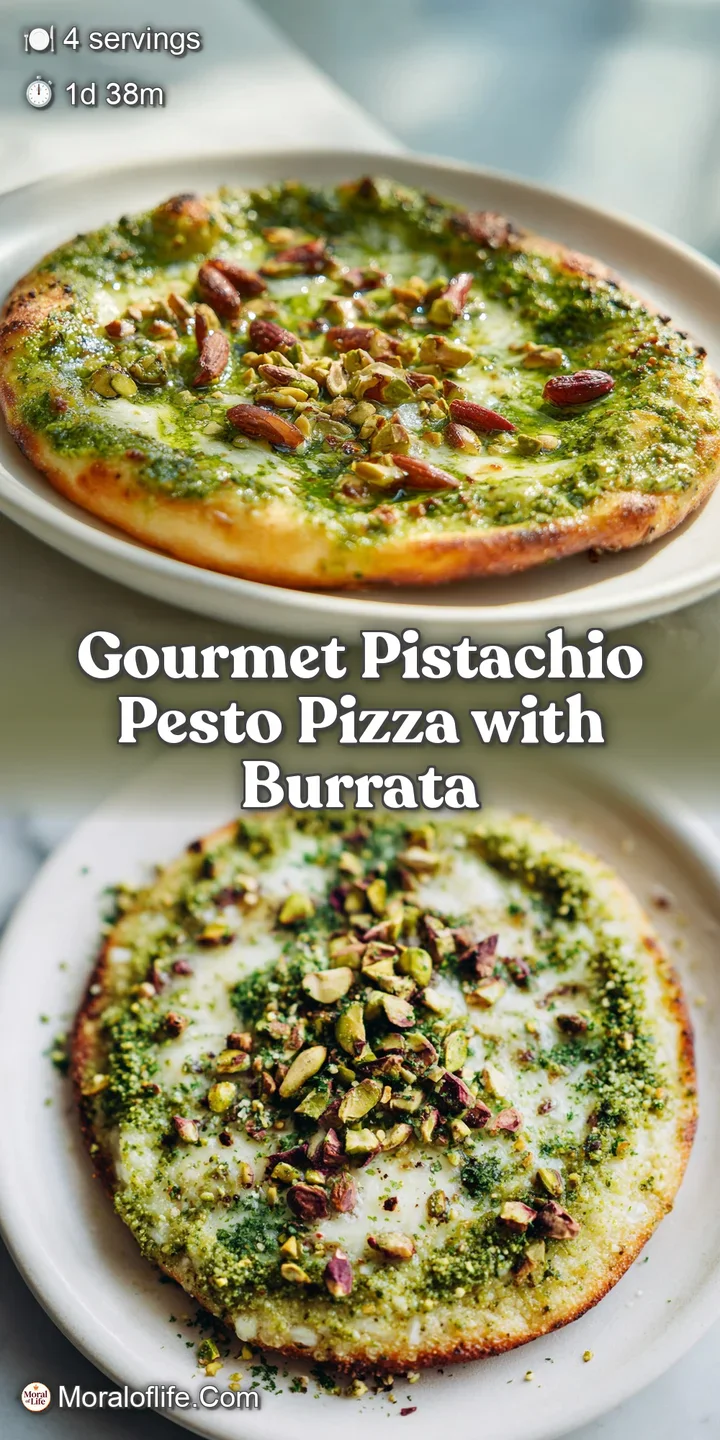
- Time: Active 38 mins, Passive 24 hours, Total 24 hours 38 mins
- Flavor/Texture Hook: Shatter crisp crust with velvety burrata and earthy pistachios
- Perfect for: Weekend hosting or an elevated date night at home
- Why This Nutty Pizza Recipe Works Every Single Time
- The Essential Specs for Your Next Pizza Night Success
- Gathering Your Ingredients for This Pistachio Pesto Pizza Masterpiece
- The Only Kitchen Tools You Need for Professional Results
- Follow These Detailed Steps for a Flawless Pizza Bake
- Avoiding Common Mistakes and Mastering the Perfect Pizza Crust
- Troubleshooting Common Issues
- How to Adapt This Recipe for Different Dietary Needs
- Your Complete Guide to Storing and Reheating Pizza Leftovers
- The Best Side Dishes to Serve With Your Pizza
- Debunking Common Pizza Myths
- High in Sodium
- Recipe FAQs
- 📝 Recipe Card
Why This Nutty Pizza Recipe Works Every Single Time
I still remember the first time I sat in a tiny, dimly lit pizzeria in Trastevere, Rome. The air was thick with the scent of charred oak and melting fat. When they slid a white pizza in front of me topped with bright green pesto and translucent ribbons of mortadella, I was skeptical.
I was a "red sauce or nothing" kind of person back then. One bite changed everything. The crunch of the crust hitting the silky, cool burrata was a revelation that sent me on a three year quest to recreate that exact balance in my own kitchen.
What I learned through dozens of failed, soggy attempts is that this dish isn't just about the toppings. It's about the contrast between the hot, baked base and the cold, fresh finishes. You get that "shatter" when you bite into the crust, followed by the velvety richness of the cheese.
This isn't just a meal, it's a texture play that makes a normal Tuesday feel like a celebration. We’ve all had those nights where we want something impressive but dependable, and this is the recipe I repeat with confidence every single time.
- Cold Fermentation: Resting the dough for 24 hours allows enzymes to break down starches into simpler sugars, which caramelize better in a home oven.
- Thermal Buffering: A layer of mozzarella protects the delicate pistachio pesto from direct heat, preventing the oils from separating and becoming bitter.
- Residual Heat Wilting: Placing the mortadella on the pizza the second it leaves the oven softens the fat without overcooking the delicate cured meat.
- Starch Gelatinization: High hydration in the dough (65%) ensures the interior stays airy and light while the exterior forms a thin, crispy shell.
| Method | Time | Texture | Best For |
|---|---|---|---|
| Home Oven (Stone) | 8 mins | Crispy, airy rim | Consistent results |
| Outdoor Pizza Oven | 90 secs | Charred, soft center | Authentic Neapolitan style |
| Cast Iron Skillet | 12 mins | Thick, fried bottom | Maximum crunch |
This comparison shows that while a dedicated pizza oven is great, a standard home oven with a preheated stone is actually the most dependable way to get that even bake we’re looking for.
The longer cook time in a home oven allows the moisture in the toppings to evaporate slightly, preventing that dreaded "soup" in the middle of your Pistachio Pesto Pizza.
The Physics of Nut Emulsions
When we pulse the pistachios with oil, we're creating a stable fat in-water emulsion that suspends the basil’s aromatics. The lemon zest acts as a chemical surfactant, brightening the heavy fats and preventing the pesto from feeling cloying on the palate.
The Essential Specs for Your Next Pizza Night Success
Component Analysis
| Ingredient | Science Role | Pro Secret |
|---|---|---|
| '00' Flour | Protein structure | Provides that classic "stretch" without tearing |
| Raw Pistachios | Fat source | Toasting them briefly before grinding adds depth |
| Sea Salt | Yeast regulator | Tightens gluten strands for a better "chew" |
| Ice Cold Water | Temperature control | Slows yeast activity during the initial mix |
When you're working with the dough, the feel of the '00' flour is noticeably silkier than standard all purpose. It creates a finer crumb that feels much more professional. If you love experimenting with these kinds of green, aromatic sauces, you might also find the balance in my Alfredo and Pesto recipe quite interesting for your next pasta night.
Gathering Your Ingredients for This Pistachio Pesto Pizza Masterpiece
- 500g '00' Flour Why this? Essential for that thin, elastic, and airy Neapolitan style crust.
- Substitute: Bread flour (adds more chew, less tenderness).
- 325g Room temperature filtered water Why this? Filtered water prevents chlorine from affecting the yeast growth.
- Substitute: Tap water is fine if it doesn't smell like chlorine.
- 10g Sea salt Why this? Enhances flavor and controls the rate of fermentation.
- Substitute: Table salt (use only 8g as it is denser).
- 3g Instant dry yeast Why this? Reliable rise without the need for blooming in water first.
- Substitute: 9g Fresh yeast.
- 150g Raw, unsalted pistachios (shelled) Why this? Provides the base for the creamy, nutty pesto sauce.
- Substitute: Walnuts (slightly more bitter) or Pine nuts.
- 50g Fresh basil leaves (packed) Why this? Adds the signature herbaceous aroma to the pistachio base.
- Substitute: Fresh baby spinach for color, plus a little mint.
- 40g Pecorino Romano Why this? Adds a sharp, salty kick that cuts through the nuttiness.
- Substitute: Parmesan (milder, less salty).
- 1 clove Garlic, minced Why this? A small amount provides depth without overpowering the nuts.
- Substitute: Garlic confit for a sweeter, mellow flavor.
- 100ml Extra virgin olive oil Why this? Emulsifies the pesto into a spreadable, luscious sauce.
- Substitute: Avocado oil for a neutral flavor profile.
- Pinch of sea salt and lemon zest Why this? Lemon zest brightens the heavy fats in the nuts and mortadella.
- 125g Whole milk ricotta cheese Why this? Acts as a creamy "barrier" between the dough and the pesto.
- Substitute: Mascarpone for an even richer finish.
- 200g Fresh mozzarella, torn Why this? Melts beautifully into puddles of milky goodness.
- Substitute: Low moisture mozzarella (less water, more stretch).
- 100g Mortadella Bologna Why this? The classic pairing for pistachio, added cold for texture.
- Substitute: Thinly sliced Prosciutto Cotto.
- 2 balls fresh Burrata cheese Why this? The center "stracciatella" spills out to create a decadent sauce.
- Substitute: Extra fresh mozzarella pearls.
- 25g Crushed toasted pistachios Why this? Adds a final "crunch" factor to every bite.
The Only Kitchen Tools You Need for Professional Results
You don't need a fancy wood fired oven to make a stunning Pistachio Pesto Pizza. Most of my best pizzas have come out of a standard kitchen oven using a heavy duty baking steel or stone. The key is heat retention. If you use a thin aluminum tray, the bottom won't get that "shatter" we’re looking for.
A simple food processor is also vital for the pesto. You want it smooth but with a tiny bit of texture left from the nuts.
Chef Tip: Freeze your mozzarella for 15 minutes before tearing it. It makes it much easier to handle and ensures it doesn't release too much water too quickly in the oven.
I also highly recommend a digital scale. When we talk about 325g of water, even a few extra milliliters can turn your dough into a sticky mess. If you're looking for more fun ways to use your pizza skills, you should try my Pizza Egg Rolls recipe — they use similar flavors in a totally different format.
Follow These Detailed Steps for a Flawless Pizza Bake
Phase 1: The Long Ferment Dough
- Combine 500g flour, 10g salt, and 3g yeast in a large bowl. Note: Mixing dry first prevents salt from killing the yeast directly.
- Pour in 325g water and mix by hand until a shaggy mass forms.
- Knead on a clean surface for 10 minutes until the dough is smooth and bounces back when poked.
- Place in a lightly oiled bowl, cover, and let it sit at room temperature for 2 hours.
- Move the bowl to the fridge for 24 hours. Note: This is where the magic happens and the flavor develops.
- Two hours before baking, divide the dough into four balls and let them sit at room temperature.
Phase 2: The Pesto Emulsion
- Place 150g pistachios and 1 clove garlic in a processor. Pulse until a coarse sand texture forms.
- Add 50g basil, 40g Pecorino, and a pinch of salt.
- Slowly drizzle in 100ml olive oil while the motor is running.
- Add the lemon zest and pulse once more until the pesto is vibrant green and silky.
Phase 3: The Strategic Layering
- Preheat your oven to 260°C (or its highest setting) with a pizza stone inside for at least 45 mins.
- Stretch one dough ball into a 25cm circle. Note: Leave a thicker rim for the "cornicione" or crust.
- Spread a thin layer of 30g ricotta across the dough.
- Dollop 3-4 tablespoons of the pistachio pesto over the ricotta.
- Scatter 50g of torn mozzarella evenly.
Phase 4: The over High heat Bake & Finish
- Slide the pizza onto the hot stone and bake for 6-8 mins until the edges are charred and blistering.
- Remove from the oven and immediately drape 25g of mortadella over the top.
- Break half a ball of burrata in the center, letting the cream flow out.
- Garnish with a handful of 5g crushed pistachios and a tiny drizzle of oil.
| Original Ingredient | Substitute | Why It Works |
|---|---|---|
| '00' Flour | Bread Flour | Higher protein content. Note: Results in a chewier, tougher crust. |
| Mortadella | Prosciutto | Salty cured meat. Note: Add after baking to prevent it from becoming too salty. |
| Pecorino Romano | Parmesan | Hard aged cheese. Note: Parmesan is less tangy but melts more smoothly. |
Avoiding Common Mistakes and Mastering the Perfect Pizza Crust
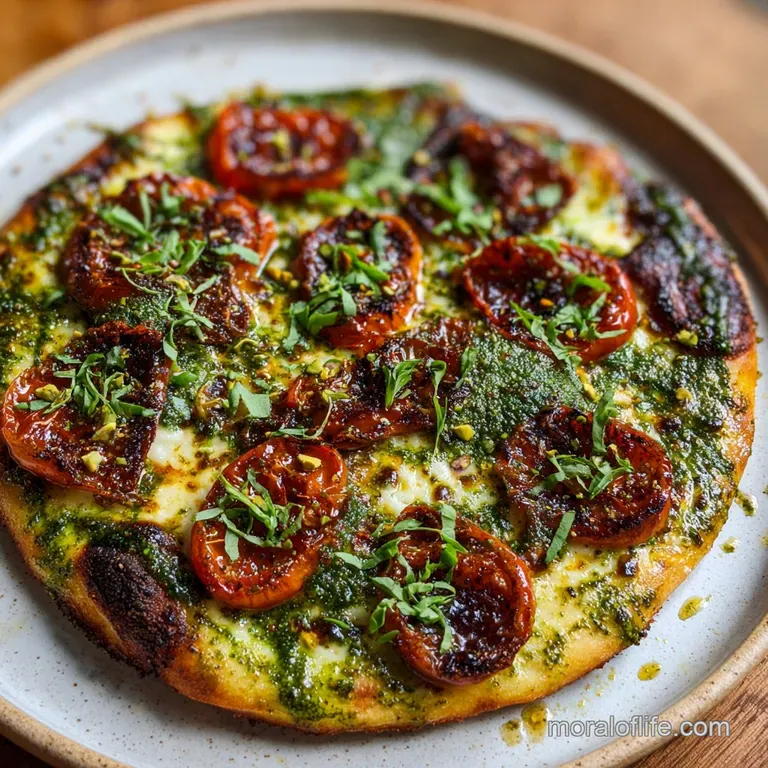
Troubleshooting Common Issues
| Issue | Solution |
|---|---|
| Why Your Pesto Turns Brown | Pesto oxidizes when exposed to air and high heat. The basil leaves are delicate. By mixing the pesto with a little ricotta or placing it under the mozzarella, you create a shield. Also, adding a tiny |
| Why the Pizza is Soggy | This usually happens if your mozzarella is too wet or your oven isn't hot enough. Fresh mozzarella in water needs to be drained and patted dry with paper towels for at least 30 minutes before use. If |
| Why the Crust Won't Stretch | If your dough keeps snapping back like a rubber band, it hasn't rested enough. Gluten needs time to relax. If you pull it straight from the fridge and try to stretch it, you'll get a thick, tough disk |
How to Adapt This Recipe for Different Dietary Needs
When scaling this recipe down for a solo dinner (1/4 size), I recommend still making the full batch of pesto. It keeps beautifully in the fridge and tastes incredible on pasta the next day.
If you're doubling the recipe for a crowd, don't just double the yeast; keep it at about 1.5x to avoid a "beery" over fermented flavor.
- If you want a crispier base, brush the edges of the dough with a little olive oil before baking.
- If you want a spicier kick, add a pinch of red chili flakes to the pistachio pesto.
- If you want a lighter version, swap the ricotta for a thin layer of Greek yogurt mixed with lemon.
| Premium | Budget | Flavor Impact | Savings |
|---|---|---|---|
| Bronte Pistachios | Bulk California Pistachios | Slightly less sweet | Save €10-15 |
| Buffalo Mozzarella | Cow's Milk Mozzarella | Less creamy, firmer | Save €5-8 |
| Mortadella Bologna | Deli Ham | Loses the silky fat texture | Save €4-6 |
Your Complete Guide to Storing and Reheating Pizza Leftovers
A common myth is that you can't reheat pizza with burrata. While the burrata won't be "fresh" again, it melts into a wonderful creamy sauce. You can store leftovers in an airtight container in the fridge for up to 3 days. To reheat, avoid the microwave at all costs it turns the crust into cardboard.
Instead, use a dry skillet over medium heat for 3 minutes to crisp the bottom, then add a teaspoon of water to the side of the pan and cover with a lid for 30 seconds to melt the cheese.
For zero waste, take any leftover mortadella and pistachios and toss them into a morning omelet. The pesto can be frozen in ice cube trays for up to 3 months. Just pop a cube into a hot pan of pasta for an instant meal.
The dough can also be frozen after the 24 hour fridge rest; just thaw it in the fridge overnight when you're ready for your next pizza fix.
The Best Side Dishes to Serve With Your Pizza
Since this Pistachio Pesto Pizza is quite rich and fatty from the nuts and burrata, you want a side that offers high acidity and crunch. A simple arugula salad with a sharp lemon vinaigrette and shaved radishes is my go to. The peppery bite of the arugula cuts right through the creamy mortadella.
Another great option is roasted cherry tomatoes with balsamic glaze. The sweetness of the tomatoes complements the earthy pistachios perfectly. If you're looking for something more substantial for a party, a platter of marinated olives and artichoke hearts fits the Italian theme beautifully without requiring extra oven space.
Debunking Common Pizza Myths
Searing your toppings before putting them on the pizza is usually a mistake. For this recipe, the mortadella should never see the inside of the oven. High heat destroys the delicate fats in the meat, making it curly and salty rather than melt in-the mouth. The residual heat of the crust is all you need.
Another myth is that you need "active" water to wake up instant yeast. Modern instant yeast is designed to be mixed directly with the flour. Using hot water can actually over activate the yeast too early, leading to a dough that rises quickly but lacks the complex structure of a slow, cold fermented crust.
Trust the process and stick to room temperature water.
High in Sodium
859 mg mg of sodium per serving (37% % of daily value)
American Heart Association recommendation about 2,300mg limit
Tips to Reduce Sodium
-
Reduce Pecorino Romano-15%
Pecorino Romano is a significant source of sodium. Reduce the amount from 40g to 20g or substitute with a lower sodium hard cheese like Parmesan.
-
Lower Sodium Mortadella-15%
Mortadella can be high in sodium. Choose a lower sodium variety of Mortadella Bologna, if available, or reduce the quantity used.
-
Reduce Added Salt-10%
The recipe uses sea salt in multiple places. Reduce the 10g of sea salt in the dough to 7g, and eliminate the pinch of sea salt added with the lemon zest.
-
Rinse Ricotta and Mozzarella-5%
Rinsing ricotta and mozzarella cheese can help to remove some of the surface sodium. Rinse well with water before adding to the pizza.
-
Enhance with Herbs & Spices
Emphasize the fresh basil, garlic, lemon zest, and pistachios to enhance the flavor profile and reduce the need for added salt. Fresh herbs are naturally sodium free.
Recipe FAQs
What is the minimum cold proof time required for this dough?
No, 24 hours is the ideal minimum. Resting the dough for this duration breaks down starches, which develops the complex crumb structure needed to support the rich toppings.
How do I prevent the pistachio pesto from becoming bitter under the high oven heat?
Apply a thermal buffer layer first. Place a layer of mozzarella or ricotta cheese directly onto the dough before spreading the pesto to shield it from direct heat exposure.
How to achieve the classic "shatter" crispness in a home oven?
Preheat your pizza stone or steel for at least 45 minutes at the highest temperature. The longer cook time (8 minutes) in a home oven allows surface moisture to evaporate completely, ensuring a thin, crispy shell.
Is it true you must toast the pistachios before making the pesto?
No, toasting is optional but recommended. Briefly toasting the nuts before grinding them into the emulsion adds a noticeable depth of flavor that raw nuts lack.
How should the delicate mortadella and burrata be applied to the pizza?
Add both toppings after the pizza exits the oven. The residual heat is sufficient to warm the mortadella and soften the burrata without overcooking or drying them out.
Can I substitute the '00' flour for all-purpose flour?
Yes, but expect a texture change. All-purpose flour will work, but it yields a chewier crust rather than the intended tender, airy interior provided by the lower protein '00' flour.
How long can the prepared dough be safely stored in the refrigerator?
The dough can be kept for up to 48 hours. The pesto can also be made ahead of time and stored for up to 48 hours for ultimate convenience before baking.
Pistachio Pesto Pizza Recipe
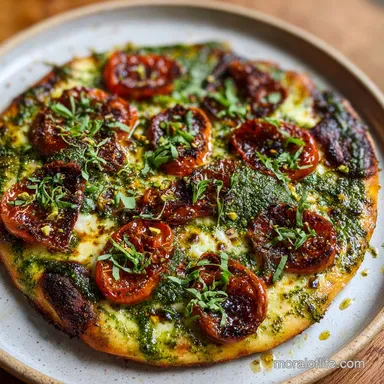
Ingredients:
Instructions:
Nutrition Facts:
| Calories | 686 kcal |
|---|---|
| Protein | 25.6g |
| Fat | 40.1g |
| Carbs | 53.6g |
| Fiber | 4.8g |
| Sugar | 1.9g |
| Sodium | 859mg |
