Potato Cheese Sticks Recipe
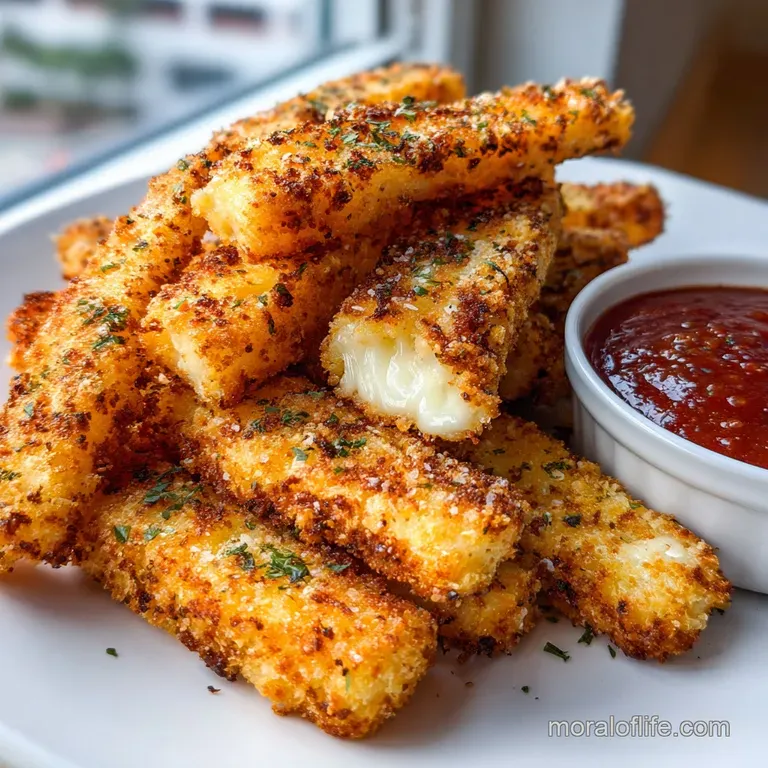
- Time: Active 20 minutes, Passive 15 minutes, Total 35 minutes
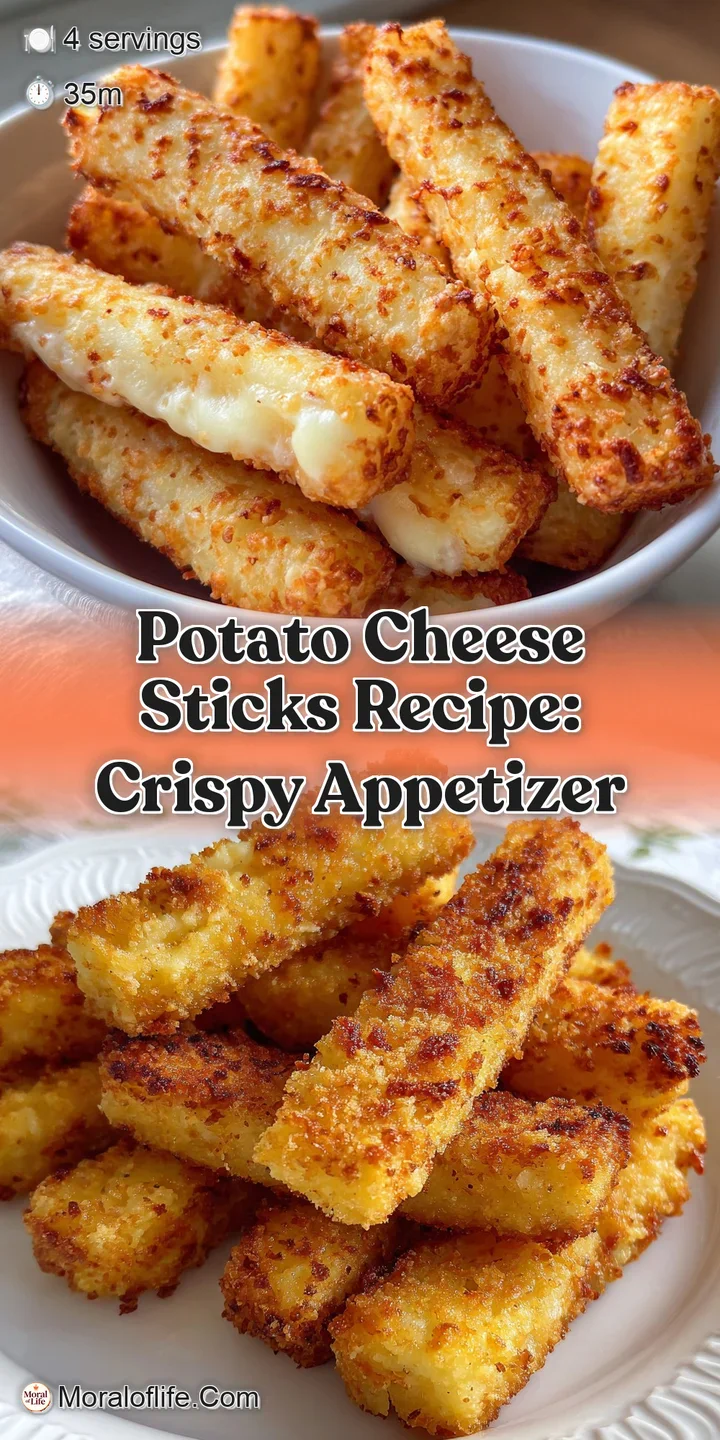
- Flavor/Texture Hook: A smoky, garlic infused crunch that gives way to a long, silky mozzarella pull.
- Perfect for: A dependable weeknight snack or a budget-friendly party appetizer that looks and tastes far more expensive than it is.
- Achieving the Shatter Crisp Potato Cheese Sticks Recipe
- Engineering the Structural Integrity of Your Spuds
- Cook Method Comparison for Maximum Crunch
- Component Analysis and Selection
- Essential Elements for Your Potato Cheese Sticks Recipe
- Essential Equipment for the Home Kitchen
- Executing the Potato Cheese Sticks Recipe
- Solving Texture and Stability Issues
- Scaling for Large Groups or Small Snacks
- Debunking Common Spud Myths
- Storage Guidelines and Zero Waste
- Visual Appeal and Serving Suggestions
- Recipe FAQs
- 📝 Recipe Card
Achieving the Shatter Crisp Potato Cheese Sticks Recipe
You know that sound when you bite into something so crisp it practically echoes? That’s the "shatter" we’re chasing here. I first stumbled onto this method on a normal Tuesday when I was craving mozzarella sticks but didn’t have a single breadcrumb in the house.
I had a few stray Russets and a block of low moisture cheese, and honestly, the result was a complete revelation that put the frozen bagged versions to shame.
The magic happens when the steam hits the oil. Because we’re using a mix of cornstarch and rice flour, the exterior dehydrates almost instantly, creating this micro thin, bubbly crust that stays rigid even as the cheese inside turns into a molten river.
It’s a tactile experience the initial resistance of the crust followed by the soft, pillowy mash and the saltiness of the mozzarella.
We aren't just making mashed potato logs; we are engineering a specific structural contrast. If you’ve ever had a potato stick fall apart in the pan, you know the frustration. We’ve solved that here by controlling moisture and using the right binder.
Trust me on this, once you hear that first crackle, you’ll never go back to the soggy alternatives.
Engineering the Structural Integrity of Your Spuds
The success of this dish relies on starch behavior and moisture management. It is less about "cooking" and more about "forming and setting."
- Amylopectin Mesh: Russet potatoes provide a high starch base that, when mashed, forms a sticky matrix. The cornstarch reinforces this, creating a heat stable shell that prevents the sticks from disintegrating.
- Moisture Migration Control: Low moisture mozzarella is vital. High moisture cheese (like fresh buffalo) releases water during heating, which creates steam pockets that cause the potato crust to rupture.
- Dehydration Surface: The rice flour in the mix absorbs any surface oil and promotes a faster "set" in the pan, ensuring the exterior becomes rigid before the interior can overheat and expand.
- Thermal Regulation: By cubing the potatoes to a uniform size before boiling, we ensure even gelatinization of the starches, which prevents "grainy" or "lumpy" dough that would crack during shaping.
Cook Method Comparison for Maximum Crunch
| Method | Time | Texture | Best For |
|---|---|---|---|
| Shallow Fry | 10 minutes | Maximum shatter; golden and rich | Authenticity and flavor |
| Air Fryer | 12 minutes | Very crisp but slightly matte finish | Lower fat and convenience |
| Oven Bake | 18 minutes | Firm and sturdy; less oily | Large batches for crowds |
Component Analysis and Selection
| Ingredient | Science Role | Pro Secret |
|---|---|---|
| Russet Potatoes | Provides the dry, starchy foundation | Always steam or dry drain them to remove excess water. |
| Cornstarch | Creates the signature "shatter" crust | Use it to dust your hands while shaping to prevent sticking. |
| Mozzarella | The elastic, molten core | Freeze the cheese shreds for 10 minutes before mixing to keep them intact. |
| Rice Flour | Prevents oil absorption | Don't skip this; it's the key to a non greasy finish. |
While we love the crunch of these sticks, if you’re looking for a different texture profile for your side dishes, the technique used in our Crispy Oven Baked recipe is a great contrast to the fried nature of these potato logs.
Essential Elements for Your Potato Cheese Sticks Recipe
- 500g Russet potatoes, peeled and cubed: Why this? Russets have the highest starch content for a fluffy, stable interior.
- Substitute: Yukon Gold (note: will be creamier but slightly more fragile).
- 60g cornstarch: Why this? This is the primary binder that provides the crisp exterior.
- Substitute: Arrowroot powder (creates a similar crunch).
- 15g rice flour: Why this? Adds a light, airy crispness that cornstarch alone lacks.
- Substitute: All purpose flour (results in a slightly denser, chewier crust).
- 5g garlic powder: Why this? Provides a deep, savory base that permeates the dough.
- Substitute: Onion powder.
- 3g smoked paprika: Why this? Adds a hint of color and a subtle wood fired aroma.
- Substitute: Sweet paprika or a pinch of cayenne.
- 2g sea salt: Why this? Enhances the natural sweetness of the potato.
- Substitute: Kosher salt.
- 100g shredded low moisture mozzarella cheese: Why this? Essential for the "cheese pull" without adding excess water.
- Substitute: Monterey Jack or a mild Provolone.
- 2g dried oregano: Why this? Adds an earthy, Mediterranean herbal note.
- Substitute: Dried thyme or Italian seasoning.
- 15ml extra virgin olive oil: Why this? Used for the initial mash to add richness and a silky mouthfeel.
- Substitute: Melted unsalted butter.
Essential Equipment for the Home Kitchen
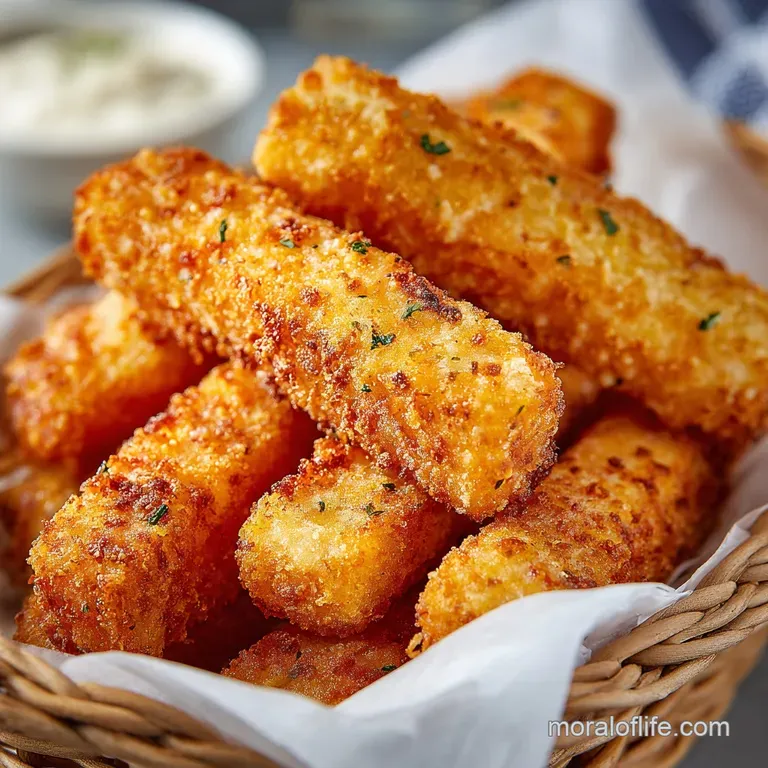
You don't need a industrial fryer to get this right. A heavy bottomed skillet, such as a cast iron pan (like a Lodge 10 inch), is the best tool for the job because it maintains a steady temperature. A fine mesh potato masher or a ricer is also highly recommended to ensure the dough is completely smooth.
Any lumps in the potato will become "fault lines" where the sticks might crack during the cook.
I also suggest having a wire cooling rack set over a baking sheet. Placing the finished sticks directly onto paper towels can sometimes trap steam underneath, which softens that beautiful crust we worked so hard to build.
The wire rack allows air to circulate around the entire stick, keeping it shatter crisp for longer.
Executing the Potato Cheese Sticks Recipe
- Boil the potatoes. Place the 500g Russet cubes in a pot of cold salted water. Bring to a boil and cook until a fork pierces them with zero resistance, usually 12-15 minutes.
- Dry the spuds. Drain the potatoes and return them to the hot pot for 1 minute. Note: This allows excess steam to evaporate, which is the secret to a dough that isn't gummy.
- Mash until velvety. Use a ricer or masher to crush the potatoes while they are still hot. Incorporate the 15ml of olive oil immediately for a silky texture.
- Season the base. Add the 5g garlic powder, 3g smoked paprika, 2g sea salt, and 2g dried oregano. Mix thoroughly until the aroma becomes fragrant and the color is uniform.
- Bind the dough. Fold in the 60g cornstarch and 15g rice flour. The mixture should transition from a loose mash to a pliable dough that pulls away from the sides of the bowl.
- Fold in the cheese. Once the dough has cooled slightly (so it doesn't melt the cheese prematurely), fold in the 100g of shredded mozzarella.
- Shape the logs. Take about 2 tablespoons of dough and roll it between your palms. Shape into 3 inch long cylinders with flat ends.
- The Chilling Phase. Place the shaped sticks on a tray and refrigerate for 15 minutes. Note: This "sets" the starch and prevents them from expanding too quickly in the oil.
- The Sizzle Test. Heat a thin layer of oil in your skillet over medium high heat. Drop a tiny piece of dough in; it should sizzle immediately and dance on the surface.
- Shallow fry. Add the sticks in batches, making sure they don't touch. Fry for 3-4 minutes, turning gently, until the exterior is deeply bronzed and sounds hollow when tapped.
Chef's Tip: Freeze your block of mozzarella for 10 minutes before grating it. This creates firmer shards that distribute more evenly throughout the potato dough without clumping.
Solving Texture and Stability Issues
Why Your Sticks Are Disintegrating
If the potato dough feels wet or sticks to your hands, the potatoes likely absorbed too much water during the boiling process or weren't dried enough afterward. This excess moisture turns to steam in the pan, causing the binder to fail.
Handling the "Cheese Blowout"
A blowout occurs when the interior pressure of the melting cheese exceeds the strength of the potato shell. This usually happens if the oil is too cold (taking too long to set the crust) or if there are air pockets trapped inside the logs during shaping.
| Problem | Root Cause | Solution |
|---|---|---|
| Greasy Texture | Oil temperature too low | Ensure oil reaches 350°F before adding the sticks. |
| Cracking Surface | Dough is too dry | Add a teaspoon of olive oil or water to the mash. |
| Soggy Crust | Crowding the pan | Fry in batches to maintain consistent oil temperature. |
Common Mistakes Checklist
- ✓ Never use "waxy" potatoes like Red Bliss; they don't have the starch to hold the shape.
- ✓ Ensure the potatoes are mashed while hot; cold starch becomes "rubbery" and won't bond with the flour.
- ✓ Don't skip the 15 minute fridge rest; it's the difference between a stick and a blob.
- ✓ Avoid fresh mozzarella; the water content will cause the sticks to explode in the oil.
Scaling for Large Groups or Small Snacks
Scaling Down (Making a Single Snack) If you're only cooking for yourself, you can easily halve this. Use 250g of potatoes and reduce the starches proportionally. Because you're working with smaller volumes, the mash will cool faster, so work quickly to ensure the seasonings incorporate well.
Scaling Up (For a Party) When doubling or tripling this Potato Cheese Sticks Recipe, do not simply double the salt and spices start at 1.5x and taste. However, you must maintain the exact ratio of potato to cornstarch/rice flour to ensure the structural integrity remains.
Work in batches for the frying stage; trying to fry 20 sticks at once will drop the oil temperature and result in a greasy mess.
If you are scaling this up for a big game night, it pairs beautifully with a creamy dip. For a luxurious twist, try dipping them in the base from our Cream Cheese Alfredo recipe — the garlic notes in the sticks play perfectly with the Parmesan in the sauce.
Debunking Common Spud Myths
One common misconception is that you need an egg binder for this recipe. Actually, adding an egg introduces unwanted moisture and fat that can make the crust "leathery" rather than crisp. The combination of potato starch, cornstarch, and rice flour is a far superior binding system for over high heat frying.
Another myth is that you should soak the cubed potatoes before boiling to remove starch. While this is great for French fries, it’s counterproductive for this recipe. We want that surface starch to help create the cohesive dough that holds the cheese in place.
Storage Guidelines and Zero Waste
Fridge Storage: These stay dependable in an airtight container for up to 4 days. However, the crust will soften. To revive them, do not use a microwave. Instead, pop them in an air fryer at 370°F for 4 minutes or a dry skillet over medium heat until the sizzle returns.
Freezing: You can freeze these sticks before frying. Place the raw shaped logs on a parchment lined tray and freeze until solid, then transfer to a freezer bag. They will keep for 2 months. Fry them directly from frozen, adding 2 minutes to the total cook time.
Zero Waste Tip: Don't throw away the potato peels! Toss them with a little oil and salt and roast them at 400°F until crispy. They make a great "chef’s snack" while you're waiting for the water to boil.
If you have leftover dough but no cheese, roll them into small balls and fry them as "potato tots."
Visual Appeal and Serving Suggestions
To make these look as good as they taste, focus on the contrast of colors. A heavy dusting of freshly chopped parsley or even a few extra flakes of smoked paprika right before serving adds a pop of vibrance.
If you want a modern look, do this: Stack the sticks in a "log cabin" style on a slate board. Serve with a bright red marinara or a zesty garlic aioli in a small ceramic ramekin. Garnish with a sprig of fresh oregano to hint at the flavors inside.
The key to a beautiful plate is the "shatter" marks those little jagged edges of the crust that show the guest exactly how crispy these are going to be. Serve them immediately while the cheese pull is at its peak performance.
Enjoy the sizzle, the stretch, and the satisfied silence that always follows the first bite.
Recipe FAQs
What are the ingredients in potato stix?
Russet potatoes, cornstarch, rice flour, low moisture mozzarella, garlic powder, smoked paprika, oregano, and olive oil. These specific ratios are engineered to create a stable dough with a shatteringly crisp crust upon frying.
What is the best cheese to use for cheese sticks?
Low moisture mozzarella is strongly recommended. Fresh mozzarella releases too much water when heated, which causes steam pockets and often leads to the sticks bursting open during cooking.
What kind of cheese is best in potatoes?
Low moisture mozzarella or Monterey Jack works best for that classic "pull." You need a cheese that melts smoothly without becoming grainy or separating, which is why avoiding high moisture cheeses is critical here.
Are potato stix baked or fried?
Frying yields the best, most authentic results, though air frying is an option. Shallow frying in oil around 350°F sets the crust rapidly, locking in the structure needed for a perfect cheese pull.
How do I prevent my potato sticks from falling apart in the oil?
Chill the shaped sticks for at least 15 minutes before cooking. This solidifies the starch matrix and binds the dry ingredients tightly to the cheese core, preventing structural failure when they hit the hot fat.
Can I substitute Russet potatoes with waxy potatoes like Red Bliss?
No, stick to high starch potatoes like Russets or Idaho varieties. Waxy potatoes have lower starch and higher moisture, resulting in a dense, potentially gummy dough that struggles to hold the cheese filling intact.
Is it true that using rice flour in the coating is optional?
No, this is a common misconception; rice flour is vital for the specific texture. While cornstarch provides the main crispness, rice flour absorbs surface oil quickly, ensuring the exterior remains light and shatteringly crisp instead of heavy or greasy.
If you want to explore similar crisping techniques using different ingredients, you might find our guide on the [Air Fryer Fingerling Potatoes recipe] useful.
Potato Cheese Sticks Recipe
Ingredients:
Instructions:
Nutrition Facts:
| Calories | 291 calories |
|---|---|
| Protein | 8.7g |
| Fat | 8.2g |
| Carbs | 41.8g |
| Fiber | 3.1g |
| Sugar | 1.2g |
| Sodium | 385mg |
