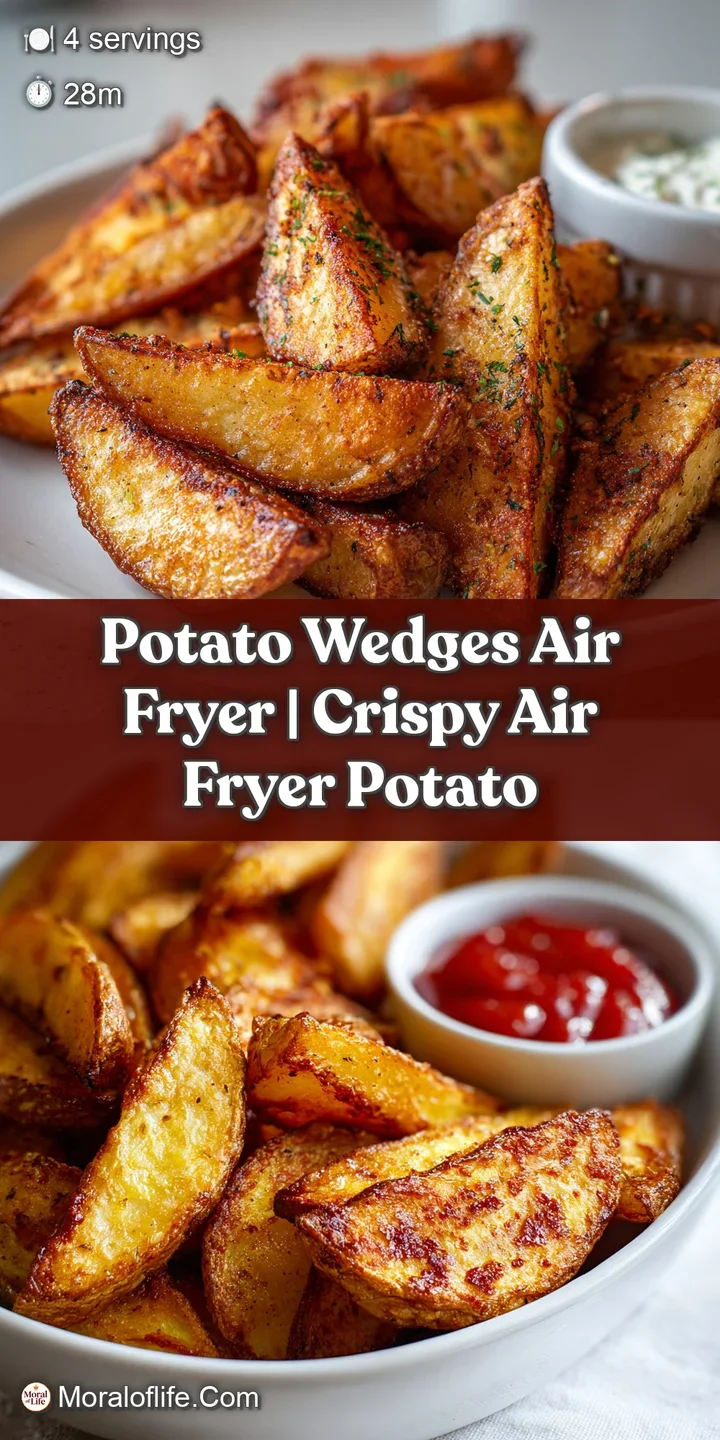
Potato Wedges Air Fryer: Crispy & Smoky
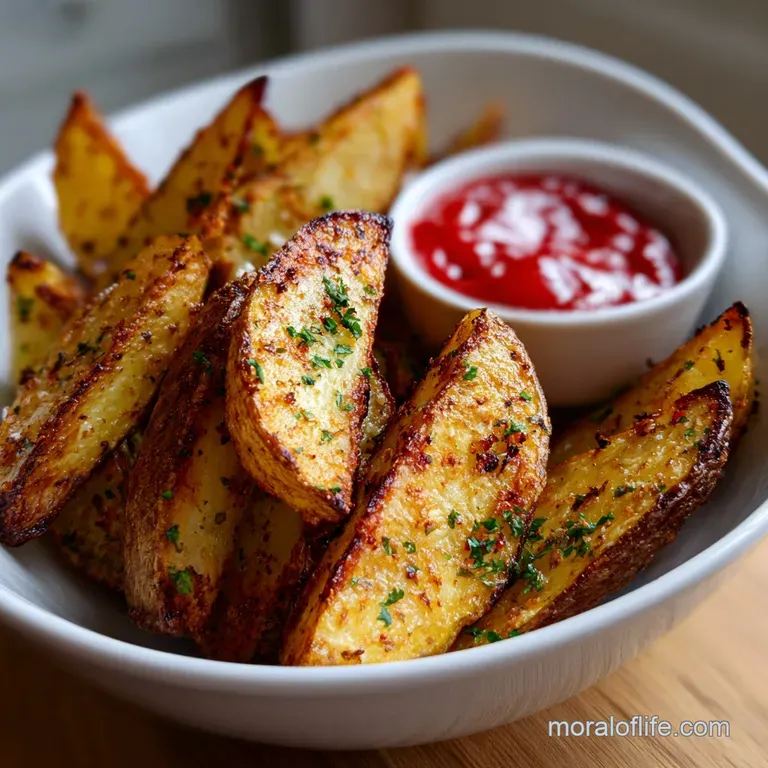
- Time: Active 10 minutes, Passive 18 minutes, Total 28 minutes
- Flavor/Texture Hook: Shatter crisp exterior with a bold, smoky spice finish
- Perfect for: Game day snacks, quick weeknight sides, or beginner meal prep
- Mastering the Chemistry of Starch and Convection Heat
- Essential Metrics for Achieving Golden Brown Spud Perfection
- Building Bold Flavors with Simple Pantry Staple Spices
- The Minimalist Kitchen Tools Required for Crispy Success
- Layering Textures Through Strategic Cutting and Cooking Steps
- Correcting Common Flaws for Consistently Fluffy Results
- Flavor Adaptations and Simple Ingredient Swap Possibilities
- Keeping Your Leftover Wedges Fresh and Reheated Perfectly
- Creative Serving Ideas to Complement Your Bold Potato Side
- Recipe FAQs
- 📝 Recipe Card
You know that specific sound when you bite into a proper wedge? It’s not just a crunch; it’s a distinct shatter that echoes in your teeth before hitting that fluffy, steamy center.
Last Friday, I was craving that exact sensation, but the thought of standing over a pot of bubbling, spitting oil made me want to order takeout instead. I’ve spent way too many nights dealing with limp, oil logged potatoes that feel more like wet sponges than actual food.
Then I remembered my air fryer sitting on the counter, practically begging for a chance to shine. I tossed 1.5 lbs of Russets with a bit of avocado oil and some pantry staples, and the result was honestly life changing. No messy oil splatters, no heavy cleanup, and the kitchen smelled like a high end steakhouse.
Trust me, once you nail this method, you'll never look at a frozen bag of fries the same way again. It’s homey, bold, and ridiculously easy.
But we aren't just tossing potatoes in a basket and hoping for the best. I’ve learned the hard way that a few small tweaks make the difference between "okay" and "I need to eat this entire batch right now." We’re talking about strategic starch management and heat distribution.
Let's get into the nitty gritty of why this works so well so you can replicate that golden glow every single time.
Mastering the Chemistry of Starch and Convection Heat
The Physics of the Potato Pore: Rapid air circulation strips away surface moisture instantly, allowing the natural starches to dehydrate and form a rigid, crispy lattice. This creates a pressurized environment inside the wedge that steams the potato from the inside out, ensuring a velvety texture.
Chef Tip: For a truly unconventional crunch, toss your oiled wedges in a teaspoon of cornstarch before the spices. It creates an ultra thin, glass like coating that stays crispy for twice as long.
| Cook Method | Time | Texture | Best For |
|---|---|---|---|
| Air Fryer | 18 minutes | Shatter crisp & fluffy | Maximum crunch, minimum oil |
| Standard Oven | 35-40 minutes | Chewy & soft | Large batches for crowds |
| Deep Frying | 10 minutes | Greasy & crunchy | Traditionalists with a vent hood |
Choosing the right method depends on your patience and how much you value your clean countertops. For me, the air fryer wins every single time because it mimics the results of a professional convection oven in a fraction of the space. If you find yourself enjoying these, you might also love the technique used in my Air Fryer Fingerling Potatoes recipe for a slightly different texture profile.
Essential Metrics for Achieving Golden Brown Spud Perfection
| Component | Science Role | Pro Secret |
|---|---|---|
| Russet Potatoes | High starch content | Russets have the lowest moisture, which is the key to that floury, soft interior. |
| Avocado Oil | High smoke point | Withstands 400°F without breaking down or tasting bitter like some delicate oils. |
| Smoked Paprika | Maillard reaction aid | The sugars in the paprika caramelize quickly, giving you that deep red, "burnt" look without the char. |
When it comes to the science of the spud, the variety you pick is your foundation. Russets are the undisputed kings here because their cell structure is drier. If you try this with waxy red potatoes, you'll get something tasty, but it’ll be closer to a roasted potato than a classic wedge.
We want that specific density that only a starch heavy Russet provides.
Building Bold Flavors with Simple Pantry Staple Spices
Gather these ingredients before you start. Keeping everything measured out ensures the potatoes don't sit around oxidizing and turning gray while you hunt for the onion powder.
- 1.5 lbs Russet potatoes: Look for firm, unblemished spuds. Why this? They provide the high starch base necessary for a fluffy internal crumb.
- 2 tbsp Avocado oil: Or any neutral, over high heat oil. Why this? It coats the potato evenly and conducts heat for even browning.
- 1 tsp Smoked Paprika: Use the good stuff. Why this? Adds a rich, wood fired aroma without needing a grill.
- 1 tsp Garlic powder: Fine ground is best. Why this? It sticks to the oil better than fresh garlic, which often burns.
- 1/2 tsp Onion powder: For that savory "umami" kick. Why this? Complements the garlic to create a classic "savory" profile.
- 1 tsp Sea salt: Fine grain. Why this? Dissolves into the oil to season the potato deeply.
- 1/2 tsp Cracked black pepper: Freshly cracked if possible. Why this? Adds a subtle heat that cuts through the starch.
If you're out of avocado oil, you can swap it for light olive oil (not extra virgin!) or even melted ghee for a nutty flavor. Just avoid butter, as the milk solids will burn at the temperatures we’re using, leaving you with bitter, black specks.
The Minimalist Kitchen Tools Required for Crispy Success
You don't need a professional kitchen, but a few specific tools make this much easier. A sharp chef's knife is non negotiable for getting clean, even wedges. If your cuts are uneven, the small ones will turn into charcoal while the big ones stay raw in the middle.
A large mixing bowl is also essential. You want enough room to aggressively toss the potatoes so every single millimeter of surface area is slicked with oil and spices. This isn't the time for a gentle stir; we want that seasoning forced into the crevices.
Finally, a reliable air fryer, like a Ninja or a Cosori, will ensure the air moves fast enough to create that signature "shatter" we’re looking for.
Layering Textures Through Strategic Cutting and Cooking Steps
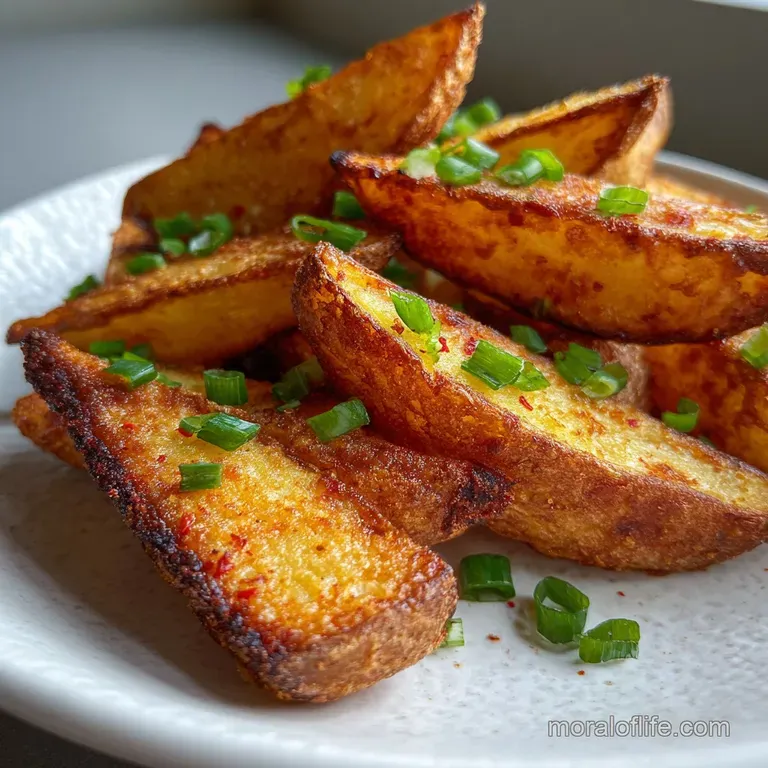
- Prep the potatoes. Scrub the Russets clean but keep the skins on. Note: The skin provides structural integrity and a massive boost in texture.
- Slice into wedges. Cut each potato in half lengthwise, then into quarters, and finally into eighths. Ensure they are roughly equal in size.
- Perform a quick soak. Submerge the wedges in cold water for 5 minutes. Note: This removes excess surface starch that causes sticking and sogginess.
- Dry thoroughly. Use a clean kitchen towel to pat every wedge until bone dry. Dry potatoes equal crispy potatoes.
- Whisk the infusion. In your large bowl, combine the 2 tbsp avocado oil with all the dry spices.
- Coat the wedges. Toss the potatoes in the oil mixture until they are vibrant orange and fully coated.
- Preheat the fryer. Set your air fryer to 400°F for 3 minutes before adding the food.
- Arrange the basket. Place wedges in a single layer, ensuring they aren't overlapping.
- Air fry. Cook for 18 minutes, shaking the basket halfway through. Cook until the edges are dark golden and sizzling.
- Rest and serve. Let them sit for 2 minutes in the basket after the timer goes off. Note: This allows the steam to redistribute so the skins stay crunchy.
The real secret here is that 5 minute soak. It seems like an annoying extra step, but when you see how cloudy that water gets, you'll realize all that starch was standing between you and the perfect crunch. After you've mastered these, they pair beautifully with a protein heavy main, like my Air Fryer Chicken Tenders recipe.
Correcting Common Flaws for Consistently Fluffy Results
Surface Starch Removal for Maximum Crunch
When you cut a potato, you release microscopic starch molecules. If left on the surface, these turn into a gummy glue during cooking. By soaking and drying, you're essentially preparing a clean canvas for the oil to bond with, leading to a much more resilient crust.
The Thermal Convection Advantage
Most people overcrowd their baskets. When wedges touch, they trap steam between them. Instead of "frying" in air, they "steam" in each other’s moisture. If you have to work in two batches, do it. The quality difference is astronomical.
| Problem | Root Cause | Solution |
|---|---|---|
| Soggy wedges | Excess moisture or overcrowding | Pat dry with a towel and cook in a single layer. |
| Burnt spices | Spices weren't mixed with oil | Always emulsify spices in the oil before adding potatoes. |
| Raw centers | Wedges were cut too thick | Keep wedges to about 1 inch thickness at the widest part. |
Common Mistakes Checklist
- ✓ Never skip the preheat; adding potatoes to a cold fryer leads to oil absorption instead of searing.
- ✓ Don't use "light" cooking sprays; use actual oil for a better thermal bond.
- ✓ Avoid peeling the potatoes; the skin is where the most flavorful "crunch" happens.
- ✓ Check your wedges at the 15 minute mark, as every air fryer brand runs at slightly different intensities.
- ✓ Salt the wedges again immediately after they come out while the surface oil is still hot.
Flavor Adaptations and Simple Ingredient Swap Possibilities
If you want to deviate from the classic smoky profile, the base method remains the same. You can easily pivot to a Mediterranean vibe by swapping the paprika for dried oregano and adding a squeeze of fresh lemon juice at the end.
Or, go for a "loaded" version by tossing them in parmesan cheese during the last 2 minutes of cooking.
| Original Ingredient | Substitute | Why It Works |
|---|---|---|
| Russet Potatoes | Yukon Gold | Creamier interior, but slightly less crispy skin. |
| Avocado Oil | Ghee (melted) | Adds a rich, buttery flavor with a high smoke point. Note: Changes the aroma significantly. |
| Smoked Paprika | Chili Powder | Provides a darker color and a more earthy, Tex Mex heat. |
Handling Air Fryer Potato Wedges Frozen
If you're using the pre cut frozen bags, don't thaw them! Toss them straight into the fryer at 400°F for about 15-20 minutes. The factory flash freezing process actually helps the starch stay intact, which is why frozen fries can sometimes be even crispier than fresh ones.
Keeping Your Leftover Wedges Fresh and Reheated Perfectly
Storage Guidelines: These will stay good in the fridge for up to 4 days. Store them in an airtight glass container once they have cooled completely to room temperature. Putting hot potatoes in a closed container will create steam, which makes them mushy.
Zero Waste Tip: If you have leftovers that have lost their crunch, don't toss them! Chop them up into small cubes and use them as a base for a breakfast hash the next morning.
They’ve already been seasoned and par cooked, so they’ll crisp up in a skillet with some onions and peppers in minutes.
Freezing: You can freeze cooked wedges for up to 3 months. To reheat, don't use the microwave (it'll turn them into rubber). Pop them back into the air fryer at 350°F for 5 minutes. They’ll regain about 90% of their original "shatter" factor.
Creative Serving Ideas to Complement Your Bold Potato Side
The Classic Steakhouse Pairing
Nothing beats a pile of these next to a juicy ribeye or a thick burger. The bold smoke from the paprika cuts right through the richness of the meat. If you’re looking for a complete air-fried feast, serve these alongside some Air Fryer Chicken Wings for a pub style dinner at home.
The Ultimate Dip Flight
Don't settle for basic ketchup. I love serving these with a "flight" of sauces: a spicy chipotle mayo, a cool garlic aioli, and maybe a tangy honey mustard. The wedge shape is essentially a vessel for sauce, so pick something with some body.
Debunking Kitchen Myths
- Myth: You must soak potatoes for 2 hours. Truth: 5 minutes in cold water is enough to remove the surface starch that causes sticking. Longer soaks help with browning, but aren't necessary for a quick weeknight meal.
- Myth: Air fryers don't need oil. Truth: While you use less oil, you still need some. Without a fat source, the spices won't stick, and the potato skin will simply dehydrate and become tough rather than crispy.
So, there you have it. No more sad, soggy potatoes. Just bold, homey, shatter crisp wedges that actually taste like you put effort into them. Let me know how yours turn out and don't forget that pinch of cornstarch if you're feeling adventurous!
Recipe FAQs
How do you cook potato wedges in the air fryer?
Slice, soak, dry, season, and air fry. First, cut potatoes into wedges and soak them in cold water for 5 minutes to remove excess starch. Pat them completely dry with a towel, toss with oil and seasonings, and then air fry at 400°F for about 18 minutes, shaking halfway through, until golden brown and crispy.
What temperature is best for air frying wedges?
400°F (200°C) is ideal. This high temperature promotes rapid browning and crisping of the exterior while allowing the interior to steam and become fluffy. A preheated air fryer is crucial for achieving that signature shatter crisp texture.
Why soak potatoes in water before air frying?
To remove excess surface starch. Soaking potatoes in cold water for about 5 minutes helps to draw out surface starch, which prevents them from clumping together and ensures a crispier exterior rather than a gummy one. This is a key step in achieving that restaurant quality crunch.
Can I put raw potatoes in an air fryer?
Yes, but preparation is key. Raw potatoes can absolutely go into the air fryer, but they need to be cut into uniform wedges, thoroughly dried after a quick soak, and then seasoned properly to ensure even cooking and crisping.
Do I need to preheat the air fryer for potato wedges?
Yes, preheating is highly recommended. Placing your seasoned wedges into a preheated air fryer helps to immediately begin the crisping process, creating a better seal on the outside and preventing the potatoes from absorbing too much oil.
It’s similar to how you’d preheat an oven for roasting.
How long should potato wedges cook in an air fryer?
Typically 18-20 minutes. At 400°F, most potato wedges will be perfectly crisp and fluffy within this timeframe. Remember to shake the basket halfway through cooking to ensure even browning on all sides for consistent results.
Can I use any type of potato for air fryer wedges?
Russet potatoes are best for classic wedges. Their high starch content and lower moisture create a fluffy interior and a crispy exterior. While you can use others like Yukon Golds for a creamier texture, Russets offer the most traditional wedge result.
Potato Wedges Air Fryer
Ingredients:
Instructions:
Nutrition Facts:
| Calories | 201 calories |
|---|---|
| Protein | 3.5 g |
| Fat | 7.1 g |
| Carbs | 31.4 g |
| Fiber | 2.3 g |
| Sugar | 1.1 g |
| Sodium | 582 mg |
