Pumpkin Pie Cheesecake Recipe with Gingersnap Crust
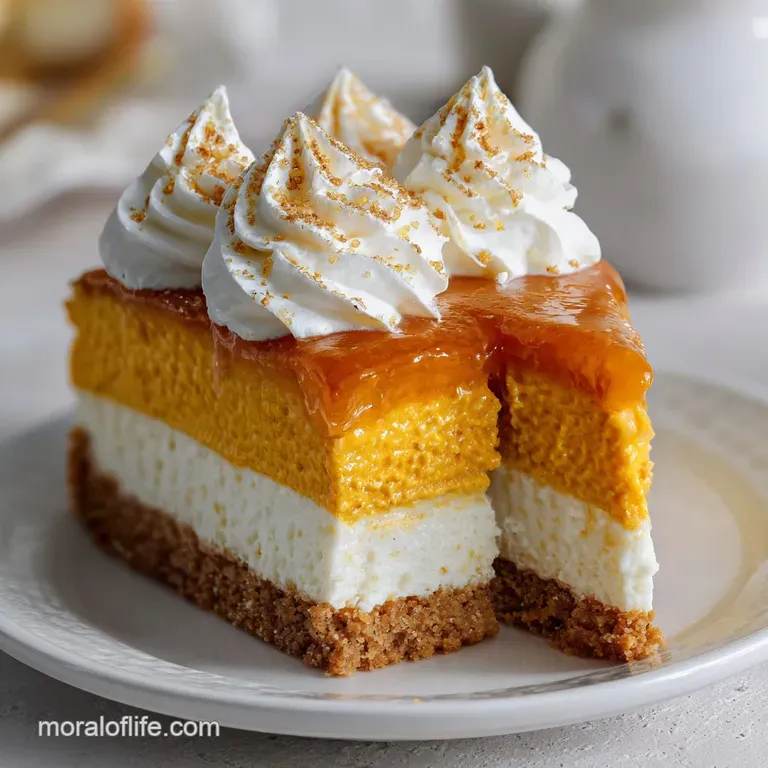
- Time: Active 20 minutes, Passive 55 minutes, Total 1 hour 15 minutes (plus chilling)
- Flavor/Texture Hook: Velvety pumpkin cream with shatter crisp gingersnap crust
- Perfect for: Thanksgiving dessert or any cozy autumn gathering
- Best creamy pumpkin pie cheesecake recipe guide
- The science of creamy texture
- Essential prep and timing data
- Fresh ingredients for better flavor
- Tools for a silky finish
- Step by step baking guide
- Solving common baking issues
- Creative ways to change flavors
- Keeping your leftovers fresh
- Gorgeous garnish and pairing ideas
- Recipe FAQs
- 📝 Recipe Card
Best creamy pumpkin pie cheesecake recipe guide
The smell of warm cinnamon and toasted ginger hitting the oven air is something I never get tired of. Honestly, there's a specific moment when the butter melts into the gingersnap crumbs that just feels like home. I remember the first time I tried making this for a family dinner.
I was so worried about the surface cracking that I stared at the oven door for forty minutes. It turned out that the "jiggle" is actually your best friend, not something to fear!
We’ve all had those cheesecakes that feel like a brick or, worse, ones that taste like canned pumpkin and nothing else. This version is different. We're aiming for a texture that’s closer to a cloud than a block of cheese.
It’s light, it’s spicy, and it has that beautiful marble swirl that makes everyone think you spent hours in the kitchen. But between us? It’s mostly about the mixing order and the temperature of your ingredients.
I’ve made every mistake in the book so you don’t have to. I’ve forgotten to room temp the cream cheese (hello, lumpy batter) and I’ve overbaked the edges until they were dry. This guide is all about getting it right the first time.
We’re going to focus on that velvety finish and a crust that stays crisp instead of turning into a soggy mess. Right then, let’s get the oven preheated and talk about why this works.
The science of creamy texture
Protein Coagulation Control: Eggs provide the structure here, but too much heat makes them "clump," which causes cracks. By baking at a steady temperature and using a water bath, we slow down this process for a silky finish.
Emulsification Stability: Room temperature fats (cream cheese and sour cream) bond more easily with the moisture in pumpkin. This creates a uniform batter that doesn't separate or "weep" while it sets in the fridge.
Moisture Barrier Engineering: Pre baking the gingersnap crust for a few minutes creates a "seal." This prevents the wet cheesecake batter from soaking into the crumbs, keeping the bottom shatter crisp.
| Cook Time | Internal Temp | Center Texture | Visual Cue |
|---|---|---|---|
| 45 mins | 140°F | Very liquid | Sloshes when moved |
| 55 mins | 150°F | Soft jiggle | 2 inch center wobble |
| 65 mins | 160°F | Firm/Dense | No movement at all |
This table helps you catch the cake at the exact right moment. If you wait until the whole thing is firm, you've overcooked it, and it will likely crack as it cools. You want that slight "Jell O" wobble in the center two inches.
Essential prep and timing data
The chemistry of the "set" is what makes or breaks a cheesecake. When we mix the pumpkin purée with the brown sugar and spices, we're actually creating a denser batter than the plain white cheesecake base.
This difference in density is what allows the swirl to stay distinct instead of just muddying together into a beige mess.
| Ingredient | Science Role | Pro Secret |
|---|---|---|
| Cream Cheese | Structural fat | Use full fat for a velvety mouthfeel every time |
| Sour Cream | Acidic tenderizer | Breaks down protein chains for a softer bite |
| Large Eggs | Binding agent | Add one at a time to avoid trapping air bubbles |
| Pumpkin Purée | Moisture & Fiber | Blot with paper towels to intensify the flavor |
If you love the flavor profile of this bake, you might also enjoy my Pumpkin Loaf Recipe for a simpler morning treat. It uses many of the same spices but focuses on a crumb texture rather than a custard one.
Fresh ingredients for better flavor
- 2 cups gingersnap cookie crumbs: Why this? Provides a spicy, sharp contrast to the sweet filling. (Sub: Graham crackers with 1 tsp ground ginger)
- 6 tbsp unsalted butter, melted: Why this? Binds the crumbs together for a solid base. (Sub: Salted butter, skip the pinch of salt)
- 2 tbsp granulated sugar: Why this? Helps the crust caramelize and hold its shape. (Sub: Brown sugar for a chewier crust)
- 1 pinch kosher salt: Why this? Sharpens the flavors of the spices and chocolate. (Sub: Table salt, use half the amount)
- 24 oz full fat cream cheese, room temperature: Why this? The foundation of the entire cake's structure. (Sub: Neufchatel for a lighter version, but it's less creamy)
- 3/4 cup granulated sugar: Why this? Sweetens without adding extra moisture. (Sub: Caster sugar for easier dissolving)
- 1/2 cup sour cream, room temperature: Why this? Adds a necessary tang to cut through the fat. (Sub: Full fat Greek yogurt)
- 2 tsp vanilla bean paste: Why this? Provides deep floral notes and beautiful flecks. (Sub: Vanilla extract)
- 3 large eggs, room temperature: Why this? Sets the custard as it bakes. (Sub: Vegan egg replacer, though texture will change)
- 1 cup pumpkin purée: Why this? Use 100% pumpkin, not pie filling. (Sub: Roasted butternut squash purée)
- 1/4 cup light brown sugar, packed: Why this? Adds molasses notes to the pumpkin layer. (Sub: Dark brown sugar for deeper flavor)
- 1.5 tsp pumpkin pie spice: Why this? A shortcut to that classic autumn aroma. (Sub: Mix of cinnamon, nutmeg, and cloves)
- 1 tbsp all purpose flour: Why this? Stabilizes the pumpkin swirl to prevent weeping. (Sub: Cornstarch)
| Original Ingredient | Substitute | Why It Works |
|---|---|---|
| Sour Cream | Greek Yogurt (full fat) | Similar acidity and fat content. Note: Slightly tangier finish. |
| Gingersnaps | Graham Crackers | Neutral base. Note: Needs extra cinnamon to match the spice. |
| Vanilla Bean Paste | Vanilla Extract | Same flavor profile. Note: You lose the visual black specks. |
Choosing the right ingredients is half the battle. If you find yourself with extra cookies after making the crust, they are fantastic when crumbled over a Pumpkin Pie Cookie recipe for double the crunch.
Tools for a silky finish
You don't need a professional kitchen, but a 9 inch springform pan is non negotiable here. It allows you to release the sides without destroying the delicate edges of the cheesecake. I also highly recommend using a stand mixer with the paddle attachment rather than a whisk.
The whisk incorporates too much air, which leads to those annoying bubbles on the surface that eventually pop and cause cracks.
A large roasting pan is also essential for the water bath. The water acts as a buffer, ensuring the edges don't cook faster than the center. If you're worried about leaks, I have a trick for you: use a slow cooker liner or two layers of heavy duty foil around the base of your springform pan.
It’s a literal lifesaver for your crust.
step-by-step baking guide
1. Building the crust base
Mix 2 cups gingersnap crumbs, 6 tbsp melted butter, 2 tbsp sugar, and a pinch of salt. Press this firmly into the bottom of a 9 inch springform pan. Note: Use the bottom of a measuring cup to get a perfectly flat, even surface. Bake at 350°F for 8 minutes until the kitchen smells like toasted ginger.
2. Mixing the creamy batter
Beat 24 oz cream cheese and 3/4 cup granulated sugar in a stand mixer on medium speed. Note: Scrape the bowl often to ensure no tiny cream cheese lumps remain. Add 1/2 cup sour cream and 2 tsp vanilla bean paste, mixing until the batter looks like thick silk.
3. Incorporating the eggs
Add 3 large eggs one at a time on the lowest speed. Note: Overbeating at this stage is the #1 cause of cracks. Mix just until the yellow streaks disappear into the white base.
4. Creating the pumpkin layer
In a separate small bowl, whisk 1 cup pumpkin purée, 1/4 cup light brown sugar, 1.5 tsp pumpkin pie spice, and 1 tbsp flour. Fold in 1 cup of the plain cheesecake batter until the color is a uniform, soft orange.
5. Creating the marble swirl
Pour the plain batter into the crust, then drop spoonfuls of the pumpkin mixture on top. Use a butter knife to gently swirl the two together. Note: Don't over swirl or the colors will just blend into a muddy tan.
6. Baking and cooling steps
Place the pan in a water bath and bake at 325°F for 55 minutes. Note: Check for that 2 inch center jiggle. Turn off the oven and crack the door, letting it sit inside for 1 hour until the steam gently dissipates.
7. Setting the final cake
Remove from the oven and run a thin knife around the edge to loosen the sides. Note: This prevents the cake from pulling and cracking as it shrinks. Chill in the fridge for at least 6 hours until the center feels firm and cold.
Solving common baking issues
Why Your Cheesecake Cracked
Cracks usually happen because of a sudden change in temperature or overbeating the eggs. When you beat eggs at high speed, you're whisking in air. In the oven, those air bubbles expand and then collapse, leaving a canyon in your cake.
Also, if the cake sticks to the side of the pan as it cools and shrinks, it will pull itself apart in the middle.
Preventing the Soggy Bottom
A soggy crust is almost always a result of water leaking in from the water bath. Even three layers of foil can sometimes fail. The trick is to use "heavy duty" foil and ensure the sheets are wide enough to go all the way up the sides of the pan without any seams on the bottom or sides where water could seep in.
| Problem | Root Cause | Solution |
|---|---|---|
| Lumpy Batter | Cold Cream Cheese | Microwave cheese in 10 sec bursts until soft |
| Surface Cracks | Overbaking | Pull cake when the center still jiggles |
| Leaky Crust | Poor Foil Seal | Use a silicone pan protector or roasting bag |
Common Mistakes Checklist
- ✓ Never use "tub" cream cheese; always use the blocks (the water content is different).
- ✓ Tap the filled pan on the counter 5 times to release trapped air bubbles.
- ✓ Ensure the water for the water bath is hot, not cold, when you pour it in.
- ✓ Resist the urge to open the oven door during the first 45 minutes of baking.
- ✓ Always use 100% pure pumpkin purée, not "Pumpkin Pie Mix" which contains syrup.
Creative ways to change flavors
If you're looking for a "no bake pumpkin pie cheesecake recipe" vibe, you can actually adapt this by skipping the eggs and adding 1 cup of whipped heavy cream to the batter, then chilling it overnight. It won't have the same custard density, but it’s perfect for a hot day when you don't want to turn on the oven.
For a "mini pumpkin pie cheesecake recipe," use a standard muffin tin with liners. Press a tablespoon of crust into each, then fill with the layers. Bake for only 18-22 minutes. These are a massive hit at parties because they're already portioned and don't require a knife and fork.
| Method | Time | Texture | Best For |
|---|---|---|---|
| Traditional Oven | 55 mins | Custard like | Holiday dinners |
| Stovetop Steam | 40 mins | Ultra moist | Small kitchens |
| Air Fryer (Mini) | 15 mins | Crispy edges | Quick cravings |
Keeping your leftovers fresh
Storage: This cheesecake stays fresh in the fridge for up to 5 days. I actually think the flavor is better on day two because the spices have more time to bloom into the cream cheese.
Keep it covered with plastic wrap or in an airtight container so it doesn't absorb "fridge smells" like onions or leftovers.
Freezing: You can freeze this! Wrap the entire cake (or individual slices) tightly in plastic wrap, then a layer of foil. It will last for 2 months. Thaw it in the fridge overnight before serving. Do not thaw it on the counter, or the condensation will make the crust mushy.
Zero Waste: If you have leftover pumpkin purée from the can (since this only uses 1 cup), don't toss it. You can stir it into oatmeal, mix it into a dog's dinner for a shiny coat, or freeze it in an ice cube tray for your next smoothie.
Gorgeous garnish and pairing ideas
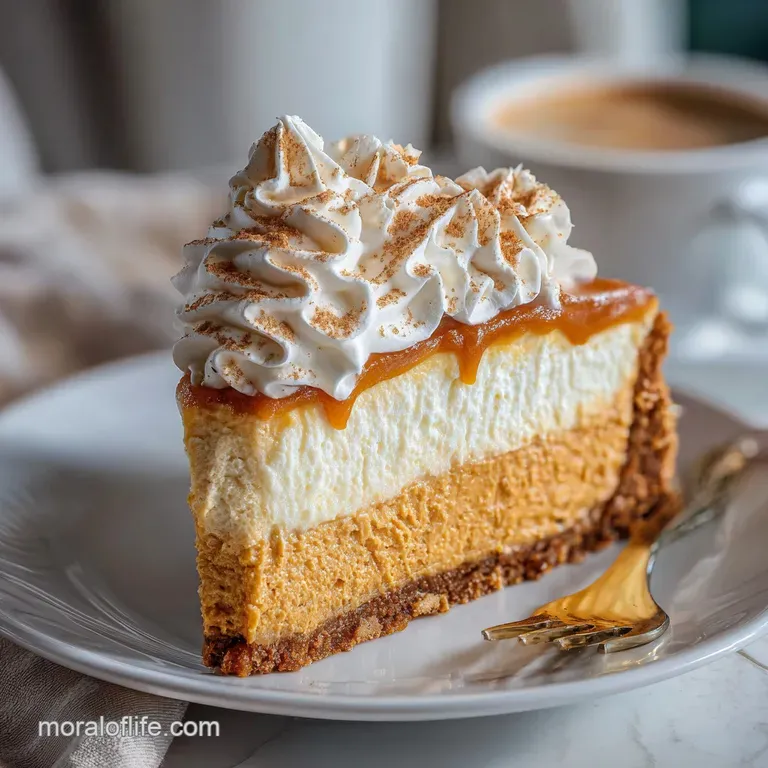
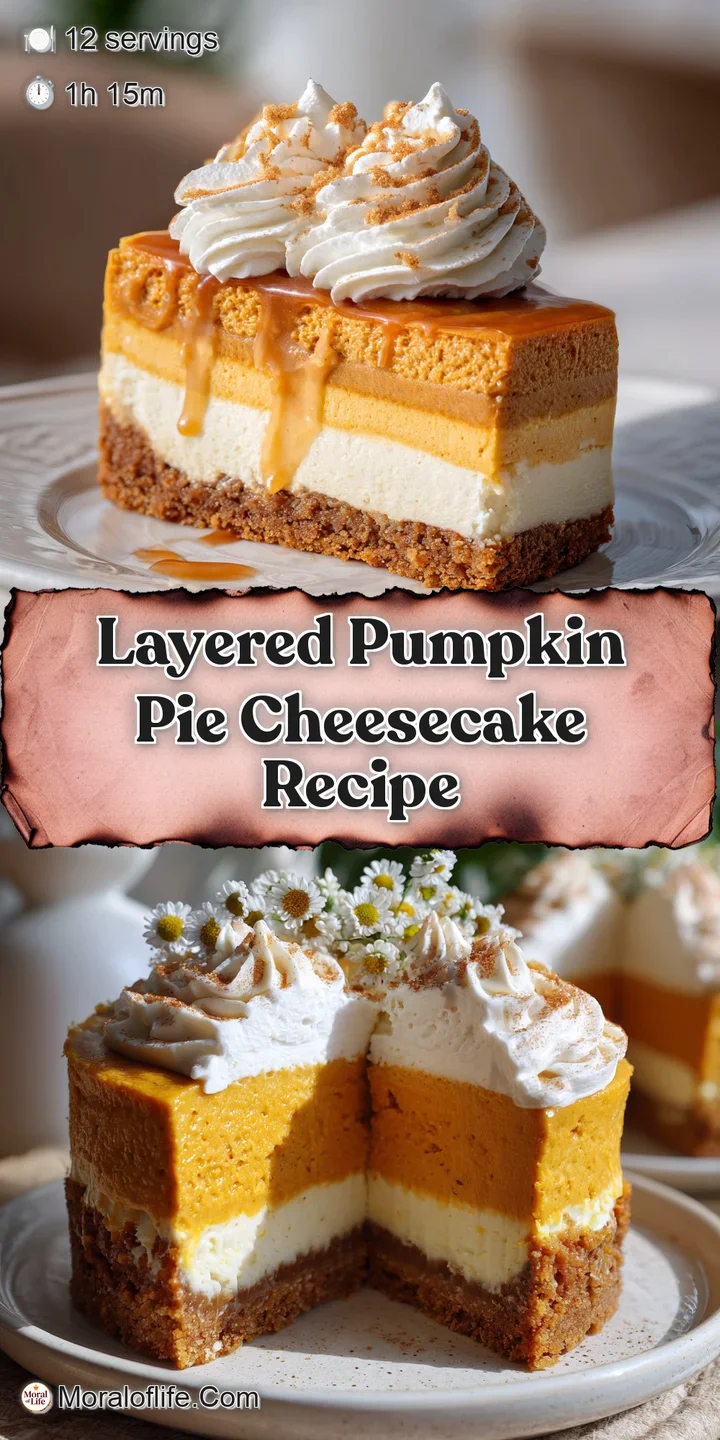
To hit that perfect color balance, I recommend three specific accents. First, a dollop of stark white whipped cream in the center of each slice. Second, a sprinkle of bright green pepitas (pumpkin seeds) for crunch and a pop of color. Finally, a light dusting of copper colored cinnamon right before serving.
Add these accents just before the cake hits the table. If you put the whipped cream on too early, it might deflate or slide off the silky surface. If you're feeling fancy, a drizzle of warm salted caramel over the pumpkin swirl creates a beautiful "dripping" effect that looks professional but takes about thirty seconds to do.
Chef's Tip: For the cleanest slices, dip a long thin knife into a tall glass of hot water and wipe it dry between every single cut. The heat slices through the cold fat like a hot wire through butter.
If you find yourself with extra pumpkin spice and ginger, try making a batch of Pumpkin Streusel Muffins recipe the next morning. They use a similar flavor profile but offer a much more casual, handheld experience for breakfast. It’s a great way to use up the last of those pantry spices!
Recipe FAQs
Can I substitute low-fat cream cheese for full fat?
No, avoid substitution if possible. low-fat versions introduce more water, significantly increasing the risk of weeping and a less velvety texture.
How to prevent the gingersnap crust from becoming soggy?
Bake the crust first for 8 minutes at 350°F. This slight pre-bake creates a fat barrier that seals the crumbs against the wet cheesecake batter.
What is the ideal internal temperature to pull the cheesecake from the oven?
Pull it when the center registers 150°F. The residual heat will carry the internal temperature up to the safe 160°F mark while it cools in the turned off oven, ensuring a creamy center.
How to achieve a perfectly smooth, non-lumpy batter?
Ensure all dairy ingredients (cream cheese, sour cream) are fully room temperature. If they are cold, they will not emulsify properly, which causes lumps that remain even after baking.
Is it true that using a water bath is optional for this recipe?
No, the water bath is essential for this custard style cake. It regulates the heat, preventing the edges from setting too quickly, which is the primary cause of cracking.
How do I get a distinct, non-muddy swirl between the pumpkin and plain layers?
Fold the pumpkin mixture gently into just one cup of the base batter before layering. This controlled addition keeps the densities separate enough to swirl rather than fully combine.
How to make mini versions for a party?
Fill a lined muffin tin with crust mixture and bake for 20 minutes at 325°F. Mastering heat control on these small batches is similar to regulating the heat in the oven when making our Sweet Potato Cookies recipe; precision is key.
Pumpkin Pie Cheesecake Recipe
Ingredients:
Instructions:
Nutrition Facts:
| Calories | 440 calories |
|---|---|
| Protein | 6.5g |
| Fat | 30g |
| Carbs | 37g |
| Fiber | 1g |
| Sugar | 28g |
| Sodium | 200mg |
