Fall Dinner Recipe with Roasted Butternut and Gnocchi
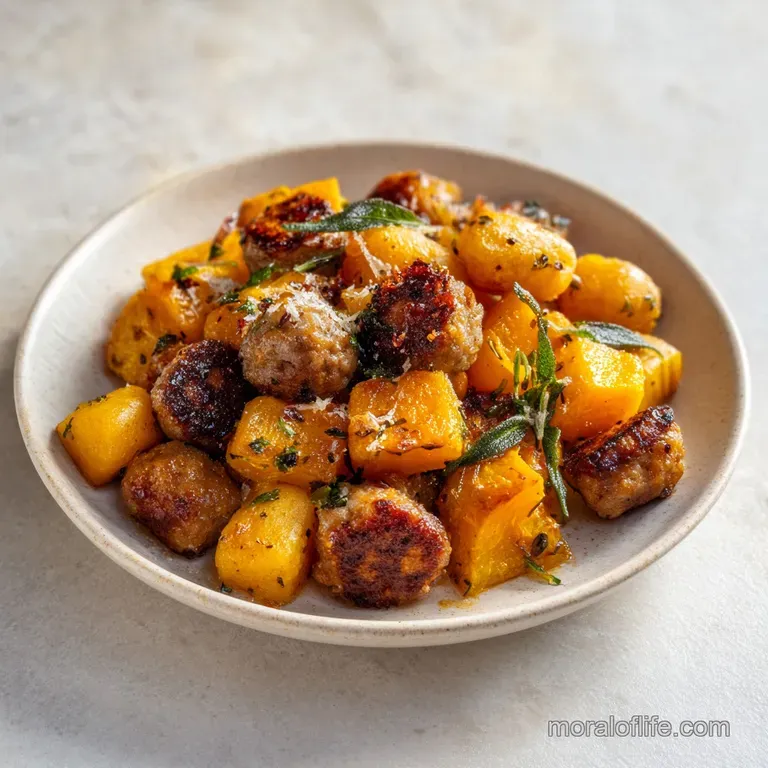
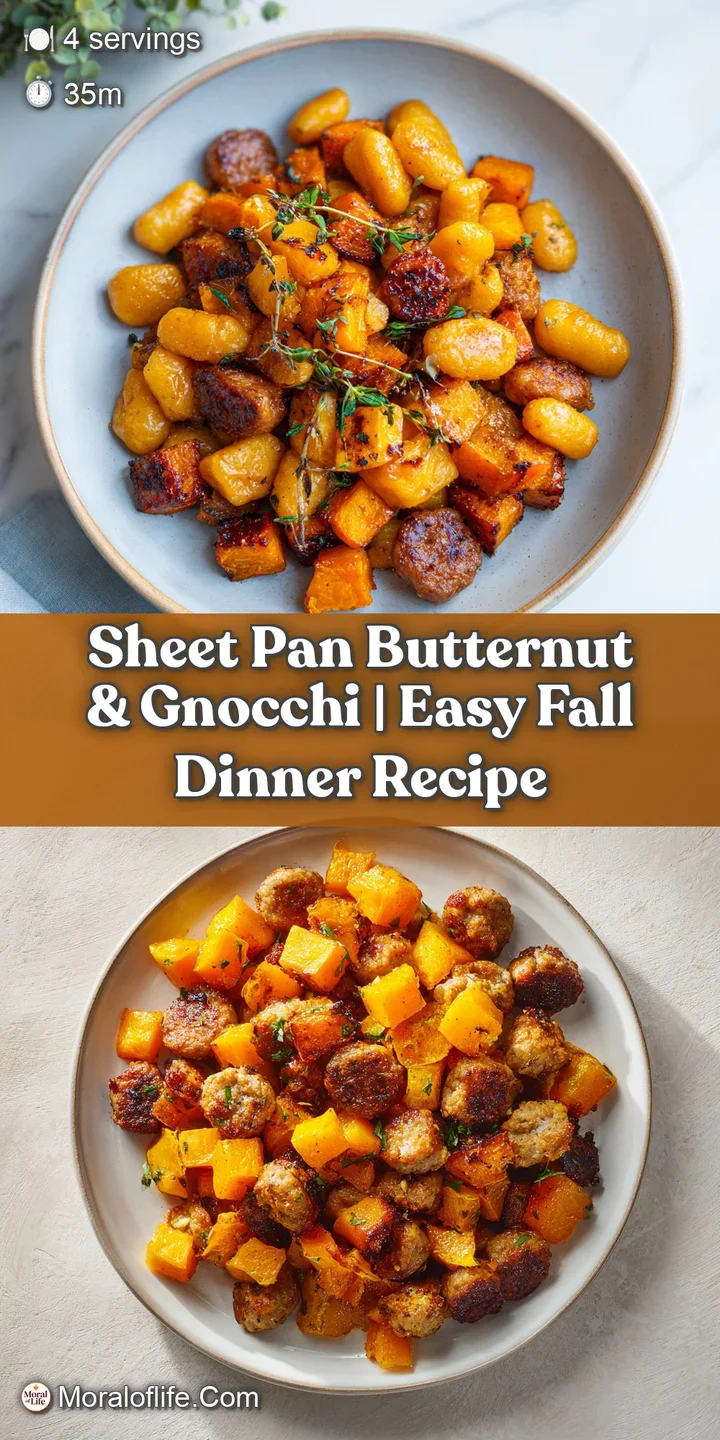
- Time: Active 10 minutes, Passive 25 minutes, Total 35 minutes
- Flavor/Texture Hook: Velvety roasted squash meets crispy, golden gnocchi and herbaceous sage.
- Perfect for: Stress free weeknight dinners or a cozy autumn meal prep.
- A Simple Fall Dinner Recipe with Roasted Butternut
- Why This Sheet Pan Method Works
- The Chemistry of Primary Components
- Gathering Your Fresh Autumn Essentials
- Minimal Equipment for Easier Cleanup
- From Initial Prep to Golden Plate
- Troubleshooting Guide for Better Roasting
- Dietary Adaptations for Every Table
- Freezing and Reheating Guide for Leftovers
- Creative Serving Suggestions and Pairings
- Kitchen Myths Debunked
- Very High in Sodium
- Recipe FAQs
- 📝 Recipe Card
A Simple Fall Dinner Recipe with Roasted Butternut
The kitchen currently smells like a crisp October afternoon, and it’s all thanks to the magic of a hot sheet pan. There’s something truly grounding about the aroma of sage hitting hot sausage fat and the sweet, nutty scent of squash caramelizing in a hot oven.
This fall, cozy up with this standout dinner recipe featuring roasted butternut squash. I remember the first time I tried roasting gnocchi instead of boiling it; I was skeptical, thinking it might turn into rubbery little pebbles.
Instead, I discovered a world where the outside gets a delicate shatter while the inside stays pillowy and soft.
Honestly, this recipe was born out of a Tuesday where I just couldn't face the stovetop. We've all been there, right? The thought of waiting for a massive pot of water to boil, only to have to drain it and wash the colander, felt like a mountain I wasn't ready to climb.
I tossed everything onto a rimmed baking sheet, crossed my fingers, and hoped for the best. What came out was better than any stovetop version I'd ever made. It’s dependable, it’s comforting, and it has become a total repeat with confidence meal in our house.
We're talking about a dinner that feels sophisticated enough for guests but is actually easy enough to pull off while you're half listening to a podcast or helping with homework. This is a real deal, one pan wonder that doesn't sacrifice flavor for convenience.
You get these little pockets of savory sausage, the sweetness of the squash, and that hit of balsamic at the end that just ties everything together. Trust me, once you see how the gnocchi transforms in the oven, you'll never go back to the boiling pot again.
Why This Sheet Pan Method Works
- Fat Driven Roasting: The rendered fat from the Italian sausage acts as a flavorful frying medium for the gnocchi, creating a golden crust without extra oil.
- Starch Gelatinization: By roasting shelf stable gnocchi dry, the surface starches dehydrate and crisp up while the internal moisture remains trapped, keeping the center tender.
- Concentrated Sugars: over High heat roasting evaporates the water in the butternut squash, concentrating its natural sugars through caramelization rather than diluting them in boiling water.
- Herbaceous Infusion: The sage leaves "fry" in the residual oil on the pan, turning them into crispy chips that release their aromatic oils directly into the surrounding ingredients.
| Method | Time | Texture | Cleanup Level |
|---|---|---|---|
| Sheet Pan Roasting | 25 minutes | Crispy exterior, soft center | Minimal (One pan) |
| Traditional Stovetop | 40 minutes | Soft, pillowy, slightly gummy | High (Pots, pans, colander) |
| Air Fryer | 15 minutes | Maximum crunch, can be dry | Medium (Basket cleanup) |
Choosing the right approach depends on your mood, but for this specific dinner recipe with roasted butternut squash, the sheet pan is the undisputed king of texture. It allows the squash and sausage to mingle their juices in a way that individual cooking just can't replicate.
While the air fryer is fast, it often lacks the space to let the vegetables caramelize properly without overcrowding.
The Chemistry of Primary Components
| Ingredient | Science Role | Pro Secret |
|---|---|---|
| Butternut Squash | Provides bulk and natural sugars for the Maillard reaction. | Cut cubes uniformly to 1/2 inch to ensure they soften at the same rate the gnocchi crisps. |
| Potato Gnocchi | Acts as the starch base; high surface area allows for maximum browning. | Use shelf stable or vacuum packed gnocchi; frozen versions carry too much moisture for a good crunch. |
| Italian Sausage | Provides protein and essential fats for heat transfer. | Pinch the sausage into small, jagged pieces rather than perfect rounds to create more "crispy bits." |
| Balsamic Glaze | Adds acidity to cut through the heavy fats of the sausage and cheese. | Drizzle only at the very end to prevent the sugars from burning on the over high heat pan. |
When we look at how these elements interact, it's all about moisture management. The squash wants to release steam, while the gnocchi wants to absorb fat. By spacing them out correctly on the pan, we allow that steam to escape rather than turning the whole tray into a soggy mess.
It's a delicate balance that results in that velvety texture we're after.
Gathering Your Fresh Autumn Essentials
When you're shopping for this recipe with roasted butternut squash, the quality of your squash really matters. Look for one that feels heavy for its size with a matte skin; a shiny skin often means it was picked too early and won't be as sweet. While you're at it, maybe grab some extra ingredients for a Pumpkin Loaf Recipe to keep that fall spirit going in your oven later this week.
- 1 medium butternut squash (approx. 2 lbs): Peeled and cut into 1/2 inch cubes. Why this? The 1/2 inch size is the "sweet spot" for roasting alongside 25 minute ingredients. (Substitute: Honeynut squash or sweet potatoes)
- 16 oz shelf stable potato gnocchi: Straight from the package. Why this? They have the perfect moisture content to crisp up without pre boiling. (Substitute: Cauliflower gnocchi note: will be softer)
- 1 lb Italian sausage: Casings removed and pinched. Why this? Provides the "seasoning" for the whole pan via rendered fat. (Substitute: Ground turkey sausage with extra fennel)
- 1 small red onion: Cut into thick wedges. Why this? Red onions hold their shape better and add a pop of color. (Substitute: Shallots for a milder, sweeter flavor)
- 3 tbsp extra virgin olive oil: For coating. Why this? Helps conduct heat and prevents the squash from sticking. (Substitute: Avocado oil for a higher smoke point)
- 1 tsp kosher salt: Essential for drawing out moisture.
- 1/2 tsp freshly cracked black pepper: For a sharp, woody heat.
- 1/2 tsp garlic powder: Distributes more evenly than fresh garlic in over high heat roasting.
- 1/4 tsp red pepper flakes: Just enough for a back of-the throat tingle.
- 10-12 fresh sage leaves: Left whole. Why this? They become brittle and delicious when roasted in oil. (Substitute: Fresh thyme or rosemary)
- 1/3 cup shaved parmesan cheese: For a salty, umami finish.
- 1 tbsp balsamic glaze: For the final acidic balance.
Chef's Note: If you're feeling adventurous, add a handful of pecans to the tray during the last 5 minutes of roasting. They toast up beautifully and add a buttery crunch that mimics the vibe of a high end bistro dish.
Minimal Equipment for Easier Cleanup
One of the reasons this is my go to fall dinner recipe is because it doesn't require a gadget filled kitchen. You really only need a few basics. First and foremost, a heavy duty rimmed baking sheet (half sheet size, about 18x13 inches) is non negotiable.
If your pan is too small, the ingredients will pile up and steam instead of roasting. A thin, flimsy pan might warp at the 400°F (200°C) temperature we're using, which leads to uneven cooking.
A sharp chef's knife and a sturdy peeler are your best friends here. Butternut squash skin can be tough, so make sure your peeler is up to the task I personally love a Y peeler for better leverage.
If you find the squash too difficult to peel, you can actually poke a few holes in it and microwave it for 60 seconds to soften the skin slightly before you start. Just don't forget a large mixing bowl to toss everything together; it ensures every single cube of squash and every gnocchi is coated in oil and spices.
From Initial Prep to Golden Plate
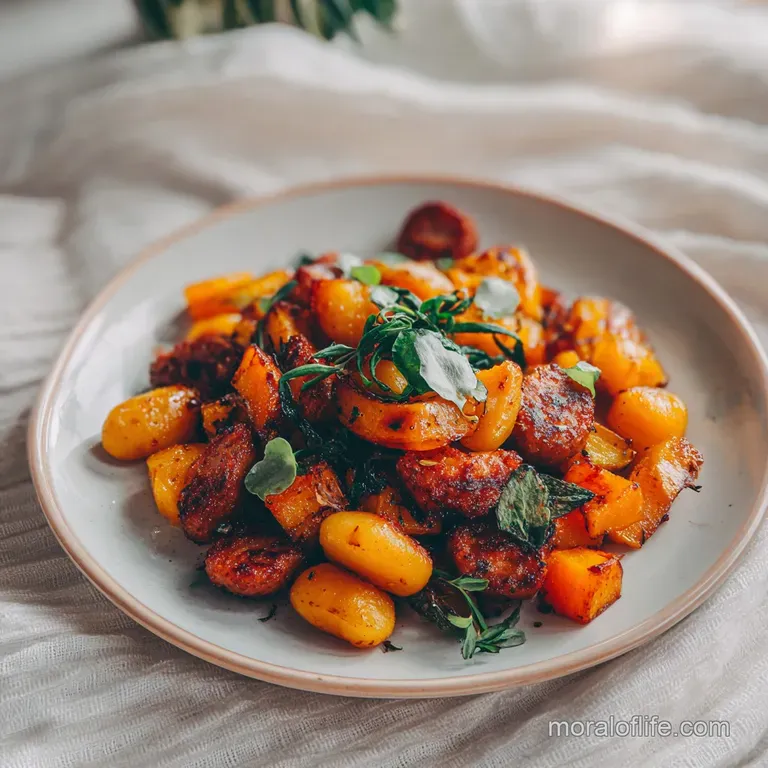
- Heat the oven. Set your oven to 400°F (200°C). Note: This high heat is crucial for browning the squash before it turns to mush.
- Prepare the squash. Peel the butternut squash, scoop out the seeds, and dice into 1/2 inch cubes. Measure until you have about 4-5 cups.
- Prep the onion. Peel the red onion and cut it into 1/2 inch thick wedges, keeping the root end slightly intact so they don't completely disintegrate.
- Mix the base. In a large bowl, combine the squash cubes, onion wedges, and the dry gnocchi.
- Season the mix. Drizzle with 3 tablespoons of olive oil and add the salt, pepper, garlic powder, and red pepper flakes. Toss until everything is shimmering with oil.
- Arrange on the tray. Spread the mixture onto a large rimmed baking sheet in a single layer. Note: If the pan looks crowded, split it between two trays.
- Add the sausage. Pinch the Italian sausage into bite sized chunks and nestle them in between the squash and gnocchi.
- Roast the meal. Place in the oven and bake for 20 minutes until the squash is tender and the sausage is cooked through.
- Add the aromatics. Remove the pan, scatter the fresh sage leaves over the top, and toss everything gently.
- Final crisp. Return to the oven for 5 minutes until the sage is brittle and the gnocchi edges are golden.
- Finish and serve. Drizzle with balsamic glaze and top with shaved parmesan cheese immediately while the heat can slightly soften the cheese.
If you love the combination of savory and sweet in this dish, you might also enjoy the flavor profile of this Earthy Sweetness recipe which uses similar autumnal notes. Both recipes celebrate the bounty of the season without requiring you to spend the whole evening over a hot stove.
Troubleshooting Guide for Better Roasting
Why Your Squash Is Soggy
The most common culprit for soggy roasted vegetables is overcrowding. When the pieces are too close together, the moisture they release traps steam around them rather than evaporating. This essentially "boils" the squash on the pan. To fix this, ensure there is visible space between the ingredients.
If you're doubling the recipe, you must use two separate baking sheets.
Why Your Gnocchi Is Hard
If the gnocchi feels more like a crouton than a dumpling, it likely didn't have enough fat or moisture to soften. This can happen if you skip the oil or use a very lean sausage (like chicken sausage) without adding extra fat. Another reason could be the type of gnocchi always use shelf stable or vacuum packed.
Homemade or fresh refrigerated gnocchi often has too much moisture and requires a different cooking time.
| Problem | Root Cause | Solution |
|---|---|---|
| Burnt Sage | Added too early in the process. | Only add sage for the final 5 minutes of roasting. |
| Uneven Cooking | Squash cubes cut into different sizes. | Keep all dice strictly at 1/2 inch for consistency. |
| Sticking to Pan | Not enough oil or poor quality pan. | Use a full 3 tbsp of oil and ensure the pan is preheated or use parchment paper. |
Common Mistakes Checklist
- ✓ Never boil the gnocchi first; they will turn to mush on the sheet pan.
- ✓ Pat the squash dry after peeling if it feels excessively moist.
- ✓ Don't use a silicone mat; it insulates too much and prevents the "shatter" crispiness on the bottom.
- ✓ Ensure the oven is fully preheated to 400°F (200°C) before the tray goes in.
- ✓ Use a metal spatula to toss the ingredients halfway through to release them from the pan.
Dietary Adaptations for Every Table
If you're cooking for someone with dietary restrictions, this dinner recipe with roasted butternut squash is surprisingly flexible. For a gluten-free version, simply swap the traditional gnocchi for a gluten-free potato variety or cauliflower gnocchi.
If you go the cauliflower route, be aware that they release more water, so you may need to increase the roasting time by 5-10 minutes to get that desired golden edge.
For a vegetarian twist, replace the Italian sausage with a can of drained and patted dry chickpeas. Toss the chickpeas with a little extra fennel seed and smoked paprika to mimic the sausage's flavor profile. You'll still get a wonderful protein boost and a delightful crunch. If you're looking for a side bread to go with a vegetarian version, my Jalapeno Cornbread Recipe adds a nice kick that complements the sweetness of the squash perfectly.
Freezing and Reheating Guide for Leftovers
Storage Guidelines Leftovers can be kept in an airtight container in the refrigerator for up to 4 days. Because of the starch in the gnocchi and the fiber in the squash, this actually holds up quite well for meal prep.
However, the gnocchi will lose its initial "shatter" crispness as it sits in the fridge and absorbs moisture from the squash.
Reheating Tips I strongly recommend avoiding the microwave for this dish if you can. The microwave will make the gnocchi gummy. Instead, toss the leftovers back onto a baking sheet or into a toaster oven at 375°F (190°C) for about 8-10 minutes.
This will help re crisp the edges and wake up the sage flavors. If you're in a rush, a dry skillet over medium heat also works wonders for reviving that texture.
Zero Waste Strategies Don't throw away those butternut squash seeds! You can roast them just like pumpkin seeds with a little salt and cinnamon for a healthy snack.
Also, if you have small amounts of leftover squash that didn't make it onto the pan, you can dice them finely and freeze them to toss into a soup or stew later in the month. The woody ends of the sage can be simmered in a bit of olive oil to make a fragrant finishing oil for other dishes.
Creative Serving Suggestions and Pairings
This meal is quite hearty on its own, but a light, acidic side dish can really make it sing. A simple arugula salad with a lemon tahini dressing provides a peppery bite that balances the richness of the sausage. If you're serving this for a family dinner and want something a bit more indulgent on the side, a Garlic Bread Grilled Cheese recipe is an absolute crowd pleaser that fits the comfort food theme perfectly.
- Wine Pairing: A crisp, dry Riesling or a light Pinot Noir works beautifully. The acidity in the wine cuts through the fat of the sausage while the fruit notes complement the squash.
- The "If you want X, do Y" list:
- If you want a smokier flavor, add a teaspoon of smoked paprika to the spice mix.
- If you want it creamier, dollop some fresh ricotta cheese over the pan right before serving.
- If you want it heartier, serve the whole mixture over a bed of baby spinach; the heat from the pan will wilt the greens perfectly.
Kitchen Myths Debunked
One common misconception is that you must boil gnocchi before doing anything else with it. This isn't true for roasting or pan searing. Boiling adds moisture that actually prevents the Maillard reaction from occurring efficiently. By roasting from dry, you achieve a much more interesting textural contrast.
Another myth is that "fresh" pre cut squash is always better. In reality, pre cut squash can often be dried out or slimy depending on how long it has sat on the shelf. Buying a whole butternut squash and dicing it yourself ensures you keep all the natural moisture and sugars intact, leading to a much better caramelization in the oven.
It might take five extra minutes, but the results are worth it for a dependable Tuesday night meal.
Finally, many people believe that you need a lot of oil to get things crispy. In this recipe, the sausage fat does most of the heavy lifting. Using too much oil can actually lead to "greasy" rather than "crispy" results. Stick to the 3 tablespoons mentioned in the specs, and let the sausage do the rest of the work. If you're craving something sweet for dessert after this savory meal, you can't go wrong with a Reeses Peanut Butter recipe to finish the night on a high note.
Very High in Sodium
1340 mg mg of sodium per serving (58% % of daily value)
The American Heart Association recommends limiting sodium intake to no more than 2,300mg per day for most adults.
Sodium Reduction Tips for Butternut Squash Gnocchi with Sausage:
-
Choose Lower Sodium Sausage-25%
Opt for Italian sausage labeled 'low sodium' or 'reduced sodium.' This can significantly decrease the sodium content contributed by the processed meat.
-
Reduce Parmesan Cheese-15%
Parmesan cheese is high in sodium. Use half the amount of shaved parmesan cheese, or substitute with a lower sodium cheese like fresh mozzarella (used sparingly) or nutritional yeast to still get some umami flavor. This will reduce the sodium from the cheese.
-
Reduce Added Salt-25%
Reduce the amount of added kosher salt by half (to 1/2 tsp), or eliminate it completely. Taste the dish before adding any salt at all, as the sausage and cheese already contribute sodium. Pay attention to the overall saltiness from the added salt.
-
Fresh Gnocchi-10%
Instead of using shelf stable gnocchi, look for fresh or frozen gnocchi, which generally have less sodium. Check nutrition labels and choose the product with the lowest sodium content.
-
Skip Balsamic Glaze-20%
Balsamic glaze can contain added sodium. Consider skipping it altogether, or using a very small amount to drizzle on the dish at the end. The sodium in the sauce can be easily reduced.
-
Embrace Herbs & Spices
Enhance the flavor with more garlic powder, red pepper flakes, and fresh sage. Experiment with other herbs and spices like dried thyme, rosemary or paprika to reduce the need for salt. A good way to flavor your meal without adding sodium.
Recipe FAQs
Can I substitute sweet potatoes for butternut squash?
Yes, sweet potatoes are an excellent substitute. They roast similarly to the squash, though you might need to check for tenderness 5 minutes sooner, as they cook faster, similar to the timing needed for our Roasted Vegetables side dish.
How to prevent the gnocchi from becoming rubbery in the oven?
Ensure the gnocchi is shelf stable or vacuum packed, not frozen. Frozen gnocchi contains too much moisture which steams the surrounding ingredients instead of crisping.
Why did my sausage release too much fat and make everything oily?
You likely used sweet Italian sausage instead of regular or hot Italian sausage. Sweet varieties are often higher in fat content; next time, use less olive oil or choose a leaner sausage, as mastered in the texture control of our Boston Butt technique.
How to ensure the butternut squash cooks through before the gnocchi burns?
Cut the squash into uniform 1/2 inch cubes. This standardization ensures every piece hits the necessary temperature simultaneously with the gnocchi for optimal texture and doneness.
Is it true you must use parchment paper for this sheet pan meal?
No, parchment paper is not required for successful roasting. In fact, avoiding it allows the rendered sausage fat to directly contact the gnocchi, which is essential for developing that desirable crispy, shattered exterior.
How long should I roast the ingredients before adding the balsamic glaze?
Roast for 20 minutes before adding the glaze or fresh sage. The glaze contains concentrated sugars that will burn severely under the high heat required to properly caramelize the squash and crisp the gnocchi.
What is the best way to reheat leftovers to restore the texture?
Reheat in an oven or toaster oven at 375°F for 8-10 minutes. Microwaving will cause the starch in the gnocchi to turn gummy; dry heat is necessary to re-crisp the exterior surfaces.
Sheet Pan Butternut Dinner
Ingredients:
Instructions:
Nutrition Facts:
| Calories | 685 kcal |
|---|---|
| Protein | 25.5 g |
| Fat | 36.2 g |
| Carbs | 66.8 g |
| Fiber | 5.4 g |
| Sugar | 7.2 g |
| Sodium | 1340 mg |
