Shoyu Ramen Noodles: Deep Umami Broth
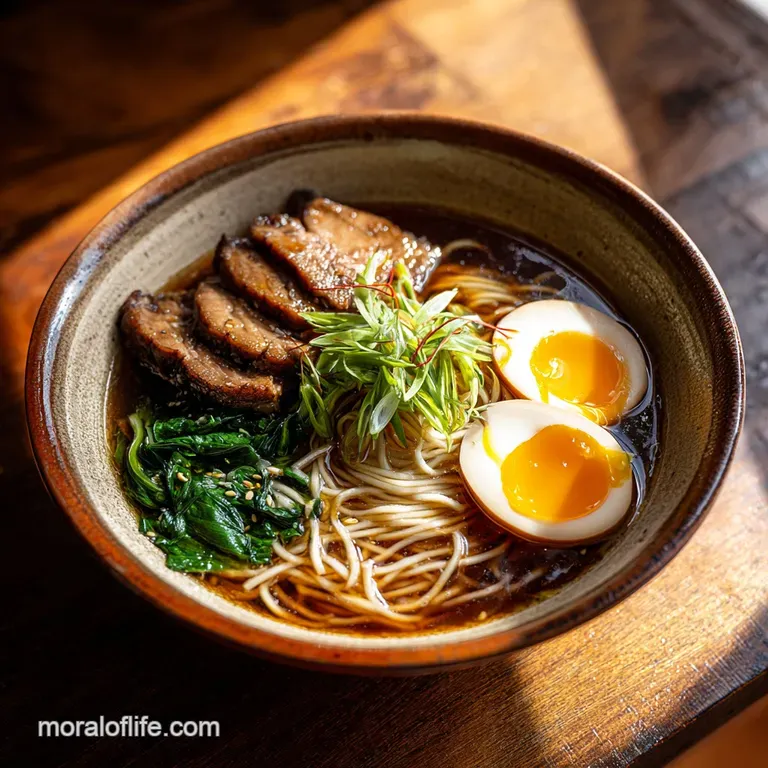
- Time: Active 45 minutes, Passive 4 hours, Total 4 hours 45 mins
- Flavor/Texture Hook: Silky broth with a snappy noodle bite
- Perfect for: A cozy Sunday kitchen project or impressive dinner party
- Mastering Traditional Shoyu Ramen Noodles
- Vital Time and Serving Specs
- Sourcing the Very Best Ingredients
- Essential Equipment for Home Ramen
- The Complete Noodle Cooking Process
- Fixing Common Ramen Preparation Mistakes
- Simple Substitutions and Diet Adjustments
- Keeping Your Ramen Fresh Longer
- The Best Final Bowl Additions
- Very High in Sodium
- Recipe FAQs
- 📝 Recipe Card
Mastering Traditional Shoyu Ramen Noodles
You know that feeling when you walk into a ramen shop and the windows are all steamed up, and you can smell that deep, roasted scent of soy and ginger? That was my kitchen last Sunday.
I used to think making ramen at home meant opening a packet and adding an egg, but everything changed once I realized the magic of a real Shoyu Ramen Noodles base. I spent the afternoon watching the pot barely bubble while the house filled with the most comforting aroma you can imagine.
Building a bowl like this isn't about rushing; it is about the quiet transformation of humble ingredients like pork trotters and chicken bones into something velvety and rich. The first time I tried this, I was worried about the long cook time, but honestly, most of it is just letting the stove do the work.
It is the kind of recipe that makes you feel like a real pro once you see that crystal clear broth hit the bowl.
We are going to walk through this together, from the alkaline snap of the noodles to the salty depth of the shoyu tare. It is a dependable method that I've refined over plenty of trial and error (like the time I boiled the broth too hard and turned it cloudy don't do that).
Trust me, once you taste the difference between this and the instant stuff, there is no going back to the packet.
Vital Time and Serving Specs
Making a legitimate bowl of ramen requires a bit of planning, especially since the broth needs a steady simmer to extract all that goodness without turning murky. We are aiming for a classic Tokyo style clarity here.
The Physics of the Noodle Snap: The kansui shifts the pH of the dough, making the gluten network more rigid and less soluble. This creates that specific alkaline bounce and yellow hue that defines a proper ramen noodle.
| Category | Fast Method (Instant) | Classic Shoyu Ramen |
|---|---|---|
| Broth Depth | Thin and salty | Multi layered and velvety |
| Noodle Texture | Soft and mushy | Firm and snappy |
| Active Labor | 5 minutes | 45 minutes |
Choosing the right path depends on your day, but for a normal Tuesday, you might want something quicker. However, for a weekend when you want to repeat with confidence a recipe that actually impresses, the slow cooked version wins every time.
It’s the difference between a quick snack and a culinary event that stays with you long after the bowl is empty.
Sourcing the Very Best Ingredients
The soul of this dish lies in the quality of your soy sauce and the collagen in the bones. Since we aren't using a thousand ingredients, each one has to pull its weight to create that complex profile.
| Component | Science Role | Pro Secret |
|---|---|---|
| Pork Trotters | Provides gelatin for mouthfeel | Scrub them under cold water to ensure a clear broth |
| Kombu | Source of natural glutamates | Never boil it; remove it just before the water hits 212°F |
| Kansui | Alters protein structure | If you can't find it, bake baking soda at 250°F for 1 hour |
For the noodles, you'll need 400g bread flour, 4g kansui, and 190ml lukewarm water. The high protein in the bread flour is non negotiable if you want that "shatter"-like bite rather than a soft spaghetti feel. When you're picking your soy sauce, look for a high-quality Japanese Koikuchi (dark soy).
It provides the color and the punchy saltiness that defines Shoyu Ramen Noodles.
- The Broth Base
- 2 lbs chicken carcasses, 1 lb pork trotters, 1 large white onion (halved), 15g fresh ginger (smashed), 1 head garlic (halved), and 4 liters cold filtered water.
- The Shoyu Tare
- 240ml high-quality Japanese soy sauce, 60ml mirin, 30ml sake, 1 piece (3 inch) kombu, and 2 dried shiitake mushrooms.
- The Protein & Toppings
- 1 lb pork belly (rolled and tied), 4 marinated soft boiled eggs (Ajitsuke Tamago), 1 bunch green onions, 100g menma, 4 sheets nori, and 4 slices naruto fish cake.
If you find yourself craving a shorter noodle fix on a busy day, you might enjoy the technique used in my Cabbage Noodles Alfredo recipe, which uses simpler pantry staples for a fast meal.
Essential Equipment for Home Ramen
You don't need a professional kitchen, but a few specific tools make the process much smoother. A large stockpot (at least 8 quarts) is essential to hold the 4 liters of water and all those bones without boiling over.
- Fine Mesh Strainer: Essential for removing every tiny bit of sediment from your broth to keep it clear.
- Kitchen Scale: Measuring flour and kansui by weight is the only way to ensure your noodles aren't too dry or too soft.
- Pasta Machine: While you can roll the dough by hand, a machine (like a Marcato or KitchenAid attachment) helps get the consistent thinness needed for ramen.
- Cooking Twine: You'll need this to roll and tie the 1 lb pork belly so it holds its shape during the long simmer.
Chef Tip: Use an old, clean toothbrush to scrub the nooks and crannies of the ginger and pork trotters. It removes hidden grit that can ruin the clarity of your soup.
The Complete Noodle Cooking Process
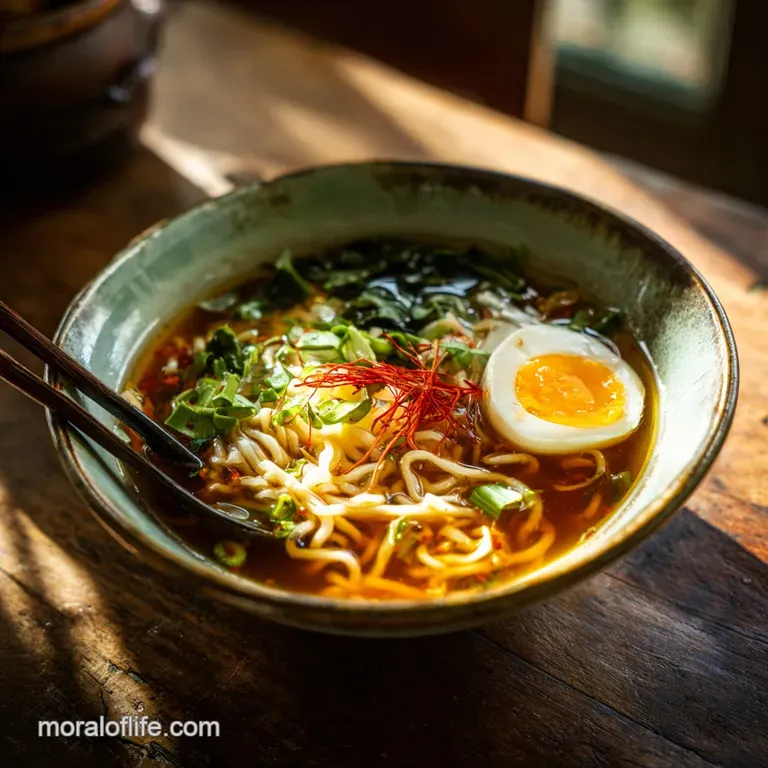
Right then, let's get into the flow of things. This timeline is designed to keep you moving without feeling overwhelmed.
- Prep the bones. Place the 2 lbs chicken carcasses and 1 lb pork trotters in a pot, cover with water, and bring to a boil for 5 minutes. Drain and rinse until the bones are clean.Note: This removes impurities that cause cloudy soup.
- Start the simmer. Return bones to the pot with 4 liters cold water, onion, ginger, and garlic. Simmer on the lowest heat for 4 hours until the liquid has reduced by about a third and smells rich.
- Mix the noodle dough. Dissolve 4g kansui in 190ml water, then slowly add to 400g bread flour. Mix until you have a crumbly, shaggy mass.Note: It will look too dry; don't add more water.
- Knead and rest. Press the dough together, wrap in plastic, and let it rest for 1 hour. Resting allows the flour to hydrate fully.
- Create the tare. Combine 240ml soy sauce, 60ml mirin, 30ml sake, kombu, and shiitake in a small saucepan. Heat gently for 10 minutes until the flavors meld and it slightly thickens.
- Roll the noodles. Run the dough through a pasta machine on the widest setting, folding it over itself 3-4 times, then gradually thin it out. Cut into thin strands and toss with flour.
- Cook the chashu. Simmer the tied 1 lb pork belly in a portion of the broth for 2 hours until it is tender and the fat is translucent.
- Boil the noodles. Bring a separate pot of water to a rolling boil. Cook the fresh noodles for 90 seconds until they are al dente and bouncy.
- Assemble the bowl. Place 2 tablespoons of tare in each bowl, add 1.5 cups of hot broth, and whisk. Add the noodles, then top with pork, egg, onions, nori, and naruto.
For a different take on a chicken based soup that comes together much faster, check out the Creamy Garlic Chicken recipe which is great for those nights when you don't have four hours to spare.
Fixing Common Ramen Preparation Mistakes
Even with a dependable recipe, things can go sideways. The most common issue I see is people getting impatient with the broth and turning up the heat. High heat emulsifies the fat into the water, giving you a cloudy Tonkotsu style broth instead of the clear Shoyu we want.
Why Your Broth Is Cloudy
If your broth looks milky instead of like a dark tea, the temperature was too high. Rapid boiling forces the marrow and fat to mix with the water. Always keep it at a "lazy bubble" where only one or two bubbles break the surface every second.
For Noodles that Stick Together
Fresh noodles are high in starch and will clump instantly if the water isn't at a violent boil or if you don't stir them immediately. Use a large pot of water and a pair of long chopsticks to keep them moving the second they hit the water.
| Problem | Root Cause | Solution |
|---|---|---|
| Bland Soup | Weak tare or diluted broth | Add an extra teaspoon of tare or reduce the broth further |
| Tough Pork | Not cooked long enough | Simmer until a skewer slides in with zero resistance |
| Soggy Noodles | Overcooked or sat in soup too long | Cook for 90 seconds and serve immediately never let them wait |
Common Mistakes Checklist:
- ✓ Always rinse the par boiled bones to remove "scum" for a clear result.
- ✓ Don't boil the kombu in the tare; it will release a bitter, slimy texture.
- ✓ Weigh your flour precisely volumetric cups are too inaccurate for alkaline dough.
- ✓ Let the noodle dough rest; if you try to roll it immediately, it will tear and snap.
- ✓ Slice the chashu only when cold to ensure clean, beautiful rounds.
Simple Substitutions and Diet Adjustments
Sometimes you can't find everything at the local shop, or you have guests with specific needs. Shoyu Ramen Noodles are surprisingly adaptable once you understand the basic ratios.
| Original Ingredient | Substitute | Why It Works |
|---|---|---|
| Pork Trotters | Chicken feet | Provides the same essential collagen and gelatin for body |
| Mirin | Sherry with a pinch of sugar | Mimics the sweetness and acidity of the rice wine |
| Kansui | Baked baking soda | Increases pH levels to create the signature alkaline texture |
For a Vegetarian Shoyu Ramen Recipe, swap the chicken and pork for a broth made from charred onions, cabbage, carrots, and a heavy dose of dried shiitake and kombu. Use a mushroom based "dashi" for the tare to keep that deep umami without the meat.
If you need a gluten-free Adjustment, use high-quality rice noodles or buckwheat noodles, and ensure your soy sauce is replaced with Tamari.
Keeping Your Ramen Fresh Longer
Ramen is best served the moment it is assembled, but the components are perfect for meal prep. In fact, the broth actually tastes better after a day in the fridge as the flavors continue to marry and mellow.
- Storage: Store the broth, tare, and toppings in separate airtight containers in the fridge for up to 3 days. Do not store cooked noodles in the broth they will turn into a soggy mess.
- Freezing: The broth freezes beautifully for up to 3 months. I like to freeze it in 2 cup portions for easy individual lunches. The raw noodles can also be frozen for 1 month; just boil them straight from frozen for an extra 30 seconds.
- Zero Waste: Don't throw away those spent broth vegetables! While they've given their all to the soup, the garlic and onion can be mashed into a paste and used as a base for stir fries. Also, the fat that rises to the top of the chilled broth (the "aroma oil") should be saved and used to sear your chashu for extra flavor.
The Best Final Bowl Additions
The "Shoyu Ramen Toppings" are what turn a bowl of soup into a complete meal. While the classic nori and egg are standard, you can get creative with what's in your crisper drawer.
If you want a richer bowl, add a spoonful of black garlic oil (mayu). The burnt garlic notes play perfectly against the saltiness of the shoyu. If you prefer a bit of heat, a drizzle of chili oil (la yu) or a pinch of togarashi will cut through the richness of the pork belly.
- 1. Noodle Texture
- Cook for exactly 90 seconds no more, no less.
- 2. Broth Temperature
- Serve at 190°F (88°C) to ensure it stays hot as you add cold toppings.
- 3. Tare Ratio
- Start with 1 part tare to 10 parts broth and adjust to your personal salt preference.
Kitchen Myths: Searing the pork belly before simmering doesn't "lock in" juices, but it does create a beautiful Maillard crust that flavors the broth as it cooks. Also, many people think ramen noodles have egg because of the yellow color, but that's actually just the chemical reaction of the kansui with the flour!
This Shoyu Ramen Noodles recipe is a labor of love, but the first time you pull a strand of snappy noodle through that velvety, shimmering broth, you'll know it was worth every minute. Right then, let's get that pot simmering!
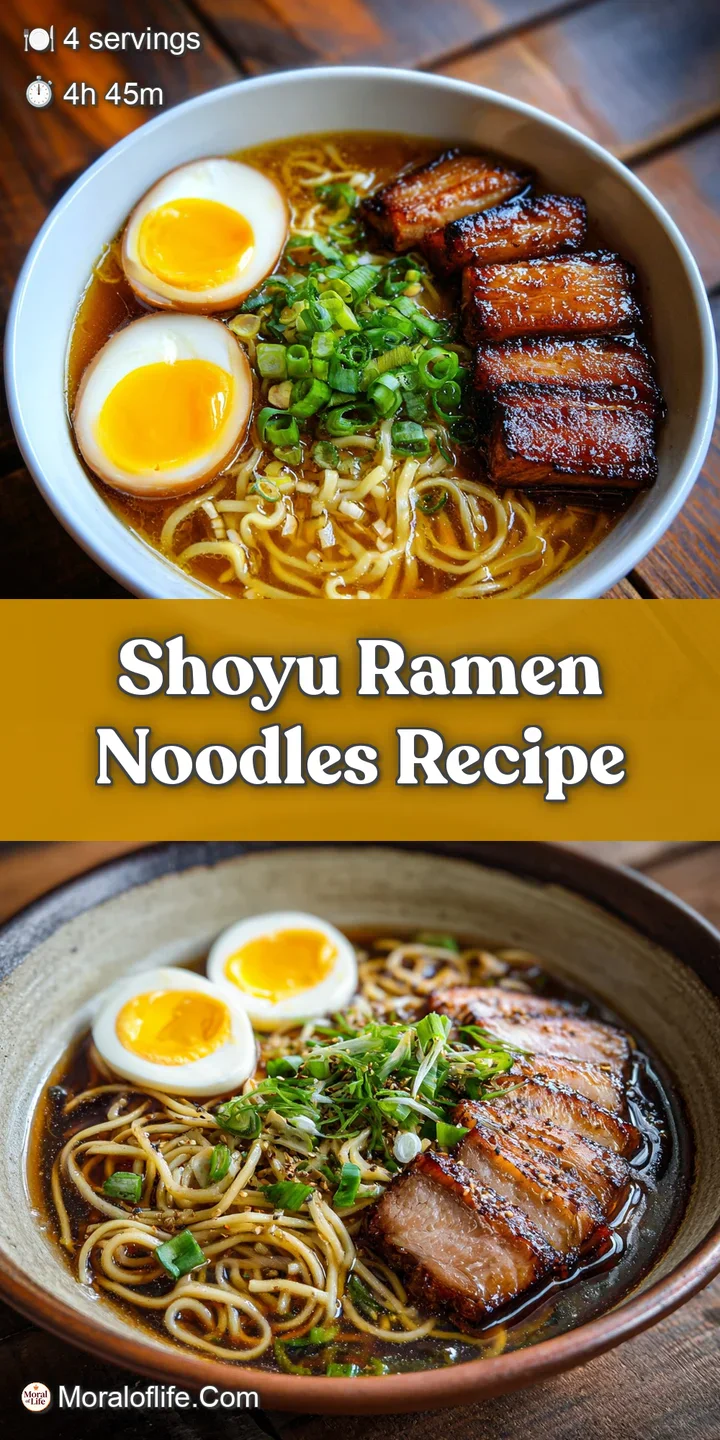
Very High in Sodium
2680 mg mg of sodium per serving (117% of daily value)
The American Heart Association recommends limiting sodium intake to about 2,300mg per day for most adults. This recipe exceeds that recommendation.
Tips to Reduce Sodium in Your Ramen
-
Reduce Soy Sauce-30%
Japanese soy sauce (Koikuchi) is a major source of sodium. Try using a low-sodium soy sauce or reducing the amount by half and compensating with more mirin and sake to maintain the flavor profile.
-
DIY Ajitsuke Tamago-20%
Marinated soft boiled eggs can be very high in sodium. Prepare your own using a low-sodium marinade or reduce the marinating time significantly.
-
Skip or Reduce Naruto-15%
Naruto (fish cake) often contains a significant amount of sodium. Consider omitting it entirely or using fewer slices per serving. If you choose to include it, look for brands with lower sodium content.
-
Menma Alternatives-10%
Menma (bamboo shoots) are often preserved in brine, increasing their sodium content. If possible, try to use fresh bamboo shoots that you prepare yourself or find a low-sodium version of menma.
-
Homemade Broth Control-10%
Control the sodium in your broth by avoiding adding salt during the simmering process. You can compensate with other aromatics.
-
Rinse Kombu and Mushrooms-5%
Give the kombu and dried shiitake mushrooms a quick rinse before adding them to the broth. This can help remove any excess surface salt.
-
Flavor Boost
Enhance the flavor of your ramen with sodium free herbs and spices! Experiment with fresh ginger, garlic, white pepper, or a touch of chili to add depth and complexity without increasing sodium.
Recipe FAQs
How do you make shoyu ramen noodles?
Start by cleaning the bones. Parboil chicken carcasses and pork trotters for 5 minutes, drain, and rinse them thoroughly to ensure a clear final broth.
What type of noodles are in shoyu ramen?
Use high protein bread flour noodles made with kansui. The alkaline water (kansui) changes the protein structure, giving the noodle its signature yellow hue and rigid, snappy texture.
What is the best soy sauce for shoyu ramen?
Use a high-quality Japanese Koikuchi soy sauce. This dark soy sauce provides the necessary color depth and the foundational salty, umami rich flavor for the tare seasoning.
What are some common mistakes when making shoyu ramen?
Boiling the broth too vigorously is the main error. Rapid boiling emulsifies fat into the water, turning your clear broth cloudy instead of achieving the desired tea-like clarity.
Can I make the broth ahead of time?
Yes, the broth and tare are excellent for meal prep. Store them separately in the refrigerator for up to three days, as the flavors continue to meld and deepen overnight.
How should I cook the noodles for the best texture?
Cook fresh noodles in a separate, rolling boil for exactly 90 seconds. Stir them immediately upon contact with the water and serve instantly to maintain their al dente snap.
Do I have to use pork trotters in the broth?
No, chicken feet make a viable substitute. Both ingredients are essential for leaching the necessary collagen and gelatin needed to give the finished broth a silky mouthfeel.
Shoyu Ramen Noodles Recipe
Ingredients:
Instructions:
Nutrition Facts:
| Calories | 1142 kcal |
|---|---|
| Protein | 47.2 g |
| Fat | 57.8 g |
| Carbs | 86.5 g |
| Fiber | 3.8 g |
| Sugar | 8.4 g |
| Sodium | 2680 mg |
