Silky Ricotta Pasta with Lemon
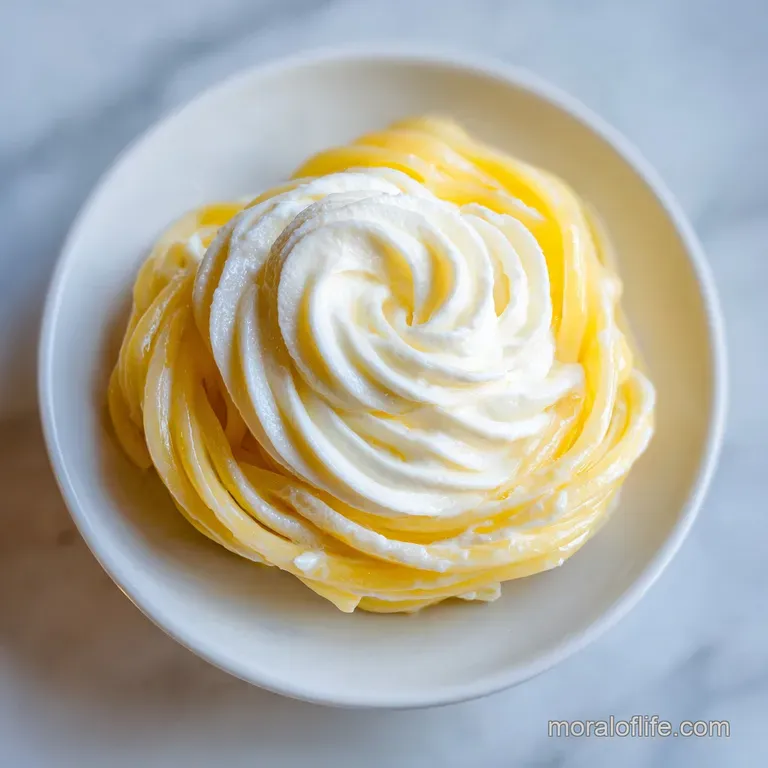
- Time: Active 5 minutes, Passive 10 minutes, Total 15 minutes
- Flavor/Texture Hook: Zesty, velvety, and light
- Perfect for: A dependable weeknight dinner when you're too tired for complex cleanup
- Easy Comfort Found in This Simple Ricotta Pasta
- The Science Behind This Velvety No Cook Sauce
- Essential Grocery List Components for Your Creamy Pantry Pasta
- Simple Tools Needed for a Quick 15 Minute Dinner
- Detailed Step by Step Guide to Achieving Pasta Perfection
- Avoiding Common Pitfalls for the Smoothest Possible Sauce
- Creative Flavor Variations to Customize Your Basic Pasta Bowl
- The Truth About Making Great Pasta
- Guidelines for Keeping Leftovers Fresh and Using Every Scrap
- Side Dishes and Complements That Pair With Creamy Pasta
- Recipe FAQs
- 📝 Recipe Card
Easy Comfort Found in This Simple Ricotta Pasta
Picture this: it's a rainy Tuesday, the kind where the sun disappears at 4 PM and your motivation follows suit. I was staring into the fridge, past the wilted kale and toward a container of ricotta that was two days away from its expiration date.
I didn't want a heavy marinara or a fussy cream sauce that required standing over a hot stove whisking for twenty minutes. I just wanted something warm, soft, and remarkably easy.
I threw 450g of rigatoni into boiling water and, while it bubbled away, I stirred together the ricotta, some lemon zest, and a handful of cheese in a big bowl. When the pasta was done, I tossed it all together with a splash of that starchy, liquid gold we call pasta water.
The result was so velvety and bright that I stood over the pot eating it with a wooden spoon. It's the kind of meal that feels like a hug in a bowl, and we've been making it at least once a week ever since.
You'll love this because it's not heavy like a traditional Alfredo. The lemon cuts through the richness of the cheese, making it feel fresh rather than sluggish. It's a low effort, high reward situation that uses basic pantry staples to create something that tastes far more expensive than it actually is.
Let's get into how to make this work every single time without the sauce turning grainy.
The Science Behind This Velvety No Cook Sauce
- over Low heat Emulsification: Ricotta is a heat sensitive cheese that doesn't "melt" like mozzarella; instead, it suspends in liquid. By using residual heat rather than direct stove heat, we keep the proteins from tightening and turning grainy.
- Starch Binding: The 2 tbsp of kosher salt in the boiling water doesn't just season the noodles; it helps release more starch into the water, which acts as a bridge between the watery lemon juice and the fatty cheese.
- Fat Stabilization: Adding 2 tbsp of extra virgin olive oil to the cold ricotta creates a smoother fat in-water emulsion when the pasta water hits the bowl.
- Acid Brightness: The 1 tbsp of lemon juice does more than add flavor; it slightly lowers the pH of the sauce, which helps the tongue perceive the fats as lighter and less coating.
| Cooking Method | Active Time | Resulting Texture | Best For |
|---|---|---|---|
| Stovetop Toss | 15 minutes | Silky, light, and saucy | Quick weeknight meals |
| Oven Baked | 35 minutes | Set, crispy edges, dense | Crowd pleasing potlucks |
| Cold Pasta Salad | 12 minutes | Thick, creamy coating | Summer lunches or picnics |
Unlike a heavy cream sauce, this version relies on the texture of the cheese itself. If you've ever struggled with broken sauces, this method is much more forgiving because we aren't trying to create a complex chemical bond over high heat.
Essential Grocery List Components for Your Creamy Pantry Pasta
| Ingredient | Science Role | Pro Secret |
|---|---|---|
| Whole Milk Ricotta | Primary fat source | Always use full fat to avoid a watery, thin texture. |
| Starchy Pasta Water | Emulsifying agent | This is the "glue" that helps the cheese stick to the noodles. |
| Lemon Zest | Aromatic top note | Zest the lemon directly over the bowl to catch the oils. |
| Grated Parmesan | Umami stabilizer | Use a microplane for "snow like" cheese that dissolves instantly. |
For the best results, you'll need 450g (1 lb) of short pasta like rigatoni or fusilli. These shapes have ridges that act like tiny cups for the sauce. You'll also want 1.5 cups of whole milk ricotta and 0.5 cup of freshly grated Parmesan. Don't forget 2 tbsp of extra virgin olive oil and the zest of one large lemon.
If you don't have these exact items, don't worry. I've swapped the Parmesan for Pecorino Romano many times when I wanted a saltier, funkier kick. You can even use a Tomato Pasta Creamy recipe style base by adding a tablespoon of tomato paste to the ricotta if you want a pink sauce.
| Original Ingredient | Substitute | Why It Works |
|---|---|---|
| Whole Milk Ricotta | Small curd cottage cheese | Similar moisture level. Note: Blitz it in a blender first for smoothness. |
| Parmesan Cheese | Pecorino Romano | Both are hard, salty cheeses. Note: Pecorino is much saltier; use less salt. |
| Short Pasta | Spaghetti or Linguine | Both hold sauce well. Note: Harder to toss evenly than short shapes. |
Since we are keeping things budget friendly, I often look for the store brand ricotta. As long as it's the "whole milk" variety, it works perfectly. low-fat or "part skim" versions tend to release too much water, which can leave your dinner looking a bit sad and thin.
Simple Tools Needed for a Quick 15 Minute Dinner
You don't need a professional kitchen for this. A large 6 quart pot for the pasta is essential so the noodles have room to dance around without sticking. You'll also need a large mixing bowl - one big enough to hold all the cooked pasta. This is where the "sauce" happens, away from the direct heat of the stove.
A microplane or a fine grater is your best friend here. It makes the lemon zest tiny and the Parmesan fluffy, which is the secret to that velvety finish. Finally,, make sure you have a glass measuring cup or a small mug ready to scoop out the pasta water before you drain the pot.
I can't tell you how many times I've accidentally poured that liquid gold down the drain out of habit!
Detailed step-by-step Guide to Achieving Pasta Perfection
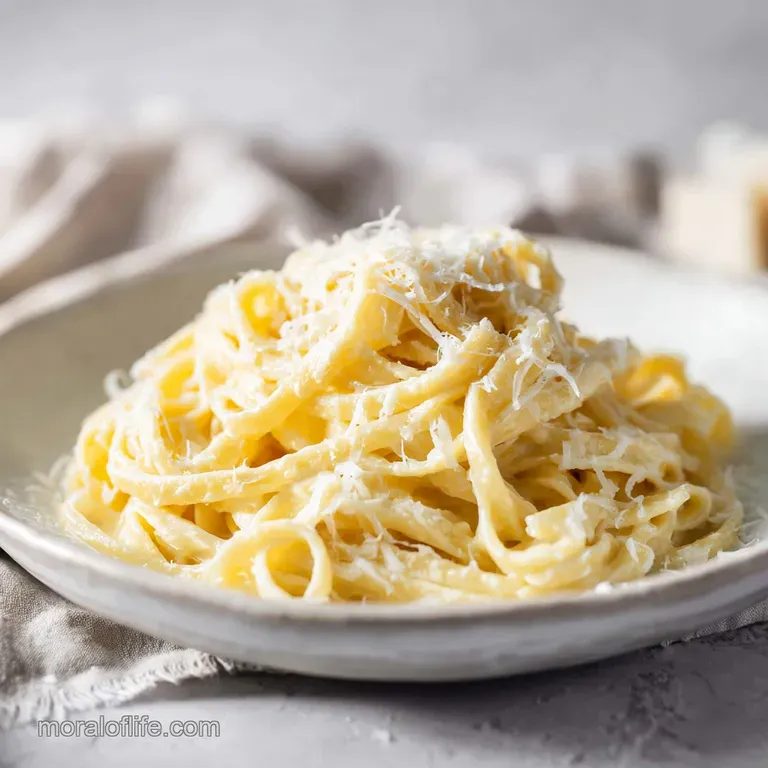
- Boil water. Fill a large pot with water and add 2 tbsp kosher salt. Note: This is your only chance to season the pasta itself.
- Cook pasta. Add 450g short pasta to the boiling water and cook until just al dente with a firm bite.
- Mix base. While the pasta cooks, combine 1.5 cups ricotta, 0.5 cup Parmesan, lemon zest, and 2 tbsp olive oil in a large bowl. Note: Mixing this ahead allows the lemon oils to infuse the cheese.
- Save water. Just before draining, scoop out 1 cup of the boiling pasta water. Note: Do not skip this.
- Drain noodles. Pour the pasta into a colander, but don't shake it too dry; a little extra moisture is fine.
- Temper cheese. Slowly whisk 0.25 cup of the hot pasta water into the ricotta mixture until it looks like thick cream.
- Combine ingredients. Add the hot pasta directly into the bowl with the ricotta mixture.
- Toss vigorously. Use a large spoon to coat the noodles, adding more pasta water 1 tbsp at a time until the sauce is silky and glossy.
- Season well. Stir in 1 tbsp lemon juice, 0.5 tsp red pepper flakes, and 0.25 tsp black pepper.
- Serve immediately. Divide into bowls and top with extra Parmesan until it looks like a snow capped mountain.
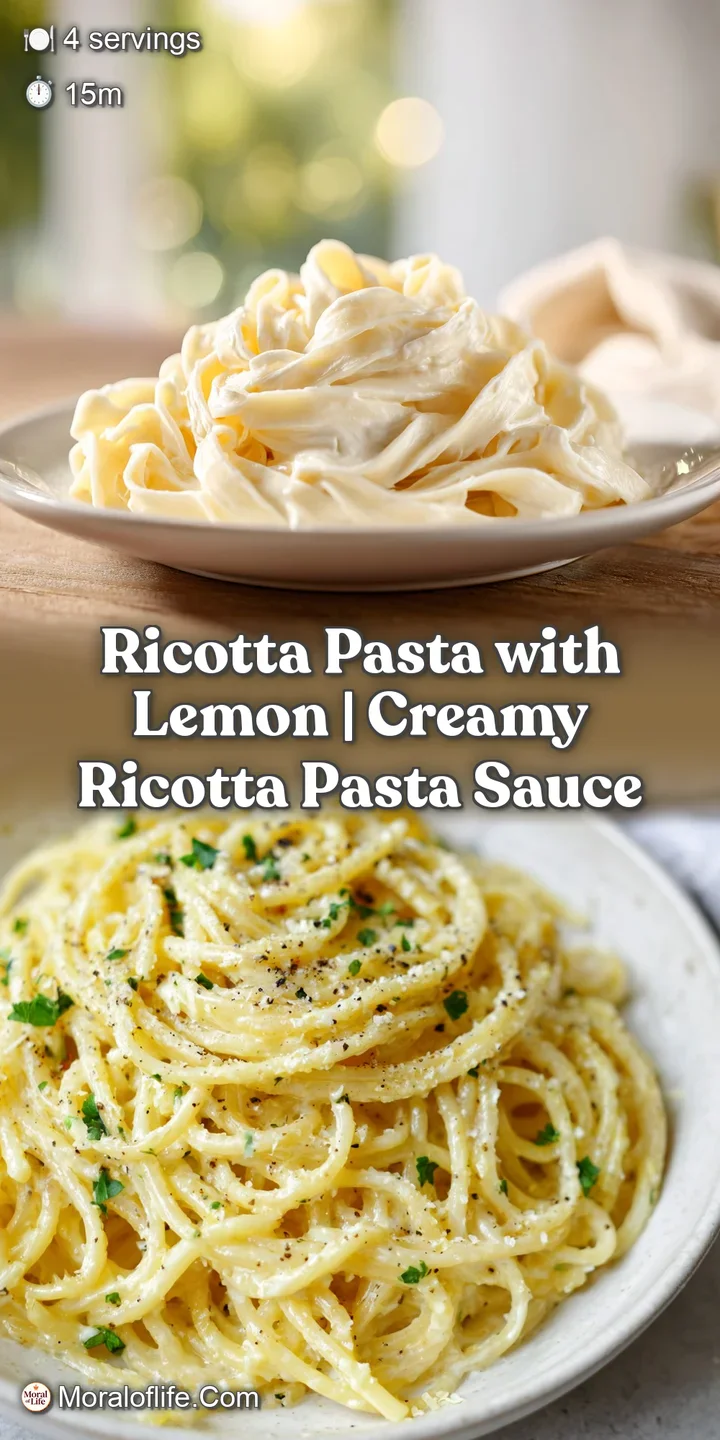
When you're tossing the pasta, it might look a little dry at first. Resist the urge to add more cheese. Instead, add another splash of that pasta water. The heat and starch will magically turn the thick ricotta into a flowing sauce that clings to every ridge of the rigatoni. It's a bit like the technique used in a classic Alfredo Sauce recipe where the water does all the heavy lifting.
Avoiding Common Pitfalls for the Smoothest Possible Sauce
Why Your Ricotta Is Grainy
If the sauce feels "sandy" on your tongue, it's usually because the ricotta was shocked by high heat. Ricotta isn't a melting cheese; it's a curd cheese. If you add it to a pan over a roaring flame, the proteins will tighten up and separate from the moisture.
Always mix the sauce in a separate bowl using the residual heat of the pasta to warm it up gently.
The Dry Pasta Syndrome
Sometimes the pasta sits for a minute too long and soaks up all the sauce, leaving you with a sticky mess. This happens because pasta continues to absorb liquid even after it's drained. The fix is simple: always save more pasta water than you think you need.
A quick splash of hot water and a vigorous stir will bring the silkiness back to life in seconds.
| Problem | Root Cause | Solution |
|---|---|---|
| Bland Flavor | Lack of acidity or salt | Add an extra squeeze of lemon or a pinch of salt. |
| Clumpy Sauce | Not enough pasta water | Whisk in more starchy water 1 tbsp at a time. |
| Watery Bottom | Too much lemon juice or water | Stir in extra grated Parmesan to thicken the emulsion. |
- ✓ Always zest your lemon before juicing it (it's nearly impossible the other way around).
- ✓ Use a bowl that is larger than you think you need to allow for aggressive tossing.
- ✓ Don't rinse your pasta; you need that surface starch for the sauce to stick.
- ✓ Grate your own cheese; pre shredded bags contain cornstarch that prevents a smooth melt.
- ✓ Taste the sauce before adding the pasta to check for salt levels.
Creative Flavor Variations to Customize Your Basic Pasta Bowl
If you want to turn this into a "Skillet ricotta pasta with roasted broccoli," simply toss some florets with olive oil and salt, roast them at 200°C for 20 minutes, and fold them in at the end. The charred bits of broccoli provide a fantastic crunch against the soft cheese.
For a "Ricotta pea pasta," I just throw a cup of frozen peas into the pasta water during the last 2 minutes of boiling. They pop with sweetness and look beautiful against the white sauce.
Another family favorite is the "Ricotta and spinach refresh." I put a few handfuls of fresh baby spinach in the bottom of the mixing bowl and pour the hot pasta right on top. The heat from the noodles wilts the spinach perfectly without making it slimy.
If you're feeling fancy, a "Lemon ricotta pasta" with some sautéed shrimp or even just a tin of high-quality tuna can turn this from a side dish into a protein packed main event.
Scaling the Recipe
- To Halve (2 servings): Use 225g pasta and 0.75 cups ricotta. You still need the zest of a whole lemon because that's where the flavor lives.
- To Double (8 servings): Use two pots for the pasta so they cook evenly. Scale the cheese and spices exactly, but add the pasta water more slowly as you might not need the full 2 cups.
- Large Groups: If making this for a party, keep the sauced pasta in a warm (but not hot) slow cooker. Add a splash of boiling water every 30 minutes to keep it from tightening up.
| Premium Ingredient | Budget Alternative | Flavor Impact |
|---|---|---|
| Fresh Buffalo Ricotta | Store brand Whole Milk | Slightly less "grassy" but equally creamy. |
| Parmigiano Reggiano | Hard Grana Padano | Very similar; slightly less sharp but saves $4-5. |
| Fresh Basil Leaves | Dried Oregano or Parsley | Earthier flavor; use 1/3 the amount of fresh. |
The Truth About Making Great Pasta
One myth that needs to die is that you should add oil to your pasta water to keep the noodles from sticking. All this does is coat the pasta in a slick film that prevents your beautiful ricotta sauce from actually clinging to the noodle. Just use a big pot and give it a stir every few minutes.
Another common misconception is that "al dente" is just a suggestion. For this recipe, it's a requirement. Because the pasta sits in a warm sauce and continues to absorb liquid, if you start with overcooked, mushy noodles, you'll end up with a bowl of porridge. Pull the pasta 1 minute earlier than the package says.
Guidelines for Keeping Leftovers Fresh and Using Every Scrap
Storage: This pasta stays good in the fridge for about 3 days. However, because the ricotta is an emulsion, it will likely look a bit dry and clumped together the next day. Don't panic! When you're ready to eat, add a tablespoon of water or milk before reheating. It helps "unlock" the sauce again.
Freezing: I don't recommend freezing this specific dish. Ricotta has a high water content, and when it freezes and thaws, the texture becomes grainy and unappealing. It's so fast to make fresh that it's better to just whip up a new batch.
Zero Waste: If you have leftover ricotta that you won't use, dollop it onto toast with some honey for breakfast. For the lemon you zested, if you didn't use all the juice, freeze it in an ice cube tray for future dressings.
Even the Parmesan rind can be tossed into your next vegetable soup to add a massive hit of savory flavor.
Side Dishes and Complements That Pair With Creamy Pasta
Since this dish is quite rich, I always look for something with a bit of crunch or acidity to balance the plate. A simple arugula salad with a sharp balsamic vinaigrette is my go to. The peppery bite of the greens cuts right through the creamy cheese. It's a classic pairing for a reason.
If you're looking for something heartier, garlic bread is never a bad idea. I like to use the leftover lemon zest and some of the red pepper flakes in the garlic butter to tie the whole meal together.
If you want to keep it light, a plate of sliced heirloom tomatoes with just a bit of salt and a drizzle of olive oil works wonders. This pasta is so dependable and versatile that you really can't go wrong, whether it's a normal Tuesday or a weekend dinner with friends.
Recipe FAQs
Can you use ricotta in pasta?
Yes, absolutely. Ricotta is excellent for creating creamy, velvety sauces without heavy cream, relying instead on the starch in the pasta water to emulsify the cheese.
Is ricotta cheese good on top of pasta?
Yes, it is delicious when heated properly. To prevent it from becoming grainy, mix the cold ricotta base with hot pasta and starchy water off the heat, letting the residual warmth create a silky coating.
What can I make for dinner with ricotta?
Make a quick, bright sauce using lemon and Parmesan. This meal comes together in under 15 minutes and is perfect for weeknights when you need comfort food fast.
What does ricotta cheese pair well with?
It pairs best with bright acid, salt, and fresh herbs. Lemon zest, black pepper, and high-quality Parmesan cheese elevate the richness; you can also combine it with vegetables like peas or spinach.
How do I stop my ricotta pasta sauce from becoming grainy?
Remove the pan from the heat entirely before mixing the cheese. Ricotta proteins seize up under direct, high heat, which causes separation; using residual heat from the noodles is the key to a smooth texture.
How to ensure the sauce properly clings to the noodles?
Use plenty of starchy pasta water and toss vigorously. The starch acts as a binder between the fat in the cheese and the liquid, creating a stable emulsion that coats the pasta perfectly. If you enjoyed mastering this emulsification technique, see how the same principle applies in our Caesar Pasta Salad recipe.
Can I use a different cheese instead of Parmesan?
Yes, Pecorino Romano is an excellent, saltier alternative. If you substitute, slightly reduce the added salt in the recipe, as Pecorino brings more intense flavor, similar to how you might adjust seasoning when making a quick Alfredo and Pesto recipe for bolder flavor.
Silky Ricotta Pasta In 15 Minutes
Ingredients:
Instructions:
Nutrition Facts:
| Calories | 693 kcal |
|---|---|
| Protein | 31 g |
| Fat | 25 g |
| Carbs | 85 g |
| Fiber | 4 g |
| Sugar | 4 g |
| Sodium | 550 mg |
