Sweet Potato Puree Recipe
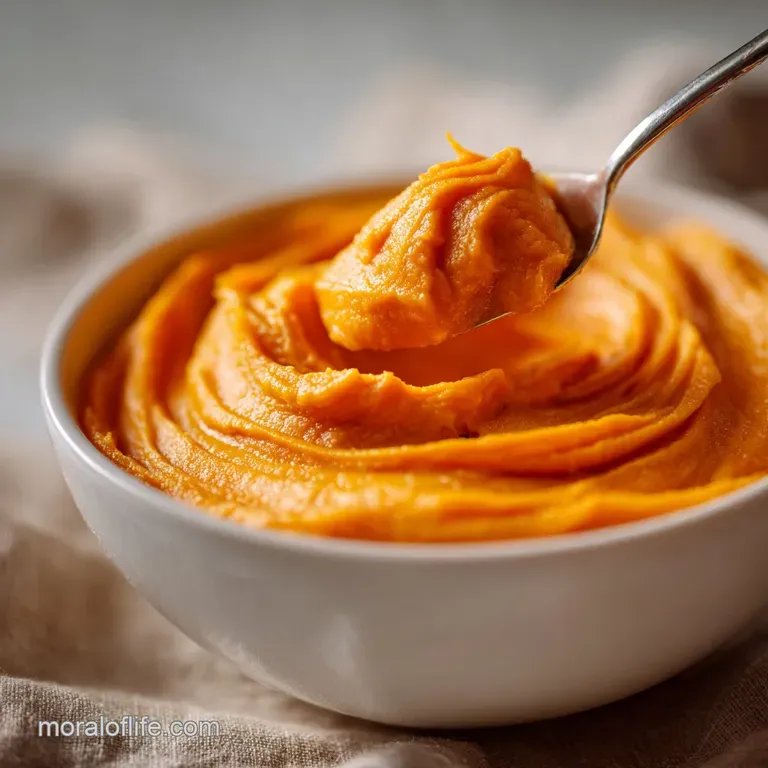
- Time: Active 10 minutes, Passive 60 minutes, Total 1 hour 10 mins
- Flavor/Texture Hook: Silky, honey like sweetness with earthy undertones.
- Perfect for: Holiday sides, batch cooking for baby, or hidden veggie baking.
- Easy Sweet Potato Puree Recipe for Silky Results
- Why Roasting Beats Steaming
- Reliable Metrics for Puree Success
- Essential Elements for Better Puree
- Minimal Gear for Professional Results
- How to Prep Your Puree
- Scaling Up and Busting Myths
- Solving Common Puree Texture Issues
- Creative Variations for Your Puree
- Practical Storage and Reheating Tips
- Perfect Pairings for Your Puree
- Recipe FAQs
- 📝 Recipe Card
Easy Sweet Potato Puree Recipe for Silky Results
The smell of roasting sweet potatoes that syrupy, caramelized aroma is basically a hug in scent form. We've all been there: you try to boil them, and you end up with a watery, bland mess that tastes more like a puddle than a potato.
I used to do that on normal Tuesdays until I realized the oven is actually your best friend for this.
This method is so dependable, you'll never go back to the stovetop. It results in a concentrated flavor that's perfect for a weekend side or as a base for your next holiday pie. Honestly, it's the kind of kitchen win that makes you feel like a pro with zero effort.
We're looking for that honey like ooze that happens when the skins start to pull away from the flesh.
Let's get into how we transform these humble tubers into a silky, golden orange goldmine. Whether you're making a sweet potato puree for baby or a decadent dessert, the foundation is everything. Trust me, once you see how easy it is to get that velvety texture, this will become your go to for meal prep.
Why Roasting Beats Steaming
The magic happens when you step away from the water. Roasting allows the moisture to escape, leaving you with pure, unadulterated potato flavor.
The Science of Why it Works: Pectin Breakdown: Sustained heat softens the cell walls of the potato, transforming a rigid vegetable into a creamy spread.
Evaporative Concentration: Roasting removes excess water, which intensifies the natural maltose sugars instead of diluting them.
| Method | Time | Texture | Best For |
|---|---|---|---|
| Oven Roasting | 60 minutes | Concentrated & Silky | Pies, Baby Food, Premium Sides |
| Stovetop Boiling | 20 minutes | Watery & Bland | Quick mash when flavor isn't priority |
| Instant Pot | 15 minutes | Soft but Steamed | Busy days needing speed over depth |
Roasting also allows for the Maillard reaction on the skins, which adds a complex, toasted note that you simply can't get from steam. Even though we discard the skins later, that flavor seeps into the flesh. It's a budget smart way to get gourmet results with just a basic oven.
Reliable Metrics for Puree Success
Chef's Tip: Before you even preheat, pierce the skins with a fork about six times. This allows steam to escape, preventing a "tuber explosion" in your oven that will leave you cleaning the walls for an hour.
Roasting sweet potatoes in their skins is a trick I learned from a chef friend, and it's brilliant. You lose zero nutrients and zero flavor to the cooking water. I've tried every shortcut, but the slow roast is what actually works for that deep sweetness.
It's the difference between "okay" and "repeat with confidence" results on a normal Tuesday.
| Component | Science Role | Pro Secret |
|---|---|---|
| Sweet Potatoes | Bulk & Starch | Use Garnet or Jewel for high moisture and vivid color |
| Sea Salt | Flavor Enhancer | A tiny pinch balances the sweetness without tasting "salty" |
| Unsalted Butter | Fat Emulsification | Melt it first to fold it in without deflating the airy texture |
By keeping an eye on the internal temperature, you can guarantee a smooth finish. You're looking for an internal temp of about 210°F. At this point, the starches have fully converted to sugar, and the texture is ready to be transformed into a velvety homemade sweet potato puree.
Essential Elements for Better Puree
- 3 large sweet potatoes (approx. 2 lbs) Why this? Jewel or Garnet varieties provide the creamiest results. (Substitute: Butternut squash - similar texture but milder sweetness)
- 1 pinch sea salt Why this? Sharpens the profile of the natural sugars. (Substitute: Kosher salt - less "salty" volume per pinch)
- 2 tbsp unsalted butter, melted (optional) Why this? Adds a luxurious, velvety mouthfeel. (Substitute: Coconut oil - adds nutty notes, great for Daniel Fast Food recipe)
- 0.5 tsp ground cinnamon or nutmeg (optional) Why this? Deepens the warm, earthy profile. (Substitute: Pumpkin pie spice - adds clove and ginger notes)
- 2 tbsp water or broth (optional for thinning) Why this? Adjusts viscosity for different uses. (Substitute: Whole milk - creates a richer, creamier finish)
Minimal Gear for Professional Results
You don't need the fanciest tools to get this right. I usually just grab a standard rimmed baking sheet and some parchment paper to catch any syrupy drips. If you're going for that ultra smooth "sweet potato puree for pie" texture, a high speed blender or food processor is a game changer.
However, don't let a lack of gadgets stop you. A simple potato masher or even a sturdy fork works if you're okay with a more rustic, chunky feel. If you're making this as a side for a dinner party, pairing it with something like my Air Fryer Fingerling Potatoes recipe offers a great texture contrast on the plate.
How to Prep Your Puree
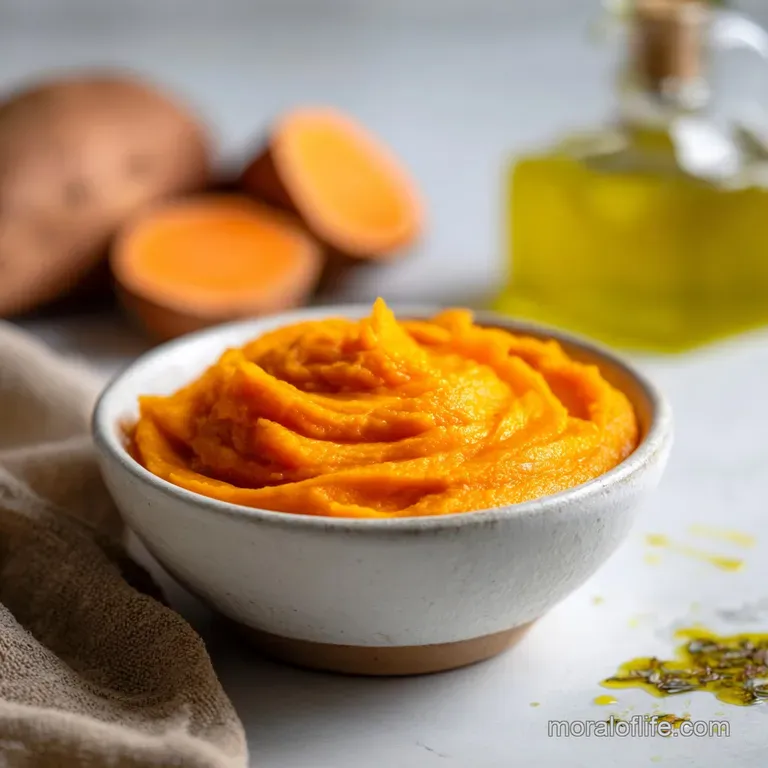
- Preheat oven to 400°F. Note: High heat is crucial for the sugar caramelization inside the skin.
- Scrub 3 large sweet potatoes. Note: Removing dirt prevents gritty bits in the final puree.
- Pierce skins several times with a fork.
- Place on a parchment lined tray. Bake 60 minutes until tender and oozing syrup.
- Let cool 10 minutes. Note: Cooling creates a small steam gap between skin and flesh, making them easy to peel.
- Peel skins away. Watch for the steam release as you open the hot tubers.
- Place flesh into a bowl. Add 1 pinch sea salt and optional 2 tbsp melted butter.
- Mash or blend. Continue until smooth and velvety.
- Add 0.5 tsp cinnamon or nutmeg if using for sweet dishes.
- Add 2 tbsp water or broth if needed. Mix until desired consistency is reached.
Scaling Up and Busting Myths
When you're scaling this up for a crowd, remember that potatoes vary in size. If you double the recipe, you don't necessarily need to double the salt start with a pinch and taste as you go. For baking, I often make a massive batch and freeze it in portions. It's much cheaper than buying the canned stuff!
Myths About Microwaving
One common myth is that microwaving gives you the same result as roasting. It doesn't. Microwaves cook by vibrating water molecules, which can leave your potatoes patchy or tough. Roasting uses dry heat to develop depth of flavor that a microwave simply can't touch.
Scaling for Big Groups
- Double (8 servings): Use two baking sheets to avoid overcrowding, which causes steaming instead of roasting.
- Half (2 servings): Reduce bake time by 10 minutes if using smaller potatoes.
- Baking Batch: If making sweet potato puree for baking, leave out all fats and seasonings until you're ready to use it in your specific recipe.
Solving Common Puree Texture Issues
Why is my puree stringy?
Sometimes older sweet potatoes develop more fiber near the skin. It's frustrating, but it doesn't mean you've failed! Usually, a quick blitz in a blender solves this, but if the fibers are really stubborn, you can push the puree through a fine mesh sieve.
It takes a little elbow grease, but the result is restaurant quality.
| Problem | Root Cause | Solution |
|---|---|---|
| Thin/Runny | Over steaming or excess water | Roast instead of boil, or simmer in a pan to evaporate moisture |
| Dull Color | Oxidation | Add a squeeze of lemon juice to brighten the orange hue |
| Grainy Texture | Under cooked potatoes | Bake until the center reaches 210°F on a thermometer |
Common Mistakes Checklist
- ✓ Not piercing the skin (causes pressure buildup and uneven cooking)
- ✓ Using low starch potatoes (results in a gluey rather than fluffy puree)
- ✓ Adding liquid too early (you can always add more, but you can't take it out)
- ✓ Skipping the salt (salt is the "volume knob" for the sweet potato's natural flavor)
- ✓ Roasting without a tray (the sugary juices will burn on your oven floor)
Creative Variations for Your Puree
This recipe is a blank canvas. If you’re making a sweet potato puree for baking, I suggest keeping the seasonings minimal so you can control the pie or cake batter later. For a quick sweet potato puree recipe on a weeknight, I often skip the blender and just fork mash it with a little extra butter for a rustic, chunky feel.
Sweet Potato Puree Ideas
If you want savory, swap the cinnamon for roasted garlic and a splash of olive oil. For a tropical twist, use coconut milk instead of water. If you are looking for sweet potato puree for dogs, simply roast the potatoes and mash them without any salt, butter, or spices it's a great digestive aid for them!
Sweet Potato Puree For Baby
This is one of the best first foods. Omit the salt and spices. The natural sweetness of the roasted potato is usually enough for little ones. You can thin it out with a little breast milk or formula to reach the perfect consistency for their current stage.
Practical Storage and Reheating Tips
Store your puree in an airtight container in the fridge for up to 4 days. It's perfect for meal prep because it holds its texture remarkably well. If you want to save it longer, it freezes beautifully for 3 months. I like to freeze it in silicone ice cube trays once frozen, pop the cubes into a bag.
It's the ultimate hack for adding a quick boost to oatmeal or smoothies.
Reheating and Zero Waste
To reheat, just microwave in 30 second bursts, stirring in between. If it looks a little dry, a splash of water or milk brings back that silky sheen. Zero Waste Tip: Don't throw away those skins!
Toss them with a little oil and salt, then crisp them in the oven at 400°F for 10 minutes. They make a "shatter crisp" snack that’s full of nutrients.
Perfect Pairings for Your Puree
This puree is basically the utility player of the kitchen. It pairs beautifully with roasted meats or as a base for a hearty grain bowl. If you're looking for more vegetarian inspiration, this works wonders alongside my Earthy Sweetness recipe, which features quinoa and more roasted veggies for a complete, comforting meal.
For a budget smart holiday spread, serve it alongside roasted carrots and parsnips. The concentrated sweetness of the potatoes means you don't even need to add extra brown sugar to the meal. It's naturally impressive without the extra cost, making it a reliable favorite for any normal Tuesday or a festive gathering.
Recipe FAQs
What to puree sweet potatoes with?
Use a blender or food processor for smooth results. For a rustic texture, a potato masher or fork works well. You can add a little water, milk, or melted butter to achieve your desired consistency.
Is sweet potato puree the same as mashed sweet potatoes?
Essentially, yes, but "puree" implies a smoother texture. Mashed sweet potatoes can be slightly chunkier, while puree is typically blended until silky and uniform. The preparation method for both, like roasting, is often the same.
How long is pureed sweet potato good for?
Store in an airtight container in the refrigerator for up to 4 days. For longer storage, it freezes well for up to 3 months. Portioning it in ice cube trays makes it easy to use small amounts later.
Can you blend sweet potatoes in a blender?
Yes, a blender is ideal for achieving a super smooth puree. Ensure the cooked sweet potato is slightly cooled before blending to prevent steam buildup. A high speed blender will yield the silkiest results, perfect for baking like in our Banana Bread: The Moist & Easy Recipe.
What is the best way to make sweet potato puree?
Roast them whole in the oven until very tender. This concentrates their sugars for a naturally sweet, silky texture that boiling cannot achieve. Pierce the skins, bake at 400°F for about 60 minutes, then scoop out the flesh.
Why is my sweet potato puree watery?
This typically happens if you boil them instead of roasting. Boiling adds too much water, diluting the flavor and texture. Roasting allows excess moisture to evaporate, resulting in a concentrated sweetness.
Can I use canned sweet potato puree?
Yes, but homemade is far superior for flavor and texture. Canned versions can sometimes have added sugars or a slightly metallic taste. If you must use canned, look for unsweetened varieties and consider how it might impact the flavor in recipes like Cream Peas Recipe: Velvety Comfort.
Sweet Potato Puree
Ingredients:
Instructions:
Nutrition Facts:
| Calories | 194 kcal |
|---|---|
| Protein | 3.5 g |
| Fat | 0.1 g |
| Carbs | 45.3 g |
| Fiber | 6.8 g |
| Sugar | 9.5 g |
| Sodium | 174 mg |
