Whole 30 Roasted Chicken and Vegetables
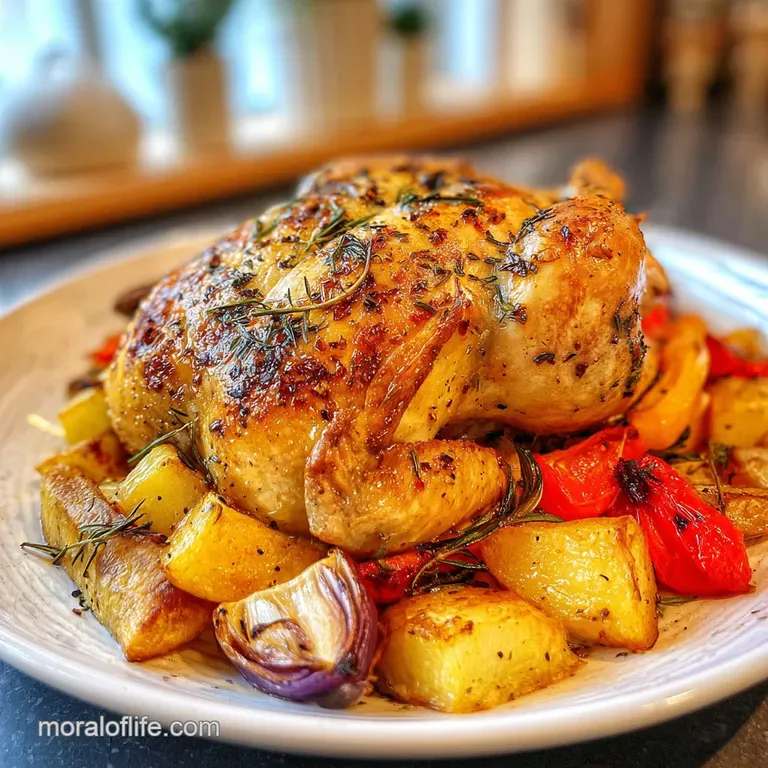
- Time: Active 20 minutes, Passive 45 minutes, Total 1 hour 5 mins
- Flavor/Texture Hook: Shatter crisp skin and caramelized root sweetness
- Perfect for: Weeknight meal prep or a dependable family dinner
- Simple Whole 30 Recipe with Roasted Chicken and Vegetables
- Why Sheet Pan Dinners Actually Work
- Breaking Down Every Key Ingredient
- Essential Tools For Crispy Results
- Step By Step Roasting Guide
- Troubleshooting Common Roasting Problems
- Simple Flavor And Diet Swaps
- Storage And Zero Waste Tips
- Best Sides For Roasted Chicken
- Timing And Meal Prep Guidance
- Recipe FAQs
- 📝 Recipe Card
Nothing beats the sound of that first sizzle when you slide a loaded sheet pan into a scorching oven. I remember the first time I tried a one pan meal, I threw everything in at once and ended up with burnt broccoli and raw potatoes. It was a mess, but it taught me that timing is everything.
This simple Whole 30 recipe with roasted chicken and vegetables is a weeknight dinner winner because it respects the physics of the oven.
We are looking for that specific aroma of toasted rosemary and garlic that fills the kitchen about twenty minutes in. It’s the kind of smell that brings everyone to the table without you having to yell. This isn't just a "throw it in and pray" situation, we are going to layer flavors and textures like a pro.
Trust me on this, once you nail the order of operations, you'll repeat this with confidence every single Tuesday. It's dependable, filling, and feels much more high effort than it actually is. We’ve all had those days where we just want a hot meal without ten dirty pots, and this is the answer.
Simple Whole 30 Recipe with Roasted Chicken and Vegetables
Everything in this pan works together to create a balanced bite. When we roast at high heat, we are looking for specific chemical changes that turn humble produce into something spectacular.
- Maillard Reaction
- The amino acids and sugars in the chicken skin react under high heat to create a brown, savory crust.
- Cellular Breakdown
- Heat softens the pectin in the sweet potatoes, turning them velvety inside while the outside sugars caramelize.
- Evaporative Cooling
- Drying the chicken skin thoroughly prevents steam from trapped moisture, ensuring it turns crispy rather than rubbery.
Component Analysis For Roasting Success
| Ingredient | Science Role | Pro Secret |
|---|---|---|
| Bone in Thighs | Fat insulation | Leave the bone in for more even heat distribution. |
| Kosher Salt | Protein denaturing | Salt the skin 30 minutes early to draw out moisture. |
| Sweet Potatoes | Starch caramelization | Cut uniform sizes so they finish at the exact same time. |
| Extra Virgin Olive Oil | Heat conductor | Use enough to coat, but don't let the veggies swim. |
One thing I've learned from my many mistakes is that the type of pan matters just as much as the heat. You want a heavy rimmed baking sheet. If the metal is too thin, it warps in the heat, and your oil will pool in one corner, leaving half your veggies dry and the other half greasy.
Why Sheet Pan Dinners Actually Work
The beauty of this method lies in how the chicken fat renders out and bashes the vegetables in savory goodness. It's like a natural sauce that builds itself while you’re sitting on the couch.
- Thermal Mass: Using heavy bone in thighs helps maintain a steady temperature on the pan surface.
- Vertical Heat: The oven’s convection currents hit the peaks of the broccoli florets, creating those charred, crispy "trees" that kids actually want to eat.
- Steam Management: By not crowding the pan, we allow moisture to escape, which is the only way to get a true roast instead of a steam.
If you find yourself needing a faster protein fix for a different night, you might like this Air Fryer Chicken Thighs recipe which uses similar seasoning but cuts the time in half.
Breaking Down Every Key Ingredient
- 4 large bone in, skin on chicken thighs (approx. 1.5 lbs):
- Substitute: Chicken drumsticks.
- Why this? Thighs stay juicy at high heat and provide essential healthy fats.
- 1.5 tsp kosher salt:
- Substitute: Sea salt (use slightly less).
- Why this? Larger grains distribute more evenly and pull moisture from the skin effectively.
- 2 tbsp extra virgin olive oil:
- Substitute: Avocado oil.
- Why this? Provides the fat needed for the Maillard reaction to occur.
- 1 tsp dried oregano:
- Substitute: Dried thyme.
- 1 tsp garlic powder:
- Substitute: Granulated onion.
- 2 sprigs fresh rosemary, finely minced:
- Substitute: 1 tsp dried rosemary (crushed).
- 2 medium sweet potatoes (400g):
- Substitute: Butternut squash.
- Why this? The natural sugars caramelize beautifully at 425°F.
- 1 large red onion, cut into thick wedges:
- Substitute: Shallots.
- 2 cups fresh broccoli florets:
- Substitute: Cauliflower.
- 1 bunch fresh asparagus, woody ends trimmed:
- Substitute: Green beans.
- 1 large lemon, half sliced and half juiced:
- Substitute: Apple cider vinegar.
Substitution Trade Offs
| Original Ingredient | Substitute | Why It Works |
|---|---|---|
| Sweet Potatoes | Butternut Squash | Similar density. Note: Squash is slightly more watery. |
| Extra Virgin Olive Oil | Ghee | High smoke point. Note: Adds a rich, buttery flavor profile. |
| Fresh Rosemary | Dried Rosemary | Concentrated oils. Note: Use 1/3 the amount and crush it first. |
For those looking for a purely plant based version of roasted goodness, my Daniel Fast Food recipe offers a great guide on balancing spices without the meat.
Essential Tools For Crispy Results
You don't need a high tech kitchen for this, just a few dependable basics. I always use a large rimmed sheet pan (13x18 inches). Anything smaller will crowd the ingredients, and they’ll end up soggy. You also want a sharp chef's knife.
Cutting the sweet potatoes into clean, 1 inch cubes ensures they cook at the same rate.
Chef's Tip: Put your empty baking sheet in the oven while it preheats. When you toss the potatoes onto that hot metal, they start searing immediately, which prevents them from sticking.
Another trick I swear by is using a cooling rack set inside the sheet pan for the chicken. It allows hot air to circulate under the thighs, making the bottom skin just as good as the top. If you don't have one, just place the chicken directly on the pan, but make sure it’s not touching the wet vegetables.
step-by-step Roasting Guide
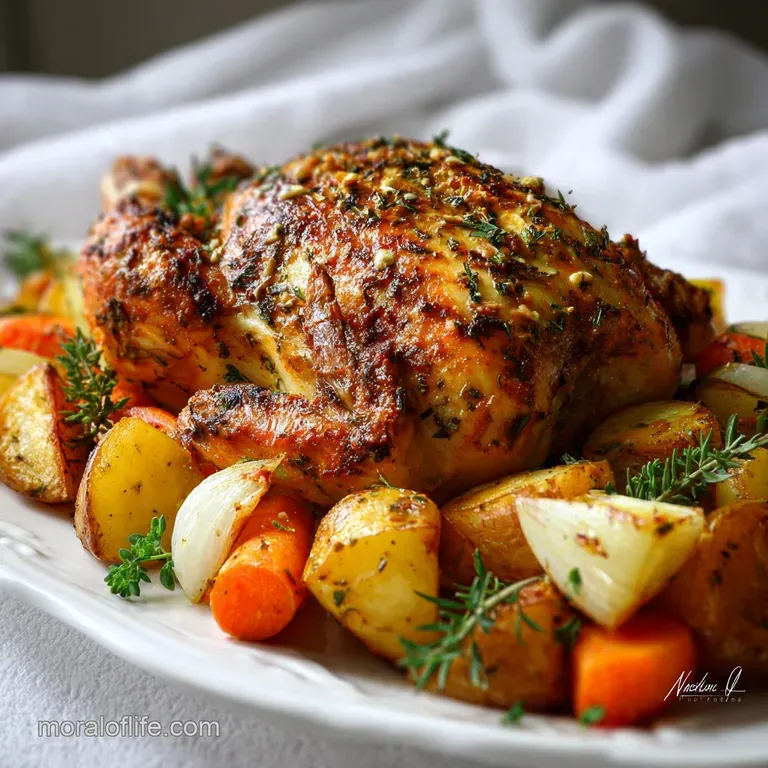
1. Prep the chicken. Pat the thighs bone dry with paper towels. Note: Surface moisture is the enemy of crispy skin.
2. Season the meat. Rub the chicken with half the salt, oregano, garlic powder, and half the olive oil.
3. Cube the potatoes. Cut the sweet potatoes into 1 inch pieces. Aim for uniform sizes.
4. Toss the roots. Mix potatoes and onion wedges with the remaining oil, salt, and rosemary on the pan.
5. Start the roast. Place the chicken on the pan and roast at 425°F (220°C) for 20 minutes. Listen for the sizzle.
6. Prep the greens. While the roots roast, trim the asparagus and break the broccoli into small florets.
7. Add the greens. Move the potatoes to make room, then add the broccoli and asparagus to the pan.
8. Final roast. Bake for another 20-25 minutes until the chicken hits 165°F (74°C) and the skin is golden brown.
9. Brighten the flavor. Squeeze the lemon juice over everything and top with the lemon slices.
10. Rest the meat. Let the chicken sit for 5 minutes before serving. Note: This allows juices to redistribute.
Roasting Timeline
- 0-20 Mins: Chicken and root vegetables roast solo to build a base.
- 20-45 Mins: Add green vegetables; chicken skin finishes crisping.
- 45 Mins+: Resting period to lock in moisture.
Troubleshooting Common Roasting Problems
Why Your Chicken Skin Is Soggy
If your chicken comes out pale and rubbery, the most likely culprit is steam. This happens if the vegetables are too close to the chicken or if you didn't pat the meat dry. Another cause could be a low oven temperature; ensure your oven is actually reaching 425°F using an external thermometer if possible.
| Problem | Root Cause | Solution |
|---|---|---|
| Burnt Broccoli | Added too early | Only add green veggies in the last 20 mins. |
| Hard Potatoes | Cut too large | Keep cubes to 1 inch or less for even cooking. |
| Sticky Veggies | Not enough oil | Ensure every piece has a thin, glossy coating of fat. |
Why Your Garlic Smells Bitter
Garlic powder can burn if it's hit with direct, intense heat for too long without enough fat to protect it. If you find the flavor is too sharp or bitter, try mixing the garlic powder into the oil first before rubbing it onto the chicken. This creates a protective barrier that lets the flavor infuse without scorching.
Rubbery Asparagus
If your asparagus feels like a rubber band, it’s likely overcooked. Asparagus only needs about 12-15 minutes in a hot oven. If yours are very thin "pencil" style stalks, wait until the last 10 minutes of roasting to toss them onto the pan.
Simple Flavor And Diet Swaps
If you want to change things up, this recipe is incredibly forgiving. I’ve made this with parsnips instead of sweet potatoes, and the earthy sweetness was fantastic. Just remember that harder root vegetables always need that head start in the oven.
If you want more heat, add half a teaspoon of red pepper flakes to the seasoning mix. If you want a Mediterranean vibe, swap the rosemary for dried thyme and add a handful of Kalamata olives in the last 10 minutes.
If you want it heartier, use chicken legs instead of thighs, but increase the initial roasting time by 10 minutes.
Stovetop vs. Oven Comparison
| Feature | Stovetop Method | Oven Roasting |
|---|---|---|
| Effort Level | High (constant stirring) | Low (set and forget) |
| Texture | Softer, browned edges | Crispy skin, caramelized exterior |
| Cleanup | Multiple pans | Single sheet pan |
For a faster alternative, you can try my Air Fryer Chicken Tenders recipe which delivers that crunch without the hour long wait time.
Storage And Zero Waste Tips
This meal is a champion for leftovers. You can store the roasted chicken and vegetables in an airtight container in the fridge for up to 4 days. When you’re ready to eat, don't use the microwave if you want to keep the skin crispy.
Instead, pop it back into a 350°F oven or an air fryer for 5-8 minutes.
Zero Waste Tip: Don't throw away the woody ends of the asparagus or the onion peels! Keep a "stock bag" in your freezer. Throw those scraps in along with the chicken bones after you've eaten.
Once the bag is full, simmer everything with water for a few hours to make a rich, Whole 30 compliant bone broth. It’s basically free liquid gold.
Freezing is possible, but I'll be honest with you: the broccoli and asparagus lose their snap after being frozen and thawed. If you plan to freeze this, I’d suggest only freezing the roasted chicken and sweet potatoes. They hold up much better to the ice crystals.
Best Sides For Roasted Chicken
Honestly, this is a full meal on its own, which is why I love it. But if you're feeding a crowd or just want a bit more variety, a cold crisp salad is a great counterpoint to the warm, roasted flavors. A simple arugula salad with lemon and olive oil mimics the flavors already in the pan.
You could also serve this over a bed of cauliflower rice to soak up all those rendered chicken juices. It adds more volume to the meal without breaking the Whole 30 rules. If you aren't strictly following Whole 30, a side of crusty bread to swipe up the flavored oil on the pan is a real treat.
Timing And Meal Prep Guidance
1. How far ahead can I prep the vegetables?
You can chop the sweet potatoes, onions, and broccoli up to 2 days in advance. Just keep the sweet potatoes in a bowl of water in the fridge so they don't turn brown, then pat them bone dry before roasting.
2. Can I make this the night before for a meal prep lunch?
Absolutely. It's one of my favorite "normal Tuesday" lunches. The flavors actually meld together overnight. Just be aware the chicken skin will soften, but the meat stays incredibly juicy.
3. What if I want to use chicken breasts instead?
Chicken breasts cook much faster and have less fat, so they can dry out easily. If using breasts, I recommend keeping them whole and checking the temperature at the 15 minute mark. You might need to remove them from the pan and let the vegetables finish on their own.
4. Can I use frozen vegetables?
You can, but I wouldn't recommend it for the broccoli or asparagus if you want that "roast" texture. Frozen veggies release a lot of water as they thaw, which will steam the chicken instead of roasting it. If you must use frozen, roast them on a completely separate pan.
5. How do I know for sure the chicken is done without a thermometer?
Pierce the thickest part of the thigh with a knife. The juices should run completely clear, not pink. Also, the meat should start to pull away slightly from the bone. But seriously, a $10 meat thermometer is the best investment you'll ever make for your kitchen.
Recipe FAQs
What is the ideal oven temperature for this recipe?
425°F (220°C) is ideal. This high heat is crucial for achieving the Maillard reaction on the chicken skin and caramelizing the vegetables without overcooking them.
How can I ensure crispy chicken skin?
Pat the chicken thighs completely dry with paper towels. Moisture is the enemy of crispy skin; removing it allows the skin to render and crisp up beautifully in the hot oven.
Why are sweet potatoes added first?
Sweet potatoes require more time to cook and caramelize. Adding them at the beginning ensures they become tender and sweet, while the chicken builds its sear.
Can I substitute other vegetables for broccoli and asparagus?
Yes, but adjust timing accordingly. Faster cooking vegetables like bell peppers or zucchini should be added in the last 15-20 minutes. If you enjoyed mastering the staged roasting here, see how the same principle of adding ingredients based on cooking time applies in our Vegan Chili Recipe: Velvety Fire Roasted Base.
What if my chicken skin is still not crispy?
Ensure your oven is truly at temperature and the chicken skin was dry. If the chicken is near your oven's heating element, you can broil for 1-2 minutes at the very end, watching carefully to prevent burning.
How do I prevent vegetables from becoming mushy?
Add delicate greens like broccoli and asparagus towards the end of cooking. This prevents them from overcooking and becoming waterlogged, maintaining their texture and vibrant color.
Can I make this recipe ahead of time?
Yes, you can prep components ahead. Chop vegetables up to 2 days in advance and store sweet potatoes submerged in water. Salting the chicken up to 24 hours ahead also enhances flavor and crispiness. For a speedy weeknight option, consider our for Quick Dinner ideas.
Whole 30 Roasted Chicken
Ingredients:
Instructions:
Nutrition Facts:
| Calories | 442 kcal |
|---|---|
| Protein | 31g |
| Fat | 22g |
| Carbs | 32g |
| Fiber | 8g |
| Sugar | 7g |
| Sodium | 870mg |
