Barefoot Contessa Pasta Fagioli: Hearty and Traditional
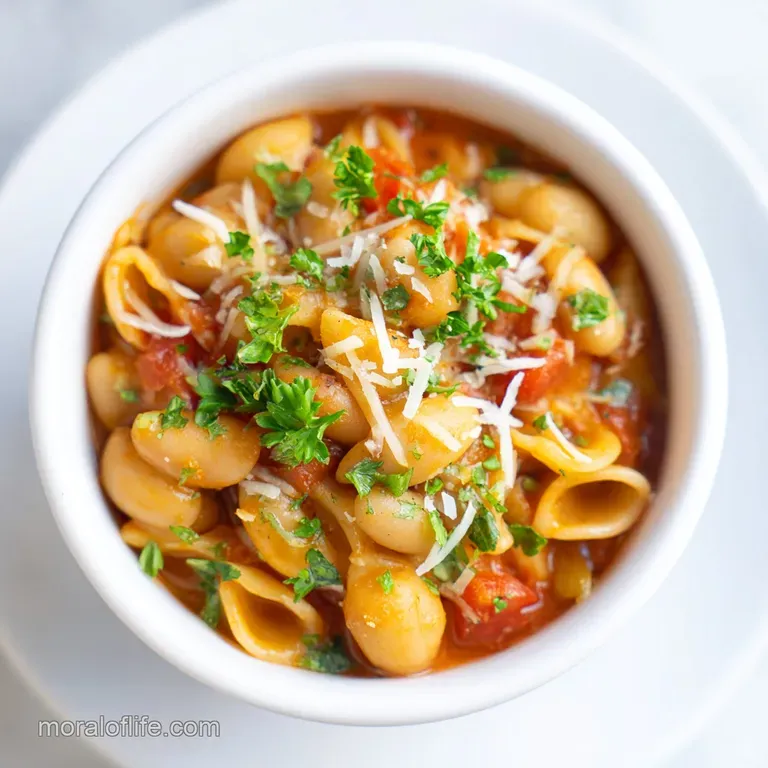
- Time: Active 15 minutes, Passive 45 minutes, Total 60 minutes
- Flavor/Texture Hook: Savory, velvety broth with chewy pasta
- Perfect for: A normal Tuesday or cozy meal prep
- Mastering the Barefoot Contessa Pasta Fagioli Recipe
- Why This Simple Soup Actually Works
- Component Analysis and Ingredient Roles
- Necessary Kitchen Tools for Success
- Efficient Preparation and Ingredient Substitutes
- Step-by-Step Cooking Instructions
- Common Mistakes and Troubleshooting
- Smart Scaling for Large Groups
- Debunking Italian Soup Myths
- Storage and Zero Waste Tips
- Serving Suggestions for a Complete Meal
- High in Sodium
- Recipe FAQs
- 📝 Recipe Card
Mastering the Barefoot Contessa Pasta Fagioli Recipe
Forget the myth that an authentic Italian soup requires you to stand over a simmering pot for four hours on a Sunday afternoon. I used to think that unless I soaked dried beans overnight and used a secret stash of homemade bone broth, the result would be thin and uninspiring.
But here’s the truth: you can achieve a rich, restaurant quality depth in exactly 60 minutes using pantry staples and one specific technique that changes everything.
The secret isn't in a long simmer; it’s in the "soffritto" and the bean texture. When you hear the diced pancetta begin to sizzle and pop in the Dutch oven, you're not just cooking meat you're rendering out a liquid gold that coats every piece of celery and carrot.
This barefoot contessa pasta fagioli recipe relies on layering these humble flavors so that by the time the ditalini hits the broth, the base is already singing.
I’ve made the mistake of just dumping everything in at once, and trust me, you get a watery mess that tastes like "bean water." By following this specific order of operations, we’re creating a foundation that tastes like it’s been aging in a cellar in Tuscany.
It’s comforting, dependable, and honestly, better than most versions I’ve paid $20 for at fancy bistros. Let's get into what actually makes this soup thick and velvety.
Why This Simple Soup Actually Works
Many people struggle with "thin" soup, but we have a few tricks to ensure every spoonful is substantial. It’s about managing the starch and the fats in a way that creates a unified broth rather than a separated liquid.
- The Starch Bridge: Pureeing half of the cannellini beans releases natural starches that act as a thickener, binding the chicken stock and tomato juice into a silky emulsion.
- Fat Satiety: Using both olive oil and rendered pancetta fat provides a complex mouthfeel that carries the herbal notes of the oregano much further.
- Pasta Osmosis: Cooking the ditalini directly in the soup allows the pasta to absorb the savory broth rather than just plain water, while its released starch further tightens the liquid.
- Aromatic Foundation: Sautéing the "holy trinity" (onion, carrots, celery) until they lose their structural integrity ensures their sweetness melts into the background.
| Method | Total Time | Texture | Flavor Profile |
|---|---|---|---|
| This Fast Version | 60 minutes | Velvety & Chunky | Bright, herbaceous, smoky |
| Traditional Classic | 4 hours + | Very Thick/Stew like | Deep, earthy, mellowed |
| Slow Cooker | 8 hours | Soft & Homogeneous | Integrated, less texture |
The beauty of this barefoot contessa pasta fagioli recipe is that it fits into a normal Tuesday night without sacrificing the "slow cooked" soul of the dish. By using ground beef, we get instant browning and texture that would normally take hours of braising a tough cut of pork or beef.
Component Analysis and Ingredient Roles
The success of your pasta fagioli recipe depends on the quality of your base. While we are being budget smart, don't skimp on the browning of the meat that's where the "umami" lives.
| Ingredient | Science Role | Pro Secret |
|---|---|---|
| Pancetta | Flavor fat source | Render slowly to avoid burning the milk solids |
| Cannellini Beans | Texture & Thickener | Puree exactly half to balance silkiness with bite |
| Ditalini Pasta | Starch contributor | Add at the very end to prevent a "sludge" texture |
| San Marzano Tomatoes | Acidic balance | Crushing by hand leaves rustic, meaty chunks |
For the most dependable results, I always recommend using low sodium chicken stock. It gives you total control over the seasoning. If you use full sodium stock, the parmesan at the end might push the saltiness over the edge. If you find yourself craving a different flavor profile, you might enjoy this creamy tomato garlic pasta which uses a similar aromatic base but moves in a silkier, cheese forward direction.
Necessary Kitchen Tools for Success
You don't need a professional kitchen, but a heavy bottomed pot is non negotiable here. A thin pot will scorch the beans as they settle to the bottom during the simmer phase.
- Large Dutch Oven: A 6 quart cast iron pot (like a Lodge) is ideal for even heat distribution.
- Blender or Food Processor: You only need this for 30 seconds to puree the beans.
- Wooden Spoon: Best for scraping the "fond" (the brown bits) off the bottom of the pot.
- Sharp Chef's Knife: Essential for getting the carrots and celery into uniform, small dice.
Chef's Tip: If you don't want to wash a blender, just use a potato masher directly in the bean can with a little stock. It’s not as perfectly smooth, but it gets the job done for a rustic feel.
Efficient Preparation and Ingredient Substitutes
Preparing your barefoot contessa pasta fagioli recipe is all about the "mise en place." Since the cooking happens fast once the heat is on, have everything chopped and ready.
- 2 tbsp Extra Virgin Olive Oil: Substitute with avocado oil or even butter if you want a richer, French style finish.
- 4 oz Pancetta, diced: Bacon is a perfect budget swap; it adds a bit more smokiness which is actually quite lovely.
- 1 lb Lean ground beef: Ground turkey works well, but add an extra teaspoon of olive oil to compensate for the lower fat. Why this? Beef provides the traditional iron rich depth that defines this hearty soup.
- 1 large Yellow onion: White onion or two large shallots will work in a pinch.
- 2 medium Carrots: Don't peel them if they are organic; just scrub well for extra nutrients.
- 2 stalks Celery: If you hate celery, fennel provides a beautiful, sophisticated aromatic swap.
- 4 cloves Garlic, minced: Use 1 tsp of garlic powder if you're out of fresh, but fresh is vastly superior.
- 2 cans (15 oz each) Cannellini beans: Great Northern beans or Navy beans are nearly identical in texture.
- 1 can (28 oz) Crushed San Marzano tomatoes: Standard crushed tomatoes work; just add a pinch of sugar to mimic the San Marzano sweetness. Why this? San Marzanos have fewer seeds and a thicker flesh, making for a better sauce base.
- 6 cups Low sodium chicken stock: Vegetable stock keeps it lighter, or beef stock for a much heavier, meatier soup.
- 1 tsp Dried oregano: Swap for Italian seasoning or fresh thyme if you have it in the garden.
- 1/2 tsp Crushed red pepper flakes: Skip if you’re sensitive to heat, though this amount is very mild.
- 1 cup Ditalini pasta: Any small shape like elbow macaroni or orzo works. Why this? Ditalini is the classic "little thimbles" shape that fits perfectly on a soup spoon with a bean.
| Original Ingredient | Substitute | Why It Works |
|---|---|---|
| Pancetta | Smoked Bacon | Similar salt/fat content with a deeper smoky finish. |
| Cannellini Beans | Chickpeas | Sturdier bite. Note: Does not puree as smoothly as cannellini. |
| Ditalini | Small Shells | Holds the broth inside the shell for a "burst" of flavor. |
If you are looking for a lighter pasta dish for a different night, this chicken pasta in 30 minutes is a great way to use up any leftover chicken stock you might have in the fridge.
step-by-step Cooking Instructions
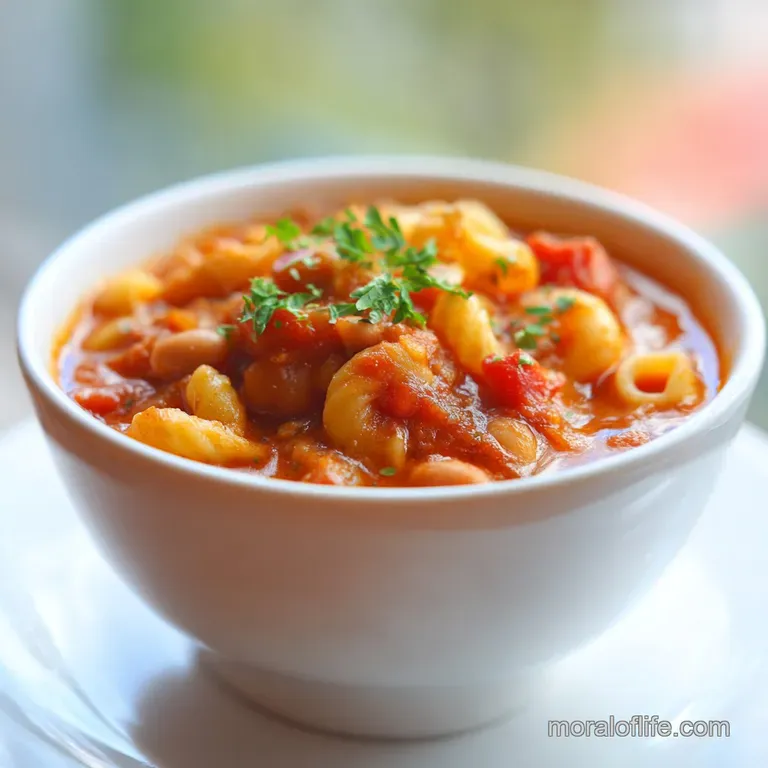
- Render the fat. Heat the olive oil in a large Dutch oven over medium heat. Add the diced pancetta and ground beef. Cook for about 6-8 minutes until the beef is fully browned and the pancetta is crisp. Note: Breaking the meat into very small crumbles ensures a bit of beef in every spoonful.
- Build the flavor base. Add the chopped onion, carrots, and celery to the pot. Sauté for 8-10 minutes until the vegetables are softened and the onions are translucent. This is where the sweetness develops.
- Bloom the aromatics. Stir in the minced garlic, oregano, and red pepper flakes. Cook for 1 minute until you smell the garlic blooming. Don't let the garlic turn brown or it will become bitter.
- Prepare the bean thickener. Take one can of the cannellini beans and puree them in a blender with a splash of the chicken stock.
- Simmer the soup body. Add the crushed tomatoes, the whole beans, the pureed beans, and the 6 cups of chicken stock to the pot.
- Develop the depth. Bring the soup to a boil, then reduce heat and simmer for 20 minutes until the broth looks unified and slightly thickened.
- Cook the pasta. Add the ditalini pasta directly to the pot. Cook for 8-10 minutes until the pasta is al dente. It should have a slight bite because it will continue to soften in the hot soup.
- Final Seasoning. Adjust with kosher salt and black pepper. Stir in the grated Parmesan and fresh parsley right before serving.
- Garnish and serve. Ladle into bowls and top with fresh basil leaves.
Common Mistakes and Troubleshooting
The biggest hurdle with any fagioli recipe is the pasta. Pasta is a sponge; if it sits in the liquid too long, it will drink the soup dry.
The Creamy Pureed Bean Technique
If your soup feels too thin, you likely didn't puree the beans enough or used a stock that was too watery. The fix is simple: take a ladle of the soup (beans and all) and blend it again, then stir it back in. This creates an instant body without adding flour or cornstarch which would dull the flavor.
Preventing Burned Bitter Garlic
Garlic burns in seconds. I always add my onions and carrots first because their moisture protects the garlic. If you see the garlic turning dark brown or black, you must start over. That bitter taste will permeate the entire 6 cups of stock, and no amount of parmesan can hide it.
| Problem | Root Cause | Solution |
|---|---|---|
| Soup is too thick | Pasta absorbed too much liquid | Add 1/2 cup of hot stock or water to loosen. |
| Meat feels "greasy" | Fat wasn't drained or properly emulsified | Skim the surface with a spoon or add more pureed beans. |
| Pasta is mushy | Overcooked or sat too long | Cook 2 mins less than package directions next time. |
Common Mistakes Checklist
- ✓ Always rinse your canned beans to remove the metallic tasting canning liquid.
- ✓ Don't skip the pancetta; it provides the "backbone" flavor that salt alone can't achieve.
- ✓ Preheat your pot for 2 full minutes before adding the oil to ensure a good sear on the beef.
- ✓ If you plan on having leftovers, cook the pasta separately and add it to individual bowls.
- ✓ Taste for salt after adding the parmesan, as the cheese is quite salty itself.
Smart Scaling for Large Groups
If you're hosting a big family dinner, this recipe scales beautifully, but you have to watch the liquid ratios.
Scaling UP (2x): When doubling the recipe to 16 servings, use a 10 quart pot. Increase the salt and spices to only 1.5x at first, then taste. Liquids usually don't evaporate as quickly in larger volumes, so start with 10 cups of stock instead of 12 and add more only if needed.
Cook the pasta in a separate pot if you aren't serving the whole batch immediately to avoid "The Sludge Factor."
Scaling DOWN (1/2): For 4 servings, use a medium saucepan. Since smaller batches evaporate faster, keep the pot covered while simmering. Use a small egg or just half a can of tomatoes (freeze the rest).
The cook times remain largely the same, but the vegetable softening might happen 2 minutes faster.
Debunking Italian Soup Myths
There is a common belief that "Pasta e Fagioli" must be a thick stew where the spoon stands up straight. While some regions in Italy prefer it that way, the barefoot contessa pasta fagioli recipe is intended to be a zuppa—a soup. It should be flowery and liquid, not a paste.
Another myth is that you must use ditalini. While it is the tradition, the dish was originally a "peasant" meal designed to use whatever scrap pasta was in the cupboard. If you have half a box of penne and some broken spaghetti, use it! The flavor comes from the broth, not the shape of the starch.
Storage and Zero Waste Tips
This soup actually tastes better on day two, provided the pasta hasn't dissolved.
- Fridge: Store in an airtight container for up to 4 days. If the soup thickens too much, add a splash of water when reheating.
- Freezer: This soup freezes perfectly without the pasta. If you're meal prepping, freeze the base. When you're ready to eat, boil the base and drop the pasta in fresh. It will last 3 months in the freezer.
- Zero Waste: Don't throw away the Parmesan rind! Drop the hard rind into the soup while it simmers in Step 5. It melts slightly and adds a massive punch of umami flavor. Just fish it out before serving. You can also use the celery leaves finely chop them and mix them with the parsley for an extra herbal kick.
Serving Suggestions for a Complete Meal
The classic way to serve this fagioli recipe is with a hunk of crusty sourdough bread rubbed with a raw garlic clove. The bread acts as a vessel for the thick, bean enriched broth.
The Classic Pairing
A simple green salad with a sharp lemon vinaigrette cuts through the richness of the ground beef and pancetta. It cleanses the palate between bites of the hearty soup.
The Light Side
If you want to keep things lighter, serve this alongside roasted zucchini or steamed broccoli. Since the soup is already heavy on carbs and protein, you don't need much else to feel satisfied. A glass of Chianti or a crisp Pinot Grigio also complements the acidity of the San Marzano tomatoes beautifully.
This barefoot contessa pasta fagioli recipe is more than just a meal; it's a dependable friend on a cold evening. It’s the kind of dish that makes your kitchen smell like a home, and once you master the bean puree trick, you’ll never go back to "thin" soup again. Enjoy every spoonful!
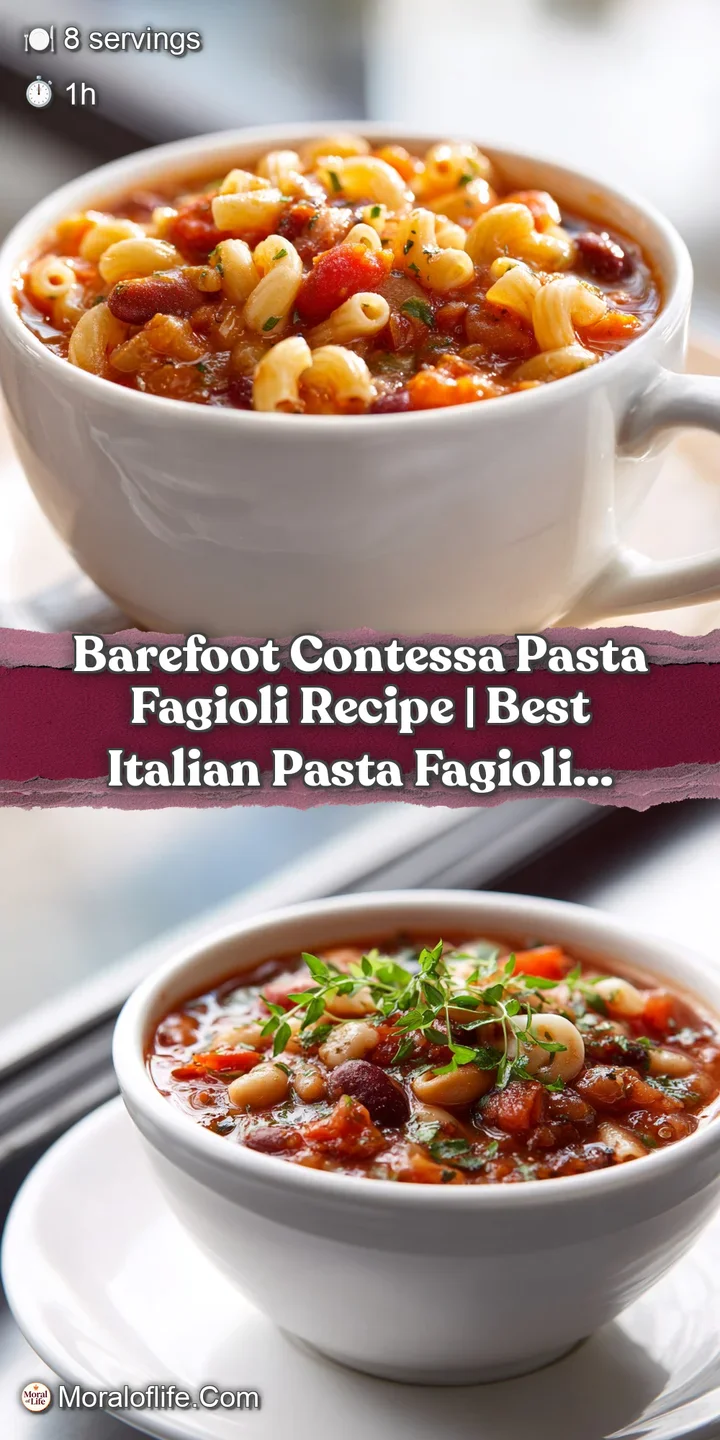
High in Sodium
915 mg of sodium per serving (40% of daily value)
The American Heart Association recommends a limit of about 2,300mg of sodium per day, ideally moving toward a 1,500mg limit for most adults.
Tips to Reduce Sodium
-
Switch to Low-Sodium Stock-30%
Replace the 6 cups of regular chicken stock with low-sodium chicken stock. This is a significant contributor to the overall sodium content.
-
Halve the Salt-25%
Reduce the 1 teaspoon of Kosher salt to 1/2 teaspoon. You can always add more salt at the table if needed.
-
Choose Lower Sodium Pancetta-25%
Opt for a lower sodium version of pancetta if available, or consider using a salt free alternative like smoked paprika for flavor.
-
Rinse Canned Beans Thoroughly-20%
While already specified as rinsed and drained, ensure you rinse and drain the cannellini beans very well under cold water to remove excess sodium from the canning liquid.
-
Use Less Parmesan Cheese-15%
Reduce the 1/2 cup of freshly grated Parmesan cheese to 1/4 cup. Parmesan is naturally high in sodium, so a little goes a long way.
-
Amplify with Fresh Herbs and Spices
Boost flavor with fresh herbs like parsley and basil, and consider adding other sodium free spices and aromatics like onion powder, garlic powder, or a pinch of smoked paprika.
Recipe FAQs
What makes Stanley Tucci's pasta fagioli unique?
He often emphasizes using specific bean textures. While this recipe uses a mix of whole and pureed cannellini beans for body, he focuses heavily on the tradition of creating a creamy, broth based texture rather than a heavy, stew like consistency.
What is the difference between pasta fazool and pasta fagioli?
There is no difference in the dish itself. "Pasta fazool" is simply the Neapolitan pronunciation of the standard Italian phrase "pasta e fagioli," which translates literally to "pasta and beans."
What was Dean Martin's favorite food to eat?
He famously loved simple, rustic Italian comfort foods. His preference for classic dishes like pasta e fagioli helped popularize these authentic, home style recipes in American culture during the mid-20th century.
Do they eat pasta fagioli in Italy?
Yes, it is a staple throughout the country. Every region has its own variation, though most rely on the same fundamental building blocks of legumes, aromatics, and small pasta shapes.
How to prevent the pasta from soaking up all the broth?
Cook the ditalini separately or add it right before serving. If you anticipate leftovers, keeping the pasta and broth separate prevents the starch from absorbing all your liquid, which is the same logic we use for maintaining the bite in our classic chicken pot pie pasta.
How to store leftovers for the best results?
Keep the soup base and pasta in separate airtight containers in the fridge. Because the ditalini acts like a sponge, storing them apart ensures the soup maintains its original consistency for up to four days.
How to fix the soup if it gets too thick after refrigeration?
Whisk in a splash of water or extra chicken stock when reheating. The starch in the pasta and pureed beans will naturally thicken the liquid while chilled, so adding a small amount of liquid brings the soup back to its ideal texture.
Barefoot Contessa Pasta Fagioli
Ingredients:
Instructions:
Nutrition Facts:
| Calories | 408 kcal |
|---|---|
| Protein | 27.4 g |
| Fat | 15.2 g |
| Carbs | 39.6 g |
| Fiber | 7.8 g |
| Sugar | 5.1 g |
| Sodium | 915 mg |
