Best Chewy Chocolate Chip Cookies Recipe
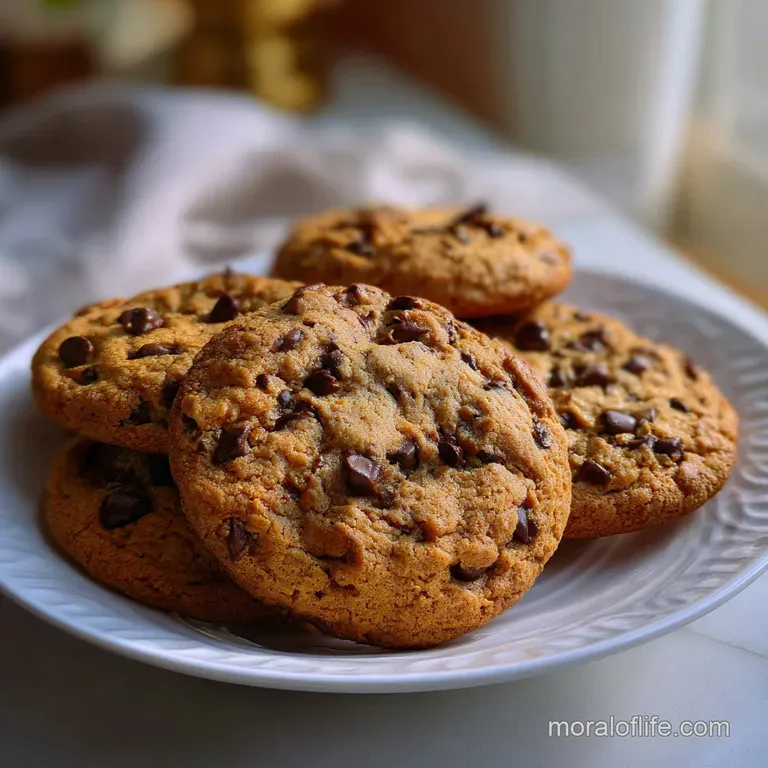
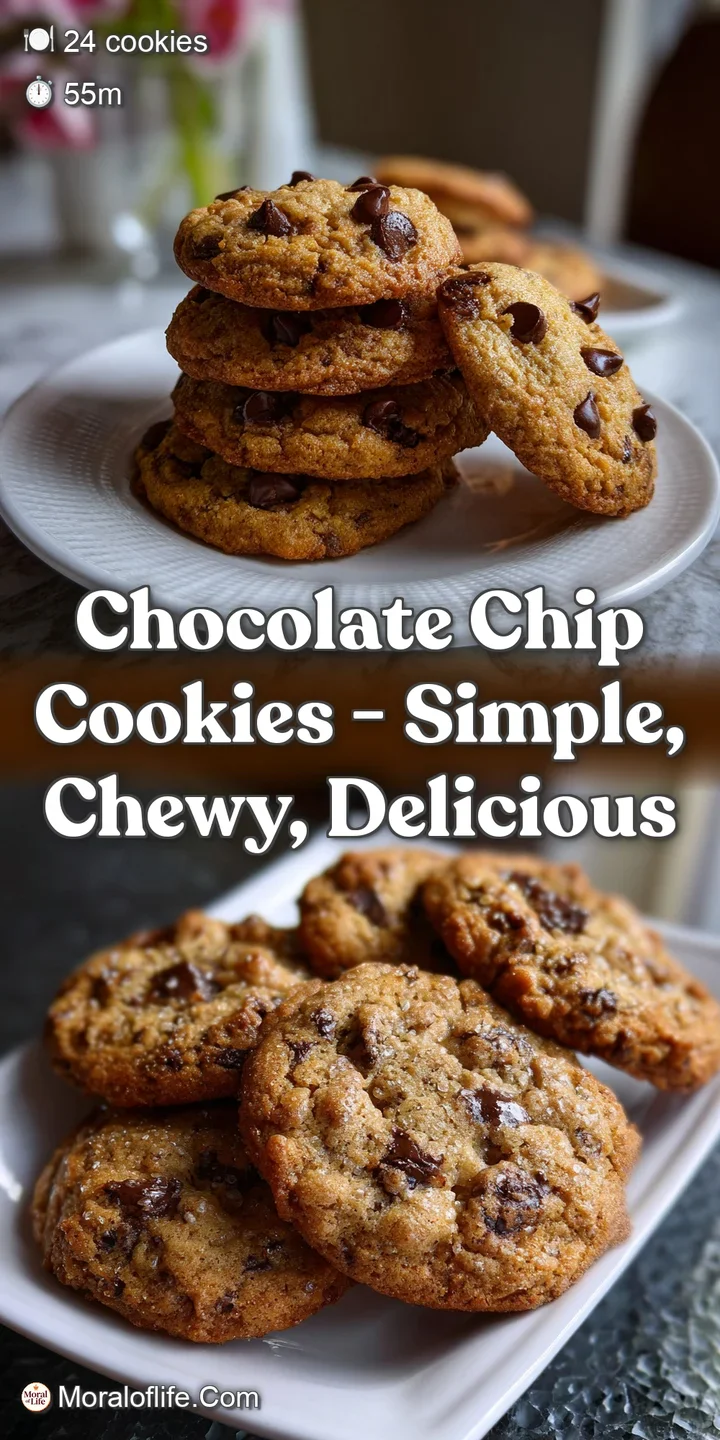
- Effort/Time: 55 minutes (including mandatory 30 minute chill)
- Flavor Hook: Deep toffee notes from caramelized sugars paired with semi-sweet cacao.
- Perfect for: Crowd-pleasing gatherings, holiday gift boxes, or late-night grab-and-go treats for your Chocolate Chip Cookies cravings.
- Master the Ultimate Chocolate Chip Cookies
- The Science of Why Cookies Stay Chewy
- Precision Measurements and Checkpoints for Success
- The Chemistry of Your Pantry Elements
- Essential Tools for Thermal Efficiency
- Executing the Multi-Phase Baking Protocol
- Solving Common Structural Failures in Dough
- Adapting Flavors Without Compromising Texture
- ⚗️ The Scaling Lab: The Physics of Quantity
- Common Myths
- Preservation Logistics and Zero-Waste Tips
- Aesthetic Presentation and Garnish Strategy
- Recipe FAQs
- 📝 Recipe Card
Master the Ultimate Chocolate Chip Cookies
There is nothing more frustrating than spending $20 on high end butter and chocolate only to pull a tray of puddle thin, oily wafers out of the oven. I’ve lived through that expensive nightmare staring at a "fail" that tastes like nothing but raw sugar and disappointment.
It usually happens because the ratios are off or the temperature wasn't respected, turning a simple mixing task into a culinary disaster for your Chocolate Chip Cookies.
I once destroyed three consecutive batches because I refused to believe that chilling the dough mattered. I thought I could outsmart the physics of butter fat by using a colder oven, but I just ended up with cookies that were burnt on the bottom and raw in the middle.
It was a humbling lesson in patience and the specific mechanics of starch hydration that I’m sharing with you now so you don't repeat my mistakes when making Chocolate Chip Cookies.
The secret to this Masterclass level result isn't a "secret" ingredient; it’s the Maillard reaction and osmotic pressure. By using a higher ratio of 150g light brown sugar to 100g granulated sugar, we introduce molasses, which is hygroscopic meaning it pulls moisture into the dough.
This creates that signature "chewy snap" while the 225g of unsalted butter provides the lipids needed for a rich, mahogany colored finish and a shattering exterior, defining what perfect Chocolate Chip Cookies should be.
The Science of Why Cookies Stay Chewy
- Hygroscopic Hydration: The molasses in the 150g light brown sugar attracts and holds water molecules, preventing the cookie from drying out during the bake. This is crucial for chewy Chocolate Chip Cookies.
- Gluten Inhibition: The 11.2g of fat per serving coats the flour proteins, preventing the 280g of all-purpose flour from forming a tough, bready network.
- Maillard Browning: Amino acids from the large egg and egg yolk react with the sugars at 154°C, creating hundreds of flavor compounds that taste like caramel and toasted nuts, giving these Chocolate Chip Cookies their deep color.
- Starch Gelatinization: During the 10 minutes bake time, the flour's starches absorb moisture and expand, setting the structure before the butter melts completely, locking in the chewiness of these Chocolate Chip Cookies.
Precision Measurements and Checkpoints for Success
- 1. Dough Temperature
- Ensure your 225g butter is exactly 18°C (cool to the touch but indentable) before creaming to prevent premature melting.
- 2. Chilling Duration
- A minimum of 30 minutes in the fridge is non-negotiable; this allows the 280g of flour to fully hydrate for structural integrity in your Chocolate Chip Cookies.
- 3. Pull Temp
- Remove cookies when the edges are set but the center registers 85°C (if using a probe) or looks slightly "wet" and underbaked.
| Method | Texture Outcome | Heat Distribution |
|---|---|---|
| Oven (Traditional) | Uniformly crisp edges with a soft, aerated center. | Convection heat surrounds the dough for a consistent rise. |
| Stovetop (Cast Iron) | Ultra fudgy, dense, and "pizookie" style with a crusty bottom. | Direct conductive heat creates a heavy, caramelized base. |
The Chemistry of Your Pantry Elements
| Ingredient | Chemical/Physical Role (Science) | The Pro Secret (Why This Matters) |
|---|---|---|
| Land O'Lakes Unsalted Butter | Lipid based fat for Maillard reaction and steam leavening. | Controls spread; unsalted allows for precise sea salt seasoning. |
| King Arthur All-Purpose Flour | Provides the protein (gluten) framework for structural integrity. | 11.7% protein ensures the cookie doesn't collapse but stays tender. |
| Domino Light Brown Sugar | Increases acidity to react with baking soda for lift. | The molasses content adds moisture and a deeper, toffee like flavor profile. |
| Semi sweet Chocolate Chips | Fat-rich inclusions that stabilize the internal temperature. | High cacao butter content ensures a velvety melt that doesn't "break" in your finished Chocolate Chip Cookies. |
Ingredient Choices and Substitutions
- 280g All-purpose flour: Why this? Provides the perfect protein balance for structure without becoming bready.
- Substitute: 280g gluten-free 1:1 blend. Result: Denser texture with less spread in your Chocolate Chip Cookies.
- 225g Unsalted butter: Why this? High fat content creates a shattering, flaky edge through steam evaporation.
- Substitute: 225g Vegan Butter sticks. Result: Slightly crispier edges, less "dairy" flavor.
- 150g Light brown sugar: Why this? High acidity triggers the 1 tsp baking soda for a better rise.
- Substitute: 150g Dark brown sugar. Result: Stronger molasses flavor and softer, darker center.
- 1 large Egg + 1 Egg yolk: Why this? The extra yolk adds lecithin for a richer, velvety mouthfeel.
- Substitute: 1/4 cup Applesauce (for the yolk only). Result: Lighter, more cake like texture for these Chocolate Chip Cookies.
Essential Tools for Thermal Efficiency
- KitchenAid Stand Mixer: Using the paddle attachment ensures even aeration without over incorporating air, which causes "puffy" cookies.
- Lodge Cast Iron Skillet (Optional): If you want the stovetop version, this retains heat longer for a superior bottom crust.
- Nordic Ware Aluminum Sheet Pan: Aluminum conducts heat rapidly and evenly, preventing the bottoms of your Chocolate Chip Cookies from burning before the centers set.
- Silpat Silicone Baking Mat: Reduces the direct heat to the bottom of the cookie, encouraging a more even spread and preventing sticking.
Executing the Multi Phase Baking Protocol
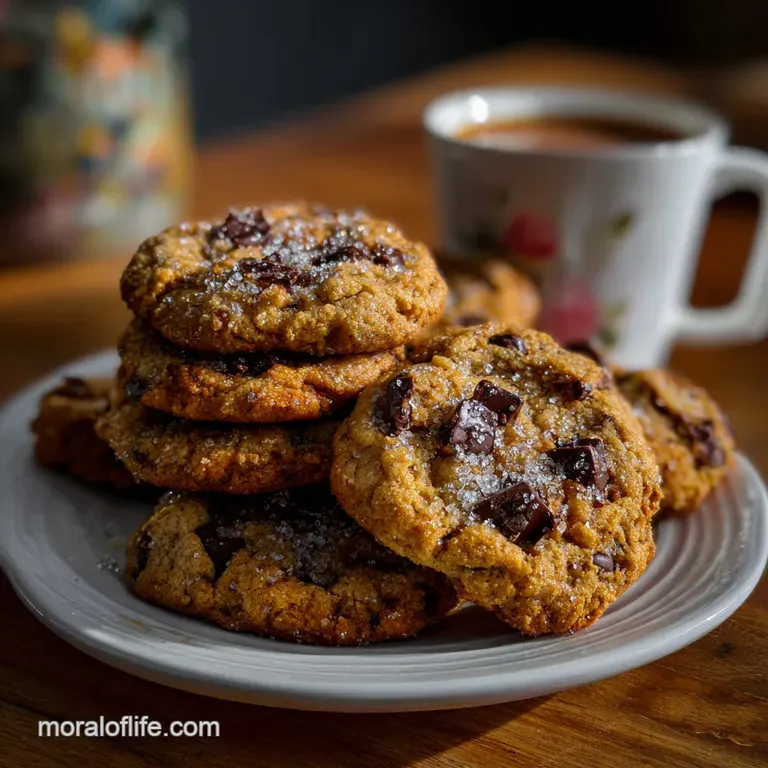
- Soften 225g Unsalted Butter.Note: Fat must be 18°C to trap air during creaming.
- Cream 150g light brown sugar and 100g granulated sugar.Note: Beat for 3 minutes until the mixture looks pale, fluffy, and no longer feels gritty between fingers.
- Incorporate 1 large egg and 1 egg yolk.Note: Adding the extra yolk increases the lecithin-to-flour ratio for a fudgy texture.
- Emulsify 2 tsp vanilla extract.Note: Mix for 1 minute until the batter is glossy and thick, resembling a smooth pudding.
- Whisk 280g flour, 1 tsp baking soda, and 1/2 tsp sea salt.Note: Pre-mixing dry ingredients prevents "clumping" of the leavener.
- Combine dry and wet ingredients.Note: Mix on low speed until only a few streaks of white flour remain visible to prevent gluten over development.
- Fold in 250g semi sweet chocolate chips.Note: Distribute evenly until the chips are suspended throughout the dough without over mixing.
- Chill the dough for 30 minutes. Note: This allows the starch to hydrate and the fat to solidify, preventing excessive spread in the final Chocolate Chip Cookies.
- Scoop 2 tablespoon portions onto pans.Note: Leave 5cm between balls until the tray is evenly filled for optimal airflow.
- Bake at 190°C for 10 minutes. Note: Remove until the edges are golden mahogany and the center looks slightly pale and jiggly.
Solving Common Structural Failures in Dough
When baking Chocolate Chip Cookies, the balance of fat and sugar is delicate. If your cookies are spreading too much, it’s usually a failure of lipid solidification.
When the butter is too warm during the mixing phase, it doesn't create the necessary air pockets, leading to a dough that melts before the starch can set.
| Problem | Root Cause | The Fix | Pro Protocol |
|---|---|---|---|
| Thin/Flat Cookies | Butter was too soft/melted before baking. | Chill the dough for an extra 1 hour. | Use a cold baking sheet for every new batch of Chocolate Chip Cookies. |
| Bready/Cakey Texture | Over beating the eggs or too much flour. | Weigh flour (280g) exactly; don't use volume. | Fold flour by hand instead of using the mixer. |
| Burnt Bottoms | Dark baking sheets absorbing too much IR heat. | Use light colored aluminum pans or Silpat. | Double stack baking sheets to create an air insulation layer. |
Chef's Tip: To deepen the flavor of your Chocolate Chip Cookies, add 1/2 tsp of espresso powder to the dry ingredients. It won't taste like coffee, but it acts as a flavor catalyst that makes the semi sweet chocolate taste more "chocolatey."
Adapting Flavors Without Compromising Texture
If you want to customize this recipe, remember that every addition changes the moisture-to-fat ratio. Adding wet ingredients like maple syrup or honey will drastically increase the spread and potentially make the cookies sticky rather than chewy.
Decision Shortcut: If you want X, do Y
- If you want a CRISPIER cookie: Increase granulated sugar to 150g and reduce brown sugar to 100g.
- If you want a TALLER cookie: Add an extra 25g of flour and chill the dough overnight.
- If you want a SALTIER finish: Swap the 1 tsp flaky sea salt for smoked sea salt for an earthy, savory kick.
Ingredient Swap Table
| Original Ingredient | Substitute | Why It Works |
|---|---|---|
| Light Brown Sugar | Coconut Sugar | Similar moisture levels. Note: Adds a subtle caramel/nutty flavor and a darker hue. |
| Semi sweet Chips | Bittersweet Chunks | Chunks create larger "pools" of chocolate. Note: Higher cacao content reduces sweetness. |
| All-purpose Flour | Oat Flour | High fiber and moisture retention. Note: Results in a much softer, denser crumb. |
⚗️ The Scaling Lab: The Physics of Quantity
When you decide to double this batch to make 48 cookies, the physics of your kitchen changes. You aren't just doubling ingredients; you are doubling the thermal mass of your dough.
- Flavor Saturation (Salt/Spices): If adding extra spices, scale to 1.5x (NOT 2x). Flavor compounds like vanilla and salt accumulate non-linearly. Doubling them can lead to an overpowering metallic or chemical taste.
- Chemical Leavening: Scale the 1 tsp baking soda EXACTLY. Leaveners create pH-sensitive reactions. Doubling them perfectly ensures the same lift without the soapy aftertaste associated with excess soda.
- Pan Crowding (Maillard Killer): Never put more than 12 cookies on a standard sheet. Crowding the pan increases the humidity around the dough, causing them to "steam" rather than brown. This prevents the Maillard reaction from creating those crisp edges essential to great Chocolate Chip Cookies.
- The Square Cube Law: A double batch of dough in one bowl has a much larger core volume compared to its surface area. This means the center of the dough will stay warmer longer. If you don't chill it in smaller portions, the center cookies will spread more than the ones scooped from the cold exterior.
Common Myths
- Myth: "You must use room temperature butter."
- Truth: Butter should be "cool room temperature" (18°C). If it's too warm (22°C+), it won't cream properly, and your Chocolate Chip Cookies will be greasy.
- Myth: "Baking soda and baking powder are interchangeable."
- Truth: Baking soda requires an acid (like brown sugar) to react. Swapping it for powder will change the pH, resulting in a cookie that doesn't brown as well and tastes "off."
Preservation Logistics and Zero Waste Tips
- Storage
- These cookies stay soft in an airtight container for up to 5 days. To maintain the "shattering" edge, place a piece of white bread in the container; the cookies will draw moisture from the bread rather than the air.
- Freezing
- You can freeze scooped dough balls for up to 3 months. Bake them directly from frozen, adding 2 minutes to the total cook time.
- Reheating
- For that "fresh from-the-oven" feel, microwave a single cookie for 8 seconds or place in a 150°C oven for 3 minutes.
💡 ZERO WASTE PHILOSOPHY: Don't discard the "dust" at the bottom of the chocolate chip bag. Transform: Stir it into the dry flour mix. Science: These tiny chocolate particles will melt into the dough, creating a marbled effect and ensuring chocolate flavor in every single bite of your Chocolate Chip Cookies.
Aesthetic Presentation and Garnish Strategy
The visual appeal of Chocolate Chip Cookies relies on Color Balance. You want a high contrast between the golden brown dough and the dark inclusions.
- Accent 1: Flaky Sea Salt. Add 1 tsp immediately after the cookies come out of the oven. The white crystals provide a sharp visual contrast against the mahogany dough and pop against the dark chocolate.
- Accent 2: Reserve Chips. Press 3 4 extra chocolate chips into the top of each dough ball before baking. This ensures glossy, visible "chocolate puddles" on the surface.
- Accent 3: Brown Butter Specks (Optional). If you choose to brown your butter (boil it until the solids turn brown), those tiny dark specks serve as a visual cue for a gourmet, nutty flavor profile.
Quick Fix: Troubleshooting Table
| Problem | Cause | Fix |
|---|---|---|
| Greasy feel | Butter was too soft during mixing. | Chill dough for 2 hours before baking Chocolate Chip Cookies. |
| No browning | Oven temperature was too low. | Check oven with a thermometer; aim for 190°C. |
| Cookies are tough | Over mixed the flour. | Stop mixing as soon as the last white streak disappears. |
Direct Q&A
Q: Can I make these without brown sugar? A: Yes, but you must replace it with granulated sugar and add 1/2 tsp of baking powder. The cookies will be crispier, paler, and less chewy because you've removed the moisture trapping molasses.
Q: Why did my cookies stay in a ball shape? A: Your flour measurement was likely too heavy (compression in the measuring cup). Always spoon flour into the cup or use a scale to hit exactly 280g.
Q: Do I really need an extra egg yolk? A: You don't need it, but the extra fat and lecithin are what create the "Masterclass" texture. Without it, the cookie is more likely to be dry and crumbly.
Recipe FAQs
how to make chocolate chip cookies?
Cream butter and sugars, incorporate eggs/vanilla, mix dry until just combined, fold in chips, chill dough for 30 minutes, then bake at 190°C for 10 minutes. Proper chilling is non-negotiable for ideal spread and texture.
how to make chocolate chip cookies from scratch?
Use precise weight measurements for flour, sugar, and butter. Accurate ratios ensure proper starch hydration and lipid stabilization, resulting in superior texture and flavor.
how to make chocolate chip cookies chewy?
Increase brown sugar ratio and reduce bake time. The molasses in brown sugar is hygroscopic, attracting moisture to maintain a soft interior after cooling.
- Use a 150g:100g brown-to-granulated sugar ratio
- Remove cookies when the center is slightly underbaked
- Ensure 30-minute minimum dough chilling time
how to make chocolate chip cookies without brown sugar?
Substitute with granulated sugar plus an acid like cream of tartar or lemon juice. The brown sugar provides molasses, which contributes moisture and necessary acidity to activate the baking soda for lift.
how to make chocolate chip cookies without eggs?
Substitute the yolk with 1/4 cup applesauce to replace moisture and lecithin. Eggs provide structure, fat, and emulsification; removing them requires a binder to prevent excessive crumbliness or spread.
Should I use salted or unsalted butter?
Unsalted butter for precision control. Salted brands vary widely in sodium content, which directly affects gluten structure and flavor balance. Unsalted allows exact adjustment of the added sea salt.
Myth: Washing raw cookie dough prevents illness.
Myth: Washing raw cookie dough prevents illness. Reality: Raw dough should never be consumed due to potential Salmonella from eggs or E. coli from flour. Cooking to 165°F is the only safe kill step.
Best Chocolate Chip Cookies
Ingredients:
Instructions:
Nutrition Facts:
| Calories | 206 kcal |
|---|---|
| Protein | 2.1 g |
| Fat | 11.2 g |
| Carbs | 25.6 g |
| Fiber | 0.9 g |
| Sugar | 16.4 g |
| Sodium | 105 mg |
