Traditional Turkey Dressing
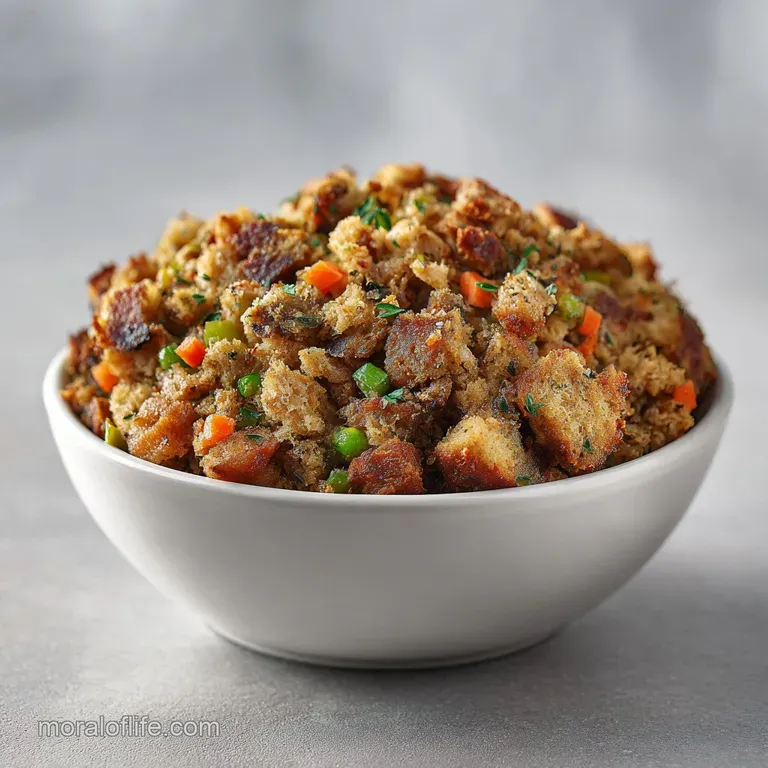
- Time: Active 20 minutes, Passive 45 minutes, Total 1 hour 5 minutes
- Flavor/Texture Hook: Buttery, herb flecked, and velvety
- Perfect for: Holiday gatherings, a comforting Sunday roast, or meal prep
- Why This Savory Turkey Dressing Hits Every Time
- Essential Timing and Measurements for Perfect Results
- Fresh Ingredients and Smart Substitutes for Your Pantry
- The Only Kitchen Tools You Actually Need Today
- Step by Step Guide to a Golden Toasted Finish
- How to Fix Mushy or Dry Bread Mixtures
- Simple Ways to Adapt This Dish for Everyone
- Clever Storage and Leftover Ideas for Busy Days
- What to Serve Alongside Your Seasonal Holiday Feast
- Recipe FAQs
- 📝 Recipe Card
Why This Savory Turkey Dressing Hits Every Time
The sizzle of a full cup of butter hitting a heavy skillet is the sound of home for me. I still remember the first time I tried making a good turkey dressing from scratch on a normal Tuesday just to practice for the big holiday. I ended up with a bowl of wet bread that looked more like porridge than a side dish.
It was a total disaster, but it taught me that the secret isn't just in the spices, it's in how we treat the bread.
Since that soggy Tuesday, I've made this recipe dozens of times, tweaking the ratio of white bread to cornbread until it was just right. You want that sturdy white bread to hold the structure while the cornbread adds a subtle sweetness and a crumbly, rich mouthfeel.
When the aroma of fresh sage and thyme starts wafting from the oven, you'll know exactly why this is a recipe you can repeat with confidence year after year. It's simple, it's dependable, and it actually works.
If you’re looking for a similar vibe for a smaller crowd, you might like my Turkey Stuffing with Sage recipe which is specifically tuned for a slightly shorter cook time. But for the full family experience, this version is the one that everyone asks for seconds of. We’re going to focus on getting that perfect hydration level so the middle stays tender while the edges get that satisfying crunch.
The Science of Staling
Retrogradation: Stale bread has a crystallized starch structure that absorbs liquid without collapsing into mush. This is why we either leave the bread out overnight or toast it until it feels like a crouton before adding the stock.
| Servings | Ingredient Adjustments | Pan Size | Cook Time |
|---|---|---|---|
| 5 people | Halve all ingredients; use 1 egg | 8x8 inch square | 35 minutes |
| 10 people | 1 lb white bread, 0.5 lb cornbread | 9x13 inch baker | 45 minutes |
| 20 people | Double all ingredients; work in batches | Two 9x13 pans | 55 minutes |
Every kitchen is a little different, so I always suggest checking the center of the pan around the 35 minute mark. If you're doubling the recipe, don't just stack the pans on one rack; give them space for the hot air to circulate so the tops can brown evenly.
Essential Timing and Measurements for Perfect Results
When I talk about precision, I’m not being fussy, I just want you to avoid the "dry brick" syndrome. For a successful turkey dressing, keep an eye on your stock to bread ratio. If you use bread that is exceptionally dense, like a heavy sourdough, you might need an extra splash of liquid.
However, for the standard white loaf and cornbread mix we’re using, 3 cups of stock is the sweet spot.
Chef's Tip: Freeze your stick of butter for 10 minutes before dicing it. This keeps it from melting too fast while you're prepping the veggies, ensuring a more even sauté.
Component Analysis
| Ingredient | Science Role | Pro Secret |
|---|---|---|
| White Bread | Structural Foundation | Use a day old loaf to ensure the cubes "shatter" when dried. |
| Large Eggs | Protein Binder | Whisk until frothy to create a light, airy lift in the bake. |
| Turkey Stock | Hydration & Umami | Use low sodium to control the seasoning profile precisely. |
If you’re using store-bought bread cubes, they are often much drier than homemade ones. You may find you need to add the stock in increments to make sure the bread softens but doesn't sit in a pool of liquid. Trust your hands here; the cubes should feel like a damp sponge, not a wet rag.
Fresh Ingredients and Smart Substitutes for Your Pantry
Choosing the right bread is half the battle. I prefer a high-quality white bread, something with a tight crumb like a Pullman loaf or even a sturdy French bread. Avoid the super soft, pre sliced sandwich bread if you can; it tends to dissolve.
The cornbread provides that old fashioned turkey dressing flavor that reminds me of my grandmother's kitchen.
- 1 lb white bread, cut into 1 inch cubes Why this? Provides the essential structure and airy texture.
- 0.5 lb cornbread, crumbled Why this? Adds sweetness and a rich, buttery crumb.
- 1 cup unsalted butter Why this? Carries the herb flavors and creates crispy edges.
- 2 cups yellow onion, finely diced
- 1.5 cups celery, thinly sliced
- 3 cloves garlic, minced
- 3 cups low sodium turkey stock
- 2 large eggs, beaten Why this? Holds everything together so it doesn't fall apart.
- 0.25 cup fresh parsley, chopped
- 1 tbsp fresh sage, minced
- 1 tsp fresh thyme leaves
- 1 tsp fresh rosemary, minced
- 1.5 tsp kosher salt
- 1 tsp cracked black pepper
| Original Ingredient | Substitute | Why It Works |
|---|---|---|
| Turkey Stock | Chicken Stock | Almost identical flavor profile and salt content. |
| Fresh Sage | Dried Sage (1 tsp) | Concentrated flavor. Note: Reduce quantity to avoid bitterness. |
| Unsalted Butter | Salted Butter | Same fat content. Note: Reduce added kosher salt by half. |
Using fresh herbs is one of those things that really makes this the best turkey dressing recipe in my book. Fresh sage has an earthy, almost fuzzy aroma that dried spices just can't mimic. If you have to use dried, just remember the 1:3 ratio (one teaspoon of dried for every tablespoon of fresh).
The Only Kitchen Tools You Actually Need Today
You don't need a gadget filled kitchen to make this work, but a few specific pieces of equipment make the process much smoother. A large, heavy bottomed skillet like a cast iron or a heavy stainless steel pan is vital for sautéing the onions and celery.
You want them to soften and turn translucent without scorching.
For the baking vessel, a 9x13 inch ceramic or glass baking dish is the standard. If you want more crispy bits, you can actually bake this in a large cast iron skillet, which holds the heat beautifully and crisps the bottom of the dressing.
You’ll also need two large mixing bowls: one for the bread and one for whisking the eggs and stock.
Quick Fix Table
| Problem | Cause | Fix |
|---|---|---|
| Greasy texture | Butter didn't emulsify | Add 1/4 cup extra bread and toss well. |
| Too salty | Salty stock used | Add a squeeze of lemon to balance with acid. |
| Bread is crunchy | Not enough liquid | Drizzle 1/4 cup warm stock over the top and cover. |
If you're using a glass dish, remember that it holds heat longer than metal. This is great for keeping the food warm on the table, but be careful not to overbake it, or the edges will become too hard to chew.
step-by-step Guide to a Golden Toasted Finish
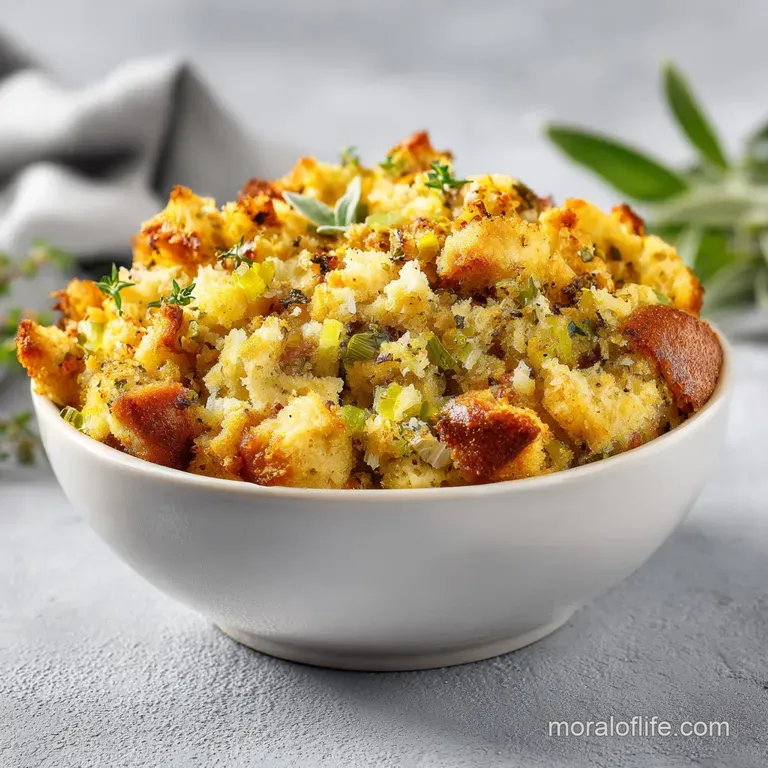
- Dry the bread. Preheat your oven to 300°F (150°C). Spread the white bread cubes on a large baking sheet and toast for 15 minutes until they feel dry and firm. Note: This prevents the bread from turning to mush when the liquid is added.
- Sauté the aromatics. In a large skillet, melt 1 cup of unsalted butter over medium heat. Add the 2 cups of onions and 1.5 cups of celery.
- Cook until translucent. Sauté the vegetables for about 8 to 10 minutes until they are soft and the onions are clear.
- Add the garlic. Stir in the 3 minced garlic cloves and cook for 1 minute until you smell that distinct toasted aroma.
- Mix the herbs. Stir the fresh parsley, sage, thyme, rosemary, salt, and pepper into the butter mixture. Remove from heat.
- Combine bread types. In your largest bowl, toss the dried white bread cubes with the 0.5 lb of crumbled cornbread.
- Whisk the liquids. In a separate bowl, whisk the 3 cups of turkey stock with the 2 beaten eggs.
- Hydrate the bread. Pour the butter and vegetable mixture over the bread, then slowly add the stock mixture. Toss gently until the liquid is fully absorbed.
- Bake the dressing. Increase oven heat to 350°F (180°C). Transfer the mixture to a greased 9x13 dish. Cover with foil and bake for 20 minutes.
- Crisp the top. Remove the foil and bake for another 25 minutes until the top is golden brown and crackling.
Checkpoints for Success
- Weight: Your bread cubes should feel light and hollow after the initial drying step.
- Temperature: The internal temperature should hit 160°F (71°C) to ensure the egg binder is fully set.
- Time: Don't skip the 20 minute covered bake; it's what steams the inside to keep it velvety.
How to Fix Mushy or Dry Bread Mixtures
The most common heartbreak with an easy turkey dressing recipe is the texture. If it's too dry, it feels like eating sawdust. If it's too wet, it's like savory bread pudding. Getting it right usually comes down to how well you dried the bread and how slowly you added the liquid.
Fixing Mushy Dressing
If you realize the mixture is too wet before it goes into the oven, spread it out on a larger baking sheet instead of a deep dish. This increases the surface area and allows more moisture to evaporate during the bake.
If it’s already baked and still mushy, try popping it under the broiler for 2 to 3 minutes to shatter crisp the top layer.
Troubleshooting Guide
| Problem | Root Cause | Solution |
|---|---|---|
| Soggy center | Added too much stock | Bake uncovered for an extra 10 minutes at 375°F. |
| Bland flavor | Not enough salt/herbs | Top with a sprinkle of flaky salt and fresh parsley. |
| Scorched edges | Oven temperature too high | Tent the edges with foil and lower the rack. |
Common Mistakes Checklist
- ✓ Never use fresh, soft bread straight from the bag; it will always collapse.
- ✓ Don't over mix the bread once the liquid is added, or you'll break the cubes into paste.
- ✓ Avoid using cold stock; room temperature or warm stock absorbs more evenly.
- ✓ Ensure your celery is sliced thin so it cooks at the same rate as the onions.
- ✓ Resist the urge to press the dressing down into the pan; keep it light and airy.
Simple Ways to Adapt This Dish for Everyone
One of the reasons this is such a traditional turkey dressing is that it's incredibly flexible. If you have guests with different dietary needs, you don't have to start from scratch. You can easily modify the base without losing that comforting, dependable flavor we're going for.
Cornbread Variation Tips
If you want a full cornbread turkey dressing recipe, simply swap the 1 lb of white bread for another 1 lb of cornbread. Just be aware that cornbread is much more fragile. You’ll want to cut it into larger chunks and handle it very gently when tossing it with the liquid, otherwise, you'll end up with a very dense, cake like consistency.
Vegetarian Adaptation Guide
To make this vegetarian friendly, simply swap the turkey stock for a high-quality vegetable broth. I highly recommend adding a tablespoon of soy sauce or tamari to the broth; it provides that "meaty" umami depth that you usually get from turkey drippings.
Use a high-quality butter substitute if you need to go dairy-free, but make sure it’s one meant for baking.
If you are looking for more ways to use these aromatics, check out the Chicken and Stars recipe for a great way to use up leftover celery and parsley.
Clever Storage and Leftover Ideas for Busy Days
The great thing about this dish is that it actually tastes better the next day after the flavors have had time to mingle. If you find yourself with leftovers, you’re in luck there are so many ways to use them that aren't just reheating a scoop on a plate.
Storage: Keep leftovers in an airtight container in the fridge for up to 4 days. If you want to keep it longer, this dressing freezes beautifully. Wrap individual portions in plastic wrap and then foil, and they’ll stay good for up to 3 months.
Zero Waste: Don't throw away those celery leaves! Chop them up and mix them right in with the parsley; they have an intense celery flavor that adds a nice punch. If you have bread crusts or scraps that didn't make it into the cubes, toss them in a food processor to make fresh breadcrumbs for your next pasta dish.
Reheating: To get that crispy texture back, I recommend reheating in the oven at 350°F (180°C) for about 15 minutes.
If you’re in a hurry, a skillet with a little bit of butter works wonders to crisp up the bottom of a cold slice of dressing.
What to Serve Alongside Your Seasonal Holiday Feast
A good Thanksgiving turkey dressing is the star of the show, but it needs a supporting cast. This recipe is designed to soak up gravy, so it pairs perfectly with a roasted bird or even a thick cut pork chop on a normal Tuesday.
Since it's quite rich and buttery, I usually serve it with something bright and acidic to cut through the fat.
- The Classic Pairing: A slow roasted turkey with plenty of homemade giblet gravy.
- The Fresh Contrast: A crisp green salad with a zingy vinaigrette or steamed green beans with lemon zest.
- The Comfort Duo: Mashed potatoes and cranberry sauce are non negotiable for most of my friends.
Decision Shortcut
- If you want Maximum Crunch, bake it in a shallow, wide pan like a sheet tray.
- If you want Classic Comfort, use a deep ceramic baker for a soft, pudding like center.
- If you want Bold Flavor, add 1/2 cup of cooked, crumbled sausage to the sauté.
I’ve found that serving this alongside a simple roasted chicken is one of the best ways to make a weeknight feel special. It doesn't have to be a holiday to enjoy the smell of sage and toasted bread filling your home.
Trust the process, don't skimp on the butter, and you'll have a dish that everyone will be asking for the recipe for before the meal is even over.

Recipe FAQs
What is the secret to good stuffing?
The secret is dry bread cubes. Stale or pre-toasted bread absorbs moisture evenly without dissolving into mush, ensuring a fluffy interior and crispy edges.
What is the secret ingredient for amazing stuffing?
Use high-quality fresh herbs, specifically sage and thyme. Dried spices lack the earthy aroma fresh herbs provide, which is critical for achieving that classic savory holiday depth.
How to make stuffing taste like it was cooked in the bird?
Sauté your celery and onions in the turkey drippings, or use high-quality turkey stock. If you are making this outside the bird, adding a splash of white wine to the sauté enhances the savory, roasted flavor profile.
Do you put an egg in turkey dressing?
Yes, eggs are essential for binding the dressing. Beat them until they are frothy before mixing them with the stock; this traps air and helps create a lighter, less dense final texture.
Can I use only cornbread for my turkey dressing?
No, it is highly recommended to use a blend of breads. Pure cornbread is too fragile and crumbly; mixing it with a sturdier white bread gives you both structure and that classic crumbly flavor.
What temperature should the stock be when adding it to the bread?
Use warm or room temperature stock, not cold. Cold stock cools down the sautéed vegetables and butter mixture, preventing the fat from coating the bread cubes properly, which is key to the structure we use in the Bread Stuffing recipe.
How do I prevent my turkey dressing from becoming soggy on the bottom?
Bake the dressing partially covered, then uncover for the final crisping stage. This traps steam underneath initially, ensuring the center cooks through, while exposing the top allows it to dry out and brown perfectly.
Best Turkey Dressing Recipe
Ingredients:
Instructions:
Nutrition Facts:
| Calories | 381 kcal |
|---|---|
| Protein | 7.8 g |
| Fat | 25.5 g |
| Carbs | 34.2 g |
| Fiber | 2.1 g |
| Sugar | 4.3 g |
| Sodium | 525 mg |
