Brussels Sprout Casserole with Bacon and Cheese
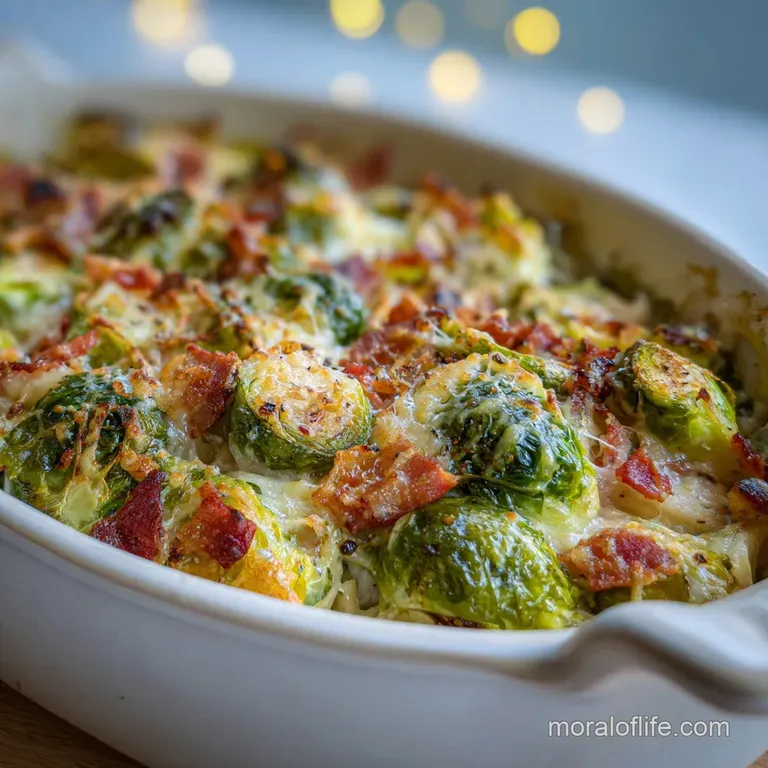
- Time: Active 15 minutes, Passive 35 minutes, Total 50 minutes
- Flavor/Texture Hook: Velvety cheese sauce with a shatter crisp panko topping
- Perfect for: Holiday sides or a dependable normal Tuesday dinner
- The Ultimate Family Favorite Brussels Sprout Casserole
- Essential Science and Flavor Mechanisms
- Component Analysis for Maximum Flavor
- Selecting the Best Fresh Ingredients
- Essential Tools for Golden Success
- Step-by-Step Cooking and Assembly
- Fixes for Sogginess or Bitterness
- Simple Swaps for Dietary Needs
- Storing and Reheating Your Leftovers
- Final Plating and Garnish Tips
- Culinary Myths Debunked
- Recipe FAQs
- 📝 Recipe Card
The Ultimate Family Favorite Brussels Sprout Casserole
Imagine the scent of smoky bacon fat hitting a hot pan, followed by the deep, nutty aroma of sprouts caramelizing in the oven. For years, I avoided these little green globes because they always tasted like a wet, bitter mess at school dinners.
That all changed when I realized they just needed a bit of heat and some fat to really sing.
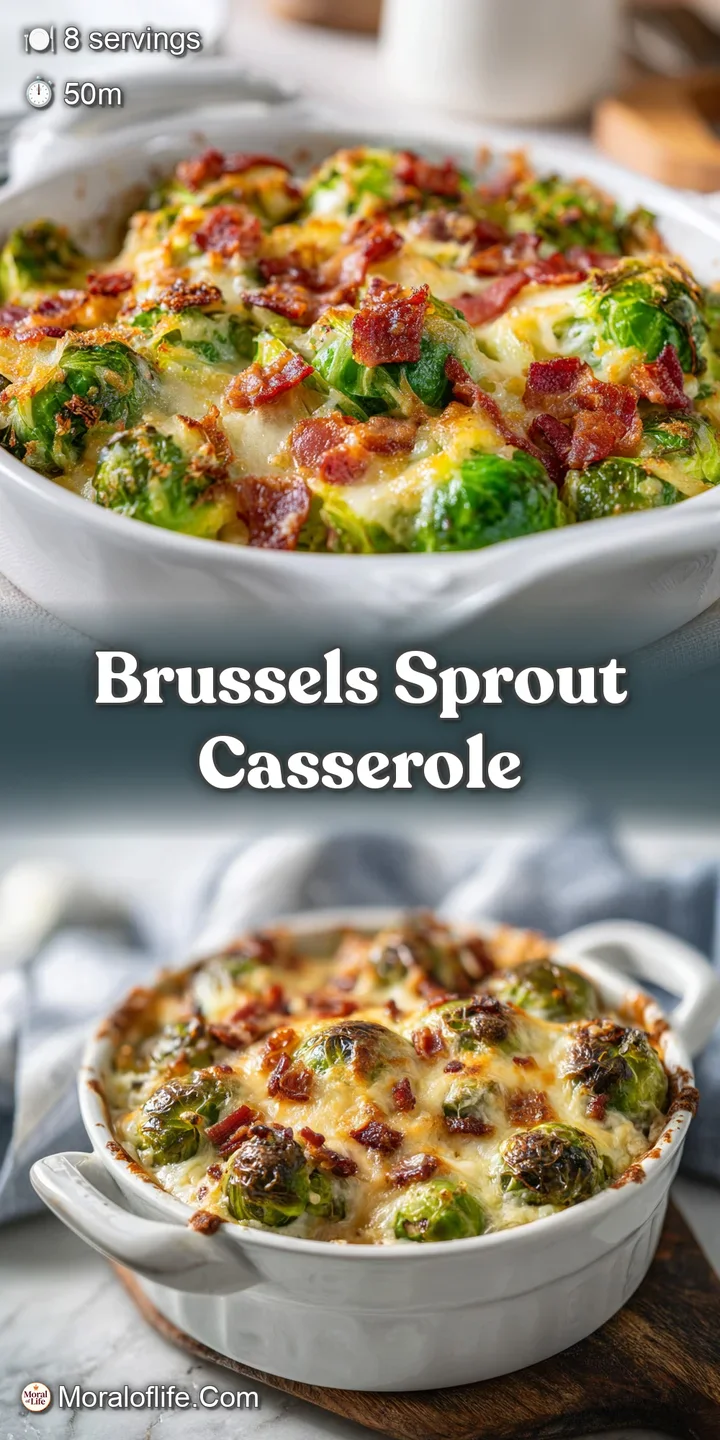
This Brussels Sprout Casserole is the dish that finally convinced my picky eaters that sprouts aren't the enemy. It's not just a pile of vegetables; it's a rich, bubbling bake that combines the saltiness of thick cut bacon with a creamy Neufchâtel sauce.
We've all seen those sad, grey sprouts at potlucks, but this recipe ensures every bite stays vibrant and tender without turning into mush.
You can trust this version because it solves the "watery sauce" problem that plagues most vegetable bakes. We're going to use a two step process that locks in flavor and provides that essential crunch.
Whether you're planning for a Thanksgiving feast or just a cozy weeknight meal, this is the one people will ask you to repeat with confidence.
Essential Science and Flavor Mechanisms
The Maillard Reaction: Roasting at high heat breaks down the complex sugars in the sprouts, creating a sweet, nutty crust that counters their natural sulfur compounds.
Emulsification Stability: Neufchâtel cheese acts as a stabilizer in the sauce, preventing the broth and fat from separating during the over high heat baking process.
Starch Gelatinization: The panko crumbs absorb just enough steam from the sauce to soften their base while the top stays dry enough to shatter when bitten.
| Method | Cook Time | Final Texture | Best For |
|---|---|---|---|
| Stovetop Only | 15 minutes | Soft and braised | Quick side dish |
| oven-roasted | 25 minutes | Charred and crispy | Maximum flavor |
| Casserole Bake | 35 minutes | Velvety and rich | Holiday crowds |
Choosing the right method depends on your goal, but for that classic comfort food feel, the oven bake wins every time. It allows the flavors to meld in a way that a quick sauté simply can't match. If you love this style of cooking, you might also enjoy the creamy texture found in my Chicken Biscuit Casserole recipe.
Component Analysis for Maximum Flavor
| Ingredient | Science Role | Pro Secret |
|---|---|---|
| Neufchâtel Cheese | Texture Binder | Use at room temperature to ensure it melts smoothly into the broth without graininess. |
| Brussels Sprouts | Structural Base | Always halve them through the root to maximize surface area for better caramelization. |
| Sharp White Cheddar | Flavor Profile | Shred it yourself from a block; pre shredded cheese has cellulose that prevents a smooth melt. |
| Smoked Bacon | Fat Source | Render the fat slowly to create a base that coats the sprouts in salty umami. |
Selecting the Best Fresh Ingredients
- 2 lbs Brussels sprouts: Trim the ends and halve them. Why this? Halving ensures the centers cook as fast as the outer leaves.
- Substitute: Broccoli florets work well for a milder flavor profile.
- 2 tbsp extra virgin olive oil: For the initial roast. Why this? High smoke point allows for a deep brown char.
- Substitute: Avocado oil or melted ghee.
- 6 slices thick cut smoked bacon: Diced small. Why this? Thick cut holds its shape and provides more rendered fat.
- Substitute: Pancetta or smoked ham hocks.
- 4 oz Neufchâtel cheese: Softened. Why this? Lower fat than cream cheese but incredibly velvety.
- Substitute: Full fat cream cheese for a richer finish.
- 1/2 cup low sodium chicken broth: For the sauce. Why this? Adds depth without making the dish overly salty.
- Substitute: Vegetable broth or a splash of dry white wine.
- 3 cloves garlic: Minced.
- Substitute: 1 teaspoon garlic powder if you're in a rush.
- 1 tsp Dijon mustard: Why this? The acidity cuts through the heavy fat of the cheese.
- Substitute: Stone ground mustard or yellow mustard.
- 1 cup sharp white cheddar: Shredded.
- Substitute: Gruyère or Swiss for a nuttier, more French inspired taste.
- 1/2 cup panko breadcrumbs: Why this? Larger surface area than regular crumbs for a better crunch.
- Substitute: Crushed butter crackers like Ritz.
- 0.5 unit lemon: Zested. Why this? Brightens the entire dish and cuts the "cabbage" smell.
- Substitute: A teaspoon of apple cider vinegar stirred into the sauce.
Essential Tools for Golden Success
You'll want a large rimmed baking sheet for the initial roasting stage. Crowding the sprouts is the quickest way to end up with steamed, soggy greens instead of charred ones. A heavy bottomed skillet is also necessary for rendering the bacon and whisking together that silky sauce.
For the final bake, a 2 quart casserole dish is standard, but I often use a 10 inch cast iron skillet. The cast iron retains heat beautifully and makes for a stunning presentation when you bring it straight to the table.
Don't forget a microplane for that fresh lemon zest it's a small tool that makes a massive difference in the final aroma.
step-by-step Cooking and Assembly
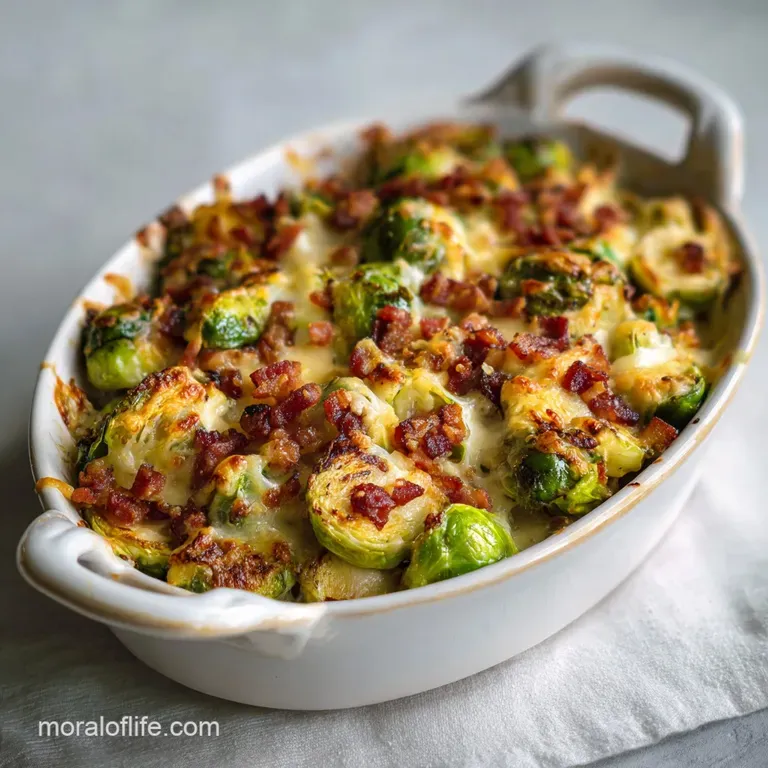
- Preheat oven to 200°C (400°F). Note: A hot oven is non negotiable for browning.
- Toss sprouts with 2 tbsp olive oil, 1 tsp salt, and 0.5 tsp pepper on a baking sheet.
- Roast sprouts for 20 minutes until the edges are charred and centers are tender.
- Fry bacon in a skillet over medium heat until crisp and the fat has rendered.
- Sauté garlic in the bacon fat for 1 minute until fragrant but not browned.
- Whisk sauce by adding 0.5 cup broth, 4 oz Neufchâtel, 1 tsp Dijon, and 0.5 tsp red pepper flakes.
- Simmer sauce for 2 minutes until thick and velvety.
- Combine ingredients by folding the roasted sprouts and bacon into the sauce.
- Transfer mixture to your baking dish and top with 1 cup shredded cheddar and 0.5 cup panko.
- Bake dish for 15 minutes until the cheese is bubbling and the panko is golden brown.
Chef's Tip: Freeze your bacon for 10 minutes before dicing. It makes it much easier to get clean, even cubes that render out perfectly.
Fixes for Sogginess or Bitterness
Excess Liquid in the Dish
If your casserole looks more like soup than a bake, the sprouts likely released too much moisture because they weren't roasted long enough initially. The roasting step is vital for "pre shrinking" the vegetable.
To fix this, you can drain a bit of the excess liquid before adding the panko, or simply bake it for an extra 5 minutes without a lid.
The "Sulfur" Smell
Overcooking sprouts is what causes that unpleasant cabbage smell. To prevent this, ensure your oven is truly at 200°C. High heat cooks the outside quickly while leaving the inside just tender.
If the smell is already there, adding the 0.5 unit of lemon zest at the very end will help neutralize those heavy aromas.
| Problem | Root Cause | Solution |
|---|---|---|
| Greasy Sauce | Bacon fat wasn't drained | Remove all but 1 tablespoon of fat before adding broth. |
| Bland Flavor | Lack of acidity | Add an extra teaspoon of Dijon or a squeeze of lemon juice. |
| Burnt Topping | Rack too high in oven | Move to the center rack or tent with foil for the last 5 minutes. |
Common Mistakes Checklist
- ✓ Pat the trimmed sprouts dry before roasting to ensure they char rather than steam.
- ✓ Don't skip the Dijon mustard; the acid is necessary to balance the Neufchâtel.
- ✓ Use a large enough baking sheet so the sprouts aren't touching during the first roast.
- ✓ Wait until the sauce is fully thickened before adding it to the casserole dish.
- ✓ Grate your own cheddar to avoid the gritty texture of pre packaged shreds.
Simple Swaps for Dietary Needs
For a vegetarian version, omit the bacon and use 2 tablespoons of butter to sauté the garlic. You can add a drop of liquid smoke or a teaspoon of smoked paprika to the sauce to mimic that campfire flavor. If you're looking for a lower carb option, you can easily swap the panko for crushed pork rinds or more Parmesan cheese. This makes it a great alternative to something like a Keto Broccoli Casserole recipe.
Scaling for Large Crowds
- Doubling (16 servings): Use two separate baking sheets for the sprouts so they don't steam. Keep the liquid at 0.9 cups instead of a full cup to keep the sauce thick.
- Halving (4 servings): Use a small toaster oven for the roasting step to save energy. Beat half an egg into the cheese sauce if you want a more "set" custard like texture.
| Servings | Sprout Amount | Pan Size | Total Bake Time |
|---|---|---|---|
| 4 People | 1 lb | 8x8 inch | 40 minutes |
| 8 People | 2 lbs | 9x13 inch | 50 minutes |
| 12 People | 3 lbs | Two 9x13 pans | 60 minutes |
When scaling up, remember that the spices don't always need to be doubled exactly. Start with 1.5x the red pepper flakes and salt, then taste the sauce before assembling the final bake.
Storing and Reheating Your Leftovers
Leftover Brussels Sprout Casserole stays good in the fridge for up to 3 days. To reheat, avoid the microwave if possible, as it makes the panko topping soggy. Instead, pop it back in a 175°C (350°F) oven for about 10 minutes.
This helps the cheese remelt and brings back some of that essential crunch.
For zero waste, don't throw away the loose leaves that fall off during trimming! Toss them in olive oil and salt, then roast them on a separate tray for 5-8 minutes. They turn into "sprout chips" that are a fantastic snack for the cook while the main dish is in the oven.
Final Plating and Garnish Tips
For a festive look, I love serving this in a dark stoneware dish or a well seasoned cast iron pan. The dark background makes the vibrant green of the sprouts and the golden panko really pop.
Sprinkle the 1/4 cup of fresh parsley over the top just before serving to add a hit of freshness that contrasts with the rich sauce.
If you're serving this as part of a larger meal, it pairs beautifully with roasted chicken or a simple steak. The creamy sauce acts almost like a built in gravy for your protein. For another make-ahead option that fits a similar vibe, you might want to look at a Biscuit and Gravy Casserole recipe for your next brunch gathering.
Culinary Myths Debunked
"Boiling sprouts before baking makes them tender." This is a mistake I once made, and it resulted in a watery, bitter mess. Boiling leaches out the flavor and ruins the texture. Roasting is the only way to get that deep caramelization.
"Brussels sprouts are just small cabbages." While they are in the same family, sprouts have a higher concentration of glucosinolates, which means they can become much more bitter if not handled with high heat. Treating them exactly like cabbage often leads to disappointing results.
Recipe FAQs
Why are restaurant brussel sprouts so much better?
They are roasted or pan-seared at high heat. Restaurants use intense heat (like a 200°C/400°F oven or flat top) to encourage the Maillard reaction, which creates deep, nutty sweetness instead of bitterness.
What sauce is good for Brussels sprouts?
A rich, acidic cream sauce works best. This recipe uses a Neufchâtel and sharp cheddar base stabilized with chicken broth, which beautifully balances the earthy flavor of the sprouts.
Can you put Brussels sprouts in a casserole?
Yes, it’s an excellent use for them. The casserole format allows the sprouts to cook slowly in a rich, creamy liquid while the topping maintains necessary crunch.
How does Gordon Ramsay make Brussels sprouts?
He often pan-sears or deep fries them for crispness. Ramsay typically finishes sprouts quickly in a hot pan with fat, garlic, and acid (like lemon juice) to avoid any hint of sogginess.
Should I trim the stem end of the sprouts before roasting?
Yes, always trim the tough, woody ends off. Trimming also allows you to halve the sprout through the root, which maximizes the surface area exposed to heat for better caramelization.
How do I keep the casserole topping crispy?
Add the panko topping only for the final bake. Use panko breadcrumbs mixed with some shredded cheese and bake at 200°C (400°F) for the last 15 minutes so the top crisps before the moisture soaks in.
Is it necessary to roast the sprouts before making the casserole bake?
Yes, this initial step is vital for flavor development. Roasting the sprouts for 20 minutes first removes excess moisture and develops a charred exterior that prevents the entire casserole from turning mushy.
Brussels Sprout Casserole Bake
Ingredients:
Instructions:
Nutrition Facts:
| Calories | 264 kcal |
|---|---|
| Protein | 11.1 g |
| Fat | 16.2 g |
| Carbs | 13.4 g |
| Fiber | 4.2 g |
| Sugar | 2.8 g |
| Sodium | 568 mg |
