Cajun Seasoning Substitute
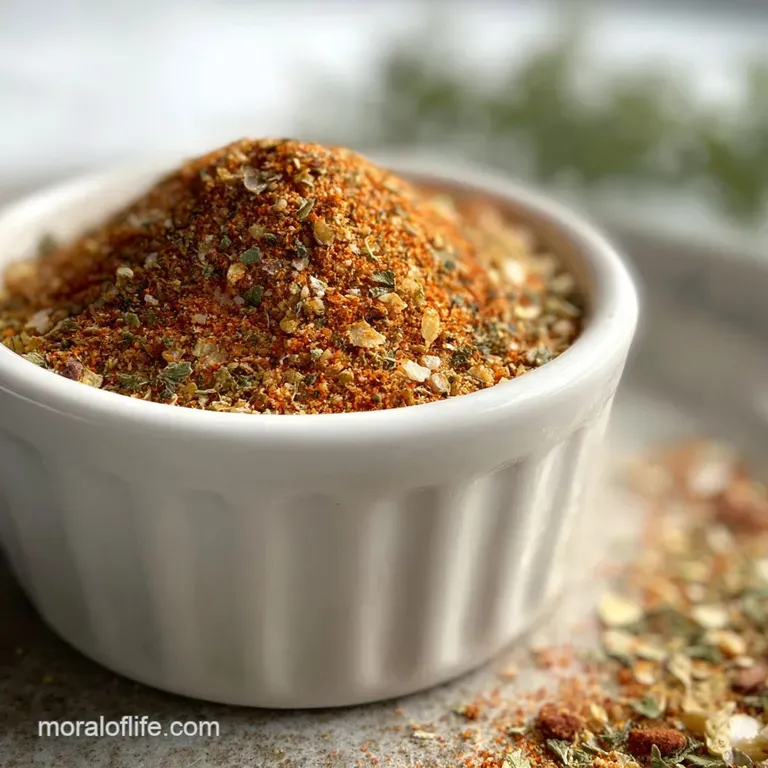
- Time: Active 5 minutes, Passive 0 minutes, Total 5 minutes
- Flavor/Texture Hook: Smoky, pungent, and earthy with a lingering fiery finish.
- Perfect for: Weeknight blackened fish, spicy roasted potatoes, or big batch meal prep.
- Creating the Most Authentic Cajun Seasoning Substitute at Home
- Unlocking Deep Smoky Flavor and Bold Southern Heat
- Yields and Timing for Your Homemade Spice Mix
- A Technical Deep Dive into the Bayou Pantry
- The Essential Tools for Grinding and Storing Spices
- Step by Step Guide to Blending Your Seasoning
- Fixing Common Balance Issues in Your Spice Blend
- Adjusting Heat Levels and Regional Flavor Variations Naturally
- Best Practices for Fresh Storage and Long Shelf Life
- Plating and Using Your Blend for Visual Impact
- Cajun Seasoning Substitute FAQs
- 📝 Recipe Card
The second that smoked paprika hits a hot, buttered cast iron skillet, your kitchen transforms. There is a specific, heady scent a mix of woodsmoke, sharp garlic, and the creeping heat of cayenne that signals something incredible is about to happen.
Honestly, I used to rely on those little yellow tins from the grocery store, but I always found them either way too salty or just plain dusty.
I started playing with my own ratios after a particularly disastrous dinner party where the "store-bought shortcut" ruined a beautiful piece of redfish. I learned that the secret isn't just about the heat; it's about the herbal bridge between the peppers and the aromatics.
This Cajun Seasoning Substitute is the result of years of tinkering to get that "back porch BBQ" vibe just right.
We are going to skip the fillers and the anti caking agents. Instead, we’re focusing on a blend that actually tastes like the Bayou. Whether you're looking for a substitute for cajun seasoning because you ran out mid recipe or you just want a cleaner, bolder flavor, this mix has your back.
Trust me on this, once you smell the difference of fresh cracked black pepper meeting dried thyme, you won't go back to the pre made stuff.
Creating the Most Authentic Cajun Seasoning Substitute at Home
The beauty of making your own blend is the control you have over the "burn." Most commercial mixes use salt as a cheap filler, but here, the salt is just a supporting character. We use Smoked Paprika to provide a deep, crimson hue and a velvety mouthfeel that coats whatever you're cooking.
It's the difference between a dish that just tastes "hot" and one that has layers of complexity.
When you use this recipe, you're tapping into the holy trinity of Southern spices: heat, herb, and allium. The white pepper provides an earthy, funky heat that sits on the back of the tongue, while the cayenne hits the front with a sharp sting. It’s a full spectrum experience. If you’re searing a steak, this works wonders alongside a hearty Tri Tip Seasoning recipe to add a bit of Southern flair to your grill game.
Unlocking Deep Smoky Flavor and Bold Southern Heat
The Science of Why it WorksCapsaicin Solubility: The heat bearing compounds in cayenne are fat soluble, meaning they distribute more evenly and linger longer when the seasoning is bloomed in oil or butter.
Volatile Oil Release: Crushing dried thyme and oregano between your palms before mixing releases trapped essential oils, which provides a much stronger herbal aroma than simply pouring them from the jar.
Chef's Tip: Freeze your Smoked Paprika for 10 minutes before mixing. This brief cold snap helps preserve the volatile oils that give the spice its characteristic wood smoked fragrance, preventing them from dissipating as soon as the jar is opened.
Another trick I swear by is adding a tiny pinch of espresso powder if you plan on using this for beef. You won't taste coffee, but the bitterness of the bean deepens the earthy notes of the white pepper and makes the savory garlic powder pop.
It’s a little unconventional, but it creates a professional level crust on anything you sear.
| Component | Science Role | Pro Secret |
|---|---|---|
| Smoked Paprika | Color/Aroma Carrier | Use Spanish pimentón for a deep, wood smoked fragrance. |
| Garlic Powder | Umami Base | High sugar content helps create a dark, crusty bark on meats. |
| Cayenne Pepper | Heat Delivery | Toast slightly in a dry pan to mellow the sharp "sting." |
To balance the fiery punch of the cayenne, serve your main dish alongside something velvety, like a classic Cream Peas Recipe. The creaminess acts as a natural foil to the spice, resetting your palate for the next bite.
Yields and Timing for Your Homemade Spice Mix
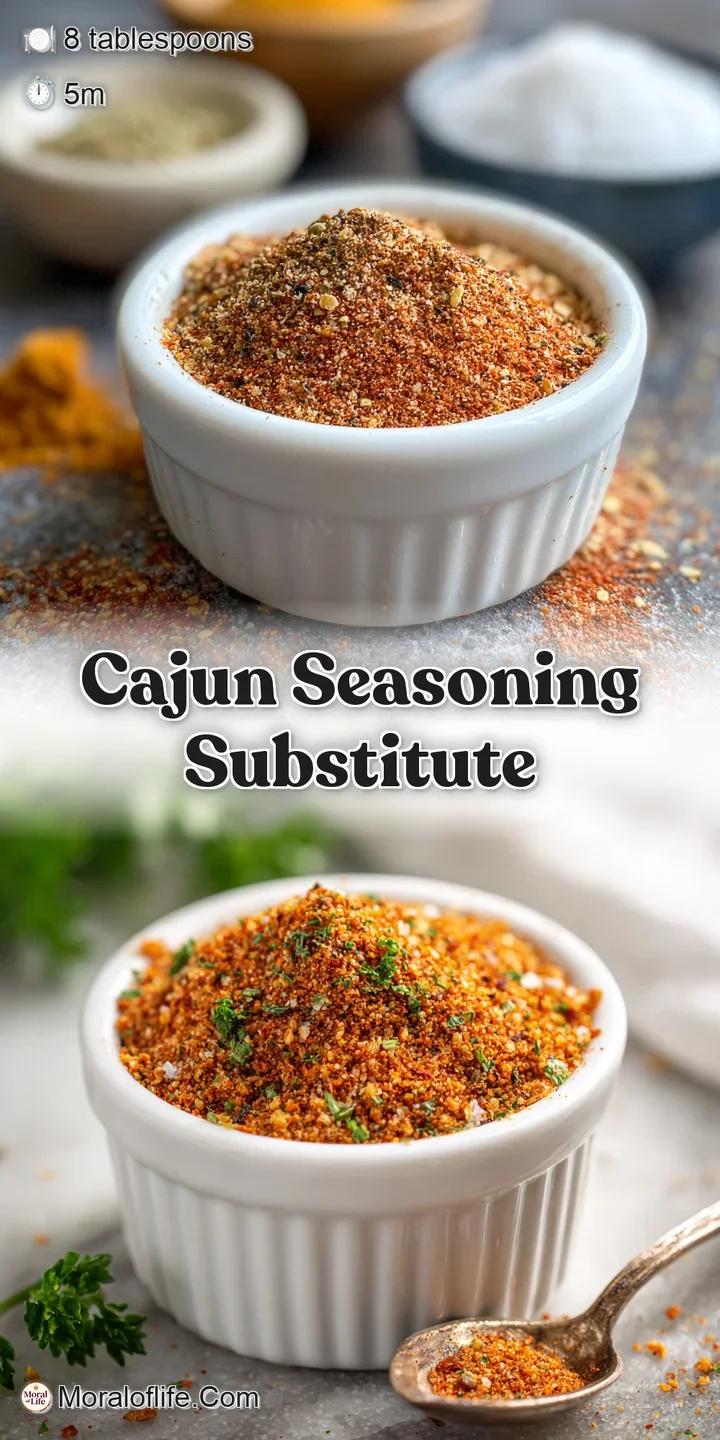
This recipe is designed for efficiency. You aren't going to waste your time with complicated grinding if you don't want to, though fresh is always better. In just five minutes, you’ll have enough seasoning to last through several dinners.
- Prep time: 5 minutes
- Cook time: 0 minutes
- Total yield: 8 tablespoons (1/2 cup)
- Serving size: 1 tablespoon (enough for about 1 lb of protein)
| Feature | Fresh Homemade | store-bought Shortcut |
|---|---|---|
| Sodium Control | Fully adjustable salt levels | Often 50% salt by weight |
| Aroma Intensity | Pungent, bright, and smoky | Muted, often dusty or stale |
| Customization | Easy to dial heat up/down | Fixed profile with no control |
A Technical Deep Dive into the Bayou Pantry
Choosing your ingredients carefully is the only way to avoid a "flat" tasting spice mix. I always look for Smoked Paprika that has a bright red color; if it looks brown, it’s old and the flavor has oxidized.
For the salt, I prefer Fine Sea Salt because the small grains distribute evenly through the mix, ensuring every bite has the same level of seasoning.
- 3 tbsp Smoked Paprika: Why this? Provides the signature brick red color and essential smoky depth without needing a smoker.
- Substitute: Chipotle powder (Note: This will make the mix much spicier).
- 2 tbsp Garlic Powder: Why this? Adds a savory, pungent backbone that sticks to proteins better than fresh garlic.
- Substitute: Granulated garlic (use the same amount, but it may feel slightly grittier).
- 2 tbsp Onion Powder: Why this? Provides a subtle sweetness that balances the sharp heat of the peppers.
- Substitute: Shallot powder for a more sophisticated, French leaning flavor.
- 1 tbsp Cayenne Pepper: Why this? The primary heat source; it gives the blend its characteristic "kick."
- Substitute: Red pepper flakes (crushed into a powder using a mortar and pestle).
- 1 tsp Ground White Pepper: Why this? Offers a different kind of heat earthy and floral rather than just sharp.
- Substitute: Extra black pepper, though you lose that specific "funky" depth.
- 1 tsp Cracked Black Pepper: Why this? Adds a coarse texture and a bright, piney sharpness to the finish.
- Substitute: Szechuan peppercorns for a numbing, citrusy twist.
- 1 tbsp Dried Oregano: Why this? The Mediterranean influence that defines true Cajun style cooking over Creole.
- Substitute: Dried Marjoram for a sweeter, less aggressive herbal note.
- 1 tbsp Dried Thyme: Why this? Adds a woodsy, lemony aroma that lightens up the heavy spices.
- Substitute: Dried rosemary (finely crushed).
- 1 tsp Fine Sea Salt: Why this? Enhances all other flavors without making the blend overwhelmingly salty.
- Substitute: Kosher salt (increase to 1.5 tsp to account for larger crystal size).
The Essential Tools for Grinding and Storing Spices
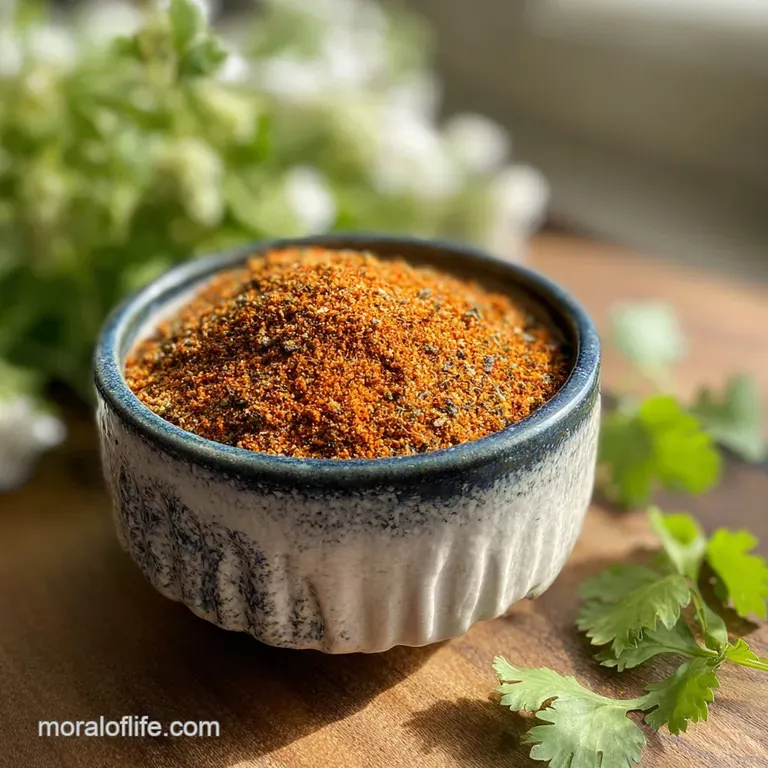
You don't need a high tech kitchen to make a great substitute for cajun seasoning mix, but a few tools make the process smoother. I personally love using a small glass bowl for mixing so I can see if the colors are blending uniformly.
- Small Mixing Bowl: Glass or stainless steel is best to avoid staining from the paprika.
- Whisk or Fork: A small whisk helps break up any clumps in the onion or garlic powder.
- Airtight Glass Jar: 4 oz or 8 oz Mason jars are perfect for keeping the moisture out.
- Funnel: If you’re transferring the mix into a narrow necked spice bottle, this is a lifesaver.
- Mortar and Pestle (Optional): Only needed if you want to grind your peppercorns or herbs more finely.
Blending for Uniformity
The biggest mistake people make is just tossing everything in a jar and shaking it. This leads to "pockets" of cayenne or salt. I prefer to whisk the ingredients in a bowl first. You’ll know it’s ready when the mixture is a uniform, vibrant orange red color without any streaks of white garlic powder.
Maximizing Aromatic Volatility
To get the most out of your dried herbs, try "waking them up." Before adding the oregano and thyme to the mix, place them in your palm and rub your hands together vigorously over the bowl. The friction generates just enough heat to release the oils, making the final blend smell significantly more potent.
step-by-step Guide to Blending Your Seasoning
- Measure the Smoked Paprika. Place 3 tbsp Smoked Paprika into your mixing bowl. Note: This acts as the visual and aromatic base for the entire blend.
- Add the alliums. Whisk in 2 tbsp Garlic Powder and 2 tbsp Onion Powder. Note: Whisking now prevents these finer powders from clumping later.
- Introduce the heat. Add 1 tbsp Cayenne Pepper to the bowl. Note: Adjust this slightly if you prefer a milder Cajun seasoning recipe.
- Incorporate the peppers. Mix in 1 tsp Ground White Pepper and 1 tsp Cracked Black Pepper. Note: You should see the black flecks evenly distributed against the red paprika.
- Crush the herbs. Rub 1 tbsp Dried Oregano and 1 tbsp Dried Thyme between your palms into the bowl. Note: This releases the oils for a more vibrant fragrance.
- Season with salt. Add 1 tsp Fine Sea Salt to the mixture. Note: We use a small amount so you can control the saltiness of your final dish later.
- Whisk thoroughly. Use a fork or small whisk to combine until the color is a consistent, deep terracotta.
- Check the aroma. Lean in and take a sniff; it should smell smoky, sharp, and slightly herbal.
- Transfer to storage. Pour the mixture into an airtight jar. Note: Use a funnel to prevent the fine powder from spilling.
- Label and date. Mark the jar with the date. Note: Spices lose their "shatter" of flavor after about 6 months.
Fixing Common Balance Issues in Your Spice Blend
Sometimes things don't go according to plan. Maybe your garlic powder was a bit old, or your cayenne was unexpectedly "nuclear." Don't toss the batch! Most issues with a substitute for cajun spice are easily fixed by adding a little more of a neutralizing ingredient.
Rescuing an Overly Salty Batch
If you accidentally grabbed the garlic salt instead of garlic powder, your mix will be a salt bomb. To fix this, you need to increase the volume of everything else. Add another tablespoon of paprika and a teaspoon of onion powder. This dilutes the sodium concentration without throwing the flavor profile off too much.
Brightening Dull Flavors
If your mix smells "dusty" rather than sharp and bright, it’s likely your dried herbs were past their prime. You can revive the blend by adding a half teaspoon of dried lemon peel or a tiny pinch of citric acid. The acidity mimics the "lift" that fresh herbs would provide, making the whole mix taste fresher.
| Problem | Root Cause | Solution |
|---|---|---|
| Mix is clumping | High humidity/moisture | Add a few grains of raw rice to the jar to absorb moisture. |
| Too much salt | Salt heavy garlic powder | Double the paprika and onion powder to dilute the salt ratio. |
| Flavor is flat | Stale dried herbs | "Wake up" the mix by toasting briefly in a warm pan before use. |
Whatever you do, don't add water or oil to the jar to "freshen it up." This will lead to mold growth very quickly. Keep it dry, keep it cool, and if it's truly flavorless, it’s better to start fresh than to ruin a good piece of meat with bad seasoning.
Adjusting Heat Levels and Regional Flavor Variations Naturally
Not everyone wants to feel like their mouth is on fire. If you are looking for a mild cajun seasoning recipe, the fix is simple: cut the cayenne in half and replace it with more smoked paprika. You still get the gorgeous color and the smoky aroma, but without the aggressive sting.
- If you want it spicier: Replace the white pepper with more cayenne or add 1/2 tsp of habanero powder for a fruity, tropical burn.
- If you want it smokier: Use a "heavy smoke" paprika or add 1/2 tsp of ground cumin (though use sparingly, as cumin can quickly turn the flavor profile toward Tex Mex).
- If you want it more herbal: Double the thyme and add 1 tsp of dried basil for a "Creole style" twist that pairs beautifully with tomato based sauces.
Creating a Low FODMAP Alternative
If you struggle with garlic or onion, you can still enjoy a Cajun vibe. Replace the garlic and onion powders with a mix of Asafoetida (use only a tiny pinch!) and the green tops of dried chives. It won't be an exact replica, but it captures the savory essence without the digestive upset.
Best Practices for Fresh Storage and Long Shelf Life
Light and heat are the enemies of a good spice blend. I made the mistake once of keeping my spice rack right above the stove everything turned brown and tasteless within a month. The heat from the oven literally "cooks" the volatile oils out of the spices while they're still in the jar.
- Fridge/Pantry
- Keep in a dark, cool pantry for up to 6 months.
- Freezer
- You can actually freeze spice mixes! In an airtight bag, they stay pungent for up to a year.
- Zero Waste Tip
- Don't throw away those "mostly empty" mustard or pickle jars. Wash them thoroughly, soak off the labels, and use them for your homemade blends. It’s a great way to recycle glass and keep your pantry looking organized.
If you find you have leftovers of the individual spices that are nearing their expiration date, blend them all into a "house rub" and use it for roasting vegetables. Even if the spices have lost a bit of their punch, they still offer more flavor than plain salt and pepper.
Plating and Using Your Blend for Visual Impact
The way you apply this substitute for cajun seasoning affects the final look of your dish. For a "blackened" look, you want to coat the protein heavily and sear it in a very hot pan with a high smoke point oil (like avocado oil).
The paprika and onion powder will caramelize into a dark, flavorful crust that looks professional.
For a more subtle "dusting," hold your hand about 12 inches above the food and sprinkle. This allows the spices to spread out, creating a beautiful speckled effect on deviled eggs, potato salad, or even the rim of a Bloody Mary glass.
The vibrant red of the paprika against white fish or pale potatoes creates a high contrast visual that makes the meal look as bold as it tastes.
Searing with Style
When you're using this as a rub, pat your meat dry first. Moisture is the enemy of a good sear. Once the meat is dry, press the seasoning into the surface with the palm of your hand. You want the spices to "stick" so they don't just fall off into the pan.
When it hits the heat, you'll hear that satisfying sizzle and smell the garlic begin to toast that's when you know you've done it right.
Cajun Seasoning Substitute FAQs
What is a good substitute for Cajun seasoning?
Make your own blend. Combine smoked paprika, garlic powder, onion powder, cayenne pepper, white pepper, black pepper, dried oregano, and dried thyme. This allows you to control salt and heat levels.
What is Cajun seasoning made of?
It's typically a blend of paprika, cayenne pepper, garlic powder, onion powder, black pepper, white pepper, oregano, and thyme. Sometimes salt is included, but homemade versions often omit or reduce it to allow for better control over the final dish's saltiness.
What spice is the same as Cajun seasoning?
No single spice is identical to Cajun seasoning. Cajun seasoning is a blend, and while its components like paprika and cayenne provide similar notes, the combination is unique. For a similar flavor profile, look for "Creole seasoning," which is often very similar, though variations exist.
Can you replace paprika with Cajun seasoning?
No, you cannot replace paprika with Cajun seasoning directly if you want the same result. Paprika is a component of Cajun seasoning, providing color and mild flavor.
Cajun seasoning contains multiple spices for heat and aromatics, so using it in place of plain paprika will significantly alter the flavor profile and introduce heat.
What is the difference between Cajun and Creole seasoning?
Creole seasoning often includes tomatoes or celery, while Cajun seasoning typically does not. Both blends share core ingredients like paprika, cayenne, garlic, and onion powder, but these subtle additions give Creole a slightly different savory depth.
How do you make Cajun seasoning less spicy?
Reduce the cayenne pepper and white pepper. Increase the amount of smoked paprika and onion powder to maintain color and body without the intense heat. You can also add a pinch of sugar to help balance the spice.
Can I use store-bought Cajun seasoning if I run out?
Yes, if you have it on hand, but be mindful of the salt content. Many commercial blends are high in sodium, so you may need to adjust the salt in your recipe accordingly. Homemade is often preferred for flavor control.
Cajun Seasoning Substitute
Ingredients:
Instructions:
Nutrition Facts:
| Calories | 29 kcal |
|---|---|
| Protein | 1.2 g |
| Fat | 0.5 g |
| Carbs | 6.2 g |
| Fiber | 2.5 g |
| Sugar | 0.8 g |
| Sodium | 291 mg |
