Chicken Vegetable Soup: Hearty and Homemade
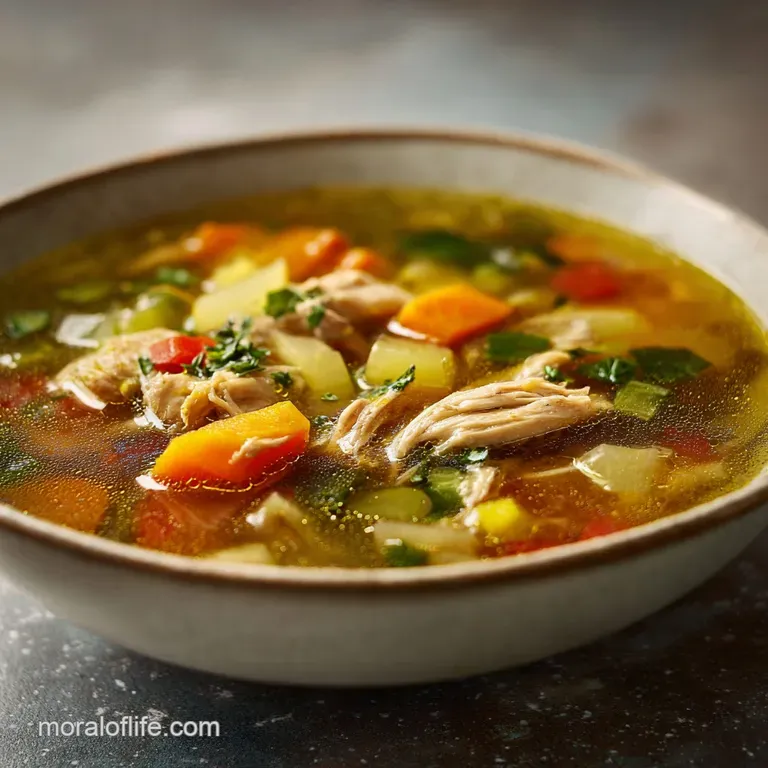
- Time: Active 20 minutes, Passive 40 minutes, Total 60 minutes
- Flavor/Texture Hook: Savory, golden broth with tender shredded chicken and velvety potatoes.
- Perfect for: A normal Tuesday night when the family needs something warm and nourishing.
- Making the Ultimate Chicken Vegetable Soup
- The Mechanics of a Better Broth
- Components of a Sturdy Soup
- Essential Ingredients and Substitutes
- Necessary Kitchen Tool Kit
- Step-By-Step Guide to Soup Success
- Solving Common Soup Kitchen Problems
- Simple Ways to Change Flavors
- Myth: You should always use chicken breast for "healthier" soup.
- Myth: You need to peel your carrots for a good soup.
- Keeping Your Leftovers Fresh Longer
- Making Your Bowl Look Beautiful
- Very High in Sodium
- Recipe FAQs
- 📝 Recipe Card
Making the Ultimate Chicken Vegetable Soup
I remember one particular Tuesday last November when the rain wasn't just falling, it was practically drumming a heavy rhythm on my kitchen window. Everyone in the house had that scratchy throat feeling, and the air felt heavy and damp.
I pulled out my heavy Dutch oven, the one with the chipped handle that has seen a thousand family dinners, and started searing chicken thighs until they developed a beautiful golden crust. The sizzle of the meat hitting the hot oil was the first sign that things were going to be okay.
As the onions and carrots hit the pan, the aroma changed from just "cooking" to "comfort." This Chicken Vegetable Soup isn't just about throwing things in a pot, it's about the layers of flavor we build from the very first step.
By the time I added the fresh parsley and that final squeeze of lemon, the whole house felt warmer. It's the kind of meal that doesn't just fill your stomach, it actually settles your nerves after a long, rainy day.
We've all had those soups that feel like flavored water with soggy vegetables floating in them. That is exactly what we are avoiding here. We are going for a broth that feels silky and rich, vegetables that hold their shape but yield to a spoon, and chicken that is tender enough to melt.
It's simple, honest cooking that works every single time you need a win in the kitchen.
The Mechanics of a Better Broth
The Maillard Magic: Searing the chicken thighs first creates a brown crust on the meat and leaves behind "fond" (those brown bits) on the bottom of the pot, which dissolves into the broth for a deeper savory profile.
Collagen Release: Using bone in chicken thighs allows the connective tissue and bone marrow to gently break down during the simmer, giving the liquid a richer body that store-bought stock alone can't achieve.
Starch Suspension: As Yukon Gold potatoes simmer, they release just enough starch to slightly thicken the liquid without making it cloudy or heavy.
Aromatic Layering: Sautéing the mirepoix (onion, carrot, celery) before adding liquid softens the cellulose and concentrates the natural sugars, preventing a "raw vegetable" taste in the finished soup.
| Cook Method | Total Time | Texture Profile | Best For |
|---|---|---|---|
| Classic Stovetop | 60 minutes | Deep, layered, clear broth | Maximum flavor control |
| Fast Pressure Cook | 35 minutes | Very soft veggies, infused flavor | Busy weeknights |
| Slow Cooker | 6 hours | Fall apart meat, mellow broth | Hands off prep |
The choice between these methods usually comes down to how much time you have to watch the stove. The stovetop method in this Chicken Vegetable Soup recipe is my favorite because you can actually see the onions turning translucent and smell when the garlic is perfectly toasted before you move to the next step.
Components of a Sturdy Soup
| Ingredient | Science Role | Pro Secret |
|---|---|---|
| Bone in Thighs | Fat and Collagen Source | Sear them longer than you think to build a dark fond on the pot bottom. |
| Yukon Gold Potatoes | Texture Stabilizer | These have a medium starch content that stays creamy rather than grainy when boiled. |
| Chicken Bone Broth | Base Foundation | Use bone broth instead of regular stock for higher protein and a more velvety mouthfeel. |
| Fresh Lemon Juice | Acidic Balancer | The acid "wakes up" the dull, salty notes and highlights the sweetness of the carrots. |
The foundation of any great soup starts with the quality of your aromatics. I always suggest using a large yellow onion because it has a higher sugar content than white onions, which helps it caramelize slightly during that initial sauté. If you find yourself wanting to experiment with different proteins for other nights, you might find my Southern Fried Chicken tips helpful for understanding how to handle bone in cuts for maximum juiciness.
Essential Ingredients and Substitutes
- 1.5 lbs bone in skinless chicken thighs: These provide the most flavor and don't dry out. Why this? The bone adds gelatin to the broth which creates a much better mouthfeel.
- Substitute: Boneless thighs (reduce simmer time by 5 minutes) or chicken breasts (note: meat will be slightly drier).
- 2 tbsp extra virgin olive oil: Used for searing and sautéing. Why this? It has a high enough smoke point for searing but adds a fruity note.
- Substitute: Avocado oil or unsalted butter.
- 1 large yellow onion: The sweet, savory base. Why this? Yellow onions hold their structure better during long simmers than white onions.
- Substitute: Leeks (white parts only) or two large shallots.
- 3 large carrots: Adds sweetness and color. Why this? Carrots provide a necessary sugar balance to the savory salt.
- Substitute: Parsnips for an earthier, spicier flavor profile.
- 2 stalks celery: Part of the essential mirepoix. Why this? Celery adds a subtle salty, herbal backbone to the soup liquid.
- Substitute: A pinch of celery seed if you are out of fresh stalks.
- 4 cloves garlic: The punchy aromatic. Why this? Freshly minced garlic provides a much more vibrant flavor than powdered versions.
- Substitute: 1 tsp garlic paste or 2 tsp garlic powder.
- 1.5 lbs Yukon Gold potatoes: The "creamy" element. Why this? They hold their shape perfectly without turning into mush like Russets.
- Substitute: Red potatoes or sweet potatoes (note: sweet potatoes change the flavor significantly).
- 8 cups low sodium chicken bone broth: The liquid gold. Why this? Bone broth has more body and nutrients than standard chicken water.
- Substitute: Vegetable broth or water with a high-quality bouillon base.
- 2 dried bay leaves: Adds a floral, herbal depth. Why this? They act as a subtle "bridge" between the meat and vegetable flavors.
- Substitute: 1/4 tsp dried oregano.
- 1 tsp dried thyme: The classic poultry herb. Why this? Thyme stands up well to high heat and long simmer times.
- Substitute: Fresh thyme (use 3 sprigs) or dried marjoram.
- 1 cup frozen sweet peas: Added at the end for a pop of color. Why this? Frozen peas retain their texture better than canned versions.
- Substitute: Frozen green beans or chopped kale.
- 1/4 cup fresh Italian parsley: The fresh finish. Why this? It cuts through the richness and adds a "clean" taste.
- Substitute: Fresh cilantro or a small amount of fresh dill.
- 1 tbsp fresh lemon juice: The secret weapon. Why this? It brightens the entire pot and balances the fats.
- Substitute: White wine vinegar or apple cider vinegar.
Necessary Kitchen Tool Kit
You don't need a kitchen full of gadgets to make this Chicken Vegetable Soup, but a few specific items make the job much easier. A 6 quart Dutch oven is the absolute best choice because the heavy bottom prevents the vegetables from scorching and it holds heat very evenly.
If you don't have one, any large, heavy bottomed stockpot will work.
I also highly recommend a sharp chef's knife for dicing the potatoes and carrots. When your vegetables are cut into uniform sizes, they cook at the same rate, which means you won't end up with one crunchy carrot and one mushy potato.
A pair of sturdy tongs is also helpful for flipping the chicken thighs and removing them for shredding later on.
step-by-step Guide to Soup Success
- Sear the chicken. Heat the olive oil in your 6 quart Dutch oven over medium high heat. Season your chicken thighs with the kosher salt and sear them for 4–5 minutes per side. Note: You want a deep golden brown color, which signifies the development of flavor.
- Remove and rest. Take the chicken out of the pot and set it aside on a plate. Don't worry if it's not cooked through yet; it will finish in the broth.
- Sauté the mirepoix. Add the diced onion, carrots, and celery into the same pot. Sauté for 6-8 minutes until the onions look translucent and the carrots brighten.
- Fragrant aromatics. Stir in the minced garlic, dried thyme, and bay leaves. Cook for exactly 1 minute until you can smell the garlic and herbs filling the kitchen.
- Deglaze and build. Pour in the chicken bone broth, scraping the bottom of the pot to release all those flavorful brown bits. Add the cubed Yukon Gold potatoes and return the chicken thighs to the pot.
- Simmer gently. Bring the liquid to a boil, then immediately turn the heat down to low. Cover the pot and simmer for 25-30 minutes until the potatoes are tender when pierced with a fork.
- Shred the meat. Carefully lift the chicken thighs out of the soup. Use two forks to shred the meat and discard the bones.
- Reincorporate. Stir the shredded chicken back into the pot.
- The green addition. Add the frozen peas and let them simmer for about 2 minutes. They should be bright green and just tender.
- The bright finish. Turn off the heat and stir in the fresh parsley and lemon juice. Serve immediately while it's steaming hot.
Solving Common Soup Kitchen Problems
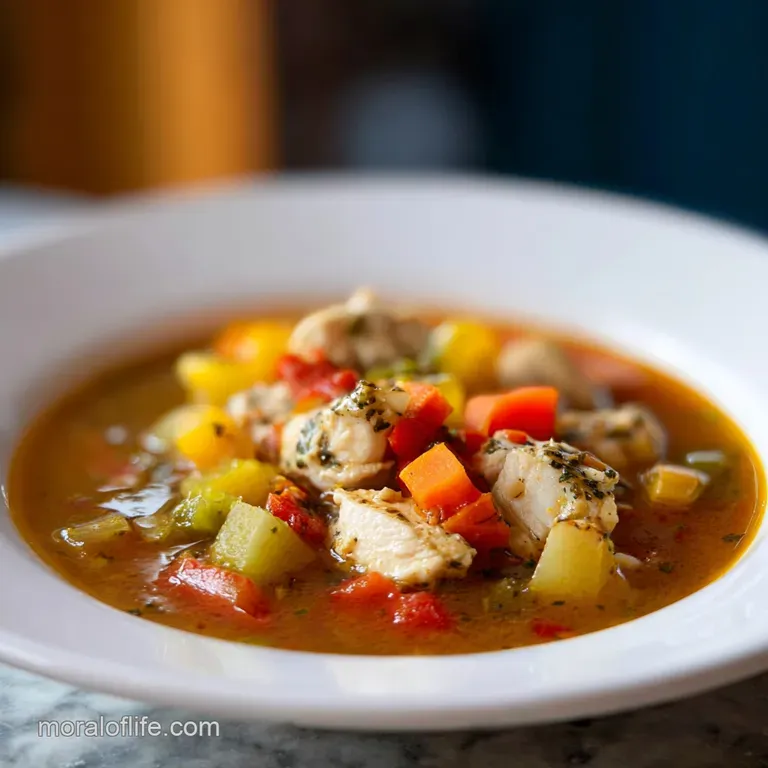
Sometimes things don't go exactly as planned, even with a dependable recipe like this. The most common issue people face is a broth that feels a bit thin. This usually happens if the potatoes haven't released enough starch or if the heat was too low.
My Broth Tastes Thin or Weak
If your soup feels more like water than a rich broth, it usually means the chicken didn't sear long enough or the broth needs more salt. Salt is a flavor magnifier; without it, the chicken and vegetables will taste flat.
You can also take a ladle of the potatoes, mash them in a separate bowl, and stir them back in to naturally thicken the liquid.
The Vegetables are Mushy
This is almost always a result of overcooking or cutting the vegetables too small. If you find your carrots are falling apart, try cutting them into thicker rounds next time, or wait to add them until the chicken has already been simmering for 10 minutes.
For potatoes, sticking with the Yukon Gold variety is the best defense against mushiness.
| Problem | Root Cause | Solution |
|---|---|---|
| Too salty | Broth evaporated too much | Add a splash of water or a bit more lemon juice to balance. |
| Greasy surface | Fat from chicken thighs | Skim the top with a wide spoon or chill and remove hardened fat. |
| Bland flavor | Lack of acidity or salt | Add a pinch more salt and another teaspoon of lemon juice. |
If you ever find that your soup has become too thick after sitting, it's likely the potatoes have soaked up the liquid. Just add a splash of extra broth when reheating to bring it back to the right consistency. If you enjoy the process of building these flavors, you might want to see how this compares to my Fire Roasted Chicken Tortellini Soup, which uses a similar base but adds a smoky twist.
Common Mistakes Checklist:
- ✓ Pat the chicken dry before searing to ensure it browns instead of steams.
- ✓ Don't skip the deglazing step - those brown bits on the bottom are where the flavor lives.
- ✓ Keep the simmer low; a rolling boil will make the chicken tough and the broth cloudy.
- ✓ Add the lemon juice and parsley only at the very end to keep the flavors vibrant.
- ✓ Ensure potatoes are cubed into uniform 1/2 inch pieces for even cooking.
Simple Ways to Change Flavors
Adjusting a soup to your family's preferences is part of the fun of being a home cook. If you want a bit more heat, a pinch of red pepper flakes added with the garlic does wonders.
For a heartier version, you can stir in a cup of cooked wild rice or small pasta shapes like ditalini during the last few minutes of cooking.
If you are looking for a lower carb option, you can easily swap the Yukon Gold potatoes for cauliflower florets. Just be aware that cauliflower cooks much faster than potatoes, so you should only add it during the last 10-12 minutes of simmering to prevent it from becoming overly soft.
Chicken Vegetable Soup Instant Pot Version
To make this in a pressure cooker, use the sauté function to sear the chicken and soften the veggies as directed. Add all ingredients except the peas, parsley, and lemon. Seal and cook on high pressure for 12 minutes, then do a quick pressure release.
Shred the chicken and stir in the final ingredients as usual.
Chicken Vegetable Soup Slow Cooker Version
For the slow cooker, I still recommend searing the chicken and sautéing the aromatics in a pan first for the best flavor. Add everything except the peas, parsley, and lemon to the crockpot. Cook on low for 6-7 hours or high for 3-4 hours.
Stir in the final bright elements just before serving to keep them fresh.
Myth: You should always use chicken breast for "healthier" soup.
The truth is that chicken thighs provide much more nutrition in the form of minerals and essential fats that actually help your body absorb the vitamins in the vegetables. Thighs also stay tender during the simmer, whereas breasts can become "stringy" and dry, which ruins the texture of the soup.
Myth: You need to peel your carrots for a good soup.
Actually, if you scrub your carrots well, the skins are perfectly edible and contain a lot of the vegetable's nutrients. As long as they aren't woody or bruised, keeping the skins on adds a nice rustic look and extra fiber to your bowl.
Keeping Your Leftovers Fresh Longer
Storage: This soup actually tastes better the next day as the flavors have more time to meld. Keep it in an airtight container in the fridge for up to 4 days. When you reheat it, do so over medium low heat on the stove, adding a splash of broth if the potatoes have thickened it too much.
Freezing: This recipe freezes beautifully for up to 3 months. I suggest freezing it in individual portions for easy lunches. Just leave a little bit of space at the top of your container because the liquid will expand as it freezes. Thaw overnight in the fridge before reheating.
Zero Waste: Don't throw away those celery leaves or parsley stems! The tender inner leaves of the celery can be chopped and used right along with the parsley as a garnish.
You can also save the chicken bones and any vegetable scraps (like onion ends and carrot peels) in a bag in the freezer to make your own homemade stock later.
Making Your Bowl Look Beautiful
Presentation is often the difference between a "Tuesday meal" and something that feels special. When you ladle the soup into bowls, try to ensure every person gets a good mix of colors some vibrant green peas, bright orange carrots, and plenty of shredded chicken.
A final sprinkle of fresh parsley on top adds a pop of green that signals freshness. I also love serving this with a heavy piece of crusty sourdough bread or some simple saltine crackers.
If you want to get fancy, a tiny drizzle of high-quality olive oil right on the surface of the broth just before serving adds a beautiful shimmer and a boost of richness that makes the whole dish feel a bit more decadent.

Very High in Sodium
965 mg 965 mg of sodium (42% 42% of daily value)
The American Heart Association recommends a limit of about 2,300mg of sodium per day, with an ideal limit of no more than 1,500mg per day for most adults.
Tips to Reduce Sodium
-
Swap Broth-30%
Replace the 8 cups of low-sodium chicken bone broth with 8 cups of no-salt added chicken bone broth. This is the largest sodium contributor in this recipe.
-
Halve the Salt-25%
Reduce the 2 tsp of kosher salt to 1 tsp of kosher salt. You can always add more salt at the table if needed.
-
Boost with Herbs and Spices
Enhance flavor by using plenty of fresh herbs and spices like garlic, thyme, and parsley. Consider adding other sodium free options like black pepper, paprika, or a pinch of red pepper flakes.
-
Emphasize Citrus-5%
Increase the fresh lemon juice to 2 tbsp. The acidity of lemon juice can brighten flavors, making your dish taste more vibrant without added salt.
Recipe FAQs
How to make homemade chicken and vegetable soup?
Sear seasoned chicken thighs in a Dutch oven, then sauté the aromatics. Build the base by simmering the chicken and vegetables in bone broth, shredding the meat once tender, and finishing with peas and fresh herbs.
What are common mistakes when making chicken soup?
Crowding the pot while searing and skipping the flavor base. Failing to properly brown the chicken or soften the onions, carrots, and celery leaves the broth thin and lacking depth.
Which soup is best for diabetics?
Broth based soups featuring lean protein and fiber rich vegetables. This recipe uses chicken bone broth and root vegetables, which is a great base similar to our easy taco soup for maintaining balanced blood sugar levels.
What is the secret ingredient to vegetable soup?
Fresh lemon juice stirred in at the very end. It provides a bright acidity that cuts through the richness of the chicken bone broth, lifting all the other flavors.
Is it true I should boil the chicken the entire time?
No, this is a common misconception. Boiling toughens the meat; instead, simmer the chicken on low heat to ensure the thighs stay tender and succulent.
How to ensure the potatoes don't turn to mush?
Cut the Yukon Gold potatoes into uniform cubes and monitor the simmer time. Keeping them at a consistent size ensures they finish cooking exactly when the chicken is ready, preventing them from falling apart.
Can I store this soup for later?
Yes, store it in an airtight container in the refrigerator for up to three days. The flavors often deepen overnight, making it even better as leftovers.
Chicken Vegetable Soup
Ingredients:
Instructions:
Nutrition Facts:
| Calories | 358 kcal |
|---|---|
| Protein | 27.4 g |
| Fat | 12.2 g |
| Carbs | 29.8 g |
| Fiber | 4.2 g |
| Sugar | 4.1 g |
| Sodium | 965 mg |
