Chorizo and Eggs: Quick Breakfast
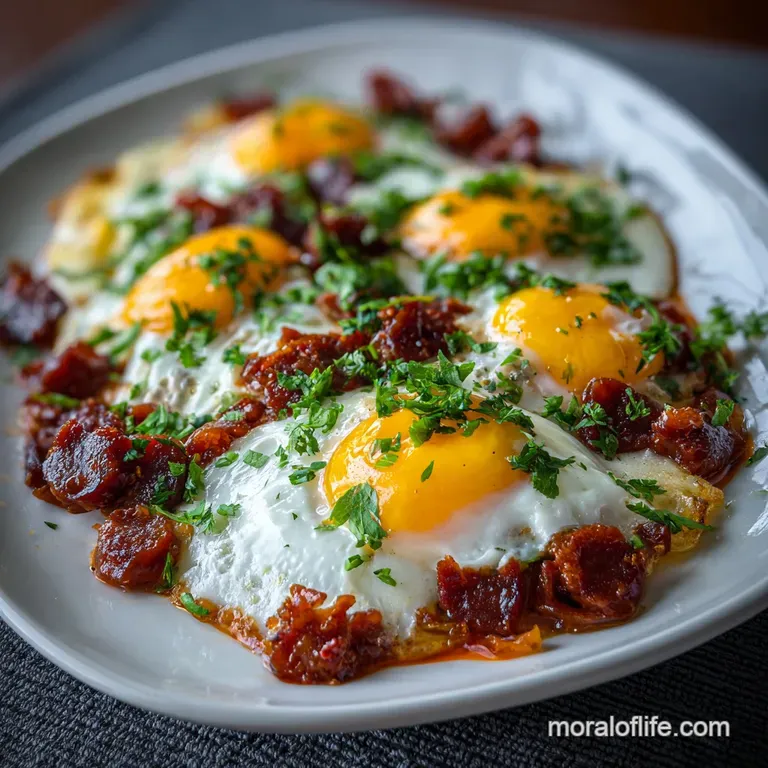
- Time: Active 5 mins, Passive 10 mins, Total 15 mins
- Flavor/Texture Hook: Punchy, spiced, and velvety soft
- Perfect for: High protein weeknight dinners or busy Tuesday mornings
- Mastering Your Homemade Chorizo and Eggs
- Essential Recipe Performance Specifications
- Selecting Quality Breakfast Ingredients
- Necessary Tools for Best Results
- Step-By-Step Cooking Procedures
- Effective Breakfast Troubleshooting Techniques
- Flavor Variations and Healthy Swaps
- Proper Storage and Reheating Methods
- Ideal Side Dish Pairings
- High in Sodium
- Chorizo and Eggs FAQs
- 📝 Recipe Card
Mastering Your Homemade Chorizo and Eggs
The sharp hiss of cold, spiced pork hitting a hot cast iron pan is the only alarm clock I ever really need. On a normal Tuesday, when the house is still quiet and the sun is just peeking through the kitchen blinds, there's nothing quite like that first whiff of vinegar and smoked paprika blooming in hot oil.
It’s a scent that promises a morning with a bit more backbone, a meal that feels like a warm hug before you face the world.
I remember the first time I tried to make this myself. I was living in a tiny apartment with a stove that had two settings: "off" and "volcano." I dumped the meat and the eggs in together, hoping for the best.
What I got was a grey, soggy mess that looked nothing like the vibrant, reddish gold plates I'd seen at my favorite local diners. I realized then that Chorizo and Eggs isn't just about throwing things in a pan; it's about the timing of the render and the heat of the scramble.
We've all had those mornings where we want something substantial but don't have the bandwidth for a complex brunch. This recipe is my dependable standby. It's honest, it's fast, and it doesn't ask for much beyond a few pantry staples and a good skillet.
We are going to focus on getting that chorizo properly browned so the fat transforms into a silky seasoning for the eggs, ensuring every bite is punchy and satisfying.
The Physics of the Emulsion
Fat Bonding: The rendered pork fat acts as a natural emulsifier when whisked into the raw eggs, creating a creamier texture without needing heavy cream. This occurs because the spices in the meat stabilize the protein structures during the heating process.
| Method | Time | Texture | Best For |
|---|---|---|---|
| Traditional Skillet | 10 mins | Silky & Integrated | Authentic daily breakfast |
| Sheet Pan Bake | 18 mins | Set & Uniform | Feeding a large crowd |
| Slow Cooker | 4 hrs | Soft & Infused | Breakfast burritos for meal prep |
Choosing the right method depends entirely on how much of a hurry you're in. While the sheet pan version is great for a group, the traditional skillet method remains the king of texture. The direct contact with the pan creates those slightly crispy, caramelized bits of pork that contrast so beautifully with the soft, aerated eggs. If you're looking for more protein heavy starts, my Whole 30 Snack recipe is a great option for meal prep on your busier days.
Essential Recipe Performance Specifications
When we talk about a dependable breakfast, we're talking about consistency. Using 9 oz of Mexican chorizo provides the perfect ratio for 8 large eggs, ensuring the meat doesn't overwhelm the delicate nature of the scramble.
It's a balance I've tested dozens of times on those frantic mornings when I just needed something that worked.
Component Analysis
| Ingredient | Science Role | Pro Secret |
|---|---|---|
| Mexican Chorizo | Primary Fat Source | Remove casings completely to ensure a fine, even crumble |
| Large Eggs | Structural Binder | Whisk until no streaks of white remain for total aeration |
| White Onion | Moisture Regulator | Dicing finely allows the sugars to caramelize before the eggs set |
| Unsalted Butter | Temperature Buffer | Use as a final addition to stop the eggs from overcooking |
The magic happens when the 1/2 small white onion meets the rendered fat. The onion doesn't just add flavor; it absorbs the aggressive spices of the pork and distributes them more evenly throughout the dish. This prevents "spice hot spots" where one bite is bland and the next is overwhelming.
For those who prefer a set it and forget it egg method, I always recommend this Hard Boiled Eggs recipe for a different kind of morning convenience. But when you want that sizzle, stick with the skillet.
Selecting Quality Breakfast Ingredients
You'll find that the quality of your chorizo dictates the success of the entire dish. Look for raw Mexican chorizo, usually found in the refrigerated meat section, rather than the dried, cured Spanish variety.
The raw version is designed to break down and release its flavorful oils, which is exactly what we want for this scramble.
- 9 oz Mexican Chorizo: Raw pork or beef. Why this? The high fat content is essential for flavor distribution.
- 1 tbsp neutral oil: Grapeseed or avocado oil. Why this? Provides a high smoke point for the initial sear.
- 1/2 small white onion: Finely diced. Why this? Adds a necessary crunch and sweetness to balance the heat.
- 1 clove garlic: Minced. Why this? Deepens the savory profile of the rendered pork fat.
- 8 large eggs: Room temperature if possible. Why this? They cook more evenly and stay more tender.
- 1/4 tsp fine sea salt: Adjust to taste. Why this? Enhances the natural flavors without making it overly salty.
- 1/2 tsp freshly cracked black pepper: For a subtle bite. Why this? Adds floral notes that complement the smoky paprika.
- 1 tbsp unsalted butter: Added at the very end. Why this? Creates a velvety finish and glosses the eggs.
- 8 corn or flour tortillas: Warmed through. Why this? The essential vessel for the perfect breakfast taco.
- 1/4 cup fresh cilantro: Chopped. Why this? Provides a bright, herbaceous contrast to the heavy fats.
- 1/2 cup Cotija cheese: Crumbled. Why this? Adds a salty, dry texture that doesn't melt away.
| Original Ingredient | Substitute | Why It Works |
|---|---|---|
| Mexican Chorizo | Soyrizo | High protein and similar spices. Note: Needs more oil as it's leaner. |
| White Onion | Shallots | Provides a more delicate, garlicky sweetness. |
| Cotija Cheese | Feta | Similar crumbly texture and salty punch. |
If you find the Mexican chorizo a bit too greasy for your liking, you can always drain a tablespoon of the fat before adding the eggs. However, I usually keep it in; that's where all the smoked paprika and cumin live. It’s the soul of the dish.
Necessary Tools for Best Results
You don't need a professional kitchen to make a stellar plate of Chorizo and Eggs, but the right pan makes a massive difference. I swear by a well seasoned cast iron skillet. It holds heat like a champ, which is vital when you're trying to get those crispy edges on the pork.
If you use a thin non stick pan, you might find the meat steams rather than sears.
Chef's Tip: Grate your butter while it's ice cold directly into the whisked eggs before they hit the pan. These tiny pockets of fat will steam as they cook, creating an incredibly airy, flaky texture in the finished scramble.
Another unconventional trick is to use a silicone spatula rather than a whisk or a fork once you're in the pan. The spatula allows you to "fold" the eggs, creating large, soft curds rather than tiny, dry fragments. This keeps the moisture locked inside the protein, preventing that rubbery texture we all dread.
step-by-step Cooking Procedures
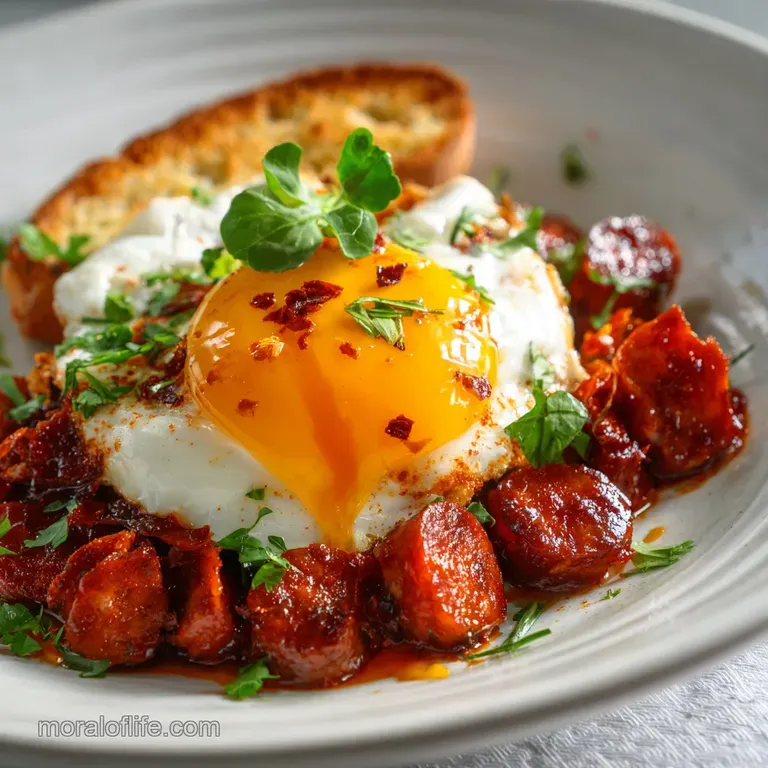
Preparation of Spiced Base
Before you even turn on the stove, crack your 8 large eggs into a bowl and whisk them vigorously with the salt and pepper. We want them fully aerated. Remove the 9 oz of chorizo from its casings and have your 1/2 diced onion ready to go.
Rendering the Pork Fat
Place your skillet over medium high heat and add the 1 tbsp of neutral oil. Once it shimmers, add the chorizo. Use a wooden spoon to break it apart into small crumbles. Cook for about 5 to 6 minutes until the fat has fully rendered and the meat is deeply browned and slightly crispy.
Sautéing the Aromatics
Lower the heat to medium. Toss in the diced white onion and the minced garlic. Stir frequently to prevent the garlic from burning. Sauté for 2 to 3 minutes until the onions are translucent and have taken on the reddish hue of the chorizo oil.
Handling the Eggs
Push the meat and onion mixture to one side of the pan. If the pan looks dry, add a tiny bit more oil, but the rendered fat should be plenty. Pour in the whisked eggs and let them sit for about 30 seconds without moving them. This allows the bottom to set slightly.
Integrating the Scramble
Using your spatula, gently pull the cooked egg from the edges toward the center. Let the liquid egg flow into the empty spaces. Once the eggs are about 75% cooked, fold in the chorizo mixture from the side of the pan.
Applying Finishing Touches
Add the 1 tbsp of unsalted butter. The residual heat will melt it quickly. Turn off the flame while the eggs still look slightly wet. They will continue to cook for another minute in the pan.
Serving the Final Plate
Warm your 8 tortillas directly over a low gas flame or in a dry pan for 30 seconds per side. Spoon the Chorizo and Eggs into the center, topping with a generous sprinkle of 1/2 cup Cotija cheese and 1/4 cup fresh cilantro.
Effective Breakfast Troubleshooting Techniques
Fixing Excess Grease Issues
Sometimes a batch of chorizo is particularly fatty, leaving a pool of orange oil at the bottom of the skillet. If you see more than two tablespoons of liquid fat, it can lead to a heavy, oily mouthfeel that masks the flavor of the eggs.
| Problem | Root Cause | Solution |
|---|---|---|
| Greasy texture | Low quality chorizo | Blot the rendered meat with a paper towel before adding eggs. |
| Rubbery eggs | High heat | Remove the pan from the burner when eggs are 80% done. |
| Grey appearance | Premature mixing | Brown the meat completely before adding the liquid eggs. |
Wait a few seconds before adding the eggs if the pan is smoking. You want a gentle sizzle, not a violent pop. If the eggs seize up instantly, they will likely become tough.
Avoiding Rubbery Textures
The most common mistake is cooking the eggs until they look "finished" in the pan. Because eggs are high in protein, they carry a lot of residual heat. If they look perfect in the skillet, they will be overcooked and rubbery by the time they hit the plate. Always aim for a "glossy" look when you pull them off the heat.
Common Mistakes Checklist:
- ✓ Whisk eggs until no clear streaks of albumen remain to ensure a uniform color.
- ✓ Pat the chorizo dry if it has excess surface moisture before it hits the oil.
- ✓ Don't overcrowd the pan; use a 10 or 12 inch skillet for this volume.
- ✓ Warm the tortillas last so they stay pliable and don't snap when folded.
- ✓ Always use unsalted butter to maintain total control over the seasoning levels.
Flavor Variations and Healthy Swaps
Chorizo and Potatoes Variation
If you want something even heartier, the "Papas con Chorizo" style is the way to go. I often make this on weekends when we have a bit more time. Simply dice one medium russet potato into 1/2 inch cubes and par boil them for 5 minutes.
Drain them well, then fry them in the rendered chorizo fat before adding the onions. They turn into crispy, spicy nuggets of joy that bulk up the meal perfectly.
Vegetarian Soyrizo Alternatives
Don't sleep on soy based chorizo. Brands like Trader Joe's make a version that is remarkably close to the real thing in terms of spice profile. Because it lacks animal fat, you will need to double the amount of neutral oil or butter in the pan to get that same silky emulsion.
It’s a great way to keep the flavor while cutting down on saturated fats.
Creating Crispy Pork Edges
For those who love texture, try this: after browning the chorizo, turn the heat to high for 60 seconds without stirring. This creates a "crust" on the bottom of the meat. When you eventually stir in the eggs, you'll have these tiny "shatter crisp" bits of pork that provide a wonderful contrast to the velvety eggs.
| Group Size | Ingredient Adjustment | Pan Size | Cook Time |
|---|---|---|---|
| 2 People | 4.5 oz Chorizo, 4 Eggs | 8 inch skillet | 8 mins |
| 4 People | 9 oz Chorizo, 8 Eggs | 10-12 inch skillet | 10 mins |
| 8 People | 18 oz Chorizo, 16 Eggs | Two 12 inch skillets | 15 mins |
When scaling up, it is crucial not to crowd a single pan. If you try to do 16 eggs in one skillet, the bottom will burn before the top has a chance to set. Working in batches or using two pans side-by-side is the professional way to handle a brunch crowd.
Proper Storage and Reheating Methods
If you happen to have leftovers though in my house, that’s a rare occurrence they store surprisingly well. Place the cooled mixture in an airtight container and keep it in the fridge for up to 3 days.
I don't recommend freezing the cooked eggs, as the cellular structure breaks down and they become watery and spongy upon thawing.
To reheat, avoid the microwave if possible. It tends to turn the eggs into rubber. Instead, toss them back into a lightly greased skillet over medium low heat. Add a teaspoon of water and cover with a lid for 2 minutes. The steam will gently revive the eggs without drying them out.
Zero Waste Tip: If you have leftover cilantro stems, don't toss them! Finely mince the stems along with the garlic and onion. They hold a massive amount of flavor and add a nice crunch that the leaves lack. You can also use the leftover Cotija on a salad or over a bowl of black beans later in the week.
Ideal Side Dish Pairings
While this dish is a powerhouse on its own, a few simple sides can turn it into a full blown feast. I almost always serve it with a side of quick pickled red onions. The acidity cuts right through the richness of the pork fat, cleansing your palate between bites.
- Refried Black Beans: A creamy base that complements the spiced eggs.
- Sliced Avocado: Adds a cool, fatty texture to balance the heat.
- Fresh Salsa Verde: The tomatillo tang is a match made in heaven for chorizo.
This is a meal built on dependability and comfort. Whether it's a hectic morning or a lazy Sunday, the process of rendering that fat and folding in those eggs is a ritual that never fails to satisfy.
It's a reminder that good food doesn't have to be complicated; it just has to be made with a little bit of patience and the right ratio of spices. Trust me, once you master the timing of the render, you'll never go back to plain scrambles again. Let's crack on and get that skillet hot!
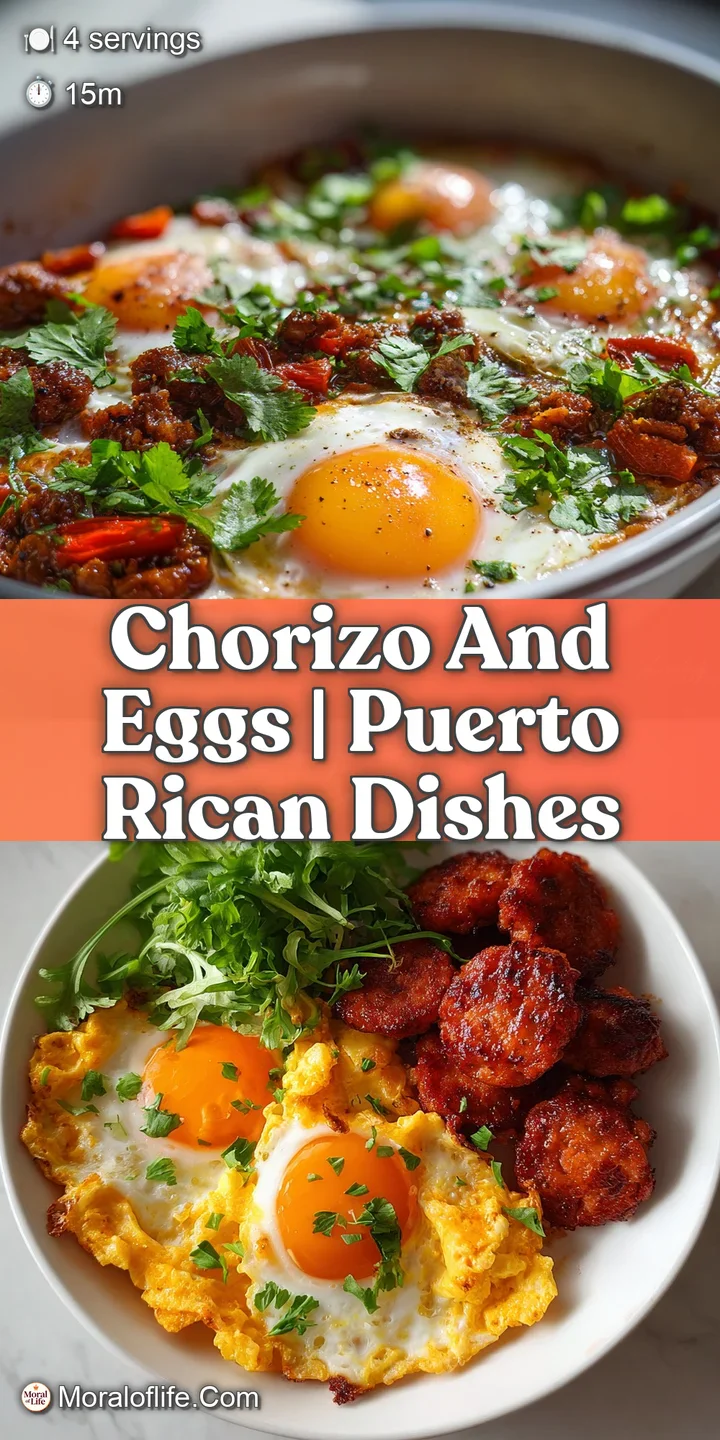
High in Sodium
1022 mg mg of sodium per serving (44% % of daily value)
The American Heart Association recommends limiting sodium intake to about 2,300mg per day for most adults.
Tips to Reduce Sodium in Your Chorizo and Egg Tacos
-
Choose Low-Sodium Chorizo-25%
Look for low-sodium or sodium reduced chorizo options. Some brands offer versions with significantly less sodium.
-
Reduce Cotija Cheese-15%
Use half the amount of Cotija cheese or substitute with a lower sodium cheese like fresh mozzarella or queso fresco.
-
Reduce Added Salt-15%
Carefully measure and reduce the amount of salt you add to the eggs, or eliminate it altogether. Taste as you go.
-
Rinse Chorizo-10%
After cooking, rinse the cooked chorizo with hot water to remove excess fat and some surface sodium.
-
Consider Tortilla Choice-10%
Some tortillas can contain added sodium. Opt for low-sodium tortillas if available, or reduce the number of tortillas you use.
-
Flavor with Herbs & Spices
Enhance the flavor of your tacos with fresh herbs like cilantro and spices like cumin, chili powder, and smoked paprika to compensate for reduced salt.
Chorizo and Eggs FAQs
Is chorizo good with eggs?
Yes, absolutely. The spicy, fatty rendered chorizo fat creates a built-in sauce for the eggs, adding incredible flavor and a velvety texture. It's a classic breakfast pairing for a reason.
What does chorizo pair well with?
Chorizo pairs well with simple starches and fresh garnishes. Think warm tortillas for tacos, sliced avocado for creaminess, a squeeze of lime, or fresh cilantro for brightness. It also stands up well to potatoes or a simple side salad.
What is a Spanish dish with chorizo and egg?
Huevos Rotos (broken eggs) is a classic Spanish dish. It typically involves fried eggs served over fried potatoes, with sliced chorizo often added for extra flavor and substance.
Is chorizo eaten for breakfast?
Yes, chorizo is very commonly eaten for breakfast, especially in Mexican and Spanish cuisines. Its rich, savory, and often spicy flavor makes it a popular choice to kickstart the day.
How do I get crispy bits in my chorizo and eggs?
Brown the chorizo thoroughly before adding eggs. Ensure the fat has rendered out, and let the chorizo crisp up in the pan for a few minutes without stirring. This allows the edges to caramelize and become delightfully crispy.
Can I use Spanish chorizo instead of Mexican chorizo?
It's best to use Mexican chorizo for this dish. Spanish chorizo is cured and often drier, meant to be sliced and eaten as is or cooked differently. Mexican chorizo is raw, fatty, and designed to break down and release its oils, which is crucial for flavoring the eggs.
How do I avoid rubbery eggs with chorizo?
Cook the eggs gently and remove them from the heat while still slightly wet. The residual heat in the pan will finish cooking them. Overcooking is the primary cause of rubbery eggs; they should look glossy and soft when removed.
Chorizo And Eggs
Ingredients:
Instructions:
Nutrition Facts:
| Calories | 652 kcal |
|---|---|
| Protein | 26.6 g |
| Fat | 48.3 g |
| Carbs | 26.6 g |
| Fiber | 4.1 g |
| Sugar | 2.2 g |
| Sodium | 1022 mg |
