Classic Snickerdoodles: Soft and Chewy
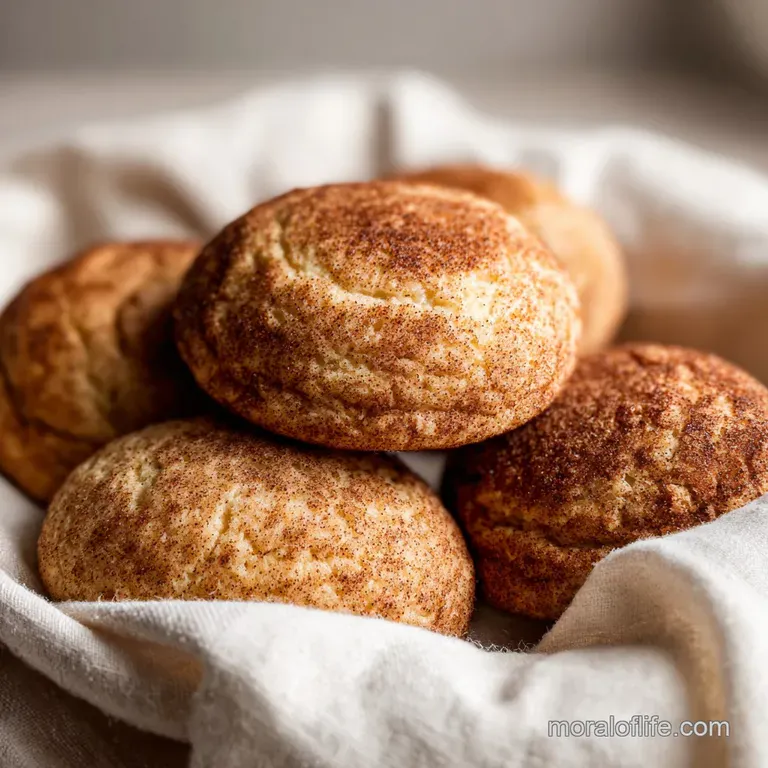
- Time: Active 15 minutes, Passive 10 minutes, Total 25 minutes
- Flavor/Texture Hook: Tangy, buttery, and shatter crisp edges with a pillowy center
- Perfect for: Holiday gift boxes, cozy weekend baking, or beginner friendly treats
- Mastering the Perfectly Chewy Classic Snickerdoodles
- Factors Behind the Signature Texture
- Key Measurements for Consistent Results
- Essential Components for Deep Flavor
- Basic Tools for Uniform Cookies
- Reliable Steps for Golden Perfection
- Solving Common Cookie Texture Problems
- Creative Ingredient Swaps and Variations
- Storage and Refreshing Cold Cookies
- Plating and Beautiful Presentation Accents
- Kitchen Wisdom and Debunked Myths
- Frequently Asked Questions
- Troubleshooting Common Issues
- Recipe FAQs
- 📝 Recipe Card
Mastering the Perfectly Chewy Classic Snickerdoodles
Ever pulled a tray of cookies out of the oven only to find they've spread into a singular, greasy pancake? Or worse, they come out looking like puffed up, flavorless biscuits that lack that iconic tang?
It’s incredibly frustrating when you’re craving that specific, nostalgic warmth of a snickerdoodle and end up with a texture that feels more like a stale muffin. Most of the time, this happens because the butter was too warm or the flour was measured with a heavy hand, leading to a dough that can't hold its shape or soul.
This version of Classic Snickerdoodles is designed to fix those exact heartbreaks. We are aiming for a cookie that has a distinct "shatter" on the very outer edge while maintaining a center so soft it almost feels like fudge.
The secret lies in the temperature of your ingredients and the specific way we handle the leavening agents. By following these steps, you’ll get those beautiful, deep cracks on the surface that reveal the pale, tender dough beneath a heavy blanket of cinnamon sugar.
It’s a simple bake, but it’s one that rewards precision. We aren't just mixing things in a bowl; we are building a structure that allows the cookie to puff up and then collapse slightly, creating those signature ridges.
Whether you're making these for a school bake sale or just a late night craving, this method ensures that every single cookie in the batch is consistent, flavorful, and exactly what a snickerdoodle should be.
Factors Behind the Signature Texture
Developing the right bite requires more than just luck. It's about how the ingredients interact when the heat hits the tray.
- The Tangy Lift: Cream of tartar provides a specific acidic note that prevents sugar from crystallizing, which is why these stay chewy while other sugar cookies turn crunchy.
- Aeration Stability: Beating the butter for a full 3 minutes creates tiny air pockets that expand, giving the cookie its initial rise before it settles into a dense, chewy disc.
- Cinnamon Caramelization: The sugar coating melts slightly in the oven, creating a microscopic "glass" layer that provides that initial snap when you take a bite.
| Cooking Method | Time | Texture | Best For |
|---|---|---|---|
| Standard Oven | 10 minutes | Crisp edges, soft center | The authentic, crackly experience |
| Stovetop (Skillet) | 12 minutes | Dense, brownie like | A single serve, gooey dessert |
| Toaster Oven | 8 minutes | Very crunchy | Small batches and quick cravings |
Using a standard oven at 180°C is the most reliable way to ensure the heat circulates evenly around the dough balls. This creates the temperature gradient needed to set the edges before the center finishes cooking.
While a stovetop skillet version is fun for a "pizookie" style treat, it won't give you the classic cracks we love.
Key Measurements for Consistent Results
Precision is the best friend of any home baker. While it's tempting to "eyeball" the flour, using a scale or the "spoon and level" method makes the difference between a soft cookie and a rock.
| Component | Role | Pro Secret |
|---|---|---|
| Unsalted Butter | Fat & Flavor | Use cool room temperature butter; it should dent with a finger but not be oily. |
| Cream of Tartar | Texture & Tang | This is the "soul" of the recipe; never skip it if you want that specific chew. |
| Large Eggs | Binding & Lift | Room temperature eggs emulsify better, preventing the dough from breaking. |
| All Purpose Flour | Structure | Sift this after measuring to ensure no clumps interfere with the velvety crumb. |
When you're working with the butter, think of it as the foundation. If it's too soft, the cookies will melt into puddles before they have a chance to rise. If it's too cold, it won't trap the air needed for that pillowy interior. It's much like the precision needed for a traditional Scottish Shortbread recipe, where the fat's temperature dictates the final crumb.
Essential Components for Deep Flavor
- 1 cup (226g) Unsalted Butter: Softened to room temperature. Why this? Provides the rich, creamy base that carries the cinnamon flavor.
- 1.5 cups (300g) Granulated White Sugar: Why this? Adds sweetness and helps the cookies spread just the right amount.
- 2 Large Eggs: Room temperature. Why this? Provides moisture and structure to keep the center soft.
- 2 tsp Pure Vanilla Extract: Why this? Rounds out the flavors and adds an aromatic floral note.
- 2.75 cups (345g) All Purpose Flour: Why this? The structural backbone that gives the cookie its body.
- 2 tsp Cream of Tartar: Why this? Adds the signature tang and creates the classic chewy texture.
- 1 tsp Baking Soda: Why this? Works with the cream of tartar to make the cookies rise.
- 0.5 tsp Fine Sea Salt: Why this? Cuts through the sugar to highlight the butter and vanilla.
- 3 tbsp Granulated White Sugar: For the coating.
- 1 tbsp Ground Cinnamon: For the coating.
| Original Ingredient | Substitute | Why It Works |
|---|---|---|
| Unsalted Butter | Salted Butter | Works fine; just omit the 0.5 tsp of sea salt from the dry mix. |
| Cream of Tartar | Lemon Juice (2 tsp) | Provides acidity, but the texture will be slightly flatter and less "cracked." |
| White Sugar | Light Brown Sugar | Makes the cookie much softer and adds a caramel/molasses undertone. |
If you decide to swap ingredients, keep in mind that the cream of tartar is what truly defines Classic Snickerdoodles. Substituting it with lemon juice or white vinegar can work in a pinch for the acidity, but you'll lose that specific "dusty" tang that only the powder provides.
Basic Tools for Uniform Cookies
Having the right gear makes the process much more enjoyable and ensures that your 24 cookies all look like they came from the same professional bakery.
- Stand Mixer: Using a KitchenAid or similar mixer allows you to beat the butter and sugar for the full 3 minutes without your arm getting tired. This step is non negotiable for the right texture.
- Digital Scale: To hit that 345g of flour exactly, a scale is much more accurate than a measuring cup.
- Cookie Scoop: A 1.5 tablespoon scoop ensures every dough ball is the same size, which means they all finish baking at the exact same second.
- Baking Sheets: Use heavy duty, light colored aluminum pans. Dark pans absorb too much heat and can burn the bottoms of your cookies before the tops are set.
- Parchment Paper: This prevents sticking and also helps the cookies spread evenly. Silpat mats work too, but parchment often yields a slightly crispier bottom.
Reliable Steps for Golden Perfection
- Preheat your oven to 180°C and line two large baking sheets with parchment paper.
- In a stand mixer, beat the 226g of softened butter and 1.5 cups of sugar on medium high for 3 minutes. Stop when the texture looks pale and velvety.
- Add the eggs one at a time, beating well after each. Pour in the 2 tsp of vanilla extract and scrape down the bowl.
- Whisk the 345g of flour, 2 tsp cream of tartar, 1 tsp baking soda, and 0.5 tsp salt in a separate bowl.
- Turn the mixer to low and slowly add the dry ingredients. Mix until no white streaks remain, but do not go a second longer.
- In a small bowl, stir together the 3 tbsp sugar and 1 tbsp cinnamon for the coating.
- Scoop rounded tablespoons of dough and roll them between your palms. The balls should be smooth and about the size of a golf ball.
- Drop the balls into the cinnamon sugar and roll them until they are heavily and evenly coated.
- Place the balls 5cm apart on the sheets and bake for 10 minutes. Remove when the edges are set but the centers still look slightly soft.
- Let the cookies rest on the hot pan for 5 minutes. This allows the carryover heat to finish the center without drying it out.
Chef's Tip: For a deeper flavor, toast your cinnamon in a dry pan for 30 seconds before mixing it with the sugar. It awakens the oils and makes the aroma absolutely incredible.
Solving Common Cookie Texture Problems
Baking is a dance between temperature and timing. If your batch didn't turn out quite right, it's usually a very simple fix for the next round.
Cookies Spread Too Thin
If your cookies look like flat discs, your butter was likely too warm. When butter is near its melting point before it hits the oven, it doesn't have the structural integrity to hold the air bubbles. To fix this, chill your dough balls for 20 minutes before rolling them in the cinnamon sugar.
Another culprit could be over beating the eggs, which incorporates too much liquid heavy air.
Lack of Signature Cracks
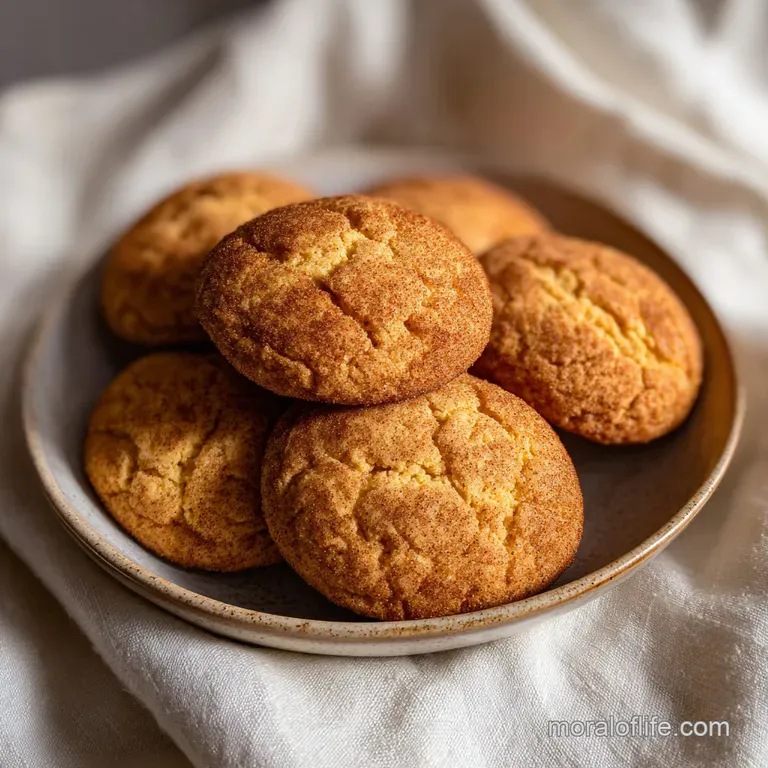
The beautiful ridges on Classic Snickerdoodles come from the dough rising quickly and then "falling." If your cookies are smooth on top, your baking soda might be expired, or you may have used too much flour.
Also, ensure your oven is truly at 180°C; if it’s too cool, the cookies won't puff up fast enough to create those fissures.
Dry or Crumbly Texture
This is almost always a result of overbaking. Remember, the cookies will not look "done" in the center when you pull them out. They should look slightly under set. If you wait until the middle is firm, they will turn into bricks once they cool down.
| Problem | Root Cause | Solution |
|---|---|---|
| Burnt Bottoms | Dark baking sheet | Use light colored pans or double stack your trays to insulate. |
| Gritty Texture | Under creaming | Ensure you beat the butter and sugar for the full 3 minutes. |
| No Tangy Flavor | Old Cream of Tartar | Replace your cream of tartar every 6 months for maximum potency. |
Common Mistakes Checklist:
- ✓ Check your baking soda by dropping a pinch in vinegar; if it doesn't fizz, toss it.
- ✓ Use room temperature eggs to ensure the fat and liquid emulsify properly.
- ✓ Do not overmix after adding flour, as this develops gluten and makes cookies tough.
- ✓ Let the baking sheets cool completely between batches so the dough doesn't melt instantly.
- ✓ Always use unsalted butter so you can control the salt levels precisely.
Creative Ingredient Swaps and Variations
Once you have the base recipe down, you can start playing with the flavor profile. While the cinnamon version is the gold standard, there are several ways to modernize this treat.
- The "Chai" Snickerdoodle: Replace the 1 tbsp of cinnamon in the coating with a mix of ginger, cardamom, allspice, and cloves. It gives a sophisticated, spicy kick that pairs beautifully with a hot cup of tea.
- gluten-free Adaptation: You can use a high-quality 1:1 gluten-free flour blend. Since these cookies rely on cream of tartar for chewiness rather than complex gluten structures, they actually translate very well to gluten-free versions.
- Brown Butter Version: Melt the butter and cook it until it smells nutty and has brown flecks. Chill it back to a solid but-soft state before creaming. This adds a deep, toffee like richness to the dough.
Serving Size Adjustment Table
| Servings | Dough Amount | Pan Size | Bake Time |
|---|---|---|---|
| 12 Cookies | 1/2 Batch | 1 Standard Sheet | 10 minutes |
| 24 Cookies | Full Batch | 2 Standard Sheets | 10 minutes |
| 48 Cookies | Double Batch | 4 Standard Sheets | 10-12 minutes |
When scaling up, be careful with the spices. If you double the recipe, you usually only need 1.5 times the salt and vanilla, as these flavors can become overwhelming. However, keep the cream of tartar and baking soda at a strict 1:1 ratio to ensure the lift is consistent.
Storage and Refreshing Cold Cookies
To keep that "just out of the oven" feel, storage is key. These cookies are moisture sensitive, so an airtight container is a must.
Fridge and Pantry Storage: Keep the cookies at room temperature in a sealed container for up to 5 days. If you find they are starting to get a bit firm, tuck a small piece of white bread into the container. The cookies will absorb the moisture from the bread and soften right back up.
I wouldn't recommend the fridge, as the cold air tends to dry out the starch and ruin the chew.
Freezing Instructions: You can freeze the baked cookies for up to 3 months. However, the best way to meal prep these is to freeze the raw dough balls (before rolling in cinnamon sugar).
When you're ready for a treat, let the balls thaw for 15 minutes, roll them in the sugar mix, and bake. You might need an extra 1-2 minutes of bake time.
Zero Waste Tip: If you have leftover cinnamon sugar from the coating process, don't throw it away! It's incredible sprinkled over buttered toast or stirred into your morning oatmeal.
If you have "failed" cookies that are too hard, crumble them up and use them as a crust for a cheesecake or a topping for vanilla ice cream.
Plating and Beautiful Presentation Accents
When it comes to presenting these, lean into the warm, rustic vibes. Since we are focusing on color balance, think about the "Autumn Palette."
- Deep Auburn Cinnamon: Ensure the coating is thick so the dark spice provides a sharp contrast against the pale cracks of the dough.
- Pale Golden Edges: Bake just until the very bottom rim of the cookie turns a light tan. This indicates the sugars have caramelized without burning.
- Creamy Ivory Cracks: The contrast between the dark exterior and the bright, soft interior is the visual hallmark of a perfect snickerdoodle.
For a classic pairing, serve these with a cold glass of milk. If you're feeling adventurous, try making ice cream sandwiches. Take two cookies and sandwich a scoop of dulce de leche or salted caramel ice cream between them. The cinnamon in the cookie and the caramel in the ice cream are a match made in heaven. If you enjoy the process of coating dough in sugar, you might also love the technique used for classic jelly donuts, where the exterior texture is just as important as the soft filling.
Kitchen Wisdom and Debunked Myths
There are a few old wives' tales about snickerdoodles that often lead bakers astray. Let's clear those up so you can bake with confidence.
Myth: You can just use a Sugar Cookie recipe and add cinnamon. This is the most common mistake. A standard sugar cookie lacks the acidity of cream of tartar. Without that ingredient, you won't get the soft, chewy texture or the slightly tangy flavor profile.
You'll just have a cinnamon flavored sugar cookie, which is fine, but it's not a snickerdoodle.
Myth: Chilling the dough is always better. While many cookies benefit from a 24 hour chill, snickerdoodles are best baked right after mixing. The baking soda starts reacting with the cream of tartar the moment the wet and dry ingredients meet.
If you wait too long, you might lose some of that initial "oomph" that creates the high rise and subsequent cracks.
Myth: Sifting doesn't matter for simple cookies. Actually, sifting your flour with the cream of tartar and baking soda ensures that the leavening is perfectly distributed. There is nothing worse than biting into a clump of bitter baking soda because it wasn't whisked in properly.
It only takes 30 seconds and guarantees a uniform rise across all 24 cookies.
Frequently Asked Questions
Troubleshooting Common Issues
| Issue | Solution |
|---|---|
| Make these without a stand mixer | Yes, you can use a hand mixer or even a sturdy whisk and some elbow grease. However, the 3 minute creaming stage is vital. If you are doing it by hand, you’ll likely need to whisk for about 5-7 minute |
| Why did my cookies turn out flat | This usually happens if the oven wasn't fully preheated or if the butter was melted rather than softened. If your kitchen is very warm, try chilling the dough for just 10 minutes before rolling to hel |
| Is there a substitute for cream of tartar | You can use 2 teaspoons of lemon juice or white vinegar for every 1 teaspoon of cream of tartar, but it changes the moisture content and the flavor slightly. For the most authentic result, the powder |
| Add chocolate chips to this | While not traditional, you certainly can! White chocolate chips pair especially well with the cinnamon coating. Just fold them in gently at the very end of the mixing process. |
| Know when they are done | Look for "set" edges. The very outer ring of the cookie should look matte and firm, while the center still looks a bit shiny and soft. They will firm up as they cool on the baking sheet. |

Recipe FAQs
What's the secret to chewy snickerdoodles?
The secret is the creaming stage. Beating the softened butter and sugar for a full three minutes ensures a velvety texture, while pulling them from the oven at exactly 10 minutes keeps the centers soft.
What is the secret ingredient in snickerdoodle cookies?
Cream of tartar is the essential component. This acidic ingredient reacts with the baking soda to create the signature tangy flavor and light, pillowy lift that defines a classic snickerdoodle.
What's the secret to a chewy cookie?
Proper fat and sugar emulsion is key. If you enjoyed nailing the stable base here, you can apply similar logic to our silky garlic kissed sauce where ingredient integration dictates the final consistency.
What are common snickerdoodle baking mistakes?
Using melted butter and over mixing are the biggest errors. Ensure your butter is only softened, not melted, and stop mixing as soon as the white flour streaks disappear to avoid a tough, dense cookie.
Is it true I must chill the dough for hours to get a good cookie?
No, this is a common misconception. You only need to chill the dough for 10 minutes if your kitchen is exceptionally warm; otherwise, you can roll and bake them immediately after mixing.
How to keep the cookies soft for several days?
Store them in an airtight container with a slice of white bread. The cookies will pull moisture from the bread, maintaining their chewy texture for up to five days at room temperature.
How to avoid cookies that turn out flat?
Ensure your oven is fully preheated before baking. If the oven temperature is too low when the cookies go in, the butter melts before the structure sets, causing the cookies to spread too much.
Classic Snickerdoodles

Ingredients:
Instructions:
Nutrition Facts:
| Calories | 181 kcal |
|---|---|
| Protein | 2.1 g |
| Fat | 8.2 g |
| Carbs | 25.3 g |
| Fiber | 0.5 g |
| Sugar | 14.2 g |
| Sodium | 115 mg |
