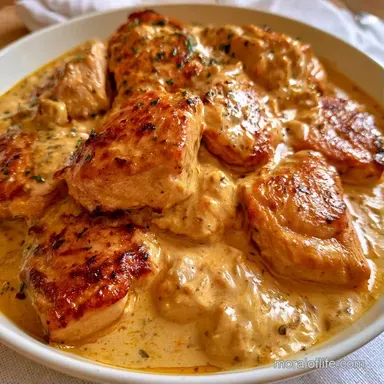
Creamy Coconut Milk Chicken Thighs

- Time: 15 min active + 25 min cooking
- Flavor/Texture Hook: Rich, creamy and slightly spicy
- Perfect for: Fast weeknight dinner
The fragrant aroma of garlic and ginger sizzling in hot oil is always comforting. I first whipped this up for a date, hoping for something more sophisticated than a typical stir fry that didn't require hours of work. It creates a warm, tropical scent that fills the kitchen before the pan is even off the heat.
This Coconut Milk Chicken is a staple for those evenings when you're drained but still crave a meal that feels curated. It is rich and slightly spicy, with a touch of lime that prevents it from feeling too heavy.
Expect a dish with a thick, glossy consistency and chicken featuring a dark, savory sear. It's a straightforward way to enjoy Southeast Asian-inspired tastes without needing a mountain of specialty ingredients.
Coconut Milk Chicken
The Sear: Browning the chicken thighs first creates a savory crust. This adds a layer of depth that you just don't get if you poach the meat directly in the sauce.
Simmering Heat: Keeping the sauce at a gentle simmer prevents the coconut milk from splitting. This ensures the sauce stays smooth rather than becoming oily.
The Lime Finish: Adding acidity at the very end cuts through the richness of the full fat coconut milk. It wakes up the other flavors, like the ginger and curry paste, right before it hits your plate.
Kitchen Tools You Need
I use a 12 inch skillet for this. You want plenty of room so the chicken doesn't crowd the pan, which would cause it to steam instead of sear. A good stainless steel or cast iron pan is best for getting that mahogany crust.
You'll also need a whisk or a sturdy spoon to get the curry paste and coconut milk fully blended. A pair of tongs helps when flipping the chicken pieces so you don't splash hot oil everywhere.
The Ingredient List
| Ingredient | What It Does | Best Swap |
|---|---|---|
| Chicken Thighs | Substantial protein source | Chicken breast |
| Full fat Coconut Milk | Provides the creamy texture | Heavy cream |
| Red Curry Paste | Infuses spice and aroma | Thai red curry paste |
| Lime Juice | Cuts through the richness | Lemon juice |
- 1.5 lbs boneless, skinless chicken thighs, cut into bite-sized pieces Why this? Thighs remain moist throughout simmering
- 1 tbsp neutral oil Why this? Ideal for high-heat browning
- ½ tsp kosher salt
- ¼ tsp black pepper
- 1 can (13.5 oz) full fat coconut milk Why this? Necessary for a dense, luxurious sauce
- 2 tbsp soy sauce
- 1 tbsp honey
- 1 tbsp fresh ginger, minced
- 3 cloves garlic, minced
- 1 tbsp red curry paste Why this? Delivers the core flavor
- 1 tbsp lime juice, freshly squeezed
- 2 tbsp fresh cilantro, chopped
- 1 stalk green onion, sliced
- 1 tsp red pepper flakes
I recommend using full-fat canned coconut milk. Light versions frequently contain stabilizers that can break down when heated, stripping away that luxurious texture. If you choose chicken breast over thighs, watch the clock closely so they don't dry out.
Cooking Time and Yield
This recipe is designed for a quick turnaround. Total time is 40 minutes, with 15 minutes spent on prep and 25 minutes on the stove. It yields 4 servings, which is great for a family dinner or a couple of days of lunches.
Since this is a one pan meal, cleanup is fast. You only have the skillet and a couple of prep bowls to deal.
Making the Dish

Searing the Protein
Use paper towels to pat the chicken thighs dry, then season them with salt and pepper. In a 12-inch skillet, bring oil to medium-high heat. Place the chicken in a single layer and sear for 3-4 minutes without disturbing until a deep mahogany crust develops.
Flip the pieces and cook for another 3 minutes before transferring them to a plate.
Building the Aromatics
Reduce the temperature to medium. To the same skillet, add the ginger, minced garlic, and red curry paste. Stir continuously for 60-90 seconds until the aromatics are fragrant and the paste takes on a darker hue. Be sure to deglaze the pan by scraping up the browned bits for maximum flavor.
Simmering the Sauce
Stir in the honey, soy sauce, and full fat coconut milk. Bring the liquid to a light simmer, avoiding a full boil. Put the seared chicken and any pan juices back into the skillet. Simmer for 8-10 minutes until the sauce reaches a velvety thickness and the meat is fully cooked.
Finishing the Dish
Take the pan off the heat. Mix in the lime juice and top with red pepper flakes, sliced green onion, and chopped cilantro. Let the dish rest for 2 minutes to allow the lime flavor to integrate.
Chef Note: If your curry paste is particularly potent, begin with 2 teaspoons and taste before adding the full tablespoon. Salt levels vary significantly between brands.
Fixing Common Issues
One thing I've learned is that Coconut Milk Chicken can be finicky if the heat is too high. If you boil the sauce aggressively, the fat can separate from the solids. You'll see small oil droplets floating on top. This doesn't mean it tastes bad, but the texture won't be as smooth.
Another common issue is the sauce being too thin. This usually happens if you don't simmer it long enough or if you used a "light" coconut milk. A quick fix is to let it simmer for a few more minutes, or whisk in a tiny bit of cornstarch slurry.
If the dish tastes too salty, it's usually the soy sauce or the curry paste. A pinch of brown sugar or an extra squeeze of lime can balance the saltiness.
| Problem | Fix |
|---|---|
| Sauce separated/oily | Lower heat and whisk vigorously |
| Sauce too thin | Simmer 5 more minutes |
| Too salty | Add a squeeze of lime or pinch of sugar |
| Chicken is tough | Reduce simmer time by 2 minutes |
Simple Ingredient Swaps
You can swap the protein for chicken breast if you prefer. Just cut the final simmer down to 5-6 minutes to keep the meat tender. For a plant-based alternative, extra-firm tofu works well, provided you press it first for a better sear.
To shift the flavor profile toward an Indian-style curry, add a teaspoon of garam masala or turmeric. To dial up the heat, either double the red pepper flakes or add a sliced Thai bird's eye chili during the aromatic stage.
If you enjoy this kind of creamy consistency, you may like other rich sauces. My Heavy Cream for Pasta recipe is another great example of using similar emulsions for comforting meals.
| Goal | What to change |
|---|---|
| More heat | Add 1 tsp extra red pepper flakes |
| Tangier taste | Increase lime juice to 2 tbsp |
| Thicker sauce | Simmer 3 minutes longer |
The stovetop is the preferred method for this particular dish over the oven.
| Feature | Stovetop | Oven |
|---|---|---|
| Texture | Better crust on chicken | Softer, poached texture |
| Speed | Faster (40 mins) | Slower (60+ mins) |
| Control | Easy to adjust sauce thickness | Harder to monitor reduction |
Storage and Zero Waste
Keep leftovers in a glass container and chill for 3 days. It is common for the sauce to thicken as it cools. To restore the glossy consistency when reheating, simply stir in a splash of water or a touch more coconut milk.
This recipe isn't ideal for the freezer as the coconut milk can become grainy. If you choose to freeze it, keep it for no longer than 2 months and reheat it gently on the stovetop.
To minimize waste, save the remaining coconut milk from the can. I prefer freezing it in ice cube trays, which are perfect for morning smoothies or a rapid vegan curry sauce. Additionally, mince any leftover cilantro stems and sauté them with the ginger and garlic.
Best Ways to Serve
For the best experience, serve your Coconut Milk Chicken over a bed of steamed jasmine rice. The grains soak up the flavorful sauce, ensuring every mouthful is rich and hearty. If you prefer a lower-carb alternative, sautéed spinach or cauliflower rice make excellent bases.
To accompany the meal, a refreshing cucumber salad dressed with sesame oil and rice vinegar offers a cooling contrast to the heat of the coconut sauce. This interplay of hot and cold, creamy and crisp, creates a truly balanced dining experience.
If you're in the mood for other comforting, rich dishes, I recommend my Sausage Rigatoni recipe, which features a similar harmony of richness and acidity.
Common Kitchen Myths
There is a common misconception that browning meat "locks in" the moisture. In reality, searing develops deep flavor through caramelization, but it doesn't create a seal. Moisture loss occurs regardless of whether you sear, but the savory crust you develop is well worth the effort.
Many believe that high-priced coconut milk is necessary to achieve a thick consistency. However, the secret is the fat content, not the brand name. Look for "full fat" on the label and ensure that coconut extract is listed as the primary ingredient. For comprehensive nutritional details on these ingredients, you can visit USDA FoodData Central.
This Coconut Milk Chicken proves that you can achieve professional-quality results without spending hours in the kitchen or owning specialized equipment. It all comes down to the sequence: brown the meat, toast the spices, and finish with a touch of acid.
Once you're comfortable with this method, feel free to experiment with various vegetables or curry pastes. For now, stick to the basics, maintain a gentle simmer, and enjoy the aromatic magic of a homemade Coconut Milk Chicken dinner.
Recipe FAQs
What does coconut milk do to chicken?
It tenderizes the meat and adds a rich, creamy texture. The fats in the coconut milk keep the chicken moist while adding a subtle sweetness that balances the curry paste.
Can I cook raw chicken directly in coconut milk?
Yes, but searing first is highly recommended. Browning the chicken in oil first creates a mahogany crust that adds a depth of flavor you cannot achieve by simmering raw meat.
How do you make chicken with coconut milk?
Sear the chicken in a skillet, then simmer it in a sauce of coconut milk, curry paste, and aromatics. This process ensures the meat is browned and the sauce is well-integrated.
Is it true that you must marinate the meat in coconut milk first?
That's a myth. Searing seasoned chicken and then simmering it in the sauce provides plenty of flavor without the need for a separate marinating step.
Do chicken breasts work as a substitute for thighs?
Yes, but reduce the simmering time. Breasts dry out faster than thighs, so monitor them closely to ensure they remain tender.
What makes the sauce reach a velvety consistency?
Simmering the coconut milk for 8-10 minutes. This reduces the liquid and concentrates the fats from the coconut milk and curry paste.
Which sides pair best with this coconut chicken?
Serve it with steamed jasmine rice or sautéed greens. This helps soak up the rich sauce, similar to how you'd use our four cheese garlic sauce over pasta.
Coconut Milk Chicken in 40 Minutes