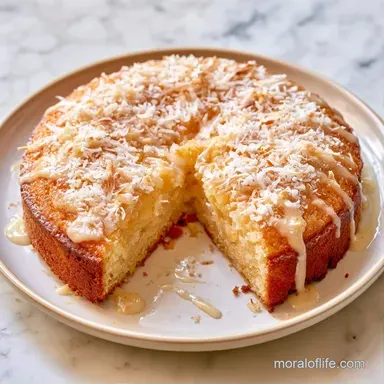
Tender Condensed Milk and Coconut Cake
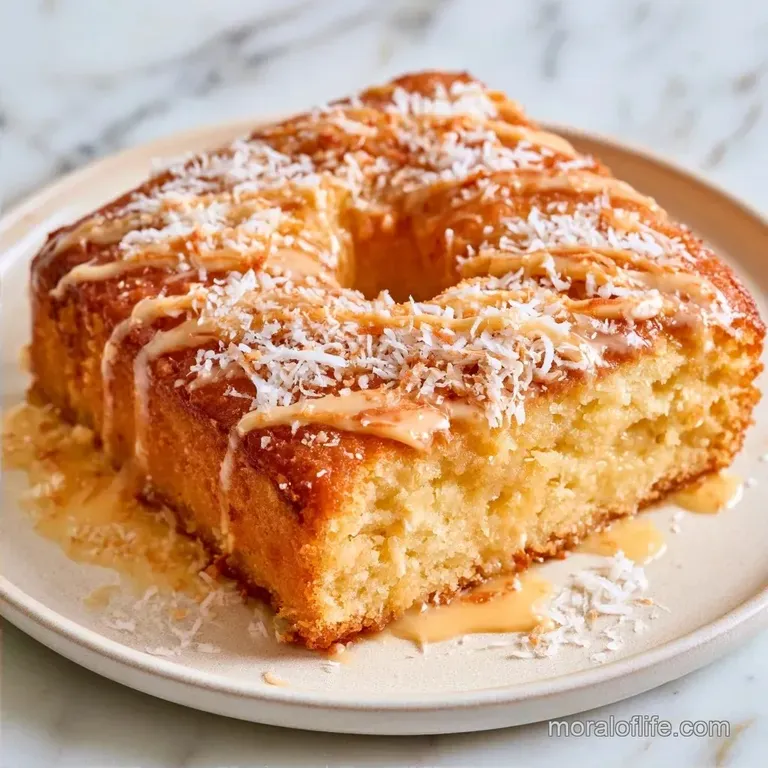
- Time: 15 min prep + 45 min bake
- Flavor/Texture Hook: Luscious, moist crumb with a bright lime accent
- Perfect for: Seasonal potlucks or a relaxed weekend dessert
Condensed Milk and Coconut Cake
While toasted coconut often brings to mind tropical getaways, my first try at this recipe was a complete failure. Over mixing the batter and using a budget friendly mix that couldn't manage the liquid resulted in a cake with the consistency of a rubber sponge.
It was far too dense to enjoy, and the topping sat on top like a heavy layer instead of soaking in.
I eventually found that the issue lay in the fat-to-sugar ratio. Substituting granulated sugar with condensed milk in the base keeps the crumb tender. This Condensed Milk and Coconut Cake eliminates dryness through a soak that fills every air pocket.
You can expect a dessert that feels airy yet tastes decadent. A touch of lime juice balances the sweetness, cutting through the creaminess. It stays moist for several days, making it an ideal choice for those who can't stand dry cake.
The Quick Specs
When you're getting ready to bake, keep these three precision checkpoints in mind. First, your oven must hit 175°C (350°F) exactly to ensure the rise is even. Second, use a 9 inch pan to keep the thickness consistent.
Third, pull the cake out the moment you hit the 45 minute mark if the toothpick comes out clean.
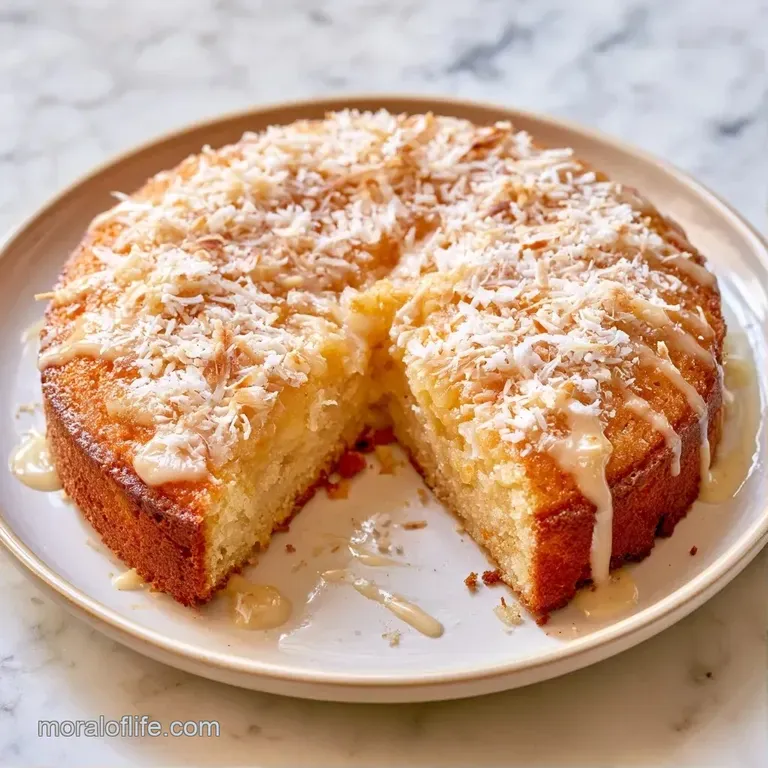
For the visual side, I focus on color balance. The base is a pale gold, the coconut topping is a bright, stark white, and I always add a sprinkle of fresh lime zest at the end for a pop of zesty green.
- For [a denser crumb]
- mix the flour in for 30 seconds longer.
- For [a sweeter soak]
- add 2 tbsp more condensed milk to the glaze.
- For [a firmer set]
- chill in the fridge for 2 hours before slicing.
| Method | Time | Texture | Best For |
|---|---|---|---|
| Fresh Coconut Milk | 60 min | Rich and heavy | Authentic flavor |
| Coconut Cream | 60 min | Dense and fudgy | Extra richness |
| Cake Mix Base | 50 min | Spongy/Airy | Quick parties |
Why This Works
Condensed Milk: It acts as both a sweetener and a tenderizer. Since the sugar is already dissolved, it creates a more cohesive crumb than white sugar. This is similar to how the fats work in a Dulce De Leche Cake, creating a denser, more moist feel.
Coconut Milk: The high fat content in full fat coconut milk prevents the flour from forming too much gluten. This keeps the cake from becoming bread like.
The Poke Method: Poking holes while the cake is warm allows the soak to penetrate the center. Without this, the liquid would just slide off the top.
What You'll Need
For the Cake Base?
- 1.5 cups (190g) all purpose flour Purpose: Ensures the cake maintains structure after soaking.
- 1 tsp (5g) baking powder Purpose: Essential for achieving a good rise.
- 0.5 tsp (3g) salt Purpose: Offsets the sweetness of the milk.
- 0.5 cup (115g) unsalted butter, softened Purpose: Creates a rich and tender crumb.
- 0.75 cup (150g) sweetened condensed milk Purpose: Serves as the primary moistener and sweetener.
- 3 large eggs, room temperature Purpose: Acts as a binder and provides lift.
- 1 tsp (5ml) pure vanilla extract Purpose: Enhances the aromatic profile.
- 0.5 cup (120ml) coconut milk (full fat) Purpose: Contributes tropical flavor and necessary fats.
For the Tropical Soak & Topping?
- 0.5 cup (150g) sweetened condensed milk
- 0.25 cup (60ml) coconut milk
- 1 tbsp (15ml) fresh lime juice Purpose: Uses acidity to balance the richness.
- 1 cup (100g) unsweetened shredded coconut Purpose: Provides a clean white look and added texture.
| Component | Purpose | Substitute Notes |
|---|---|---|
| Condensed Milk | Sweetness/Texture | Evaporated milk + sugar (less creamy) |
| Coconut Milk | Fat/Flavor | Almond milk (thinner, less rich) |
| Shredded Coconut | Garnish/Texture | Desiccated coconut (drier, less chewy) |
The Kitchen Gear
No special equipment is necessary for this recipe. A standard 9 inch round baking pan is the only must have. I suggest lining the bottom with parchment paper to stop the condensed milk from sticking to the pan.
Using a powered mixer or a KitchenAid is the easiest way to cream the butter. Alternatively, a whisk and some hard work will get the job done, though the batter won't be quite as airy. You will also need a spatula for folding and a fork or skewer for the poking step.
Making the Cake
Phase 1: The Batter
- Preheat the oven to 175°C (350°F). Grease a 9 inch pan and line the bottom with parchment paper.
- Combine the flour, baking powder, and salt in a medium bowl.
- Cream the softened butter and 150g of condensed milk in a large bowl until it becomes pale gold and fluffy.
- Add the eggs one by one, then blend in the vanilla and 120ml of coconut milk until the batter is smooth and glossy.
- Gently fold in the dry ingredients using a spatula. Stop the moment the flour is incorporated to ensure a tender crumb.
Phase 2: The Bake
- Transfer the batter into the pan and level the surface.
- Bake for 35-45 mins until the edges pull away slightly from the pan and a toothpick comes out clean.
Phase 3: The Finish
- While the cake is still warm, use a fork to poke holes across the surface.
- Stir the remaining condensed milk, coconut milk, and lime juice. Slowly pour this silky mixture over the cake.
- Scatter shredded coconut over the top and press lightly. Let it cool completely before slicing.
The logic behind the bake
You might wonder why we don't just use regular sugar. Granulated sugar can sometimes leave a grainy texture if not creamed perfectly. Condensed milk is already a syrup, so it blends into the fats more easily.
The lime juice in the soak is a non negotiable. Without it, the cake can taste "flat" or overly heavy. The acid brightens the coconut and makes the whole dish feel lighter on the palate.
Fixes for Common Issues
If your cake feels more like a brick than a cloud, you likely over mixed the flour. Once the dry ingredients hit the wet, the clock starts. If you stir too much, you develop gluten, which is great for bread but terrible for a Condensed Milk and Coconut Cake.
Another common issue is a soak that doesn't penetrate. If you wait until the cake is cold to poke the holes, the crumb closes up and the liquid just sits on top. Always poke while the cake is steaming.
Fixing a Dense Crumb
Over mixing is the main culprit. Use a spatula and a folding motion rather than a whisk for the final step.
Fixing Runny Glaze
If the soak is too thin, simmer it in a small pan for 2 minutes to reduce the water content before pouring.
| Problem | Root Cause | Solution |
|---|---|---|
| Cake is rubbery | Over mixing batter | Fold flour in gently |
| Soak sits on top | Poking when cold | Poke while cake is warm |
| Edges are burnt | Oven too hot | Use oven thermometer |
Storing Your Treats
Store the cake in a sealed box and keep it refrigerated for up to 4 days. Because the soak and coconut milk create high moisture, it can spoil more quickly if left at room temperature during humid weather.
For longer storage, wrap separate slices in parchment paper and store them in a freezer safe bag for up to 2 months. Let a slice thaw in the refrigerator overnight before serving.
To reduce waste, save the remaining coconut milk from the can. Freeze it in ice cube trays and add them to your smoothies or morning coffee for a creamy boost.
Easy Flavor Swaps
For a citrus twist, add 1 tsp of orange zest to the batter. This pairs beautifully with the coconut and gives the cake a brighter aroma. If you want something even more indulgent, you can swap the lime juice for a drizzle of maple syrup.
If you're looking for other tropical ideas, my Coconut Tapioca Pudding is a great companion dessert. For those who prefer a different kind of milk based treat, try a variation with toasted coconut flakes instead of shredded for a crunchier topping.
You can also make this a "4 ingredient" style cake by using a white cake mix as the base and focusing only on the soak and coconut topping. While it loses some of the from scratch depth, it's a lifesaver for last minute parties.
Great Pairings
This cake is quite rich, so it needs something fresh to balance it. I love serving a slice with a side of fresh mango cubes or a handful of raspberries. The tartness of the berries cuts through the condensed milk perfectly.
For a drink, a cold glass of iced tea with a squeeze of lemon is the way to go. If you're serving this at a brunch, a strong black coffee balances the sweetness and brings out the toasted notes of the coconut.
Recipe FAQs
Is this an old-fashioned condensed milk and coconut cake?
Yes, it follows a classic soak method. Poking holes in the warm cake to let the coconut glaze seep in is a traditional technique used to ensure a moist crumb.
Can I make a simplified version of this cake?
Yes, the preparation is very easy. With only 15 minutes of active work, most of the process is hands off while the cake bakes in the oven.
Is it true that cake mix can replace the batter here?
Actually, no. The specific ratio of butter and condensed milk is required to maintain the structure needed to absorb the coconut soak without collapsing.
Do I really only need 4 ingredients for this recipe?
No, and here's why. To achieve the proper lift and flavor profile, you need the full combination of leavening agents, eggs, and fats.
Are 3 ingredients enough for a coconut cake?
No, that would create a fudge. A proper cake requires flour and baking powder to create the airy texture necessary to soak up the glaze.
How to create a coconut and condensed milk dessert in 15 minutes?
Mix shredded coconut, condensed milk, and lime juice. Press the mixture into a small dish and chill for a fast, no-bake treat. If you enjoyed the creamy consistency of the soak here, see how the same flavor balance works in our authentic Puerto Rican Coquito.
Condensed Milk Coconut Cake