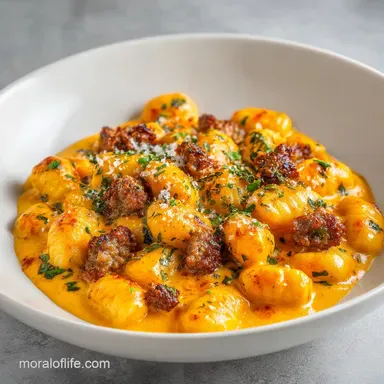
Butternut Squash Gnocchi with Sausage: One-Pan
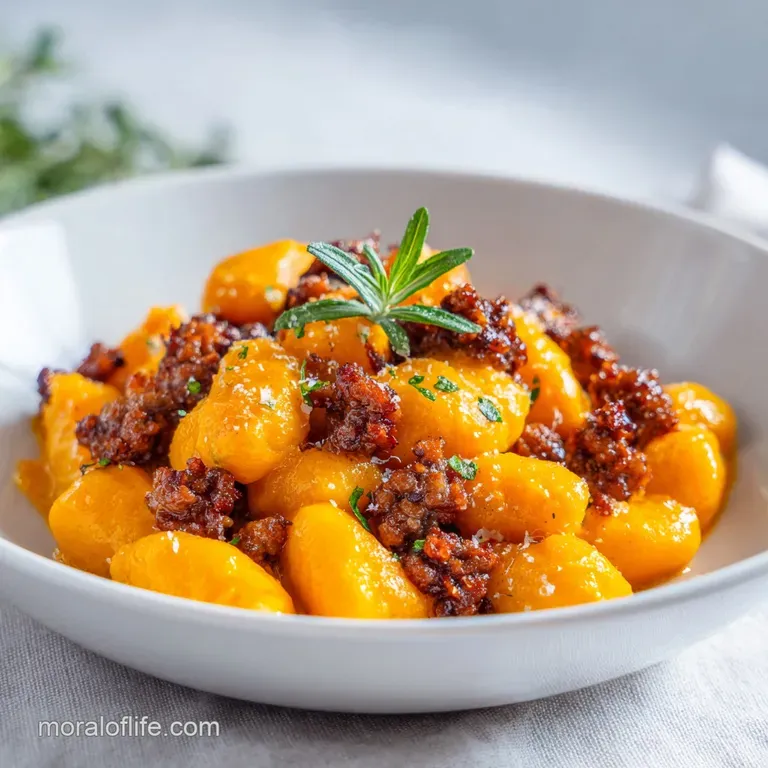
- Time:10 minutes prep + 20 minutes cook = Total 30 minutes
- Flavor/Texture Hook: Velvety squash cream with shatter crisp gnocchi edges
- Perfect for: A dependable weeknight dinner that feels like a bistro meal
Making Creamy Butternut Squash Gnocchi with Sausage
The first thing you'll notice is the sizzle. That aggressive, popping sound of bulk Italian sausage hitting a hot skillet is the signal that dinner is actually happening. I remember the first time I had a version of this in a small, family run spot in the North of Italy.
The air smelled of fried sage and toasted butter, and the dish was a warm, orange hued embrace that tasted like autumn on a plate. It wasn't about being fancy, it was about the tradition of using every bit of the harvest to make something that sticks to your ribs.
For a long time, I thought you had to boil gnocchi first. I'd spend ten minutes hovering over a pot of salted water, only to have the dumplings turn into soft, mushy clouds the second they hit the sauce. It was a frustrating cycle.
Then I learned the trick of the "dry sear." By skipping the water and tossing them straight into the sausage fat, you get these incredible, golden brown edges that provide a structural contrast to the creamy sauce. It changes the whole experience from a porridge like consistency to something with real bite.
This version is all about reliability. We're using a few shortcuts, like the puree, but we're keeping the high impact flavors like fresh sage and Parmesan. It's the kind of meal you can repeat with confidence every Tuesday because it doesn't require a degree in culinary arts or a kitchen full of gadgets.
You just need one good skillet and a bit of patience while those gnocchi get their crust.
The Secret to Velvet Texture
When you're building a sauce this rich, you're basically managing a balance of fats and starches. We aren't just mixing things together, we're creating a stable emulsion that clings to the pasta.
Pan Sear Texture: Sautéing dry gnocchi creates a caramelized exterior that prevents the dumpling from absorbing too much liquid and becoming soggy.
Starch Thickening: The potato starch on the surface of the gnocchi naturally thickens the cream and puree as they simmer.
Fat Integration: Rendering the sausage fat first provides a savory base that carries the flavor of the sage and garlic throughout the entire dish.
Emulsion Stability: Adding the Parmesan at the very end melts the cheese into the sauce, creating a glossy, cohesive glaze rather than a clump of cheese.
| Method | Time | Texture | Best For |
|---|---|---|---|
| Pan Seared | 20 min | Crispy edges, firm center | Maximum flavor and bite |
| Boiled | 12 min | Soft, pillowy, uniform | Classic, light feel |
This choice of method is what separates a mediocre bowl of pasta from a standout meal. If you've ever wondered why restaurant gnocchi feels different, it's often this searing step. If you're looking for other ways to get that satisfying crunch in your pasta, you might enjoy my Sausage Rigatoni recipe which uses a similar flavor profile.
The Essential Flavor Palette
The magic here is in the contrast between the sweet squash and the salty, spicy sausage. You want ingredients that can stand up to the richness of the cream without getting lost.
| Ingredient | Science Role | Pro Secret |
|---|---|---|
| Italian Sausage | Umami Base | Use bulk for more surface area and better browning |
| Butternut Puree | Body and Color | Stir in slowly to avoid breaking the cream emulsion |
| Parmesan Cheese | Salt and Binding | Grate it fresh; pre shredded has starch that prevents melting |
| Fresh Sage | Aromatic Bridge | Fry it in butter to unlock the oils and remove bitterness |
The Grocery List
- 1 lb bulk Italian sausage Why this? Provides the primary salt and savory depth
- 1 tbsp olive oil Why this? High smoke point for initial searing
- 1 small yellow onion, finely diced Why this? Adds a subtle, sweet aromatic base
- 3 cloves garlic, minced Why this? Pungent contrast to the sweet squash
- 1 cup butternut squash puree Why this? Creates the velvety body of the sauce
- 1/2 cup heavy cream Why this? Adds richness and stabilizes the puree
- 1/2 cup freshly grated Parmesan cheese Why this? Adds salt and creates a glossy finish
- 1/2 tsp salt Why this? Enhances all other flavors
- 1/4 tsp black pepper Why this? Adds a mild, earthy heat
- 1 package (16 oz) potato gnocchi Why this? The hearty, starchy vehicle for the sauce
- 2 cups fresh kale or baby spinach Why this? Adds color and a fresh, bitter balance
- 1 tbsp fresh sage, chopped Why this? The classic pairing for squash and pork
- 1 tbsp unsalted butter Why this? For sautéing and adding a nutty finish
| Original Ingredient | Substitute | Why It Works |
|---|---|---|
| Italian Sausage | Ground Turkey + Fennel | Leaner option. Note: Needs extra olive oil for browning |
| Heavy Cream | Full fat Coconut Milk | dairy-free. Note: Adds a tropical note, less savory |
| Kale/Spinach | Swiss Chard | Similar earthy flavor. Note: Stem needs more cook time |
| Butternut Puree | Pumpkin Puree | Very similar flavor. Note: Slightly sweeter and less nutty |
When choosing your produce, especially the kale or spinach, make sure the leaves are crisp and vibrant. If you're unsure about how to pick the best greens at the store, check out this guide from Food Network to ensure you're getting the freshest ingredients.
The Minimalist Tool Kit
You don't need a kitchen full of gadgets for this. In fact, using too many pans just means more dishes and cooler food. I've found that a single, wide skillet is the secret to success here.
A 12 inch cast iron skillet (like Lodge) is my go to because it holds heat so well. This is crucial for the gnocchi sear. If you use a thin non stick pan, you might find the gnocchi steaming rather than browning.
A wide surface area also allows the moisture from the kale to evaporate quickly, so you don't end up with a watery sauce.
You'll also need a sturdy spatula for breaking up the sausage and a wooden spoon for stirring the sauce. Avoid using metal utensils in non stick pans, obviously, but for cast iron, go wild. The simpler the toolset, the more you can focus on the sensory cues of the food.
The step-by-step Process
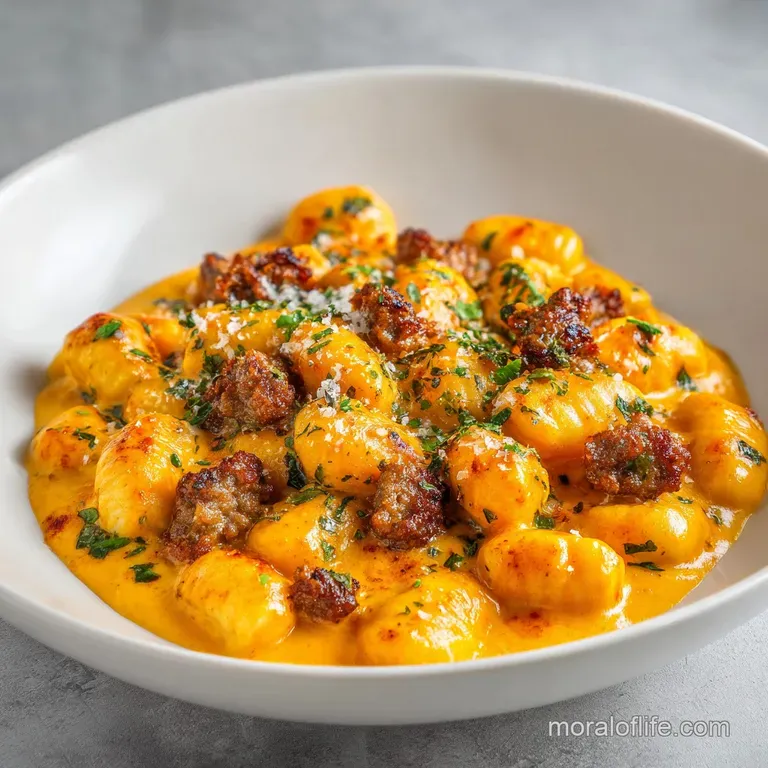
Right then, let's crack on with the cooking. Keep your ingredients prepped and ready; this moves quickly once the heat is on.
Searing the Sausage
Heat olive oil in the skillet over medium high heat. Add the 1 lb bulk Italian sausage, breaking it apart with your spatula. Cook until the meat is browned and the edges are crisp (about 5-7 minutes).
Remove the sausage with a slotted spoon and set aside, leaving the rendered fat in the pan. Note: That fat is liquid gold; it's where all the flavor lives.
Softening the Aromatics
In the same pan, add the 1 tbsp butter and diced onion. Sauté until the onion is translucent and smells sweet. Stir in the 3 cloves minced garlic and 1 tbsp chopped sage, cooking for just 60 seconds until fragrant. Note: Don't let the garlic brown too much, or it will turn bitter.
Pan Searing the Gnocchi
Add the 16 oz dry gnocchi directly to the pan with the aromatics. Sauté for 5-8 minutes, stirring occasionally, until the gnocchi are golden brown and have a slight crust on both sides.
Note: Resist the urge to stir constantly; let them sit for a minute to get that brown crust.
Building the Creamy Sauce
Lower the heat to medium. Stir in the 1 cup butternut squash puree and 1/2 cup heavy cream. Stir constantly until the sauce is uniform and begins to simmer gently. Fold the cooked sausage and the 2 cups of kale or spinach into the pan.
Note: The greens will wilt quickly from the residual heat.
The Final Glaze
Stir in the 1/2 cup Parmesan cheese until melted and the sauce thickens to a glossy consistency. Once the kale is wilted, serve immediately. Note: If the sauce looks too thick, a splash of water or milk will loosen it up.
Fixing Common Texture Issues
Even with a dependable recipe, things can go sideways. Usually, it's a matter of heat management or timing.
Why Your Gnocchi Are Mushy
This usually happens if you overcrowd the pan or use too much oil. Instead of searing, the gnocchi end up boiling in the fat. Make sure your pan is hot before adding them and leave a bit of space between the dumplings.
| Problem | Root Cause | Solution |
|---|---|---|
| Sauce is grainy | Cheese added to boiling sauce | Lower heat before stirring in Parmesan |
| Gnocchi are raw inside | Heat too high, outside burnt | Lower heat slightly and cover for 2 mins |
| Sauce is too thin | Not simmered long enough | Cook 2-3 mins more without a lid |
Why Your Sauce Split
If the cream and puree separate, it's often because the heat was too high when the dairy was added. The fats break away from the solids. To fix this, whisk in a tablespoon of warm water or a tiny bit more cream over low heat to bring it back together.
Common Mistakes Checklist
- ✓ Pat the sausage dry if it's excessively wet before searing
- ✓ Do not boil the gnocchi in water before adding to the pan
- ✓ Use a wide skillet to avoid overcrowding the gnocchi
- ✓ Grate Parmesan fresh to ensure a smooth melt
- ✓ Add the greens at the very end to maintain their color
Creative Twists and Swaps
Once you've got the base down, you can start playing with the flavors. This recipe is a great canvas for seasonal adjustments.
For a zesty twist, add a squeeze of fresh lemon juice and a pinch of lemon zest right before serving. The acidity cuts through the richness of the cream and squash, brightening the whole dish. If you're feeling adventurous, a pinch of nutmeg in the sauce brings out the natural sweetness of the butternut squash.
To make this meatless, swap the sausage for smoked paprika seasoned chickpeas or sliced mushrooms. You'll lose the rendered fat, so increase the butter by 1 tablespoon to ensure the gnocchi still get that golden crust. For a "green" power boost, you can double the amount of kale or add some chopped Swiss chard. If you love these kinds of hearty combinations, my Spinach Mushroom Gnocchi is another great way to get those greens in.
| Goal | Adjustment | Result |
|---|---|---|
| More Heat | Add 1/2 tsp red pepper flakes | A spicy kick that balances the sweetness |
| Nuttier Flavor | Use brown butter for the onions | A deeper, toasted aroma |
| Lighter Feel | Swap heavy cream for half and half | Less richness, slightly thinner sauce |
This versatility is why I love this dish. It works just as well for a cozy date night as it does for a family meal. Just remember that any addition of liquid (like lemon juice or extra cream) might require an extra minute of simmering to get that glossy finish.
Preserving the Leftovers
Pasta with cream sauces can be tricky to store because the starch and fat like to separate in the fridge. However, this dish holds up surprisingly well if you know how to handle it.
Store leftovers in an airtight container in the fridge for up to 3 days. When you're ready to eat it again, don't just throw it in the microwave on high. The high heat can cause the sauce to break and the gnocchi to become rubbery. Instead, heat it in a small pan over medium low heat.
Add a splash of milk or water to loosen the sauce and bring it back to a velvety state.
For freezing, I'd be honest: gnocchi can get a bit grainy after freezing. But if you must, freeze it for up to 2 months. Thaw it completely in the fridge overnight before reheating on the stovetop.
To reduce waste, use any leftover butternut squash puree to make a simple soup or blend it into a morning smoothie for an extra nutrient boost.
The Best Side Pairings
Since this dish is quite rich, you want sides that provide contrast. Something crisp, acidic, or bitter will balance the creaminess of the squash.
A simple arugula salad with a sharp lemon vinaigrette is the gold standard here. The peppery greens and the acid from the lemon cleanse the palate between bites of the savory gnocchi.
Alternatively, roasted Brussels sprouts with a balsamic glaze offer a charred, sweet and sour element that complements the Italian sausage.
If you're hosting a crowd, a piece of crusty sourdough bread is essential. You'll want it to mop up every last drop of that glossy sauce. Trust me, leaving sauce on the plate is a crime. For more tips on keeping your kitchen workflow smooth when making multi course meals, check out this time-saving cooking guide for a few extra tricks.
Final Thoughts on Texture
The most important takeaway here is the confidence to let things brown. Don't be afraid of those dark edges on the sausage or the golden crust on the gnocchi. That's where the depth of flavor lives.
Once you stop treating gnocchi like something that must be soft and start treating them like something that can be crispy, your pasta game will change forever. Enjoy the process, smell the sage, and dive in while it's hot.
High in Sodium
845 mg 845 mg of sodium per serving (37% 37% of daily value)
The American Heart Association recommends a limit of 2,300 mg of sodium per day for most adults to maintain heart health.
Tips to Reduce Sodium
-
Swap the Sausage-25%
Replace the bulk Italian sausage with low-sodium ground pork and season it yourself with fennel seeds and red pepper flakes.
-
Omit Added Salt-25%
Completely remove the 1/2 tsp of salt from the recipe, as the sausage and Parmesan already provide significant sodium.
-
Choose Fresh Gnocchi-15%
Substitute packaged potato gnocchi with fresh, homemade, or low-sodium versions to avoid processed preservatives.
-
Reduce the Cheese-15%
Use half the amount of Parmesan cheese or substitute a portion with nutritional yeast for a similar savory flavor.
-
Enhance with Herbs
Increase the amount of fresh sage and minced garlic to add bold, aromatic flavor without adding any sodium.
Butternut Squash Gnocchi with Sausage: Pan-Seared in 30 Min