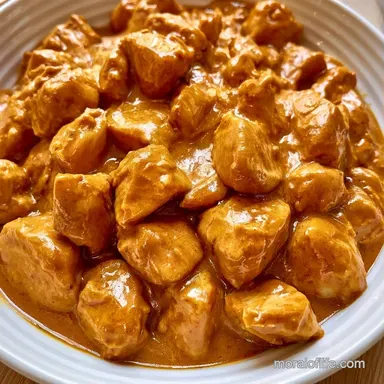
Creamy Coconut Chicken Curry

- Prep/Cook Time: 15 min active + 20 min cook
- Taste Profile: Bold, creamy sauce with tender chicken
- Ideal for: Weeknight dinner, beginner cooks, meal prep
The sizzle of chicken hitting a hot skillet is where the magic begins. In the past, my attempts at homemade curry often resulted in a bland, yellow soup because I simply dumped everything into a pot and hoped for the best. It was a disappointment.
But once I realized that oil is what actually unlocks the depth of the spices, everything changed. Now, my kitchen smells like a professional bistro the moment the curry powder hits the pan.
This Coconut Chicken Curry is all about the interplay of flavors. The heavy, rich creaminess of coconut milk is cut by the sharp, vibrant zing of lime juice. That specific contrast is what makes the dish work. You only need a few basic staples and about 35 minutes of your time.
I've designed this recipe to be as simple as possible, with no confusing instructions or specialized equipment. It's a hearty, home-style meal that tastes like it took hours to prepare. Whether you are feeding a large group or getting ahead on your weekly meal prep, this Coconut Chicken Curry delivers every time.
Making a Bold Coconut Chicken Curry
The reason this version works so well is that we focus on layering the flavors instead of just mixing them. Most people make the mistake of adding spices to the liquid, but that leaves the dish tasting flat. By frying the spices first, we wake them up.
Blooming Spices: Heating spices in oil releases fat soluble flavors, which makes the sauce taste deeper. Acid Balance: Adding lime juice at the very end cuts through the fat of the coconut milk, brightening the whole dish.
If you love the way these bold flavors come together, you might also enjoy my crispy cabbage dumplings as a side dish for a full on feast.
Quick Recipe Specs
The goal here is speed without losing the depth of flavor. We're talking a 15 minute prep time and 20 minutes at the stove. It's a fast versus classic approach where we skip the long simmered onions of a traditional curry but keep the punchy aromatics.
| Goal | What to change |
|---|---|
| Thicker sauce | Simmer 5 mins longer |
| More heat | Add 1 tsp red pepper flakes |
| Brighter taste | Extra squeeze of lime |
What Each Ingredient Does
Not every ingredient in this Coconut Chicken Curry is just for bulk. Each one has a job to do, from the sweetness of the maple syrup to the earthiness of the turmeric.
| Ingredient | What It Does | Best Swap |
|---|---|---|
| Full fat coconut milk | Adds richness and creamy base | Cashew cream (for nuttiness) |
| Curry powder | Primary flavor and warm aroma | Garam masala (more peppery) |
| Tomato paste | Adds depth and "brick red" color | Tomato puree (slightly thinner) |
| Lime juice | Cuts the fat and adds brightness | Lemon juice (sharper) |
Ingredients & Swaps
Make sure your pantry is stocked with these staples. I always opt for fresh ginger instead of the powdered kind to get a more vibrant, zesty bite.
- 1.5 lb boneless, skinless chicken breasts, diced into 1-inch pieces Why this? Lean and cooks quickly in small pieces
- 2 tbsp neutral oil (such as canola or vegetable)
- 1 medium yellow onion, finely diced
- 1.5 tbsp fresh ginger, minced
- 1.5 tbsp garlic, minced
- 2 tbsp curry powder Why this? Provides a balanced, pre mixed spice base
- 1 tsp ground turmeric
- 1 tsp ground coriander
- 1/2 tsp salt
- 1 can (13.5 oz) full fat coconut milk Why this? Full fat prevents the sauce from separating
- 1 tbsp tomato paste
- 1 tsp maple syrup Why this? Balances the salt and acidity
- 1 tbsp fresh lime juice
- 1/4 cup fresh cilantro, chopped
If you're fresh out of maple syrup, honey or a bit of brown sugar are excellent alternatives. The goal is just a hint of sweetness to balance the flavors.
Gear for the Job
Equipment is minimal here. The only essential is a wide pot or a large skillet. To get a deep brown crust on the chicken, I recommend stainless steel, but a non-stick pan is perfectly fine if you prefer a quicker cleanup.
You will also want a sturdy spatula to stir the spices and a sharp chef's knife for the ginger and onion. A microplane makes mincing the garlic and ginger much faster, but you can easily use a regular knife instead.
How to Make It

Begin by following these instructions, using your sense of smell as a guide for when to proceed.
- Warm 1 tbsp of oil in a pan over medium-high heat. Add the chicken chunks in a single layer and sear until golden brown on at least two sides, about 3 minutes per side. Remove the chicken and set it aside. Tip: Work in batches to avoid crowding the pan, which prevents the chicken from steaming.
- Reduce the heat to medium and add the remaining tbsp of oil. Sauté the diced onion until translucent, about 4 minutes.
- Mix in the garlic and ginger, cooking for 1 minute until the aroma is fragrant.
- Add the coriander, turmeric, and curry powder. Stir constantly for 30–60 seconds until the spices darken and smell nutty.
- Stir in the tomato paste and cook for one more minute until it turns a deep brick red.
- Pour in the coconut milk, then stir in the salt and maple syrup. Bring the liquid to a gentle simmer.
- Return the seared chicken to the pan and simmer until the sauce thickens and chicken is cooked through.
- Stir in the lime juice and garnish with chopped cilantro before serving.
Chef's Note: If the sauce seems too thin after step 7, simply let it bubble for another 2-3 minutes. The coconut milk will reduce and coat the chicken more effectively.
Fixing Common Problems
Occasional hiccups can happen during cooking. Here are some quick fixes.
Sauce is Too Thin
This often occurs if the temperature was too low or the simmering time was insufficient. To correct this, leave the lid off and simmer for an additional 5 minutes. As the water evaporates, the sauce will thicken into a rich consistency that clings to the spoon.
Flavor is Too Bitter
Burning the spices or adding excessive turmeric can result in a bitter flavor. Simply stir in another teaspoon of maple syrup or a small pinch of sugar. This touch of sweetness balances the bitterness without altering the dish's character.
Coconut Milk Separated
If oil begins to pool on the surface, the temperature may have been too high, or you might have used "light" coconut milk. Stir the mixture vigorously while reducing the heat. For better stability in future batches, use full-fat coconut milk.
Dietary Adaptations
This Coconut Chicken Curry is pretty flexible. You can tweak the protein or the base depending on what's in your fridge.
The Vegan Swap Replace the chicken with 1.5 lbs of chickpeas or cubed extra firm tofu. If using tofu, press it first to get the water out, then sear it exactly like the chicken. It absorbs the sauce beautifully.
The Low Carb Option This recipe is already quite keto friendly. To keep it that way, serve it over cauliflower rice instead of white rice. The richness of the coconut milk makes it feel just as filling.
Thai Style Twist For a more Thai inspired vibe, swap the curry powder for 2 tbsp of red curry paste and add a splash of fish sauce instead of salt. This creates a sharper, more pungent flavor profile.
Keeping It Fresh
This meal often improves overnight as the flavors have more time to deepen. Store it in a sealed glass container in the fridge for no more than 3 days.
To enjoy leftovers, warm them slowly on the stovetop over medium-low heat. If the sauce has become too thick while chilling, stir in a splash of water or a tablespoon of coconut milk to thin it out.
For a longer shelf life, you can freeze the curry for around 2 months. Omit the lime juice and fresh cilantro before freezing, as they lose their vibrancy; simply stir them in after reheating. If you enjoy meal prepping creamy meals, my creamy sausage rigatoni is another excellent option that stays delicious when chilled.
To reduce waste, find a use for the remaining coconut milk in the can. I typically blend it into a smoothie or use it as a base for simple vegan pancakes.
Presentation Tips
A Coconut Chicken Curry is naturally a beautiful yellow gold color, but it can look a bit monochromatic on the plate. The trick is to add contrast.
The Texture Contrast Serve the curry over a bed of fluffy basmati rice or a piece of toasted naan. The soft rice and the chew of the bread balance out the tender chicken and smooth sauce.
The Color Pop Don't skip the fresh cilantro. The bright green against the golden sauce makes the dish look fresh. A few thin slices of red chili or a wedge of lime on the side also add a professional touch to the plate.
The Final Touch If you have some toasted cashews or sesame seeds, sprinkle them on top. It adds a needed crunch to a dish that is otherwise very soft and creamy.
Kitchen Myths
There are a few things people tell you about curry that just aren't true.
One big one is that searing the meat "seals in the juices." In reality, searing doesn't stop moisture loss, but it creates a brown crust that adds a massive amount of flavor to the entire pot. We sear for the taste, not to lock in water.
Another myth is that you need a specific "curry leaf" to make a Coconut Chicken Curry taste authentic. While they are great, high-quality curry powder and fresh ginger provide plenty of depth for a home cooked meal. You don't need to hunt down rare herbs to get a bold result.
Recipe FAQs
How to achieve a rich flavor in the sauce?
Sauté the curry powder, turmeric, and coriander in oil for 30–60 seconds before adding liquids.
Tip: Watch for the spices to darken and smell nutty to ensure they are fully toasted.
Is it true that this curry requires hours of simmering to thicken?
No, and here's why. The full-fat coconut milk and tomato paste provide a natural thickness quickly.
Tip: Use medium-high heat for the initial chicken sear to lock in juices.
Which proteins work best as substitutions for chicken breasts?
Use boneless chicken thighs or firm tofu for a similar texture.
Tip: If you enjoy the slow-cooked tenderness of Boston Butt, you can adapt this for a slow cooker.
Why does the coconut milk sometimes separate?
This usually happens when the sauce is boiled too vigorously.
Tip: Maintain a gentle simmer to keep the sauce creamy and stable.
Coconut Chicken Curry in 35 Minutes