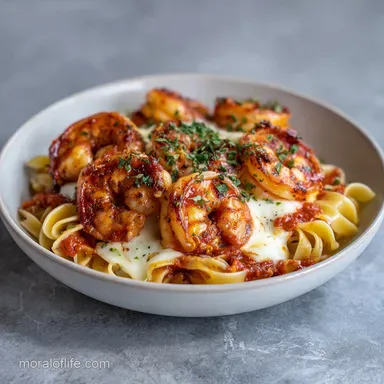
Creamy Mozzarella Shrimp Pasta: Velvety and Rich
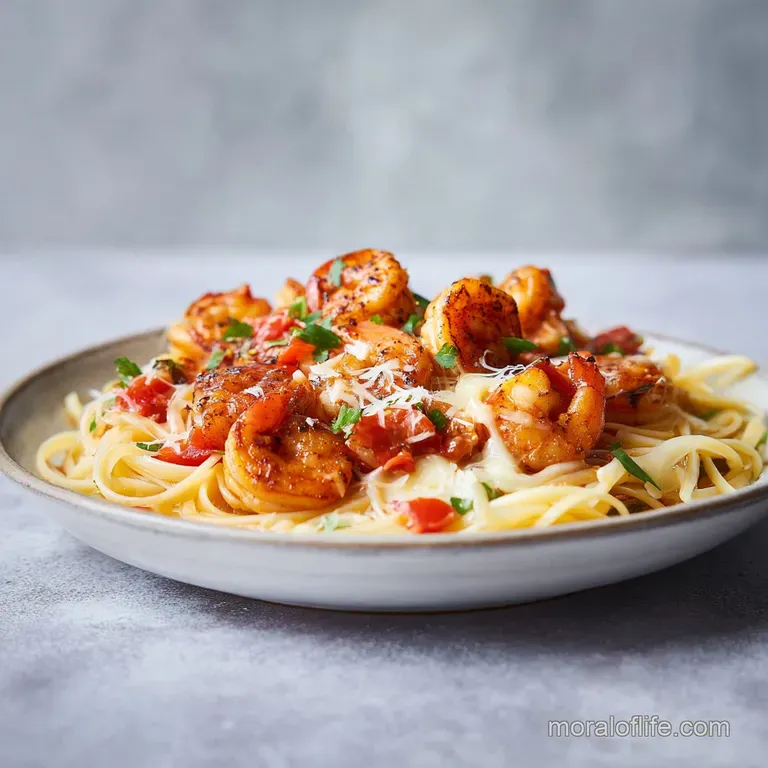
- Time: 10 min active + 20 min cook = 30 min total
- Flavor/Texture Hook: Velvety sauce with a golden, smoky shrimp sear
- Perfect for: A dependable weeknight dinner that feels high end
- Creamy Mozzarella Shrimp Pasta Made Simple
- Why This Sauce Actually Works
- The Component Analysis
- The Full Pantry List
- Simple Step-by-Step Guide
- Fixing Common Pasta Problems
- Troubleshooting Common Issues
- Adjusting the Serving Size
- Busting Common Kitchen Myths
- Storage and Waste Tips
- Best Ways to Serve
- Critical in Sodium
- Recipe FAQs
- 📝 Recipe Card
Creamy Mozzarella Shrimp Pasta Made Simple
That first sizzle when the shrimp hits the hot olive oil is where the magic starts. You hear that sharp crackle, and then the smell of smoked paprika and garlic fills the kitchen. It's the kind of aroma that makes everyone in the house wander into the kitchen asking what's for dinner.
I remember the first time I tried to make something like this, I thought I needed a professional roux or hours of simmering to get a thick sauce. I spent way too much time whisking flour and butter, only for the sauce to taste "pasty" and heavy.
Honestly, you don't need any of that. The secret is actually in the cheese and the water you boil your noodles in. Forget the idea that "fancy" pasta needs a complicated base. This creamy mozzarella shrimp pasta is all about the interaction between the fats in the cream and the proteins in the mozzarella, tied together by a bit of salty starch.
It's a straightforward, dependable meal that works every single Tuesday.
You can expect a dish that's silky but not gloppy, with shrimp that have a nice golden crust and spinach that adds a bit of freshness to cut through the richness. We're going to keep the ingredients budget-friendly, using smart swaps like frozen shrimp if that's what you've got in the freezer, because it still delivers a top tier result.
Trust me on this, once you see how the sauce comes together, you'll never go back to the heavy flour based versions.
Why This Sauce Actually Works
Most people think the cream does all the work, but the real hero is the pasta water. It acts like a bridge between the oil and the water based elements of the sauce.
- Starch Bonding
- The reserved pasta water contains starch that helps the fats from the cheese and cream cling to the linguine instead of sliding off.
- Fat Stability
- Using heavy cream provides a stable fat base that prevents the mozzarella from breaking into oily clumps when heated.
- Acidity Balance
- A splash of lemon juice at the end cuts through the heavy fats, brightening the whole dish and making the shrimp flavor pop.
- Protein Searing
- Searing shrimp separately prevents them from steaming in the sauce, which keeps them snappy rather than rubbery.
If you're curious about how different cheeses interact with creams, you might find my Sauce in 20 Min recipe interesting, as it uses a similar logic with a different cheese blend.
| Method | Time | Texture | Best For |
|---|---|---|---|
| Fresh Ingredients | 30 min | Bright, snappy, silky | Date nights or guests |
| Shortcut/Frozen | 25 min | Consistent, creamy | Fast weeknight meals |
| Pre prepped | 15 min | Thicker, heartier | Quick lunches |
The Component Analysis
Understanding why we pick certain ingredients helps you make better choices when you're staring at a half empty fridge.
| Ingredient | Science Role | Pro Secret |
|---|---|---|
| Heavy Cream | Fat Base | Prevents the sauce from splitting under heat |
| Low Moisture Mozzarella | Binding Protein | Melts smoother than fresh mozzarella pearls |
| Pasta Water | Emulsifier | The "liquid gold" that creates a glossy finish |
| Smoked Paprika | Flavor Depth | Adds a woody, charred note without a grill |
The Full Pantry List
Right then, let's get your station ready. I've listed everything you need based on my testing. For the shrimp, I highly recommend the large size - they hold up better to the sear and don't disappear into the pasta.
For the Shrimp
- 450g large shrimp, peeled and deveinedWhy this? Holds shape and stays juicy during searing
- 30ml olive oilWhy this? High smoke point for a good sear
- 15g garlic, mincedWhy this? Fresh garlic has a sharper, cleaner bite
- 2g smoked paprikaWhy this? Adds a deep, savory color and aroma
- Salt to taste
- Black pepper to taste
For the Creamy Mozzarella Sauce
- 30g unsalted butterWhy this? Adds a velvety richness to the base
- 240ml heavy creamWhy this? Higher fat content means a more stable sauce
- 170g shredded low moisture mozzarella cheeseWhy this? Melts evenly without releasing excess water
- 50g grated Parmesan cheeseWhy this? Adds a salty, nutty punch
- 40g sun dried tomatoes, choppedWhy this? Intense tartness to balance the cheese
- 60g fresh baby spinachWhy this? Quick wilt and adds a pop of color
- 5ml lemon juiceWhy this? Essential for cutting through the fat
The Pasta Base - 340g linguine Why this? Flat surface area catches more sauce - 240ml reserved pasta water Why this? The key to the glossy finish
Smart Substitutions
| Original Ingredient | Substitute | Why It Works |
|---|---|---|
| Heavy Cream | Half and Half | Lighter result. Note: Sauce will be thinner and less stable |
| Linguine | Fettuccine | Similar shape and surface area |
| Mozzarella | Provolone | Similar melt point. Note: Stronger, sharper flavor profile |
| Baby Spinach | Kale | Earthier taste. Note: Needs 2-3 extra minutes to soften |
| Sun dried Tomatoes | Roasted Red Peppers | Sweet and smoky. Note: Less acidity than tomatoes |
Simple step-by-step Guide
Let's crack on. The key here is timing. You want your pasta to finish right as your sauce is reaching that glossy state.
- Bring a large pot of salted water to a boil. Cook the linguine according to package directions until al dente. Reserve 240ml of pasta water before draining. Note: Al dente is crucial because the pasta will cook a bit more in the sauce.
- Pat your shrimp completely dry with paper towels. Heat 30ml olive oil in a skillet over medium high heat. Add shrimp, 15g minced garlic, and 2g smoked paprika.
- Sear the shrimp for 2 minutes per side until they are opaque and golden. Remove them from the pan and set aside on a plate. Note: Overcooking here makes them rubbery.
- In the same skillet, melt 30g butter over medium heat. Stir in 40g chopped sun dried tomatoes for 1 minute.
- Pour in 240ml heavy cream and bring to a gentle simmer. Wait until you see small bubbles forming around the edges.
- Lower the heat and stir in 170g mozzarella and 50g Parmesan. Stir constantly until the sauce is smooth and velvety.
- Fold in 60g baby spinach and 5ml lemon juice. Stir for about 1 minute until the leaves are just wilted.
- Return the seared shrimp and cooked linguine to the pan.
- Toss everything together. Add the reserved pasta water one tablespoon at a time until the sauce reaches a glossy, clinging consistency.
Chef's Tip: If you find your shrimp are releasing too much water in the pan, it's usually because they weren't dried enough. Pat them like you're drying a delicate piece of art before they hit the oil.
Fixing Common Pasta Problems
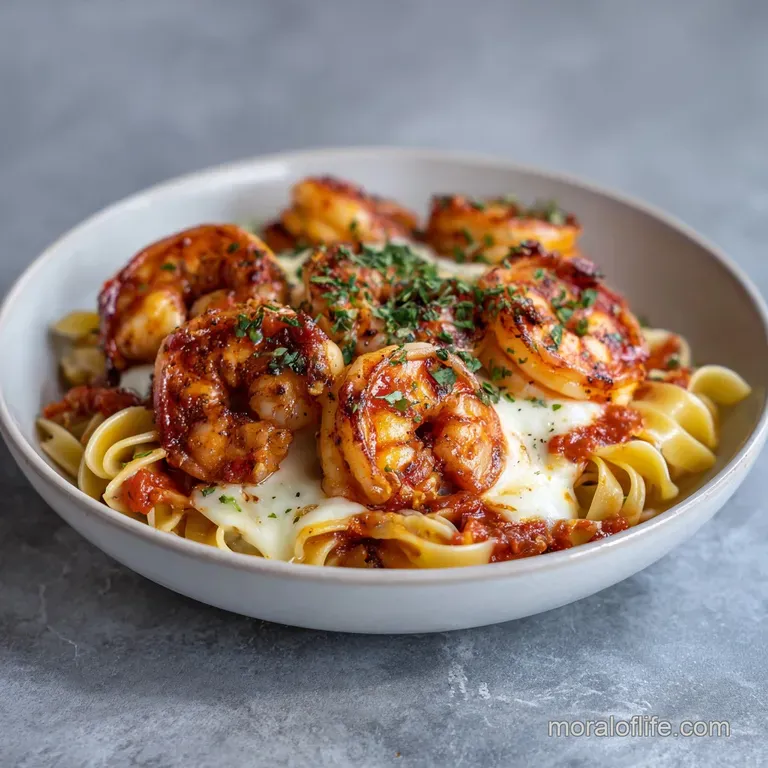
Even the most dependable recipes can go sideways if the heat is too high or the timing is off. If your creamy mozzarella shrimp pasta looks a bit odd, don't panic.
Troubleshooting Common Issues
| Issue | Solution |
|---|---|
| Why Your Sauce Split | If you see little beads of oil floating on top of your sauce, it's likely because the heat was too high. When cheese gets too hot, the proteins tighten and squeeze out the fat. This is why we lower th |
| Why Shrimp is Rubbery | Shrimp cook incredibly fast. If they've curled into tight "O" shapes, they're overdone. You want them in a loose "C" shape. According to the USDA Food Safety guidelines, sh |
| Why the Sauce is Too Thick | This happens if the pasta absorbs the moisture too quickly or if the cream reduced too much. This is where that reserved pasta water becomes a lifesaver. |
Common Mistakes Checklist
- ✓ Did you pat the shrimp dry? (Ensures a sear, not a steam)
- ✓ Did you reserve the pasta water? (Essential for the emulsion)
- ✓ Did you undercook the pasta slightly? (Prevents mushy noodles)
- ✓ Did you lower the heat before adding cheese? (Prevents splitting)
- ✓ Did you add lemon juice at the end? (Balances the heavy fats)
Adjusting the Serving Size
Scaling this recipe isn't as simple as doubling everything, especially when it comes to the pan space and the sauce reduction.
Scaling Down (Half Batch) Use a smaller skillet to prevent the cream from evaporating too quickly. Use 225g shrimp and 170g linguine. Reduce the cooking time for the sauce by about 20% since there's less volume to heat up.
I'd recommend beating one egg if you're adding any binders, but since we use cheese here, just stick to half the measurements.
Scaling Up (Double Batch) Don't try to sear 900g of shrimp in one go. They'll crowd the pan, lower the temperature, and you'll end up with grey, boiled shrimp instead of golden ones. Work in two batches. For the sauce, increase the salt and paprika to 1.5x instead of 2x, then taste and adjust.
Liquids can usually be reduced by about 10% when doubling, as less evaporates proportionally.
If you're looking for other ways to use up a large batch of cream, you might like my tomato pasta sauce with cream cheese which is great for meal prep.
| Batch Size | Shrimp Amount | Pasta Amount | Pan Tip |
|---|---|---|---|
| 1/2 Batch | 225g | 170g | Use 8 inch skillet |
| Standard | 450g | 340g | Use 12 inch skillet |
| Double | 900g | 680g | Sear shrimp in 2 batches |
Busting Common Kitchen Myths
There are a few things people tell you about seafood pasta that just aren't true. Let's set the record straight.
Myth: You must wash shrimp with lemon juice first. Actually, rinsing shrimp with water is fine, but soaking them in lemon juice before cooking can start to "cook" the protein (like ceviche), which ruins the sear. Pat them dry and save the lemon for the end.
Myth: Fresh mozzarella is better for creamy sauces. For this specific dish, fresh mozzarella (the kind in water) is actually a mistake. It releases too much moisture, which thins out your sauce and often results in big, rubbery clumps.
Low moisture shredded mozzarella is the way to go for that silky, cohesive texture.
Myth: Adding cream at the end keeps it from curdling. Curdling happens due to extreme heat or high acidity, not the order of addition. As long as you keep the sauce at a gentle simmer and not a rolling boil, the cream is perfectly stable.
Storage and Waste Tips
I'm all about making the most of what we have. This creamy mozzarella shrimp pasta is great, but it does change a bit once it hits the fridge.
Fridge Storage Store leftovers in an airtight container for up to 3 days. The pasta will absorb the sauce as it sits, so when you look at it the next morning, it might look more like a thick casserole than a silky pasta.
The Reheating Trick Don't microwave this on high, or the cheese will separate and become oily. Instead, put the pasta back in a skillet over medium low heat. Add a splash of milk or water to loosen the sauce back up. Heat gently until it's creamy again.
Zero Waste Strategy If you bought shrimp with the shells on and peeled them yourself, do not throw those shells away! Toss them in the freezer in a bag. Once you have enough, simmer them with an onion, carrot, and celery to make a quick shrimp stock.
You can use this stock as the base for a risotto or a seafood soup later.
Best Ways to Serve
To make this feel like a complete meal, you want things that provide a crunch or a bit of acidity to contrast the velvety sauce.
The Perfect Pairing I love serving this with a side of charred broccolini or a simple arugula salad with a sharp balsamic vinaigrette. The bitterness of the greens cuts right through the richness of the mozzarella.
If you're feeling extra, a few slices of toasted garlic bread are spot on for mopping up any leftover sauce on the plate.
Presentation Tips Toss the pasta in the pan, but plate it using a carving fork to create a "nest" in the center of the bowl. Arrange the golden shrimp on top so they're visible, and garnish with a sprinkle of fresh parsley or a pinch of red pepper flakes for a bit of heat.
Quick Customization
- If you want it spicier: Add a pinch of cayenne pepper to the shrimp sear.
- If you want it heartier: Add some sautéed mushrooms along with the sun dried tomatoes.
- If you want it leaner: Use whole wheat linguine and reduce the butter by half.
This creamy mozzarella shrimp pasta is a dependable winner. It's not about being fancy; it's about using a few simple tricks, like reserving pasta water and searing in batches, to get a result that feels like it came from a professional kitchen. Right then, get your pans hot and enjoy!
Critical in Sodium
1240 mg 1240 mg of sodium per serving (54% 54% of daily value)
The American Heart Association recommends a daily limit of no more than 2,300 mg of sodium, and an ideal limit of no more than 1,500 mg for most adults.
Tips to Reduce Sodium
-
Eliminate Added Salt-25%
Remove the 'salt to taste' and rely on extra lemon juice and black pepper to brighten the flavors.
-
Reduce Parmesan-20%
Cut the Parmesan cheese in half or substitute with nutritional yeast for a similar savory, cheesy profile with far less sodium.
-
Rinse Sun-Dried Tomatoes-15%
Use low-sodium sun-dried tomatoes or rinse the chopped tomatoes thoroughly under cold water to remove excess brining salt.
-
Swap Mozzarella Type-15%
Replace shredded low-moisture mozzarella with fresh mozzarella, which typically contains significantly less sodium.
-
Unsalted Pasta Water-10%
Boil your linguine in unsalted water so that the reserved pasta water used to thicken the sauce doesn't add hidden sodium.
-
Boost Fresh Herbs
Stir in freshly chopped parsley or basil at the end to add aromatic depth without needing extra salt.
Recipe FAQs
Can I use fresh mozzarella instead of low-moisture?
No, stick with low-moisture. Fresh mozzarella releases too much water, which prevents the sauce from emulsifying and becoming smooth.
How to prevent shrimp from becoming rubbery?
Sear for exactly 2 minutes per side. Remove the shrimp from the pan as soon as they form a loose "C" shape to avoid overcooking them into tight "O" shapes.
Why did my cheese sauce separate or split?
The heat was likely too high. Excessive heat causes cheese proteins to tighten and squeeze out the fat; always lower the heat before stirring in your mozzarella and Parmesan.
How to reheat this pasta without it getting oily?
Warm in a skillet over medium-low heat. Add a splash of water to loosen the sauce and restore the glossy consistency without separating the fats.
Is it true that I should boil the shrimp in the pasta water?
No, this is a common misconception. Searing the shrimp in olive oil with garlic and smoked paprika is essential for achieving a golden crust and deep flavor.
Can I use a different pasta shape instead of linguine?
Yes, most pasta shapes work. If you prefer a heartier tube pasta, you can apply the same cream-based sauce logic used in our sausage rigatoni.
How to fix a sauce that has become too thick?
Stir in the reserved pasta water. Add it one tablespoon at a time while tossing the pasta until the sauce reaches your desired glossy consistency.
Creamy Mozzarella Shrimp Pasta in 30 Min