Cream in Pasta: Silky Garlic Ribbons
- Time: Active 5 mins, Passive 10 mins, Total 15 mins
- Flavor/Texture Hook: Velvety, garlic infused ribbons of pasta with a bright citrus finish.
- Perfect for: A normal Tuesday night when you need comfort food fast.
- Achieving Velvety Texture with Cream in Pasta
- The Physics of the Silk Finish
- Core Specs for Your Meal
- Analyzing Every Essential Component
- Tools for a Flawless Sauce
- Steps to a Lustrous Finish
- Fixing Common Sauce Blunders
- Budget Swaps and Tasty Twists
- Storing and Reheating Leftovers
- Plating Like a Pro Cook
- Myths About Creamy Pasta
- Cream in Pasta FAQs
- 📝 Recipe Card
Achieving Velvety Texture with Cream in Pasta
We've all been there on a Tuesday night, standing over a pot of noodles, hoping for a luxurious dinner but ending up with a clumpy, oily mess. I remember the first time I tried adding cream in pasta without a plan.
I just poured it in, cranked the heat, and watched in horror as the sauce curdled into something that looked more like cottage cheese than a silky sauce. It was a total disaster, but it taught me that great cooking isn't about being fancy; it's about understanding how your ingredients behave when things get hot.
This recipe is my dependable go to for those busy days when you want something that feels special but takes less time than ordering takeout. We are going for a sauce that clings to every strand of pasta, creating a lustrous coating that doesn't pool at the bottom of the bowl.
By the time the steam hits your face and you smell that hit of fresh nutmeg and garlic, you'll know you’ve nailed it.
The secret isn't a hidden technique or a expensive tool. It's about the marriage of starchy water and cold fats. When you get this right, the sauce becomes incredibly stable and stays creamy even as it starts to cool on the plate.
Trust me on this, once you try the "cold finish" trick I’m going to show you, you’ll never go back to just dumping cream in a pan again.
The Physics of the Silk Finish
The Power of Starch Emulsification
Starchy pasta water acts as a bridge between the fat in the cream and the liquid in the sauce. Without those starch molecules, the fat would simply float on top, creating a greasy film rather than a unified, velvety coating.
The "Mantegatura" Technique
This traditional Italian method involves vigorously tossing the pasta in the sauce to release more starch and incorporate air. This process creates a stable emulsion that gives the sauce its signature glossy appearance and prevents it from separating.
Carry over Cooking for Al Dente
Pasta continues to cook for a minute or two after being drained. By pulling it out of the water just before it's "perfect," you allow it to finish cooking directly in the cream, which lets the noodles soak up the flavor of the sauce.
| Method | Time | Texture | Best For |
|---|---|---|---|
| Traditional Stovetop | 15 minutes | Silky and light | Maximum flavor control |
| One Pot Method | 12 minutes | Thicker, starchier | Minimal cleanup |
| Baked Finish | 25 minutes | Crispy edges | Casserole style comfort |
This stovetop method is my favorite because it gives you total control over the sauce consistency. If you're looking for a slightly different vibe, you might enjoy the heartiness of my One Pot Pasta recipe, which uses a similar logic but keeps everything in a single vessel.
Core Specs for Your Meal
When you're cooking for the family, you need numbers you can repeat with confidence. This recipe makes 4 generous servings, which is usually enough for my house with a little left over for a lucky person's lunch the next day. The key is keeping the pasta to sauce ratio balanced so it's decadent but not drowning.
The total time is a firm 15 minutes. That includes the time it takes for the water to boil and the 10 minutes the pasta spends dancing in the pot. You’ll be doing most of your active work during those last 5 minutes when the emulsion happens.
I recommend having your 80g of Parmigiano Reggiano already grated before the pasta hits the water.
Don't worry about measuring the 120ml of pasta water to the exact drop before you start. Just keep a mug or a measuring cup nearby to scoop it out right before you drain the noodles. That cloudy, salty water is liquid gold for this cream in pasta recipe.
Analyzing Every Essential Component
| Ingredient | Science Role | Pro Secret |
|---|---|---|
| Heavy Cream (240ml) | Provides fat structure | Use room temp to prevent curdling |
| Pasta Water (120ml) | Emulsifying agent | The cloudier the water, the better |
| Cold Butter (60g) | Thickens via emulsion | Add at the very end for gloss |
| Parmigiano (80g) | Adds salt and protein | Grate it fine to melt instantly |
Selecting the right components makes the difference between a "fine" meal and a "dependable" favorite. For the 400g of long pasta, I usually go with linguine because the flat surface area is basically a highway for the cream sauce.
If you're out of fresh garlic, you can use 1 teaspoon of garlic powder, but you'll lose that sharp, aromatic sizzle. The 0.25 tsp of ground nutmeg might seem tiny, but it’s the secret to making the cream taste "richer" without adding more fat.
For the herbs, 15g of fresh Italian parsley adds a necessary "green" note that cuts through the heaviness.
Tools for a Flawless Sauce
You don't need a professional kitchen, but a few specific items make this much easier. A large heavy bottomed skillet or a wide saucier is better than a deep pot for the final stage.
The wide surface area allows the cream to reduce slightly while giving you plenty of room to toss the 400g of pasta without making a mess.
I also highly recommend using a microplane for the 4 cloves of garlic. It turns the garlic into a paste that melts into the sauce, so you never bite into a raw chunk. A pair of silicone tipped tongs is also essential for the "mantegatura" tossing process it’s much more effective than a wooden spoon for coating long strands of spaghetti or fettuccine.
Finally, make sure you have a fine grater for the 80g of Parmigiano Reggiano. If the cheese is in thick shreds, it won't emulsify properly and might turn into a rubbery ball at the bottom of your pan. If you're looking for a shortcut that still delivers high-quality, checking out a Cream Cheese Alfredo recipe can show you how different cheeses impact the toolset you need.
Steps to a Lustrous Finish
1. The Al Dente Foundation
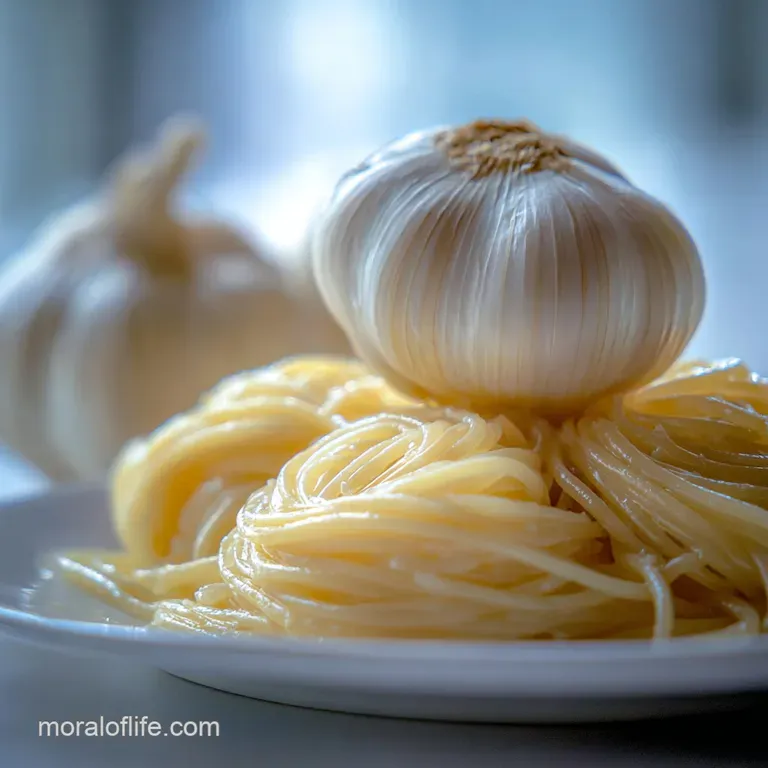
Boil a large pot of water and add 2 tbsp Kosher salt. Cook 400g long pasta until it is about 2 minutes away from being done. The pasta should still have a firm bite in the center.
2. Saving the Liquid Gold
Before draining, scoop out 120ml starchy pasta water. Note: This water contains the starch needed to bind the cream and fat together.
3. Infusing the Aromatics
In a large skillet over medium heat, add 240ml heavy cream and 4 cloves of microplaned garlic. Simmer until bubbles form around the edges and the garlic smells fragrant.
4. The Flavor Base
Whisk in 0.5 tsp freshly cracked black pepper and 0.25 tsp ground nutmeg. Note: Adding spices to the warm cream allows their oils to bloom and distribute evenly.
5. The Emulsion Marriage
Add the 120ml reserved pasta water to the skillet, followed by the drained pasta. Toss vigorously over medium high heat until the sauce begins to thicken and cling to the noodles.
6. The Cheese Incorporation
Lower the heat to low and sprinkle in 80g freshly grated Parmigiano Reggiano. Stir constantly until the cheese has completely melted into a smooth, velvety sauce.
7. The Cold Finish Gloss
Remove from heat and drop in 60g cold, cubed unsalted butter. Whisk the butter into the pasta until it disappears, creating a high gloss finish.
8. The Fresh Finale
Fold in 15g finely chopped Italian parsley and 1 tsp lemon zest. The sauce should look like liquid silk and coat the back of a spoon.
Chef's Tip: If the sauce looks too thick after adding the cheese, add an extra splash of hot pasta water (keep a little extra on hand) to loosen it up. The sauce will continue to thicken as it sits, so aim for it to look slightly "looser" in the pan than you want it on the plate.
Fixing Common Sauce Blunders
Why Your Sauce Separated
If your cream in pasta looks oily or "broken," the heat was likely too high when you added the cheese or butter. High heat causes the proteins in the cheese to clump and the fats to separate.
To fix this, remove the pan from the heat immediately and whisk in a tablespoon of room temperature cream or water to bring the temperature down and re emulsify the mixture.
For a Sauce That’s Too Thin
Sometimes the sauce looks like soup instead of a coating. This usually happens if the pasta wasn't tossed enough or there wasn't enough starch in the water. Continue to toss the pasta over medium heat for another 60 seconds; the movement encourages the starch and fat to bond.
The "Dry Pasta" Syndrome
If the noodles seem to drink up all the sauce instantly, you've likely over reduced the cream or used too much pasta for the amount of liquid. This is easily fixed by adding a small amount of warm water or a splash of Heavy Cream for recipe right before serving.
| Problem | Root Cause | Solution |
|---|---|---|
| Clumpy Cheese | Added to boiling sauce | Lower heat to "Low" before adding cheese |
| Gritty Texture | Pre shredded cheese used | Always grate cheese fresh from a block |
| Lack of Flavor | Not enough salt in water | Ensure water tastes like the sea before boiling |
Common Mistakes Checklist:
- ✓ Don't rinse your pasta - you need that surface starch for the sauce to stick.
- ✓ Use cold butter at the end; it creates a more stable emulsion than melted butter.
- ✓ Don't skip the nutmeg; it provides the "bridge" between the garlic and the cream.
- ✓ Avoid "Light" cream or half and half for this specific method, as they split more easily.
- ✓ Always reserve your pasta water before you dump the pot into the colander.
Budget Swaps and Tasty Twists
Eating well shouldn't break the bank, and this cream in pasta recipe is very forgiving. If Parmigiano Reggiano is too pricey, you can use Pecorino Romano for a saltier, funkier punch, or even a high-quality domestic Parmesan.
Just avoid the stuff in the green shaker can it contains anti clumping agents that will make your sauce grainy.
| Original Ingredient | Substitute | Why It Works |
|---|---|---|
| Heavy Cream (240ml) | Full fat Greek Yogurt | Adds tang and protein. Note: Will be thicker and more tart. |
| Parmigiano (80g) | Grana Padano | Similar texture and meltability at a lower price point. |
| Fresh Parsley | Dried Oregano (1 tsp) | Provides an earthy, herbal note if fresh isn't available. |
If you want a tangy "cream cheese pasta recipe" twist, you can swap half the heavy cream for 120g of softened cream cheese. It makes the sauce incredibly thick and stable, which is great if you’re feeding kids who might take a while to get to the table.
For a lighter "pasta cream sauce substitute", you can use 240ml of whole milk whisked with 1 tablespoon of cornstarch, though the texture won't be quite as velvety.
The Umami Mushroom Variation
Sauté 200g of sliced cremini mushrooms in the butter before adding the cream. The earthy juices from the mushrooms blend with the cream to create a deeply savory, brown tinted sauce that feels much more expensive than it is.
The "Zingy" Lemon Pepper Version
Double the lemon zest to 2 tsp and increase the black pepper to 1 full tsp. This version is incredible in the summer and pairs perfectly with a crisp white wine.
Storing and Reheating Leftovers
Cream based sauces are notorious for being difficult to reheat, but it's totally possible if you're gentle. Store any leftovers in an airtight container in the fridge for up to 3 days.
I don't recommend freezing this dish, as the cream and cheese emulsion will completely break upon thawing, leaving you with a watery, grainy mess.
When you're ready for round two, stay away from the microwave if you can. Put the pasta in a small skillet over low heat and add a splash of milk or water (about 1 tablespoon per serving).
Cover the pan for 2 minutes to let the steam loosen the noodles, then toss gently until the sauce becomes creamy again. If you must use a microwave, use 50% power in 30 second bursts, stirring in a little liquid between each interval.
Zero Waste Tip: If you have leftover parsley stems or the rind from your Parmigiano Reggiano, don't throw them away! Throw the cheese rind into your next batch of vegetable soup for a massive flavor boost, and finely mince the parsley stems to use as a base for sautéing aromatics in your next meal.
Plating Like a Pro Cook
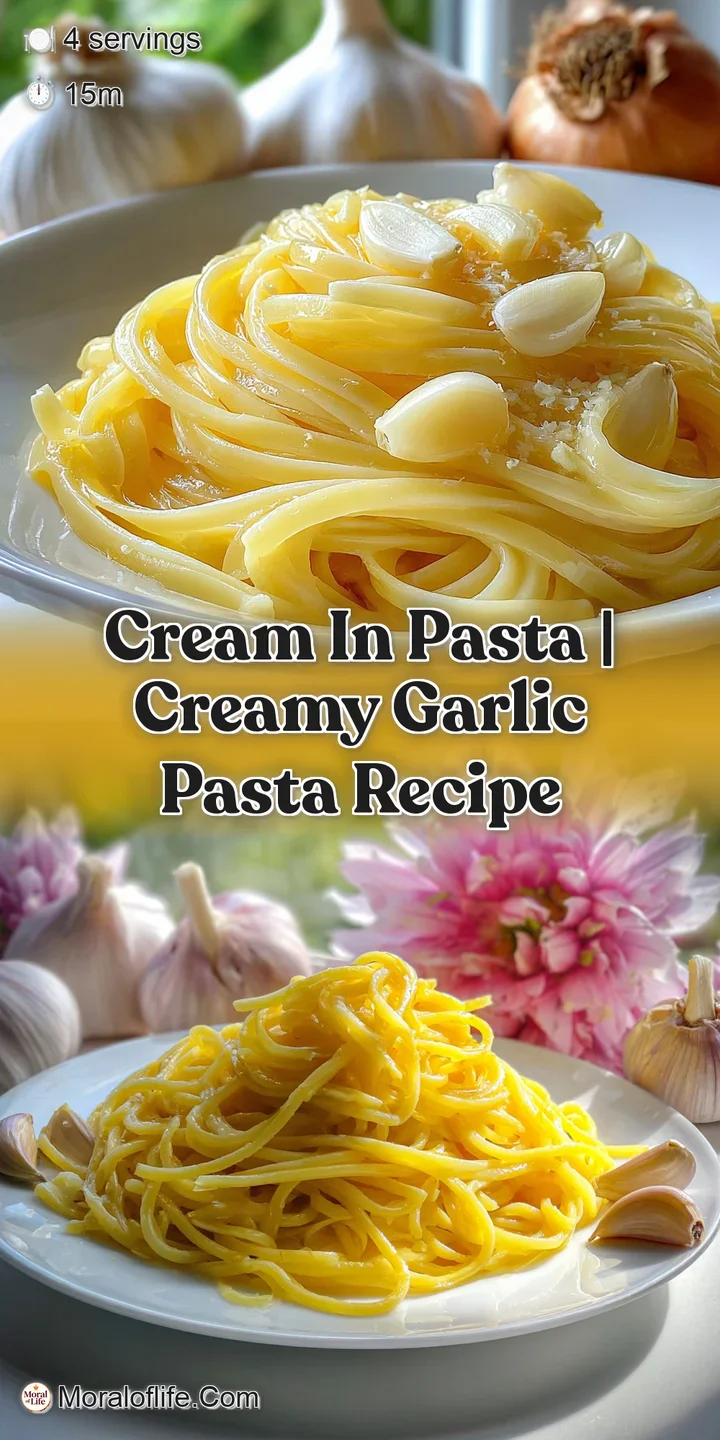
Presentation isn't about being "fancy"; it's about making the food look as good as it tastes. For a dependable, professional look, use a large fork or tongs to twirl a portion of the pasta into a "nest" in the center of a wide, shallow bowl. This keeps the heat trapped in the center while showing off the glossy sauce.
Finish the dish with a final grating of fresh cheese and a "shatter" of the remaining fresh parsley. A tiny drizzle of high-quality olive oil right before serving can add a beautiful sheen and a peppery finish that complements the cream.
If you have a few extra minutes, warming your bowls in a low oven (or rinsing them with hot water) is a pro move. Cream sauces thicken and "set" as they cool, so a warm bowl ensures your first bite is just as velvety as your last.
This is the kind of dependable meal that makes a normal Tuesday feel like a celebration, and once you master the balance of cream in pasta, you'll be the hero of your kitchen.
Myths About Creamy Pasta
Searing Garlic Until Brown
Many people think you need to brown the garlic to get the most flavor. In a cream sauce, this is actually a mistake. "Golden" garlic turns bitter and can overwhelm the delicate sweetness of the cream. You want to sweat the 4 cloves of garlic just until they are fragrant and translucent.
Heavy Cream Makes it "Authentic"
There is a common myth that traditional Alfredo uses heavy cream. In reality, the original Roman dish was just butter and cheese. However, adding cream in pasta is a practical, dependable way to ensure a stable sauce in a home kitchen.
It provides a safety net that prevents the cheese from clumping, making it much more approachable for a quick weeknight dinner.
Pre Rinsing the Noodles
Some folks believe rinsing pasta after cooking stops it from sticking. While true, it also washes away the starch molecules we need to create our emulsion. Never rinse your pasta when making a cream based sauce; that starch is the "glue" that holds your dinner together.
Keep it sticky, keep it starchy, and let the cream do the rest of the work.
Cream in Pasta FAQs
Is cream used in pasta?
Yes, often. Cream is a common ingredient in many pasta sauces, adding richness and a velvety texture. It's essential for dishes like Alfredo or carbonara, though the amount and type can vary greatly.
What cream do you add into pasta?
Heavy cream (or whipping cream) is best. Its high fat content makes it less likely to curdle and provides the richest, silkiest texture. Lighter creams can work but may require more careful handling to prevent separation.
Why do people put cream in pasta?
For richness and texture. Cream adds a luxurious mouthfeel, a beautiful sheen, and a milder flavor base that complements other ingredients. It helps to emulsify sauces, binding fats and liquids together for a smooth consistency.
When to add cream to pasta?
Towards the end of cooking, after most of the liquid has reduced. Adding cream too early or at high heat can cause it to curdle or break. Gently warming it through with reserved pasta water and cheese is usually the safest approach.
Can I make pasta creamy without heavy cream?
Yes, with some adjustments. You can use ingredients like evaporated milk, half and-half with a thickening agent (like cornstarch or flour), or even pureed silken tofu for a dairy-free option. For a slightly different but still rich result, consider the technique in our Mac n Cheese: Silky Sauce That Never Breaks.
How do I prevent cream sauce from breaking?
Use low heat and don't overcook. Add cream towards the end and stir gently. Combining it with starchy pasta water and cheese helps create a stable emulsion. If it looks like it's starting to separate, remove from heat and whisk in a splash of cold water or milk.
What's the secret to a restaurant quality creamy pasta sauce?
It's all about emulsion and starch. Reserve starchy pasta water and use it to help bind the cream and cheese together. Incorporating cold butter at the end also creates a glossy finish. Mastering this technique is key for sauces like those found in Alfredo and Pesto: Silky, Garlic Kissed Sauce.
Creamy Pasta Perfection
Ingredients:
Instructions:
Nutrition Facts:
| Calories | 767 kcal |
|---|---|
| Protein | 21.5 g |
| Fat | 40.3 g |
| Carbs | 78.4 g |
| Fiber | 3.2 g |
| Sugar | 2.1 g |
| Sodium | 585 mg |
