Sausage Rigatoni: Creamy Tomato and Spinach Pasta
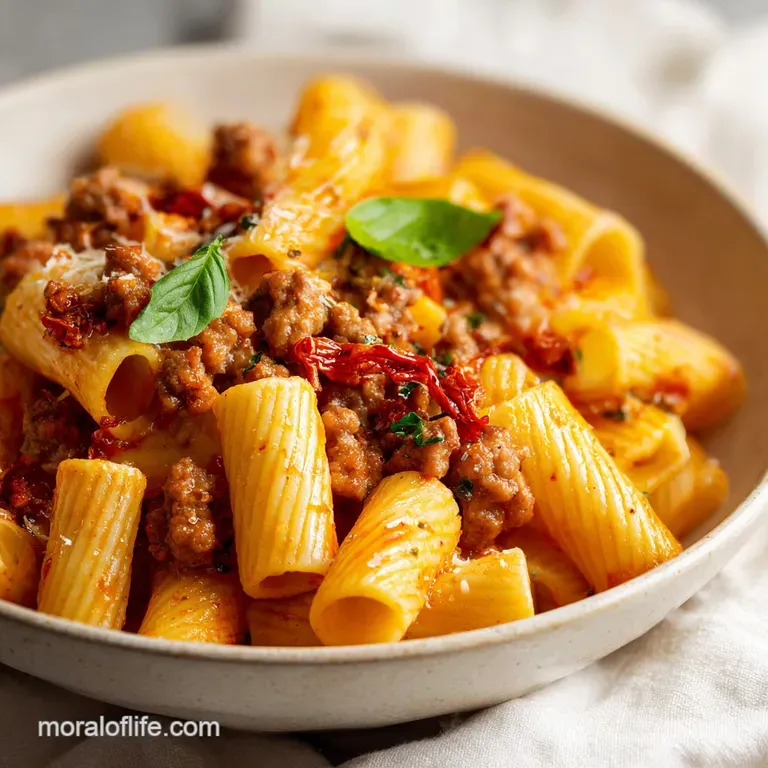
- Time:5 minutes prep + 25 minutes cook = 30 minutes total
- Flavor/Texture Hook: Savory, velvety, and slightly spicy
- Perfect for: Dependable family dinners and easy meal prep
- The Ultimate Quick Sausage Rigatoni Recipe
- Why This Recipe Works
- Essential Recipe Specs
- Component Analysis and Logic
- Ingredients and Substitutes
- Detailed Cooking Steps
- Fixing Common Kitchen Errors
- Scaling Guidelines
- Debunking Pasta Myths
- Storage and Zero Waste
- What to Eat With This
- Very High in Sodium
- Recipe FAQs
- 📝 Recipe Card
The Ultimate Quick Sausage Rigatoni Recipe
The smell of Italian sausage hitting a hot Dutch oven is the universal signal that a good night is starting. I remember my early attempts at this dish where the meat ended up grey and boiled looking because I was too impatient to let the pan get hot. Now, I wait for that first aggressive sizzle.
That sound tells me the fat is rendering and the sugars are caramelizing, which is where all the deep, savory flavor lives.
This recipe is my go to when Tuesday feels like a marathon and I need something dependable. We aren't doing anything fancy here, just using smart techniques to make a few humble ingredients sing.
The rigatoni is the perfect vessel because those large tubes and exterior ridges act like little pockets, catching every drop of the tomato cream sauce.
You’ll love how the fresh spinach wilts into the heat at the very last second, adding a bright pop of color and a mild earthy note that cuts through the richness of the heavy cream. It’s a balanced, one pan-adjacent meal that has saved my sanity more times than I can count.
Let's get into the specifics of why this works so well every single time.
Why This Recipe Works
Making a restaurant quality pasta at home isn't about expensive equipment, it's about understanding how a few simple components interact. This dish relies on the marriage of fat, starch, and acidity.
- Fat Emulsification: The heavy cream and parmesan cheese bind with the starchy pasta water to create a stable, velvety coating.
- Concentrated Umami: Cooking the tomato paste until it reaches a dark brick red removes the raw metallic taste and deepens the savory profile.
- Texture Contrast: Searing the sausage until it is mahogany colored provides crispy bits that stand out against the tender pasta.
- Residual Heat: Folding the spinach in at the very end prevents it from becoming slimy, keeping the leaves vibrant and tender.
| Method | Time | Texture | Best For |
|---|---|---|---|
| Stovetop | 30 minutes | Glossy and saucy | Quick weeknight dinners |
| Oven Bake | 45 minutes | Chewy with crispy edges | Feeding a larger crowd |
| Slow Cooker | 4 hours | Very soft and integrated | Hands off weekend prep |
Choosing the stovetop method is usually my preference because it keeps the sauce at that perfect silkiness. If you love this flavor profile but want a one dish wonder, check out my One Pot Sausage Pasta which saves even more on cleanup. The stovetop allows you to control the exact thickness of the sauce by adding pasta water splash by splash.
Essential Recipe Specs
For this recipe, we are looking at a 30 minute total investment. It yields 6 generous servings, making it perfect for a family or for having some high-quality leftovers the next day. The protein count is solid at 27.9 grams per serving, mostly coming from that pound of Italian sausage.
When you're looking at the timing, the 5 minutes of prep is basically just dicing an onion and mincing some garlic. The 25 minutes of cook time includes the water coming to a boil and the sausage browning.
It's a fast moving process, so I always recommend having your ingredients measured out before you turn on the stove.
Component Analysis and Logic
| Ingredient | Science Role | Pro Secret |
|---|---|---|
| Rigatoni | Structural Base | Use a brand with deep ridges to hold more sauce. |
| Tomato Paste | Flavor Anchor | Fry it in the sausage fat to caramelize the sugars. |
| Pasta Water | Emulsifier | Never toss it; the starch acts as a bridge for the fat. |
| Heavy Cream | Texture Modifier | Add it after the tomatoes to prevent curdling from acidity. |
The starch in the pasta water is the most underrated ingredient in your kitchen. It’s the difference between a watery sauce that slides off the noodle and a thick, professional looking glaze. For a different spin on cream based sauces, the Cajun Alfredo Sauce offers a similar velvety texture using this same starch binding logic.
Ingredients and Substitutes
- 1 lb rigatoni: Large, ridged tubes are best. Why this? The shape catches the chunky sausage and thick sauce perfectly.
- Substitute: Penne or large shells.
- 1 lb Italian sausage: Casings removed. Why this? It provides fat, protein, and seasoning all in one.
- Substitute: Ground turkey with 1 tsp fennel seeds and red pepper flakes.
- 2 cups fresh baby spinach: Why this? Adds color and nutrients without needing extra cooking time.
- Substitute: Chopped kale (sauté it longer) or frozen spinach (squeezed dry).
- 1 medium yellow onion: Finely diced. Why this? Provides a sweet, aromatic base that disappears into the sauce.
- Substitute: White onion or shallots.
- 4 cloves garlic: Mined. Why this? Adds essential pungent depth.
- Substitute: 1 tsp garlic powder in a pinch.
- 2 tbsp tomato paste: Why this? Adds concentrated tomato flavor and thickens the sauce.
- Substitute: 1/4 cup tomato sauce (reduce it longer).
- 15 oz crushed tomatoes: Why this? Creates a textured, rustic sauce base.
- Substitute: Diced tomatoes pulsed in a blender.
- 1/2 cup heavy cream: Why this? Softens the acidity of the tomatoes for a mellow finish.
- Substitute: Full fat coconut milk (adds a slight nutty flavor).
- 1/2 cup freshly grated parmesan cheese: Why this? Provides saltiness and helps thicken the emulsion.
- Substitute: Pecorino Romano for a sharper bite.
- 1 cup reserved pasta water: Why this? The "liquid gold" that binds the whole sauce together.
- Substitute: Chicken stock with 1 tsp cornstarch.
Detailed Cooking Steps
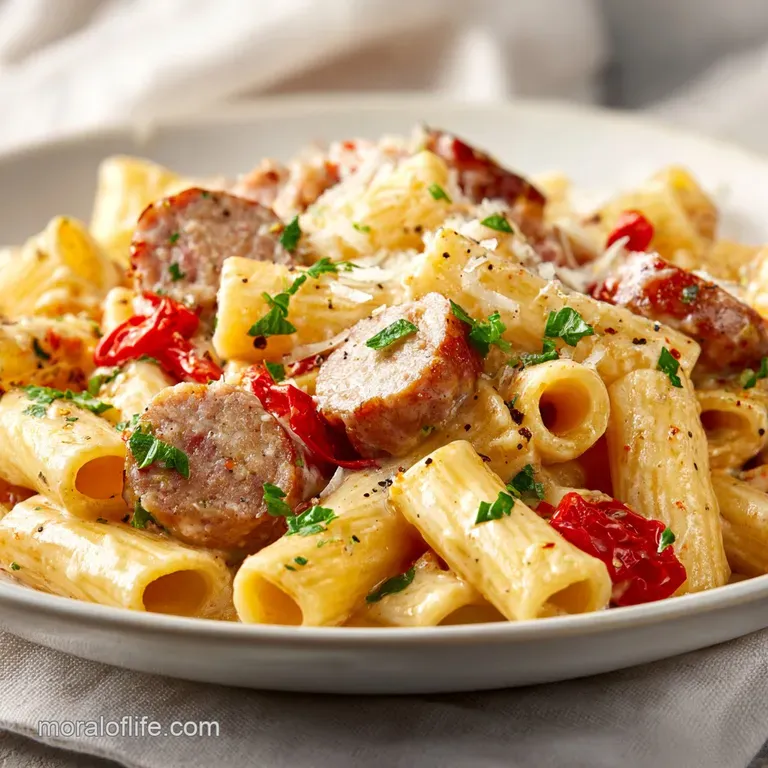
- Bring a large pot of heavily salted water to a boil. Cook the 1 lb rigatoni until it is one minute shy of al dente. Note: The pasta will finish cooking in the sauce later.
- Before draining the pasta, scoop out at least 1.5 cups of the cloudy pasta water and set aside. Note: You need more than the recipe calls for just in case you want a thinner sauce.
- In a large Dutch oven or deep skillet over medium high heat, brown the 1 lb Italian sausage. Break it into bite sized crumbles until mahogany colored and crispy.
- Add the diced yellow onion to the skillet and sauté until translucent and soft. Stir in the 4 cloves minced garlic and 2 tbsp tomato paste.
- Cook the mixture for 2 minutes until the paste turns a dark brick red and smells fragrant. Note: This step removes the raw, metallic taste of the paste.
- Pour in the 15 oz crushed tomatoes and bring to a gentle simmer until small bubbles form around the edges.
- Stir in the 1/2 cup heavy cream and 1/2 cup parmesan cheese until the sauce is uniform in color.
- Add the rigatoni and a splash of reserved pasta water to the skillet.
- Toss the pasta over medium heat until a glossy finish forms and coats every noodle. Note: The starch binds the fats here.
- Fold in the 2 cups fresh baby spinach until just wilted before serving immediately.
Fixing Common Kitchen Errors
Sometimes things go sideways in the kitchen, but almost everything is fixable. The most common issue I hear about with this Sausage Rigatoni is the sauce becoming too greasy or the pasta getting mushy. These are usually results of temperature control or timing.
Fixing a Greasy Sauce
If you see a layer of orange oil floating on top of your sauce, it’s likely from the sausage fat not fully integrating. This happens if the sauce is too cold when you add the cream or if you didn't use enough pasta water.
Avoiding Soft Mushy Pasta
Rigatoni is a sturdy noodle, but it can still overcook. The mistake is usually boiling it to "perfect" tenderness in the water. Remember, it will sit in a hot simmering sauce for 2 or 3 minutes, where it continues to absorb liquid and cook.
| Problem | Root Cause | Solution |
|---|---|---|
| Broken Sauce | Added cream to boiling sauce | Stir in a tablespoon of cold water and whisk vigorously. |
| Bland Flavor | Not enough salt in pasta water | Add a pinch of salt and a squeeze of lemon juice at the end. |
| Thin Sauce | Too much pasta water | Simmer uncovered for 3 minutes to reduce the liquid. |
Common Mistakes Checklist
- ✓ Pat the sausage dry if it seems wet before browning to get a better sear.
- ✓ Don't rinse the pasta after draining; you need that surface starch.
- ✓ Use a block of parmesan and grate it yourself; pre shredded cheese has anti clumping agents that make sauces gritty.
- ✓ Let the tomato paste actually change color; don't rush the 2 minute fry time.
- ✓ Add the spinach only after the heat is turned off to keep it from over wilting.
Scaling Guidelines
If you are cooking for a crowd or just yourself, this recipe is quite flexible. For a smaller batch (half recipe), use a smaller skillet to prevent the sauce from evaporating too quickly. Use half an egg's worth of volume if you were making fresh pasta, but for dried rigatoni, just use 0.5 lbs.
When scaling up for 12 people, don't just double everything blindly. Use 1.5x the salt and spices first, then taste. Liquids like the crushed tomatoes can be doubled, but be careful with the pasta water start with 1 cup and add more as needed.
You will likely need to work in batches to brown the sausage so the pan doesn't get overcrowded and steam the meat.
| Premium | Budget | Flavor Impact | Savings |
|---|---|---|---|
| Fresh Parmigiano | Canned Parmesan | Saltier, less nutty finish | Save $4.00 |
| Organic Spinach | Frozen Spinach | Texture is softer, more iron flavor | Save $2.50 |
| Artisan Pasta | Store Brand Rigatoni | Slightly less sauce grip | Save $3.00 |
Actually, store brand rigatoni is usually fine as long as you see those visible ridges. The biggest "budget" win is buying the sausage in the bulk pack rather than the pre linked ones. You're going to remove the casings anyway, so why pay extra for them?
Debunking Pasta Myths
One big myth is that you need to add oil to your pasta water to keep the noodles from sticking. This is actually counterproductive. The oil coats the pasta and prevents the sauce from sticking to it later. Just use plenty of water and give it a stir in the first 2 minutes.
Another misconception is that searing meat "seals in the juices." In reality, searing is all about the Maillard reaction creating new flavor compounds through heat. The sausage stays juicy because of its fat content, not because of a "seal" on the outside. The crust is strictly for that deep, savory taste.
Storage and Zero Waste
This dish keeps beautifully in the fridge for up to 4 days. When reheating, the pasta will have absorbed most of the sauce, so it might look a little dry. Add a tiny splash of water or milk before microwaving to bring that creamy texture back to life.
I don't recommend freezing this once the cream is added, as the dairy can separate and become grainy when thawed.
For a zero waste approach, don't toss the onion skins or the ends of the garlic. Throw them into a freezer bag for your next batch of homemade vegetable stock. If you have leftover spinach that's starting to look sad, sauté it down with a little butter and garlic and serve it as a side for breakfast eggs the next day.
What to Eat With This
Since this is a rich, heavy meal, I usually pair it with something bright and crisp. A simple arugula salad with a lemon vinaigrette is my dependable choice. The peppery greens cut right through the heavy cream and sausage fat.
If you want to go the classic route, a piece of crusty garlic bread is never a mistake. It’s perfect for swiping up any extra sauce left on the plate. For a vegetable side, roasted broccoli with a pinch of red pepper flakes complements the heat in the Italian sausage without competing for attention.
It's a normal Tuesday feast that feels like a weekend treat.
Very High in Sodium
1085 mg 1085 mg (47% 47%)
The American Heart Association recommends limiting sodium intake to less than 2,300mg per day, with an ideal limit of 1,500mg for most adults.
Tips to Reduce Sodium in Your Rigatoni with Italian Sausage and Spinach
-
Choose Low-Sodium Italian Sausage-25%
Traditional Italian sausage is a major sodium contributor. Opt for low-sodium or no-salt added Italian sausage to significantly reduce the overall sodium content. This change alone can make a big difference.
-
Omit Added Salt-15%
The recipe as written likely relies on the salt from the sausage. Avoid adding any extra salt during cooking. Taste the dish after cooking and if more flavor is needed, consider other options.
-
Enhance Flavor with Aromatics
Instead of relying on salt, boost the flavor of the onion by caramelizing it slowly. You can also add minced garlic and chili flakes during the onion sauté for added depth.
-
Use Fresh Herbs and Spices
Incorporate fresh herbs like basil or parsley, and dried spices like oregano or red pepper flakes. These add a burst of flavor without any sodium and complement the Italian sausage and spinach.
Recipe FAQs
What is sausage rigatoni?
It is a hearty Italian inspired pasta dish featuring ridged rigatoni noodles tossed in a savory tomato cream sauce with browned Italian sausage and fresh baby spinach.
What sausages pair best with rigatoni?
Italian sausage is the gold standard because its blend of fennel and garlic perfectly complements the acidity of crushed tomatoes and the richness of heavy cream.
What sauce goes best with rigatoni?
A tomato cream base is ideal for this shape because the large hollow centers and ridges of the pasta hold the sauce exceptionally well. If you enjoyed nailing the creamy sauce emulsion here, you can apply that same technique to other pasta recipes to ensure a velvety, glossy finish every time.
What meat goes best with rigatoni?
Ground Italian sausage provides the best flavor and texture. Its fat content renders out beautifully during the browning process, creating a foundation for the entire sauce.
How to keep the sauce from becoming grainy when reheating?
Add a small splash of water or milk before microwaving to rehydrate the sauce. Note that this dish does not freeze well, as the cream will likely separate and lose its smooth texture upon thawing.
Why is it necessary to reserve pasta water?
The starch in the water acts as a binder. When you toss the pasta in the skillet with the sauce and a splash of this cloudy water, the starch helps emulsify the fats, creating that signature glossy coating on the rigatoni.
How to achieve the perfect texture for the sausage?
Brown the sausage over medium high heat until it reaches a dark mahogany color and becomes crispy. Breaking it into small, uniform crumbles ensures that every bite contains enough meat to balance the pasta and sauce.
Creamy Sausage Rigatoni
Ingredients:
Instructions:
Nutrition Facts:
| Calories | 692 calories |
|---|---|
| Protein | 27.9 grams |
| Fat | 34.5 grams |
| Carbs | 66.8 grams |
| Fiber | 4.2 grams |
| Sugar | 6.4 grams |
| Sodium | 1085 milligrams |
