Tomato Pasta Sauce with Cream Cheese and Garlic
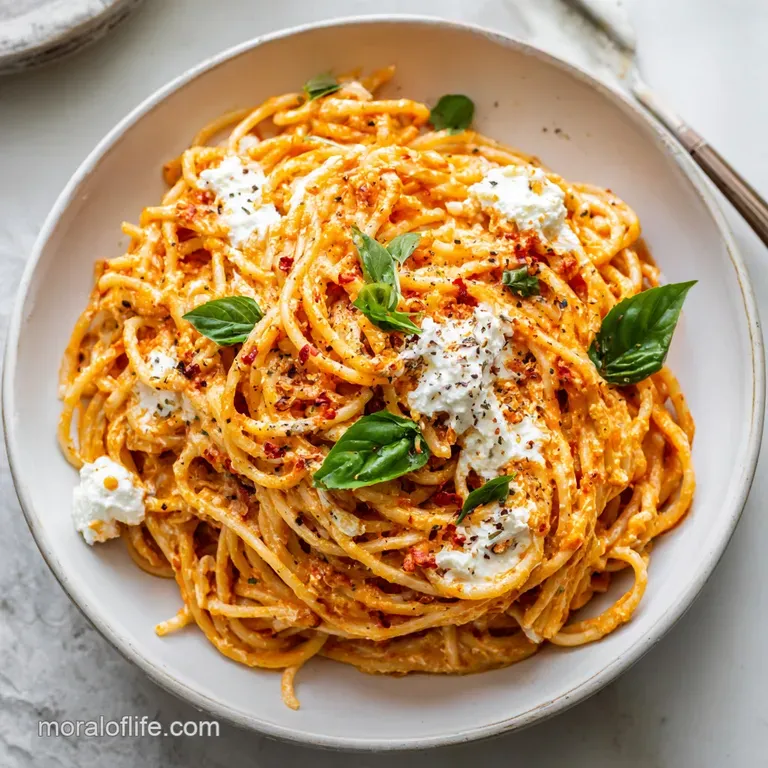
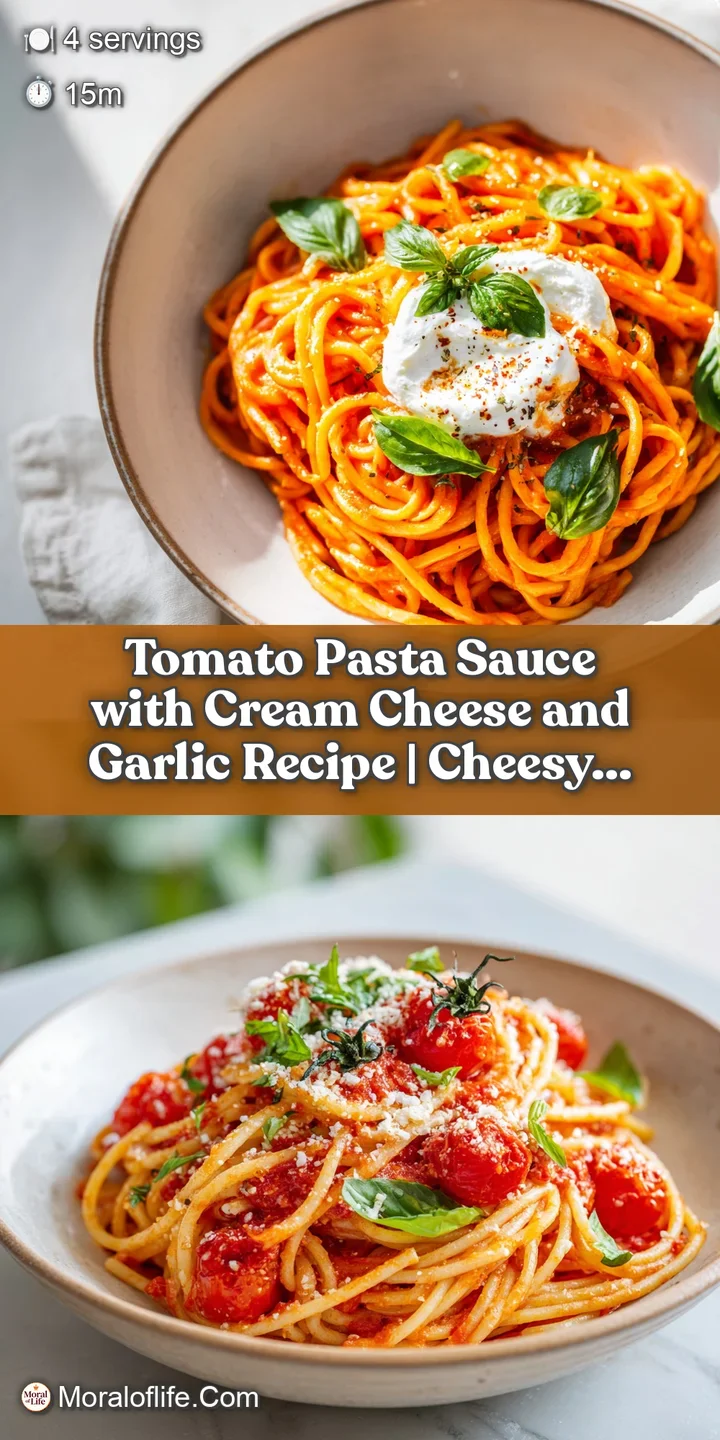
- Time: Active 5 minutes, Passive 10 minutes, Total 15 minutes
- Flavor/Texture Hook: Silky, sunset pink sauce with a sharp garlic kick.
- Perfect for: A normal Tuesday night when the family is hungry and time is short.
- Perfect Tomato Pasta Sauce with Cream Cheese and Garlic Recipe
- Why This Rich Sauce Actually Works
- Comparison of Preparation Methods
- Understanding the Core Components
- Essential Ingredients and Smart Substitutes
- Tools for a Perfect Tuesday Dinner
- Step-By-Step Guide for Home Cooks
- Solving Common Sauce Problems
- Creative Variations for Your Kitchen
- Scaling Your Pasta Dinner
- Storing Your Leftovers Safely
- Best Ways to Serve Pasta
- Recipe FAQs
- 📝 Recipe Card
Perfect Tomato Pasta Sauce with Cream Cheese and Garlic Recipe
Discover our featured Tomato Pasta Sauce with Cream Cheese and Garlic Recipe. Have you ever wondered why some homemade sauces feel a bit thin or metallic, while the ones you get at that cozy Italian spot down the street seem to hug every single strand of spaghetti?
The secret isn't a five hour simmer or some fancy imported heirloom tomato. It is actually sitting right in your fridge next to the bagels.
I remember the first time I tried this. I was staring at a half empty jar of marinara and a block of cream cheese, feeling absolutely uninspired. I decided to whisk them together on a whim, and the result was a revelation.
The sauce turned this beautiful, muted orange pink color, and the sharp bite of the garlic was suddenly wrapped in a blanket of creamy goodness. It was dependable, fast, and honestly, my kids didn't leave a single drop on their plates.
This dish is all about that contrast between the bright, acidic canned tomatoes and the rich, lactic tang of the Philadelphia cream cheese. You don't need a blender, you don't need a heavy cream carton that will just expire in the back of your fridge, and you definitely don't need more than 15 minutes.
We are going to build a flavor base that tastes like it took all afternoon, but we will do it while the pasta water is still coming to a boil.
Why This Rich Sauce Actually Works
- Cold Start Infusion: Starting garlic in cold olive oil allows the flavor to seep out slowly without the cloves burning or turning bitter.
- Acidity Balancing: The high fat and sugar content in cream cheese naturally neutralizes the sharp citric acid found in canned tomatoes.
- Starch Binding: Reserved pasta water contains dissolved starches that act as a bridge, helping the fat in the cheese and the water in the tomatoes stay united.
- Tomato Paste Caramelization: Cooking the paste for 60 seconds transforms it from raw and tinny to deep, savory, and sweet.
Comparison of Preparation Methods
| Method | Time | Texture | Best For |
|---|---|---|---|
| One Pan Stovetop | 15 minutes | Silky and light | Quick weeknight dinners |
| Baked Feta Style | 35 minutes | Thick and chunky | Hands off weekend prep |
| Slow Cooker | 4 hours | Deep and jammy | Large groups/Potlucks |
This table shows that while baking is trendy, the stovetop method is the undisputed king of speed. By using the stovetop, you keep the garlic fresh and vibrant rather than letting it get lost in a long roast. It is the most dependable way to ensure your cream cheese doesn't break or become grainy from excessive heat.
Understanding the Core Components
| Component | Science Role | Pro Secret |
|---|---|---|
| Garlic Cloves | Aromatic foundation | Slice thinly rather than mincing for a milder, sweeter profile. |
| Tomato Paste | Umami concentrator | Always cook it until it turns the color of a dark brick. |
| Cream Cheese | Stabilizing fat | Use full fat blocks to prevent the sauce from curdling. |
| Pasta Water | Liquid gold | This salty, starchy water is what makes the sauce "glossy." |
Adding cream cheese to pasta sauce does something that heavy cream simply cannot. While cream just thins out the flavor, cream cheese adds a structural thickness and a slight fermented tang that makes the whole dish feel more complex. It's a shortcut that actually improves the quality of the final bite.
Essential Ingredients and Smart Substitutes
To make this Tomato Pasta Sauce with Cream Cheese and Garlic Recipe, you'll need a few basics that are likely already in your kitchen. I always keep a block of cream cheese on hand just for this reason.
- 2 tbsp extra virgin olive oil: Use the good stuff if you have it. Why this? It provides the fat needed to carry the garlic flavor.
- 4-6 cloves fresh garlic, minced: Don't use the jarred stuff; it tastes like vinegar here. Why this? Fresh garlic is the star aromatic of this dish.
- 1/2 tsp red pepper flakes: Just enough for a tiny tingle.
- 2 tbsp tomato paste: This adds the depth that a 15 minute sauce usually lacks.
- 15 oz canned tomato sauce: Crushed tomatoes also work if you like a bit of texture.
- 4 oz Philadelphia cream cheese: Cubed at room temperature so it melts instantly.
- 1/2 cup reserved pasta water: The most important "free" ingredient in your kitchen.
- 1 lb dry pasta: Spaghetti or penne are my go to choices for this sauce.
- 1/4 cup freshly grated Parmesan cheese: Adds a salty, nutty finish.
- 1/4 cup fresh basil leaves: Torn by hand for that final burst of freshness.
- 1 tsp dried oregano, 1/2 tsp kosher salt, 1/4 tsp black pepper: Your standard seasoning trio.
| Original Ingredient | Substitute | Why It Works |
|---|---|---|
| Philadelphia Cream Cheese | Mascarpone | Similar fat content but much sweeter and less tangy. |
| Canned Tomato Sauce | Fresh Cherry Tomatoes | If you blister them first, they create a light, chunky base. |
| Extra Virgin Olive Oil | Unsalted Butter | Adds a milkier, richer flavor to the garlic base. |
If you are looking for a slightly different flavor profile, you might want to try this Cream Cheese Alfredo Sauce which leans entirely into the white sauce territory without the tomatoes. However, for a balanced red and white experience, sticking to the recipe below is your best bet for a dependable meal.
Tools for a Perfect Tuesday Dinner
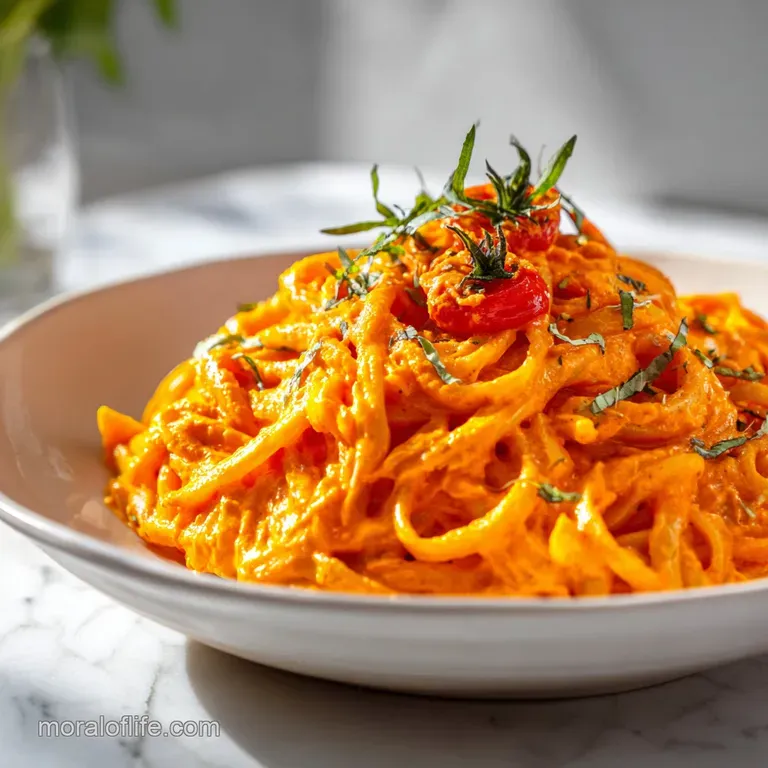
You don't need a professional kitchen to pull this off. In fact, using fewer tools usually leads to better results because you can focus on the sizzle in the pan. I prefer a large, heavy bottomed skillet something like a 12 inch stainless steel pan or a well seasoned cast iron.
The wider surface area helps the tomato sauce reduce slightly and gives you plenty of room to toss the pasta later.
A sturdy silicone spatula is better than a wooden spoon here. You’ll want to be able to "swirl" the cream cheese into the red sauce, and a spatula helps you scrape the bottom of the pan to incorporate every bit of that caramelized tomato paste.
You’ll also need a standard pot for boiling the pasta and a liquid measuring cup to snag that precious pasta water before you drain the noodles.
step-by-step Guide for Home Cooks
- Infuse the oil. Place the olive oil, 4-6 cloves of minced garlic, and red pepper flakes in a cold skillet. Turn the heat to medium. Note: Starting cold prevents the garlic from scorching and turning bitter.
- Sauté the aromatics. Cook for 1-2 minutes until the garlic is fragrant and pale straw colored.
- Caramelize the paste. Stir in the 2 tbsp of tomato paste and cook for 60 seconds until it darkens to a deep red color.
- Simmer the base. Pour in the 15 oz of canned tomato sauce. Add the oregano, salt, and pepper. Bring to a gentle simmer.
- Meld the flavors. Cook for 5 minutes until the sauce bubbles softly and slightly thickens.
- Temper the cheese. Reduce the heat to low. Add the 4 oz of cubed cream cheese to the center of the pan.
- Emulsify the sauce. Swirl with a spatula until the cheese is completely melted and the sauce turns sunset pink.
- Add liquid gold. Slowly pour in 1/4 cup of the reserved pasta water while stirring vigorously until the sauce looks glossy and smooth.
- Combine and toss. Add your 1 lb of cooked pasta, Parmesan cheese, and fresh basil to the skillet.
- Final adjustment. Toss to coat the pasta thoroughly. If it looks too thick, add the remaining 1/4 cup of pasta water until every strand is velvety.
Solving Common Sauce Problems
Why Your Sauce Is Clumpy
If you see little white dots of cream cheese that refuse to melt, it’s usually because the cheese was too cold when it hit the pan. Cold cheese "shocks" when it touches hot liquid, causing the proteins to tighten up into grains.
| Problem | Root Cause | Solution |
|---|---|---|
| Grainy Texture | Cold cream cheese or too high heat | Use room temp cheese and turn heat to low before adding. |
| Sour Taste | Under cooked tomato paste | Sauté paste longer to develop natural sugars. |
| Thin Sauce | Not enough pasta water starch | Simmer longer or add a splash more starchy water. |
Why the Sauce Is Too Acidic
Tomatoes vary wildly in acidity depending on the brand. If your sauce tastes a bit sharp or "tinny," it’s likely the canned tomatoes. While the cream cheese helps, sometimes you need a tiny pinch of granulated sugar about 1/4 teaspoon to round out the flavors.
Common Mistakes Checklist
- ✓ Never drain your pasta entirely before saving the water; you'll regret it when the sauce is dry.
- ✓ Don't walk away while sautéing the garlic; it goes from straw colored to burnt in seconds.
- ✓ Avoid low-fat or "whipped" cream cheese; they contain stabilizers that prevent a smooth melt.
- ✓ Use a large enough skillet; if the pan is crowded, the pasta won't get coated evenly.
- ✓ Salt your pasta water like the sea; this is the only chance to season the actual noodles.
Creative Variations for Your Kitchen
If you want to turn this into a "Baked" version, simply follow the steps to make the sauce, toss it with short pasta like penne or rigatoni, and top it with a layer of shredded mozzarella. Pop it under the broiler for 3-5 minutes until the cheese is bubbly and spotted with brown.
It's a great way to use up leftovers for a second meal.
For those who want a TikTok style viral twist, you can add a tablespoon of vodka right after the tomato paste. Let the alcohol cook off for two minutes before adding the sauce. This helps release certain flavor compounds in the tomatoes that are only alcohol soluble, giving you that famous "vodka sauce" flavor with the added creaminess of the cheese.
| Modification | Ingredient Change | Resulting Flavor |
|---|---|---|
| Spicy Kick | Add 1 tsp Calabrian chili paste | Smoky, lingering heat |
| Garden Fresh | Stir in 2 cups baby spinach at the end | Earthy and vibrant |
| Extra Savory | Add 2 anchovy fillets to the oil | Deep, hidden saltiness |
If you love the idea of a quick, creamy tomato meal but want something a bit more vegetable forward, my Creamy Tomato Pasta is another dependable option that uses slightly different ratios for a lighter feel.
Scaling Your Pasta Dinner
Scaling Down (Cooking for 1 or 2) This recipe is very friendly to smaller portions. You can easily halve the ingredients. For the cream cheese, just use 2 oz (usually half a standard block).
Since the sauce will be in a smaller volume, reduce the simmer time by 2 minutes to prevent it from evaporating too much. Use a smaller skillet or even a small saucepan to keep the liquid from spreading too thin and burning.
Scaling Up (Feeding a Crowd) If you are doubling this for a party of 8, go ahead and use 2 lbs of pasta. However, don't double the red pepper flakes or the salt right away. Spices tend to amplify quickly in larger volumes. Start with 1.5x the spices and adjust at the very end.
You will definitely need a large Dutch oven or your biggest stockpot to have enough room to toss 2 lbs of pasta with the sauce.
Storing Your Leftovers Safely
This Tomato Pasta Sauce with Cream Cheese and Garlic Recipe stays dependable even the next day. You can store the sauced pasta in an airtight container in the fridge for up to 3 days. When you reheat it, the pasta will have absorbed most of the moisture, so it might look a bit dry.
Reheating Tip: Add a splash of water or milk before microwaving or heating on the stove. This loosens the cream cheese back into a silky sauce. I don't recommend freezing the pasta once it is mixed with the sauce, as the noodles tend to get mushy.
However, you can freeze the sauce base (before adding pasta) for up to 2 months.
Zero Waste Tip: If you have leftover sauce but no pasta, use it as a dip for garlic bread or as a poaching liquid for eggs the next morning (a "creamy" Shakshuka). Don't throw away those basil stems either! Toss them into your next pot of vegetable stock for a hit of peppery aroma.
Best Ways to Serve Pasta
To truly enjoy this dish, serve it in warm bowls. This prevents the cream based sauce from seizing up as it hits the table. I like to top each serving with an extra sprinkle of Parmesan and a few more torn basil leaves. The contrast of the cold, fresh herb against the warm, rich sauce is what makes it feel special.
If you are looking for a side dish, a simple green salad with a sharp lemon vinaigrette is the perfect partner. The acidity of the lemon cuts through the richness of the Philadelphia cream cheese. Alternatively, a crusty piece of baguette is mandatory for swiping up every last bit of that sunset pink sauce from the bottom of the bowl. Trust me, you won't want to leave any behind. For a complete meal, you might even consider pairing this with a side like my Broccoli Casserole recipe if you have some extra time to spare on a weekend.
Recipe FAQs
Can I make a pasta sauce with cream cheese and tomatoes?
Yes, it creates a rich, luxurious base. Combining tomato sauce with cream cheese produces a sunset pink color and a velvety texture that clings perfectly to noodles.
Why add cream cheese to tomato sauce?
It provides instant body and acidity balance. The cream cheese stabilizes the tomato’s sharp edges, and if you enjoyed mastering this emulsification, you can see how the same principle creates a silky pan sauce for proteins.
Can you make pasta sauce with Philadelphia cream cheese?
Yes, this is the ideal brand to use. We recommend full fat blocks to ensure the sauce melts into a smooth consistency without grainy stabilizers.
What is the one ingredient that makes spaghetti sauce so much better?
Starchy pasta water is the secret. Adding 1/4 cup of the water your pasta cooked in helps the cream cheese and tomato sauce bind to the noodles for a glossy, professional finish.
How to melt the cream cheese into the tomato sauce?
Reduce your heat to low before adding the cubes. Swirl the cream cheese into the center of the pan with a spatula continuously until it is completely incorporated and the sauce is uniform.
How to store leftovers of this creamy pasta?
Place the pasta in an airtight container in the refrigerator for up to 3 days. Avoid the freezer, as the texture of the sauce breaks down and the noodles lose their integrity once thawed.
Is it true you should add the garlic while the skillet is hot?
No, this is a common misconception. You must place the oil and minced garlic in a cold skillet and heat them together to prevent the garlic from burning and turning bitter.
Creamy Tomato Garlic Pasta
Ingredients:
Instructions:
Nutrition Facts:
| Calories | 648 kcal |
|---|---|
| Protein | 20.8 g |
| Fat | 20.2 g |
| Carbs | 95.8 g |
| Fiber | 5.2 g |
| Sugar | 8.4 g |
| Sodium | 785 mg |
