Crispy Cabbage Dumpling with Ginger and Soy Dipping Sauce
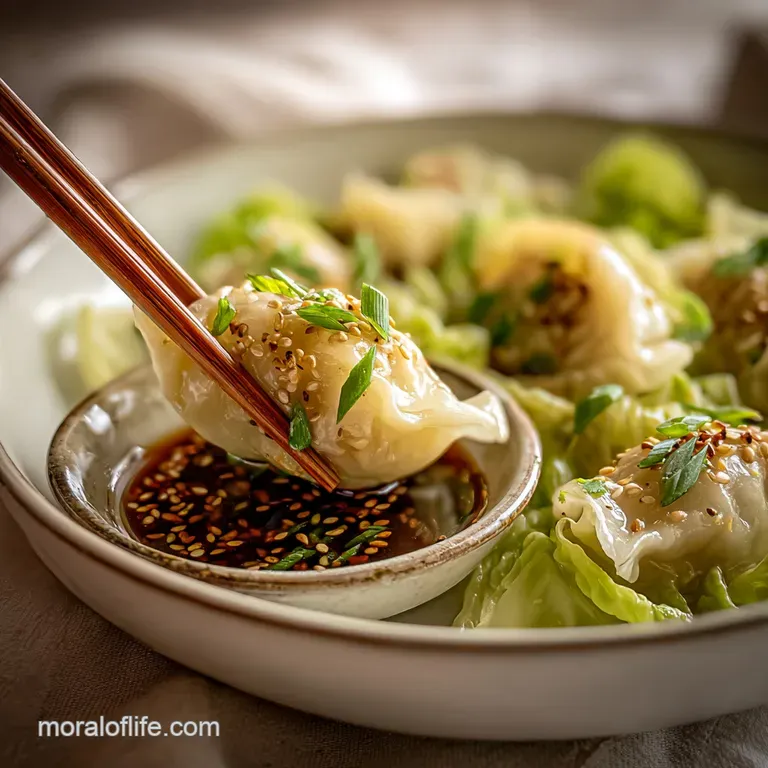
- Time: Active 30 minutes, Passive 20 minutes, Total 50 minutes
- Flavor/Texture Hook: A shatter crisp golden base meets a tender, ginger spiked vegetable center.
- Perfect for: Impressive weeknight appetizers or a fun weekend project for beginner cooks.
- Crispy Cabbage Dumpling with Ginger and Soy Dipping Sauce
- The Physics of the Crunch
- Component Analysis
- Fresh Ingredients for Deep Flavor
- Kitchen Essentials for Better Searing
- Steps to Golden Dumpling Perfection
- Avoiding Common Cabbage Dumpling Pitfalls
- Flavorful Swaps and Filling Ideas
- Fridge Storage and Leftover Magic
- Perfect Pairings for Your Meal
- Debunking Dumpling Myths
- High in Sodium
- Recipe FAQs
- 📝 Recipe Card
Crispy Cabbage Dumpling with Ginger and Soy Dipping Sauce
I remember the first time I tried making these. The kitchen smelled like a dream toasted sesame and sharp, fresh ginger but the result was a soggy, watery mess. I'd skipped the most important part because I was in a rush. I thought I could just toss the cabbage in and call it a day.
Instead, the dumplings basically boiled from the inside out, and that beautiful crunch I was chasing never happened. It was a humble lesson in the power of salt and patience.
But when you get it right? It's magic. There’s this specific moment when the water in the pan finally evaporates and you hear the sizzle change from a bubbly hiss to a rhythmic crackle. That’s the sound of the "lace" forming.
This recipe delivers a perfectly crispy cabbage dumpling with a flavorful ginger and soy dipping sauce that cuts right through the richness. We've all been there with takeout that arrives limp and sad, but these stay shatter crisp until the very last bite.
We’re going to walk through exactly how to avoid my early mistakes. You'll learn why we treat cabbage like a sponge that needs wringing out and how a simple cornstarch slurry creates that iconic "skirt" that makes everyone at the table go quiet.
Trust me, once you hear that first crunch, you’ll never go back to the frozen bags again. Let's get into the details and make something truly spectacular.
The Physics of the Crunch
Osmotic Extraction: Salt draws internal moisture out of the cabbage cell walls, preventing the filling from steaming and making the wrapper soggy during cooking.
Starch Suspension: The cornstarch slurry creates a thin, web like "lace" as the water evaporates, binding the dumplings together with a brittle, golden crust.
| Method | Time | Texture | Best For |
|---|---|---|---|
| Stovetop Pan Fry | 10 minutes | Maximum crunch with a delicate lace skirt | Achieving that authentic restaurant look |
| Oven Bake | 18 minutes | Evenly browned but lacks the signature bottom crust | Large batches for parties without standing over a stove |
| Air Fryer | 12 minutes | Completely crispy all over, similar to a spring roll | A healthier, mess free alternative with high heat |
The difference between a good dumpling and a legendary one is the texture of the base. While the oven is great for our Recipe for Cabbage Steaks, these dumplings really thrive in a cast iron or non stick skillet where the heat is direct and intense.
Component Analysis
| Ingredient | Science Role | Pro Secret |
|---|---|---|
| Green Cabbage | Structural Base | Use the outer leaves for more "bite" and inner for sweetness. |
| Cornstarch | Emulsifying Agent | Always whisk the slurry right before pouring to prevent settling. |
| Toasted Sesame Oil | Volatile Aromatics | Add this last to the filling to preserve the delicate scent. |
| Kosher Salt | Hydroscopic Draw | Use coarse salt to better "scrub" and wilt the cabbage fibers. |
When you’re standing over the cutting board, you’ll notice the cabbage has a distinct, peppery scent. As it sits in the salt, that smell mellows into something more earthy. This is the first sign that the chemistry is working. If you're looking for another dish that masters the art of texture, my Puerto Rican Rice recipe uses a similar principle to get that perfect crispy bottom layer.
Fresh Ingredients for Deep Flavor
- 500g green cabbage: Finely shredded for even cooking. Why this? It provides the bulk and a mild, sweet flavor profile.
- Substitute: Napa cabbage (requires less salting time).
- 1 tbsp kosher salt: To draw out moisture. Why this? Essential for texture and seasoning the vegetable deeply.
- Substitute: Sea salt (use 25% less by volume).
- 2 tbsp fresh ginger: Finely grated into a paste. Why this? Adds a sharp, zingy heat that balances the earthy cabbage.
- Substitute: 1 tsp ground ginger (but you'll miss the zing).
- 3 cloves garlic: Minced into tiny pieces. Why this? Provides a foundational savory aroma as the dumplings steam.
- Substitute: 1 tsp garlic powder.
- 4 stalks scallions: Thinly sliced into rounds. Why this? Adds color and a mild, oniony bite.
- Substitute: Chives or very finely diced shallots.
- 1 tbsp toasted sesame oil: For deep, nutty notes. Why this? Aromatics that define the classic flavor profile.
- Substitute: Peanut oil with a drop of tahini.
- 1 tbsp soy sauce: For salt and umami. Why this? Provides depth that salt alone cannot achieve.
- Substitute: Tamari for a gluten-free option.
- 0.5 tsp white pepper: For a subtle, floral heat. Why this? It's more traditional and less "gritty" than black pepper.
- Substitute: Finely ground black pepper.
- 30 count dumpling wrappers: Round, wheat based skins. Why this? They have the perfect thickness for frying and steaming.
- Substitute: Wonton wrappers (cut into circles).
- 0.25 cup soy sauce: (For the dipping sauce).
- Substitute: Coconut aminos (sweeter, lower sodium).
- 2 tbsp rice vinegar: For essential acidity.
- Substitute: Apple cider vinegar.
- 1 tsp fresh ginger: Julienned for texture.
- Substitute: Grated ginger.
- 1 tsp chili oil: For a spicy kick.
- Substitute: Red pepper flakes steeped in warm oil.
- 1 tsp maple syrup: To balance the salt.
- Substitute: Brown sugar or honey.
- 0.5 cup water: (For the slurry).
- 2 tsp cornstarch: (For the crispy skirt).
Kitchen Essentials for Better Searing
You don't need a professional kitchen, but a high-quality non stick pan or a well seasoned cast iron skillet is non negotiable here. A lid that fits tightly is also vital because the steaming phase is what cooks the top of the wrapper and the filling through.
I also highly recommend using a Microplane for the ginger; it turns the root into a velvety paste that distributes much better than chopped bits.
If you find yourself making a lot of sauces for your appetizers, similar to the process for my Fried Pickle Dipping Sauce recipe, keep a small whisk and several glass ramekins nearby. Organization is the secret to not burning your garlic while you're hunting for the vinegar.
Steps to Golden Dumpling Perfection
Phase 1: Prepping the Cabbage
Place your 500g shredded cabbage in a large bowl and toss with 1 tbsp kosher salt. Let it sit for 15 minutes until the cabbage looks translucent and a pool of liquid forms at the bottom. Note: This is the most critical step for a non soggy dumpling.
Phase 2: Mixing the Filling
Squeeze the cabbage with your hands, discarding all the excess water. Add the 2 tbsp grated ginger, 3 cloves minced garlic, 4 sliced scallions, 1 tbsp toasted sesame oil, 1 tbsp soy sauce, and 0.5 tsp white pepper. Mix thoroughly until the aromatics are evenly distributed and the scent is fragrant.
Phase 3: Wrapping and Folding
Place a tablespoon of filling in the center of a dumpling wrapper. Wet the edges with water, fold in half, and pleat the edges tightly. Note: Ensure there are no air bubbles trapped inside, which could cause the dumpling to burst.
Phase 4: Dipping Sauce Preparation
In a small bowl, whisk together 0.25 cup soy sauce, 2 tbsp rice vinegar, 1 tsp julienned ginger, 1 tsp chili oil, and 1 tsp maple syrup. Set aside until the flavors meld and the syrup is fully dissolved.
Phase 5: The Initial Sear
Heat a tablespoon of neutral oil in a large skillet over medium high heat. Arrange dumplings in a circular pattern, flat side down. Fry for 2-3 minutes until the bottoms are a deep, nutty golden brown.
Phase 6: The Slurry Steam
Whisk 2 tsp cornstarch into 0.5 cup water and pour it into the hot pan. Immediately cover with a lid. Note: The steam will cook the dough while the starch begins to settle.
Phase 7: The Final Crunch
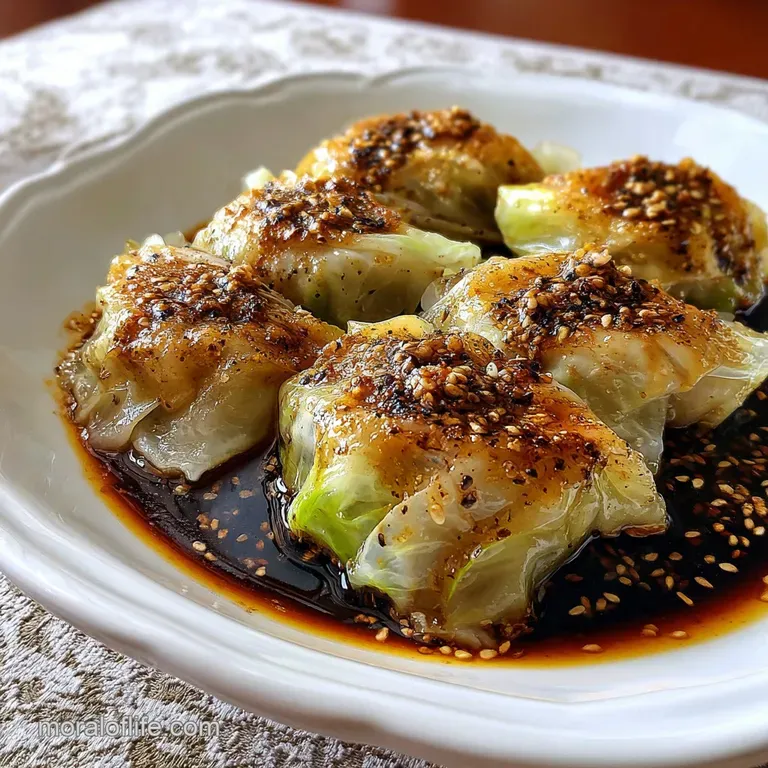
Cook for 5-7 minutes with the lid on. Remove the lid and continue cooking until the water has completely evaporated and a lacy brown skirt forms.
Phase 8: The Flip and Serve
Once the "skirt" is dry and brittle, place a large plate over the pan and carefully invert it. The dumplings should release in one beautiful, crispy disc. Serve immediately while the base is at its loudest crunch level.
Avoiding Common Cabbage Dumpling Pitfalls
Why Your Dumplings Aren't Crispy
The most common culprit is residual moisture. If you don't squeeze the cabbage hard enough, it releases water during the frying process, which turns your sear into a boil. Another reason is the slurry ratio; if there is too much water and not enough starch, the lace won't have the structural integrity to "shatter" when you bite into it.
Why the Wrappers are Gummy
This usually happens when the steaming phase is too short or the heat is too low. The steam needs to be intense enough to gelatinize the starch in the wrapper quickly. If they sit in lukewarm water for too long, they become pasty rather than tender.
| Problem | Root Cause | Solution |
|---|---|---|
| Soggy Bottoms | Too much oil or low heat | Increase heat to medium high and use only a thin film of oil. |
| Filling is Bland | Cabbage wasn't squeezed enough | Squeezing removes water that would otherwise dilute the seasonings. |
| Skirt Won't Release | Pan isn't non stick or starch isn't cooked | Ensure the starch is completely browned and dry before flipping. |
Common Mistakes Checklist
- ✓ Squeeze the cabbage until your hands hurt any leftover water is the enemy of the crunch.
- ✓ Don't overcrowd the pan; leave at least a quarter inch between dumplings for the lace to form properly.
- ✓ Always use fresh ginger rather than the bottled paste for a cleaner, sharper aroma.
- ✓ Ensure your skillet has a tight fitting lid to trap the steam effectively.
- ✓ Wait for the "crackle" sound at the end of cooking that’s the signal that the water is gone and the oil is crisping the starch.
Flavorful Swaps and Filling Ideas
If you want to change things up, these are incredibly versatile. You can easily turn these into Vegetarian Cabbage Dumplings that even meat eaters will crave by adding finely chopped shiitake mushrooms for an extra hit of umami.
If you're looking for something more substantial, adding 200g of ground pork or shrimp to the filling works beautifully, just ensure you cook them for an extra 2 minutes during the steaming phase.
| Original Ingredient | Substitute | Why It Works |
|---|---|---|
| Soy Sauce | Tamari (1:1 ratio) | Same salty depth but completely gluten-free. |
| Maple Syrup | Honey (1:1 ratio) | Provides the necessary sweetness but adds a floral note. |
| Rice Vinegar | Lime Juice (1:1 ratio) | Offers a brighter, more citrusy acidity to the dipping sauce. |
For those who want a bit of a shortcut, you can use pre shredded coleslaw mix from the grocery store. Just make sure it’s plain cabbage and carrots, not the kind with dressing already added. It saves a lot of knife work on a busy Tuesday night.
Fridge Storage and Leftover Magic
Storage: These are best eaten fresh, but you can store leftovers in an airtight container in the fridge for up to 3 days. However, the crispy skirt will lose its texture. To revive them, don't use the microwave!
Reheat them in a dry skillet over medium heat for 3-4 minutes until the bottoms regain their snap.
Freezing: This is the best way to handle leftovers. Arrange uncooked dumplings on a parchment lined tray and freeze until solid, then transfer to a freezer bag. They’ll stay fresh for 3 months. Cook them directly from frozen, adding an extra 3 minutes to the steaming time.
Zero Waste: Don't throw away those cabbage cores! You can thinly slice them and toss them into a stir fry or use them to make a quick vegetable stock. The leftover dipping sauce is also incredible drizzled over steamed broccoli or used as a marinade for grilled chicken.
Perfect Pairings for Your Meal
When serving these Homemade Cabbage Dumplings, I like to keep the rest of the meal light but flavorful. A simple smashed cucumber salad with plenty of garlic and sesame oil is the perfect cooling companion to the hot, fried dumplings.
If you want a more complete dinner, a bowl of hot and sour soup or some simple stir fried bok choy with oyster sauce works wonders.
For a bit of a fusion twist, these also go surprisingly well with other savory comfort foods. I've been known to serve them alongside a batch of my Spicy Chicken Tenders recipe when I'm hosting a game night. The contrast between the Asian inspired ginger notes and the spicy chicken is always a huge hit with my friends.
Debunking Dumpling Myths
A common misconception is that you need a bamboo steamer to get "authentic" results. In reality, the "potsticker" method (fry steam fry) used in this Cabbage Dumpling Recipe is a traditional technique specifically designed to give you that dual texture of soft top and crunchy bottom.
You don't need fancy equipment to get a professional result.
Another myth is that you must make your own wrappers from scratch. While homemade dough is lovely, high-quality store-bought wrappers are incredibly consistent and save you about an hour of labor.
Most restaurants actually use pre made wrappers because they are rolled to a precise, uniform thickness that is very hard to replicate by hand at home. Focus your energy on the filling and the fry that's where the flavor lives!
High in Sodium
890 mg mg of sodium per serving (39% of daily value)
The American Heart Association recommends limiting sodium intake to about 2,300mg per day for overall health.
Tips to Reduce Sodium in Your Dumplings
-
Lower Sodium Soy Sauce-25%
Replace regular soy sauce with a low-sodium or reduced sodium version. This will significantly reduce the sodium content in both the filling and the dipping sauce.
-
Reduce Added Salt-20%
Eliminate the 1 tbsp of kosher salt in the cabbage filling entirely. The soy sauce and natural flavors will provide sufficient seasoning.
-
Vinegar Boost-15%
Increase the amount of rice vinegar in the dipping sauce and consider adding a squeeze of fresh lemon or lime juice to enhance the flavor profile, allowing you to reduce the amount of soy sauce.
-
Control Chili Oil-10%
Use chili oil sparingly in the dipping sauce or omit it entirely. It often contains added sodium. Adjust to your preferred spice level with fresh chili flakes instead.
-
Spice it Up!
Experiment with sodium free herbs and spices like dried shiitake mushroom powder, black pepper, garlic powder (use sparingly), or onion powder to enhance the flavor of the filling and dipping sauce without adding sodium.
Recipe FAQs
What sauce is good for cabbage dumplings?
The Ginger and Soy Dipping Sauce is ideal. It balances the earthy sweetness of the cabbage with sharp ginger and essential saltiness. We use rice vinegar to provide a necessary acidic cut to the richness of the fried wrapper.
Do ginger and soy sauce go together?
Yes, absolutely; they are a classic flavor pairing. Ginger provides aromatic heat while soy sauce delivers deep umami and salt. If you enjoy this savory balance, see how the same flavor logic applies to the sauce in our Alfredo and Pesto recipe, which relies on balancing rich cream with sharp herbs.
What is the best sauce to dip dumplings in?
The best dipping sauce involves a balance of salt, acid, and heat. For these crispy dumplings, a simple mix of soy sauce, rice vinegar, fresh ginger, and a touch of sweetness from maple syrup cuts perfectly through the fried exterior.
Does soy sauce go well with dumplings?
Yes, soy sauce is fundamental to virtually all savory dumpling sauces. It provides the deep, salty umami that enhances the vegetable filling. If you're looking for another simple, umami rich pairing for vegetables, try our Sautéed Bok Choy recipe which uses a similar sauce base.
How do I make sure the dumpling bottoms are crispy and not soggy?
Sear them hard in hot oil, then use a cornstarch slurry for the steam phase. The initial high heat sear locks in texture, and the slurry evaporates completely, leaving behind a brittle, lacy crust instead of a gummy film.
Can I use Napa cabbage instead of green cabbage for the filling?
Yes, Napa cabbage is a suitable substitute. It has a more delicate flavor profile, so you may need to reduce the initial salting time slightly, as it releases water more quickly than dense green cabbage.
What is the purpose of salting the cabbage before filling the wrappers?
Salting the cabbage is necessary for osmotic extraction of excess water. This prevents the filling from steaming itself during cooking, which is the number one cause of soggy dumpling bottoms.
Crispy Cabbage Dumplings Recipe
Ingredients:
Instructions:
Nutrition Facts:
| Calories | 336 calories |
|---|---|
| Protein | 10.5 g |
| Fat | 15.2 g |
| Carbs | 29.5 g |
| Fiber | 2.5 g |
| Sugar | 2.9 g |
| Sodium | 890 mg |
